SPAIN

Mansions, Monuments and Museums of the Plaza de Jerónimo Páez in Córdoba

While exploring the historic quarter of Córdoba, Spain, admire the Palacio de los Páez de Castillejo and Casa del Judío before you stop in the archaeological museum.
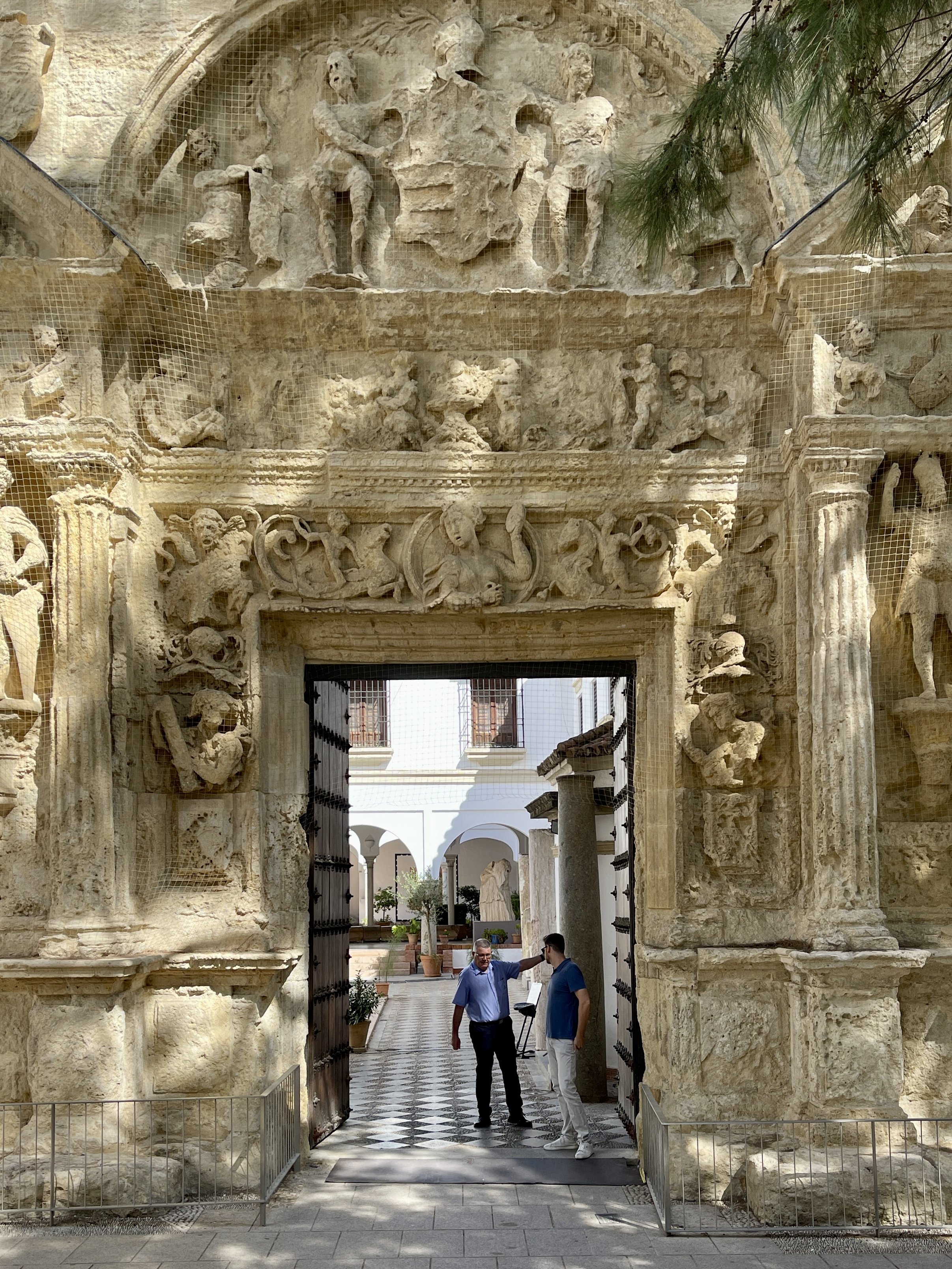
It’s easy to understand why Córdoba’s entire historic quarter earned its UNESCO World Heritage Site designation in 1985. As Wally and I explored the narrow cobblestone streets of la Judería, the city’s former Jewish quarter, our wanderings led us to charming plazas that opened up to reveal historic homes and restaurants with inviting outdoor seating, where you can sit and relax with the locals. 

Among these squares is Plaza de Jerónimo Páez, named after a descendant of the influential Cordobesan family responsible for the Renaissance-style Palacio de los Páez de Castillejo and the equally historic Casa del Judío. Having endured years of neglect, the plaza was renovated in the 1990s, when the archaeological museum was expanded.

During the city’s era of Roman occupation, known as Corduba at that time, this square served as the entertainment district, boasting one of the largest theaters in the empire. The partial remains of this historic structure are now displayed beneath the modern Archaeological and Ethnological Museum of Córdoba, located next to the atmospheric 16th century Palacio de los Páez de Castillejo.

White arches with columns on two levels with greenery in the courtyard of the Palacio de los Páez de Castillejo

From palace gardens to private residence to school to museum, the Palacio de los Páez de Castillejo has had a rich history.

Palacio de los Páez de Castillejo

What initially caught our attention as we walked through the square was the gloriously decayed sandstone façade of the Palacio de los Páez de Castillejo family — aptly named, considering their surname, Castillejo, translates to “Little Castle” — which is essentially what this home was.

Two headless statues of women by leafy top of a Roman column at the Palacio de los Páez de Castillejo

A pair of life-size marble korai, female figures dressed in long tunics, and a Corinthian capital with acanthus leaves creates a striking vignette.

Roman mosaic at the Palacio de los Páez de Castillejo

This lovely Roman mosaic includes motifs such as interlaced Solomon’s knot, vines, pomegranates and crescent-shaped pelta shields.

Man in red, black and white t-shirt and sunglasses stand in Mudejar niche at the Palacio de los Páez de Castillejo

One of the many beautiful Mudéjar-style niches with scalloped arches within the palace courtyard — and the equally dashing Wally. 

The residence was renovated in the 16th century by Luis Páez de Castillejo and stands on the grounds of what were once the gardens of Ybrahim Ben Nacer Alfaqui’s palace. In 1538, he commissioned the prominent Spanish architect Hernán Ruiz II to oversee the redevelopment of the main courtyard, Renaissance-style façade and sculpted railing of the main staircase. Ruiz II collaborated with his father, Hernán Ruiz the Elder, on the contentious construction of the Capilla Mayor within the Mosque-Cathedral of Córdoba.

Two sihouettes on purple cloth above a square stone at the Palacio de los Páez de Castillejo

The silhouettes on the cloth added a modern art feel to this area of the courtyard.

Besides serving as the Páez de Castillejo residence, the building was used as a school at the end of the 19th century, known as the Polytechnic Academy. And in 1959, it became the Archaeological and Ethnological Museum of Córdoba.

Thoracata of Cordoba, a statue of a warrior without its head, arms or legs at the Palacio de los Páez de Castillejo

This impressive sculpture, known as the Thoracata of Córdoba and named after a type of Roman battle armor, depicts the massive torso of a hero — possibly Aeneas in his escape from Troy — wearing an intricate breastplate adorned with a pair of griffins.

Its exterior is similar to Ruiz II’s work on the Puerta del Puente, the principal gateway to the Roman Bridge in town, and, like the monument, was designed in the style of a triumphal arch. Among its notable features are a pair of porticos supported by Doric columns, with heroic figures positioned between them. Above the entablature, classical figures hold the family coat of arms. This imagery aimed to immortalize the Páez de Castillejo family as the living embodiment of discipline, loyalty and self-sacrifice to the people of Córdoba. 

Gorgeously carved sandstone staircase and Roman mosaic at the Palacio de los Páez de Castillejo

This staircase features a sandstone railing designed by Hernán Ruiz II as well as a Roman mosaic depicting rearing horses drawing a chariot.

View of the courtyard of the Palacio de los Páez de Castillejo

Be sure to go through that gorgeous gateway — it’s free and only takes a short while to stroll around the courtyard.

Initially, Wally and I stood there, gawking and uncertain about entering, but after we saw a man speaking to the guard stationed at the entrance, we decided to ask about the building. The guard informed us that it’s an extension of the modern archaeological museum and welcomed us to take a look around the interior courtyard. We walked around the first courtyard, which is dedicated to Roman archaeology, including mosaics and sculptures. However, unlike the adjacent institution, the artifacts on display here are not clearly marked.

Casa del Judio exterior

Although it’s not open to the public, the exterior of Casa del Judío is worth pausing to take a look at.

Casa del Judío

Over the centuries, the enigmatic building located across from the Palacio de los Páez de Castillejo has been inextricably linked to the Castilian royal family and the generations of noble lineages connected to them, including the Sousa, Haro, Armenia and Cárdenas families.

Originally a Mudéjar palace, the stately manor is also called the Palacio del Duque de Medina Sidonia, or the Palace of the Duke of Medina Sidonia. For, it was within these walls that the bastard son of Juana de Sousa and Henry II of Castile, Enrique de Castilla y de Sousa, aka the first duke of Medina Sidonia, was born.

Two people by a motorcycle seen behind tree and with glimpse of the Casa del Judio

While eating at La Cavea, we spotted a cool couple in front of the Casa del Judío.

Although it’s not open to the public, you can still admire its ceramic-tiled roof, vibrant fuchsia bougainvilleas and square tower with a hipped roof enclosed by a latticework screen. To the left of the doorway, sheltered by greenery, is a bronze bust perched atop a marble plinth immortalizing the Roman poet Marcus Annaeus Lucanus (39-65 CE), better known in English literature as Lucan. 

Lucan was the nephew of the philosopher-statesman Lucius Annaeus Seneca (Seneca the Younger). He attracted the favorable attention of the Roman emperor Nero but conspired with Gaius Calpurnius Piso in a scheme to assassinate Nero and install Piso as his successor. Ultimately, its failure led to Lucan’s arrest and his subsequent suicide at the age of 26. 

Today the home is more commonly referred to by locals as la Casa del Judío, or in English, the Jew’s House, in reference to Elie J. Nahamias, a Judeo-Greek businessman and its most recent owner, who passed away in 1994. Nahamias was a descendant of the pre-exile Sephardic communities that inhabited the Iberian Peninsula and assembled an impressive library of printed books and manuscripts spanning six centuries of Jewish history. His collection is held by the Library of the Alliance Israélite Universelle based in Paris, France. And although the property is privately owned by his children, you can still admire its beautiful exterior.
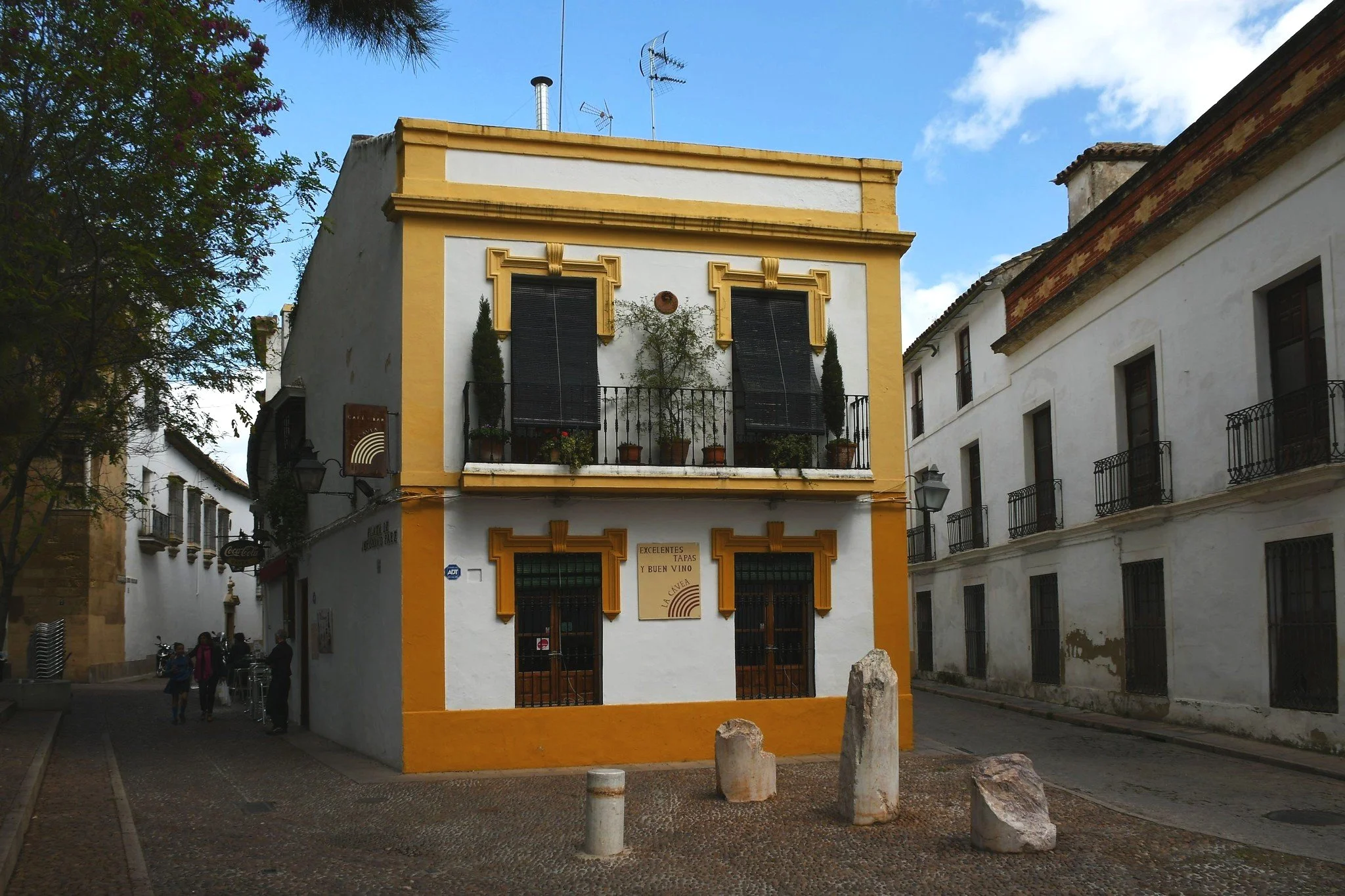
Saffron-framed white cafe La Cavea in Cordoba

A cute location and a good option if you want a snack or drink while visiting the archeological museum — but otherwise you can find better food elsewhere in town.

Café-Bar La Cavea

The center of the square is taken up with a casual resturant, with tables placed under the shade of trees (with white umbrellas an additional barrier from the heat when needed), all sitting amid broken remnants of Roman columns. When we stopped by, there was live music, with a performer taking up station by the fountain.

Top-down view of grilled cuttlefish on a messy cafe table

Beware choco! Although our Spanish friends say it’s actually good, this one was rubbery and flavorless. If you really want to cringe, do a search for “cuttlefish.”

While the café gets points for its setting, the food didn’t impress us — especially since we ordered calamari but where told they had choco instead, which is very close. Imagine our dismay when we discovered that it not only looked like and and was practically the size of a bleached, deflated football, it tasted like one, too. (Wally had also made the mistake of Googling what cuttlefish look like, which didn’t do him any favors). I was recovering from heat stroke, so he choked down as much choco as he could before giving up.
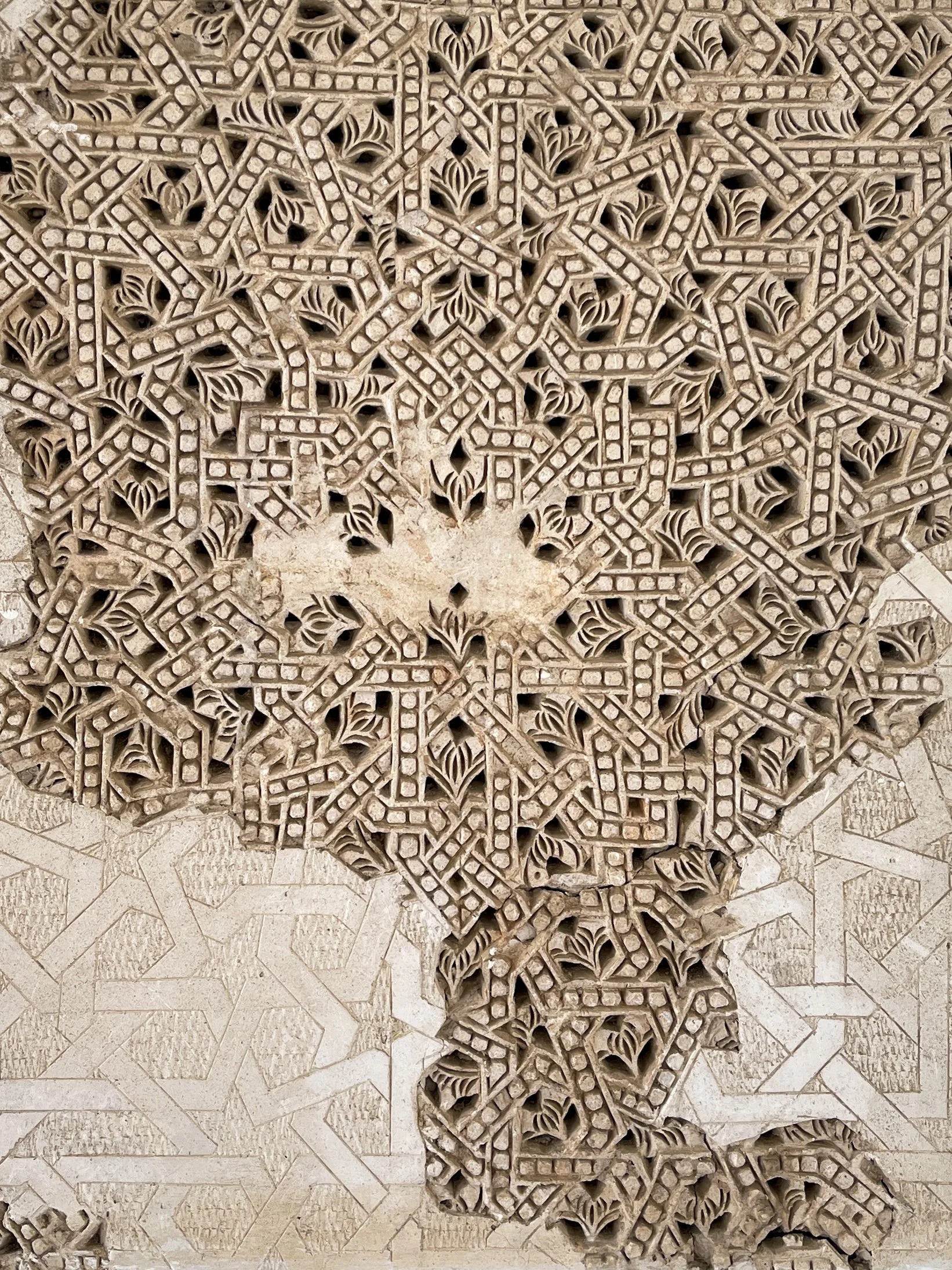
Sebqa tile relief at the Palacio de los Páez de Castillejo

Detail of an intricately carved Mudejar relief featuring sebqa work, a decorative technique characterized by the repetition of geometric and vegetal forms.

Hidden Gems

Our wanderings through the historic Plaza de Jerónimo Páez offered glimpses into Córdoba’s rich history, through its ruins, artifacts and storied mansions. This square is no longer the bustling entertainment district it was when it was home to one of the largest theaters in the Roman Empire. But it still captivates visitors with its antique structures and inviting energy. Be sure to admire your surroundings before you head into the archeological museum, which is worth visiting. –Duke
Plaza de Jerónimo Páez


Torre Campanario de Córdoba: Scaling the Heights of the Town’s Tallest Landmark

The 9th century minaret-turned-bell-tower of the Mezquita offers spectacular 360-degree views of the UNESCO World Heritage Site. 

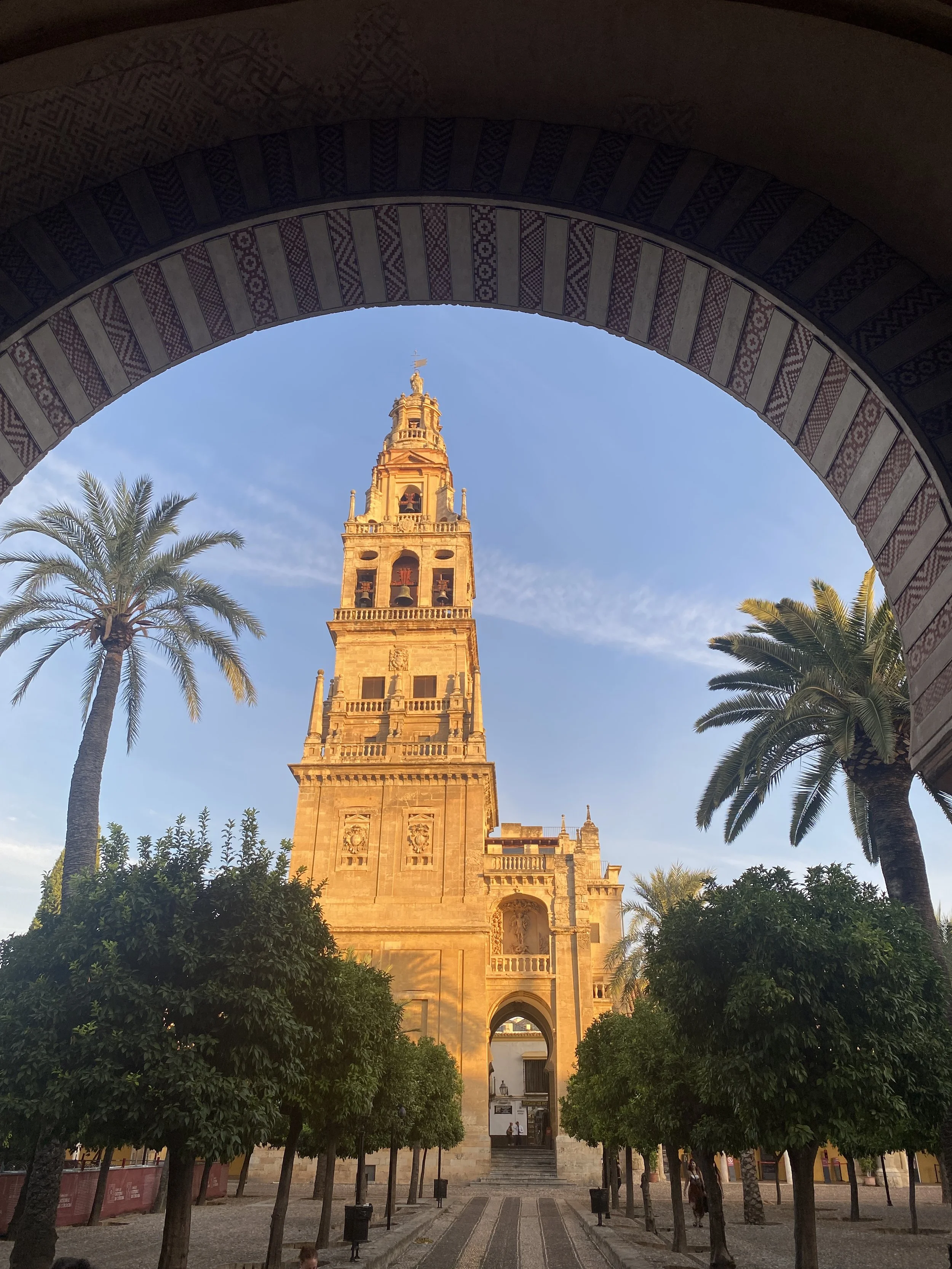
Torre Campanario de la Mezquita-Catedral de Córdoba and palm trees seen through arch at golden hour

We chose to visit just before sunset to get some of that golden hour glow.

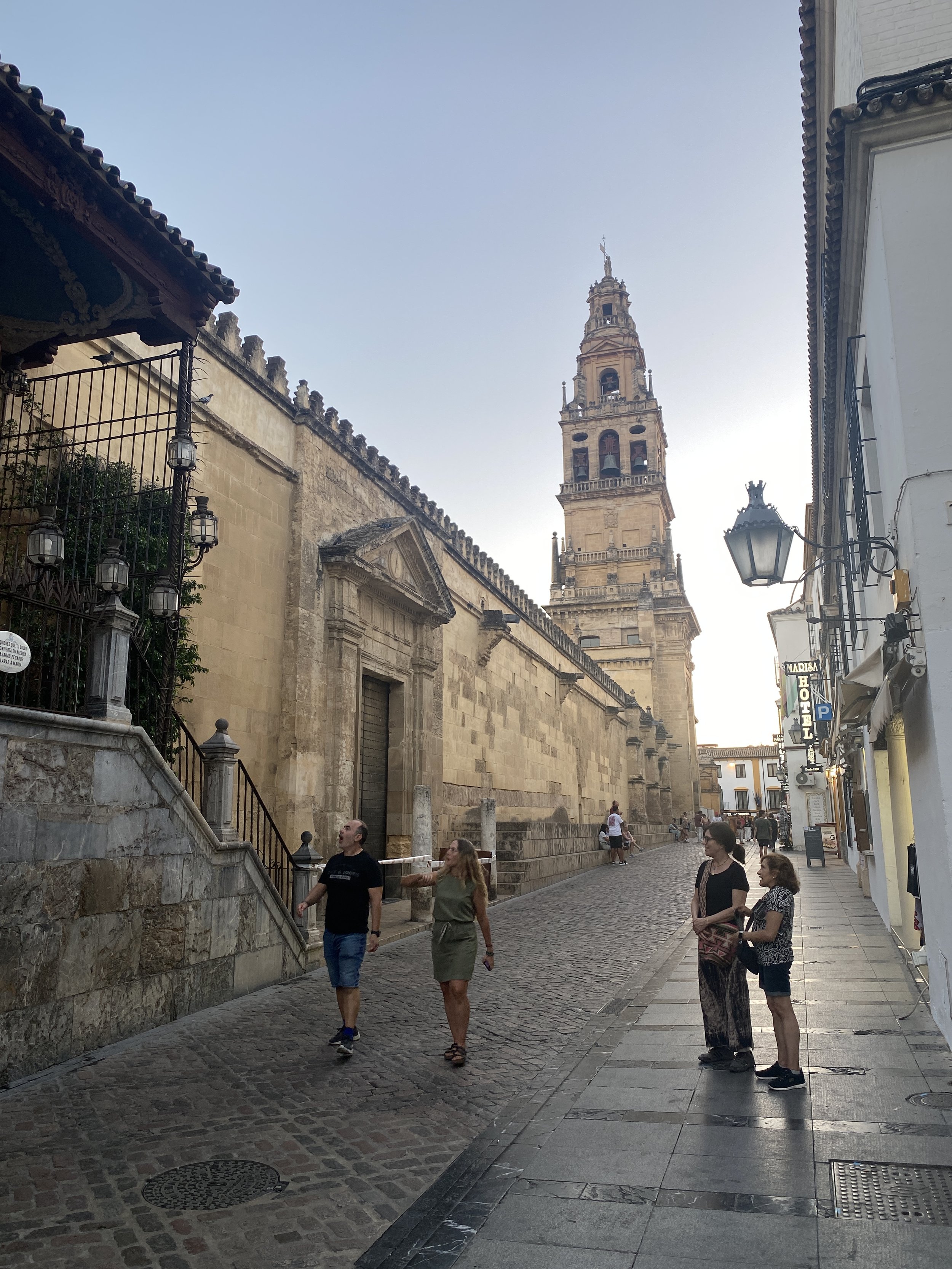
In the heart of Córdoba’s Historic Quarter stands a towering sentinel: the Torre Campanario de la Mezquita-Catedral de Córdoba, or the Bell Tower of the Mosque-Cathedral of Córdoba. Rising 54 meters high — equivalent to a 16-story building — this remarkable landmark claims the distinction of being the city’s tallest structure. 

Formerly a mosque minaret, the bell tower stands as a living testament to Córdoba’s fascinating and diverse past. Visitors can climb to new heights and experience breathtaking vistas from the two uppermost levels of the tower. 

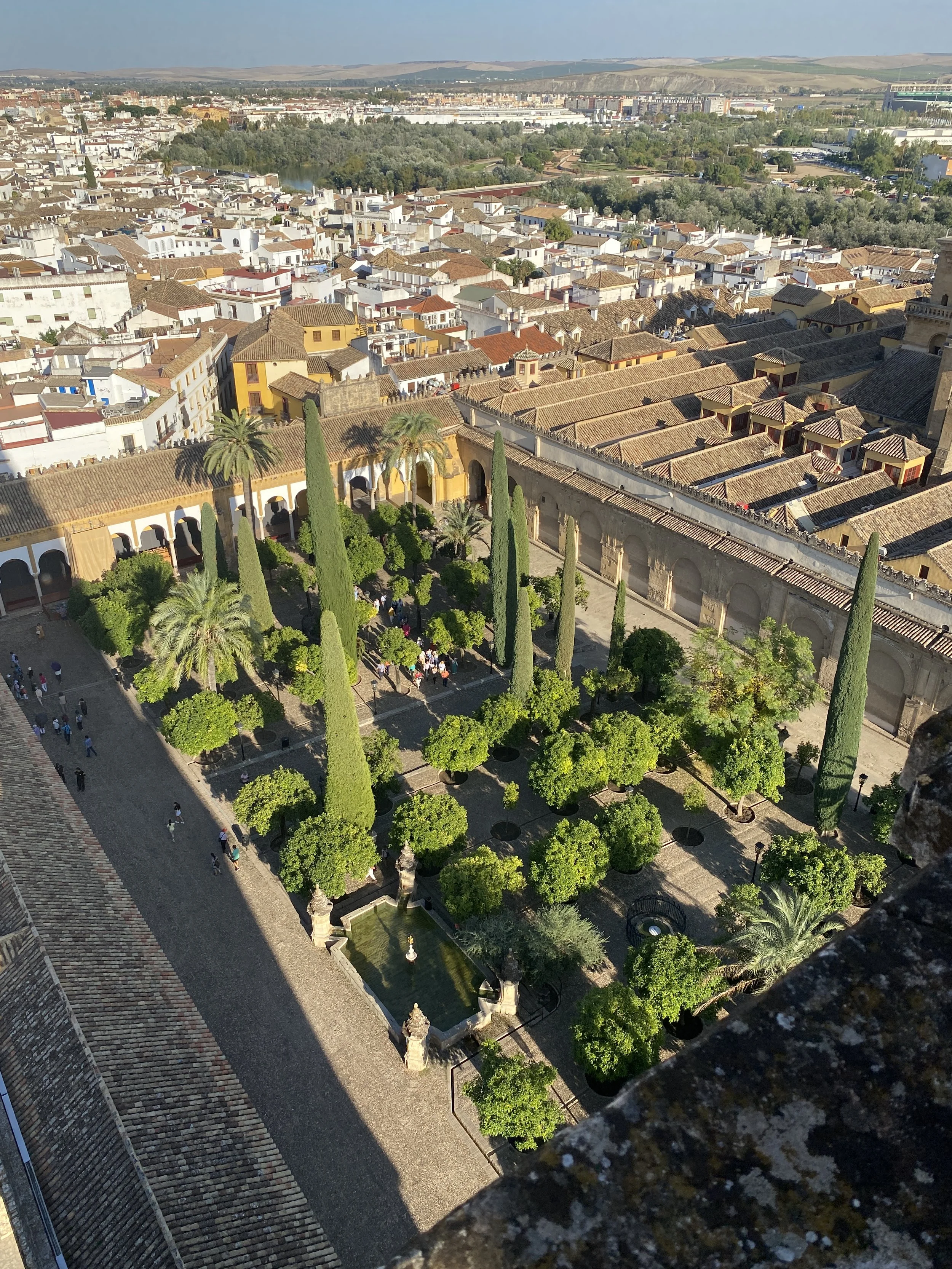
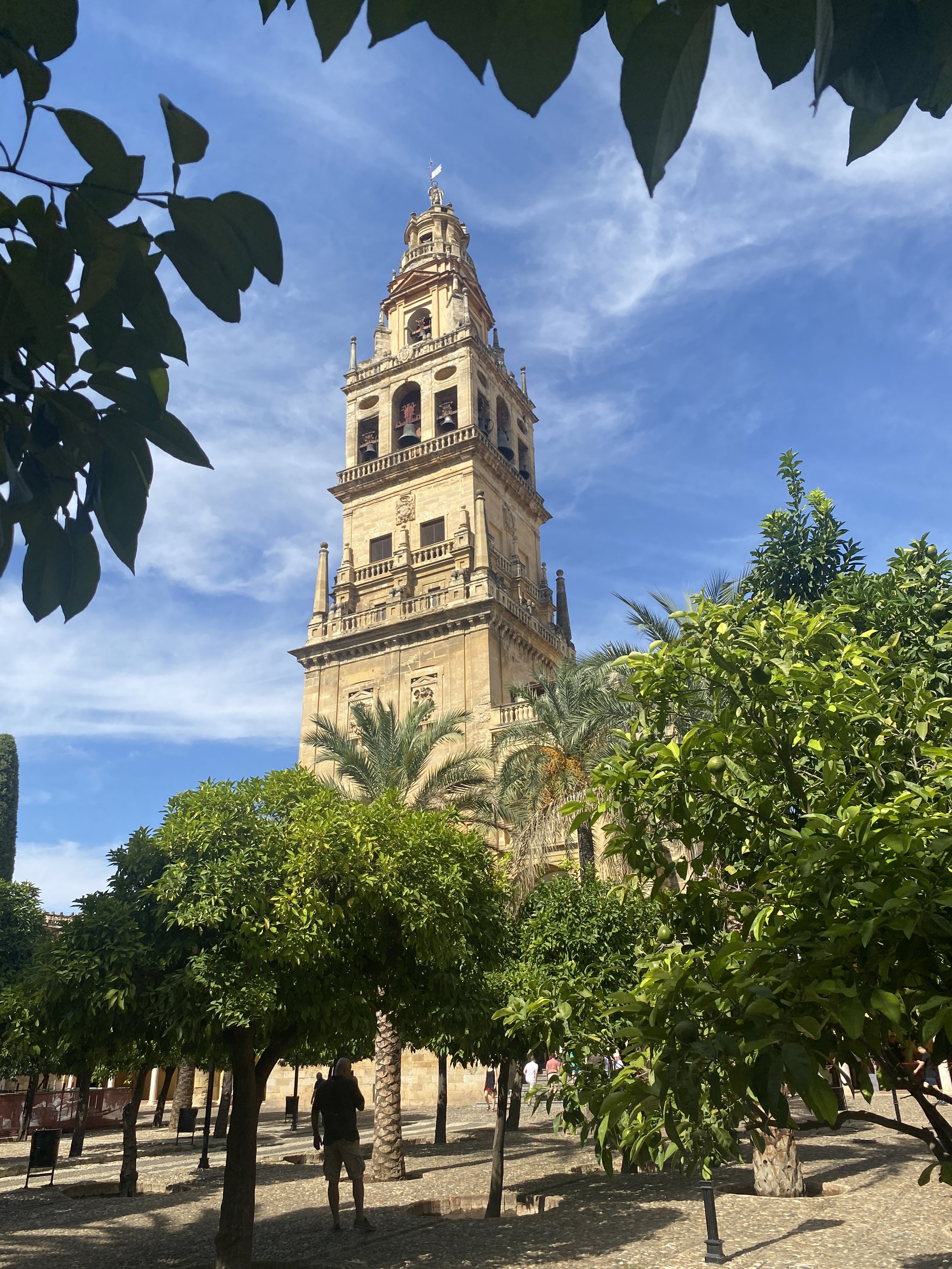
Torre Campanario de la Mezquita-Catedral de Córdoba and the greenery of the Patio de los Naranjos

The original minaret didn’t stand in the exact location of the bell tower, but it was close by and accessible from within the Patio de los Naranjos

A Brief History of the Minaret of the Great Mosque 

But first, let me take you back to the year 957, during the period of Muslim rule in southern Spain (or al-Andulus). Abd ar-Rahman III (891-961), the first caliph of the Umayyad Dynasty in Spain, had a new alminar — a minaret tower — built along the north wall of the mosque. This tower, where the muezzin calls the faithful to prayer, replaced the original one built by Hisham I (757-796) in the 8th century. Hisham’s tower had stood in the Patio de los Naranjos, the Courtyard of the Orange Trees, and was removed when the courtyard was expanded. 

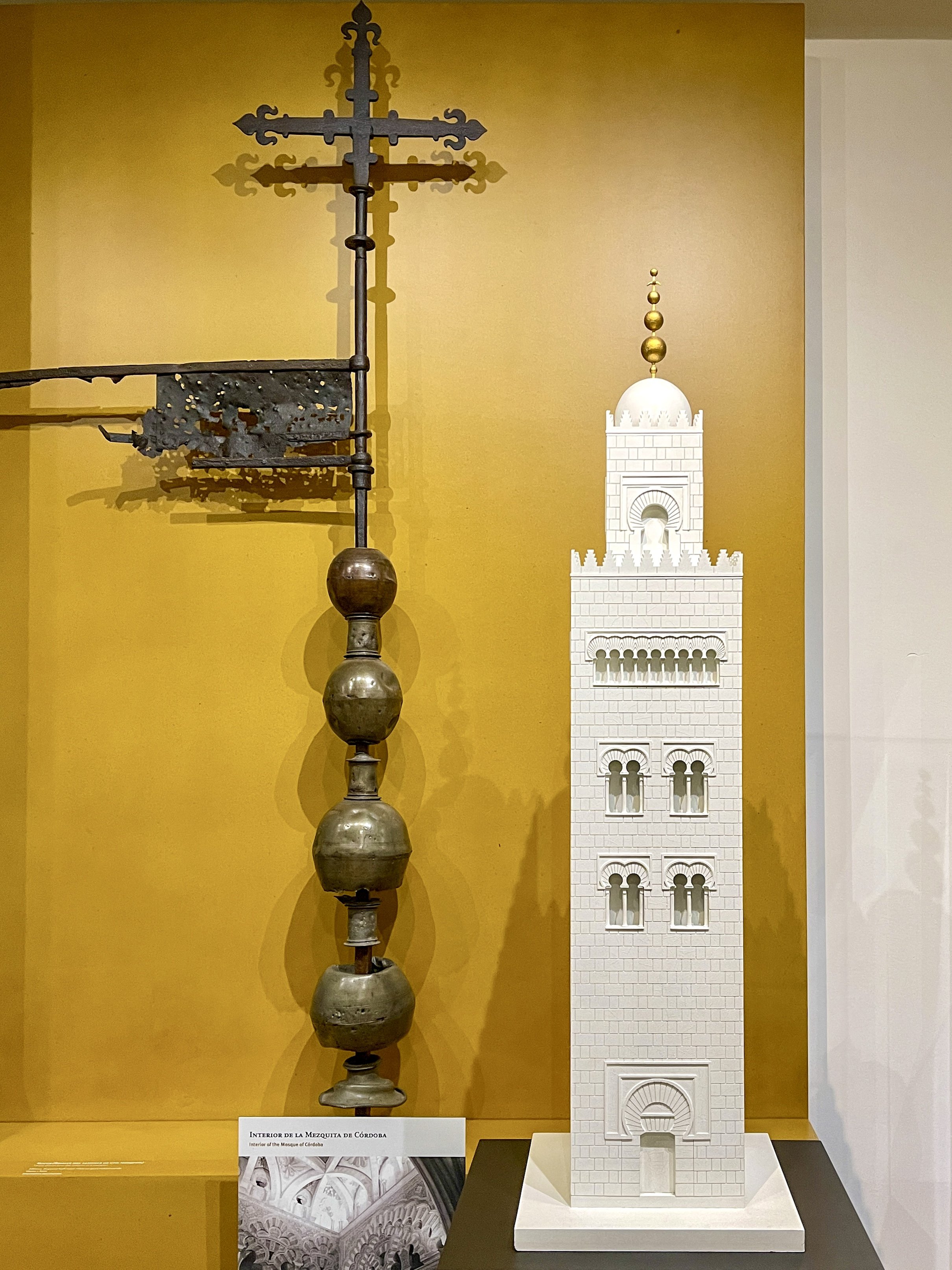
The architectural marvel likely resembled Sevilla’s La Giralda and had a rectangular shaft with a square base, an open-air platform, and a smaller secondary structure topped by an iridescent chevron-patterned bronze dome. At its summit, a yamur — an iron finial with metal spheres of decreasing size — was placed to protect the mosque from evil. 

Model of the minaret and the yamur of the Torre Campanario de la Mezquita in Córdoba

The original yamur and cross from the Reconquest are displayed alongside a scale model of the minaret built by Abd ar-Rahman III at the Museo Arqueológico de Córdoba. 

However, a century after Abd ar-Rahman III’s reign, the Umayyad Empire teetered on the verge of collapse amid the chaos of civil war. Ferdinand III of Castile and his armies seized this opportunity, taking Córdoba by force on June 29, 1236. This pivotal moment marked the fall of the Great Mosque, which was converted into the Catedral de Nuestra Señora de la Asunción, the Cathedral of Our Lady of the Assumption, dedicated to none other than the Virgin Mary. As a political declaration of victory, a Christian cross was placed atop the minaret’s yamur, a potent gesture marking the reconquest of the Catholic monarchy over its Islamic predecessors, with the alminar serving as the cathedral’s bell tower. 

Vista de Córdoba (View of Córdoba) by François Boussuet, painted in 1863, depicts the Guadalquivir River, the Roman Bridge and a view of the Mezquita-Catedral’s bell tower.

Monumental Changes: The Minaret Becomes The Bell Tower

The Mezquita remained mostly unchanged under the Castilian Christians until 1523, when Bishop Alonso de Manrique petitioned Charles V and obtained his approval to construct the massive Capilla Mayor and Coro Crucero — the main chapel’s cruciform nave and transept — a full-fledged cathedral placed rather unceremoniously at the center of the former mosque. 

An earthquake in 1589 left the bell tower unstable, leading to the decision to encase the structure. It was rebuilt and enlarged in the prevailing Renaissance style, under the direction of Hernán Ruiz III, the grandson of Hernán Ruiz the Elder, who had overseen the construction of the aforementioned Capilla Mayor. The lower half of the tower façade is marked by false windows, an architectural feature with horizontal lintel beams, bottom sills and indentations where a window might have gone. Additionally, it displays the various coats of arms belonging to the Cathedral Chapter, the patrons who financed the refurbishment. 

The fourth tier, or belfry, features a serilana — a window with three openings. This architectural element is distinguished by a central arched window flanked by a pair of rectangular ones and offers a glimpse of the 12 bells within. Above this are two oculi, small ovoid openings echoing the exterior façade of the Capilla Mayor. Construction halted multiple times as funds were redirected to complete the Capilla Mayor. Unfortunately, Ruiz didn’t live to see its completion, but I think he would’ve been pleased with the final outcome. 

Construction resumed in 1616 under the direction of architect Juan Sequero de Matilla. This phase included the addition of the smaller clock tower tier housing a pair of bells used to mark the passage of time. Its exterior is framed by pilaster columns topped by a triangular pediment, shields bearing the coat of arms of Bishop Diego de Mardones and arched windows in the middle of each side. 

Almost five decades later, Gaspar de la Peña was tasked with repairing the south and west façades of the bell tower. He added the circular cupola to the clock tower and a figure representing Córdoba’s patron saint, San Rafael, attributed to sculptors Pedro de Paz and Bernabé Gómez del Río, at the top. 

While the tower has undergone various restorations, the most comprehensive conservation effort to date commenced in 1991, when the building was closed, not reopening until 2014.

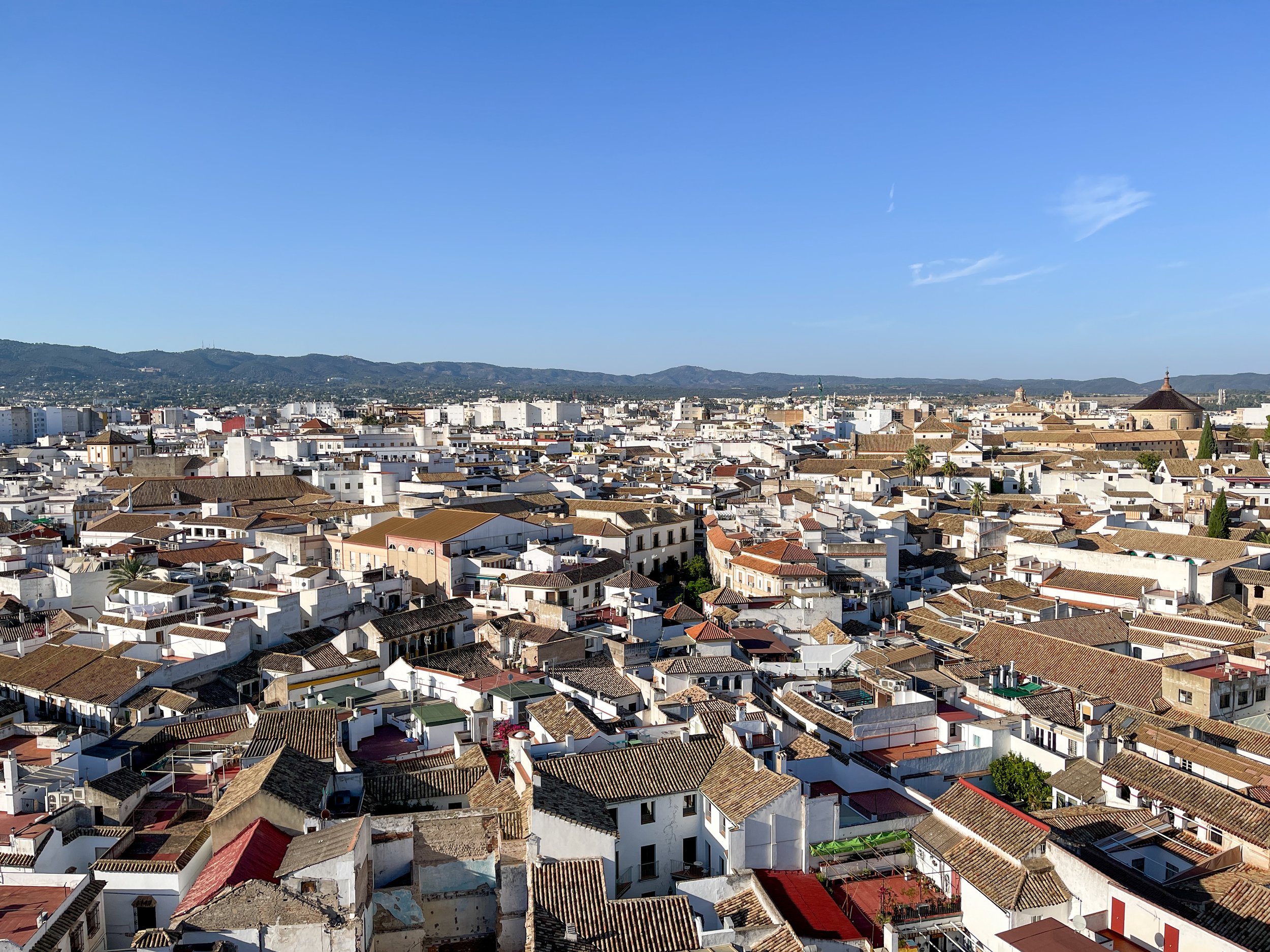
Arial view of the Casco Historico in Córdoba, Spain

Where else would you get the best view of this charming town than from its tallest building?

How to Visit and Climb to the Top 

Following our early morning visit to the Mosque-Cathedral, we made a beeline to the kiosks beside the bell tower to secure tickets to climb it later that day. Wally purchased tickets for the 6 p.m. time slot (each priced at 3€, or about $3 at the time), figuring this would allow us to experience the enchanting “golden hour,” that magical time just before sunset.

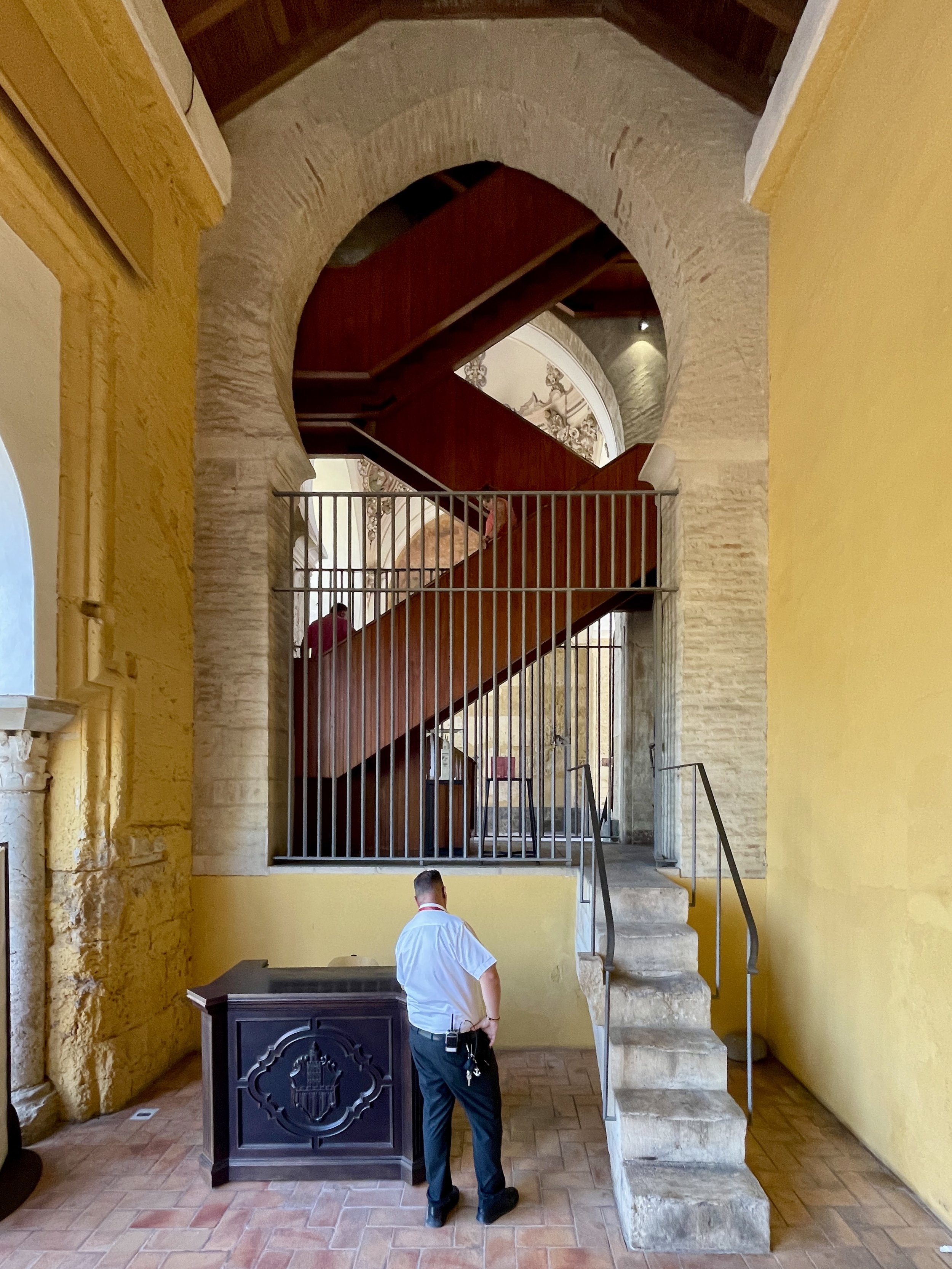
The stairs that visitors climb to see the top of the Torre Campanario in Córdoba

This is how you access the staircase of the bell tower. Groups of 20 go every half hour.

Tickets can also be bought online. Tours commence every half-hour, running daily from 9:30 a.m. to 6:30 p.m. Don’t assume you’ll be able to go right up the tower; tickets tend to sell out well before each time slot. Only 20 people are permitted to enter per group, and you must leave after the allotted 30 minutes. 

Keep in mind that tickets for the bell tower do not include entry to the Mosque-Cathedral, and vice versa.


RELATED: Learn more about Córdoba’s must-visit La Mezquita with its mesmerizing arches.

How many pictures can elicit gasps of astonishment like this one?

CLICK HERE


Before purchasing tickets, be aware of the following restrictions: Entry isn’t permitted for children under 7, those aged 7 to 14 must be accompanied by an adult, and elderly or individuals with health issues are advised against the climb. 

Aerial view of the Patio de los Naranjos, La Mezquita and the white buildings of Córdoba, Spain

You can gaze upon the Courtyard of the Orange Trees and the Mosque-Cathedral from one side of the bell tower and a view of the narrow streets of the Historic Quarter on the other. 

The View From Above

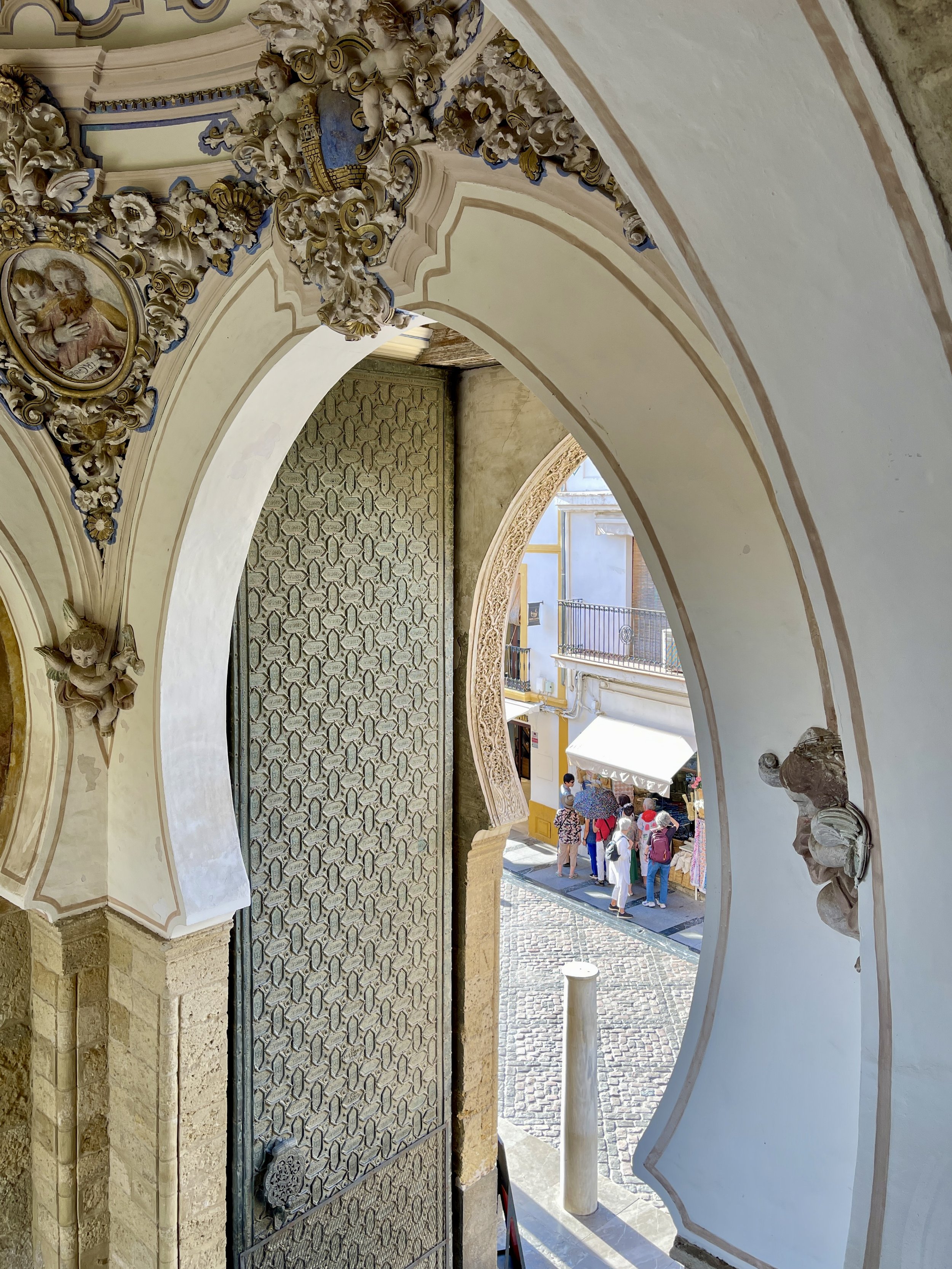
Upon our return to tour the tower, we accessed it via Calle Cardenal Herrero and passed through the Puerta del Perdón, also known as the Gate of Forgiveness. Allegedly, pilgrims passing through this special passage received forgiveness for all their sins. The opulent Baroque-style vaulted ceiling is adorned with intricate plasterwork that includes cherubs, episcopal heraldry, tondos (circular reliefs with the images of the four Evangelists), and garlands of blue and gold flowers.

Peeking onto the street through an ornately decorated opening in the Puerta del Perdón

Crafted from pine and adorned with gorgeous geometrically patterned bronze plaques, the towering doors of the Gate of Forgiveness bear commemorative inscriptions as well as an elaborate door knocker. 

There’s no elevator, and the ascent is 191 steps. It was manageable, though, for a couple of middle-aged guys in decent shape. Besides, you can pause at various levels on your way up if you’d like. 

At one such place, we stopped to look down at a shimmering metal dome, before realizing it was the top of the old minaret! 

The iridescent chevron-patterened original alminar of the minaret that became the Mezquita-Cathedral's bell tower

The minaret’s original cupola, adorned by a Christian cross, can be seen as you climb the bell tower.

The magnificent views of town and the Patio de los Naranjos definitely make the tower worth adding to your itinerary. Stop to gaze out on each side, gaining a different but equally impressive vista from every direction.

Aerial view of the rows of pointed peaks that form the rooftop of the Mezquita Cathedral in Córdoba

Who’d have thought that this what the rooftop of the cathedral looks like?!

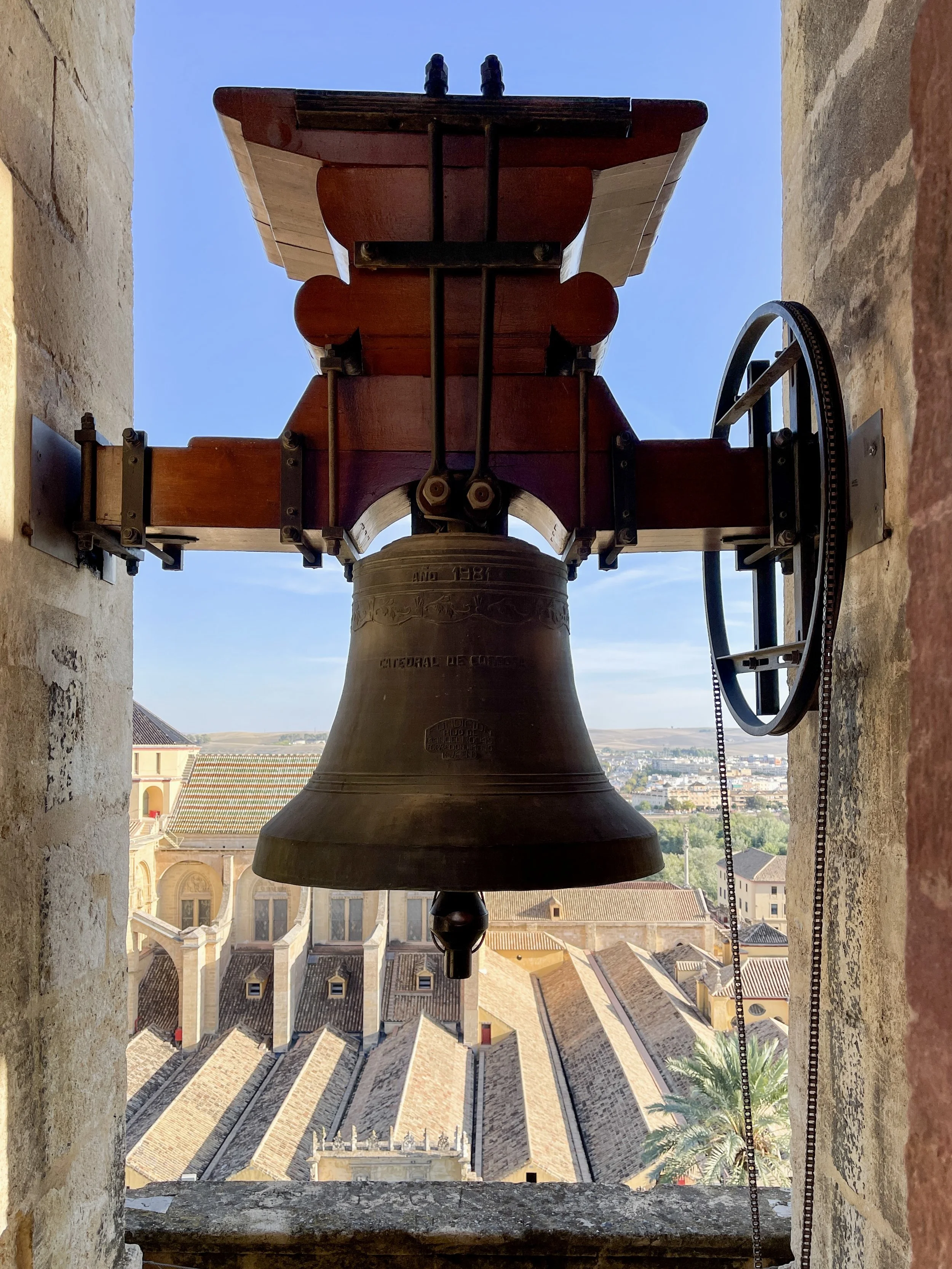
Wally preferred the fourth tier, where you can marvel at the machinations of the bell chamber. Each bell has a different tone and name — La Esquila, La Asunción and San Zolio, to list a few. Some are marked with their year of manufacture and some bear the insignia of the bishop who commissioned their casting. 

Bell with aerial view of Córdoba, Spain beyond atop the Torre Campanario de la Mezquita-Catedral de Córdoba

Each of the bells is said to have its own nickname.

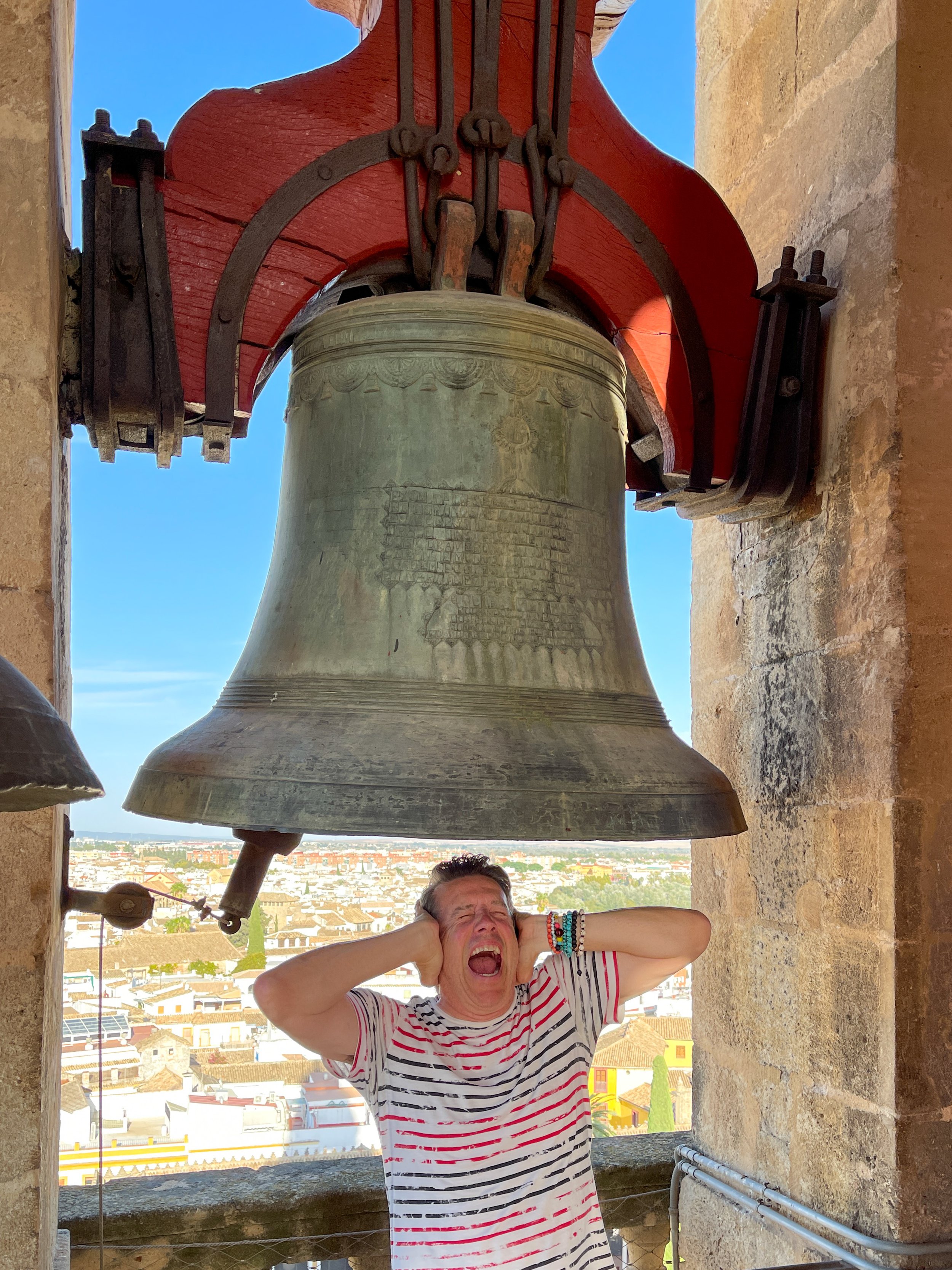
Man in striped T-shirt puts hands over ears and screams as he stands under a giant bell atop the Torre Campanario de la Mezquita-Catedral de Córdoba

Don’t worry. Wally was just pretending the bells were ringing. 

While gazing out at the city, we couldn’t help but notice a sweet aroma of caramelized sugar wafting up from the street below. After we had climbed back down, we walked along the street to investigate — and determined that it had originated from Sabor de España, a confectionery shop. It specializes in treats, prominently featuring glossy cherry-red candied apples in their street-side window, along with caramelized nuts and turrón nougat.

Verdict: Make time to visit the bell tower. The panoramic views of the city are worth experiencing and for us, it was the perfect way to wrap up our day of sightseeing in this wondrous city. –Duke
 

Museo de Bellas Artes de Córdoba: Local Artists Through the Ages

Looking for things to do in Córdoba, Spain? Take a detour at the Cordoba Museum of Fine Arts and explore the city’s historic and artistic legacy.

Les Tres Edades de la Mujer (The Three Ages of Woman), three statues of females by Mateo Inurria from 1923

The Cordoba Fine Arts Musuem is unassuming but provides an educational diversion for an hour or so. One gallery is dedicated to the works of sculptor Mateo Inurria and his works, including Les Tres Edades de la Mujer (The Three Ages of Woman) from 1923.

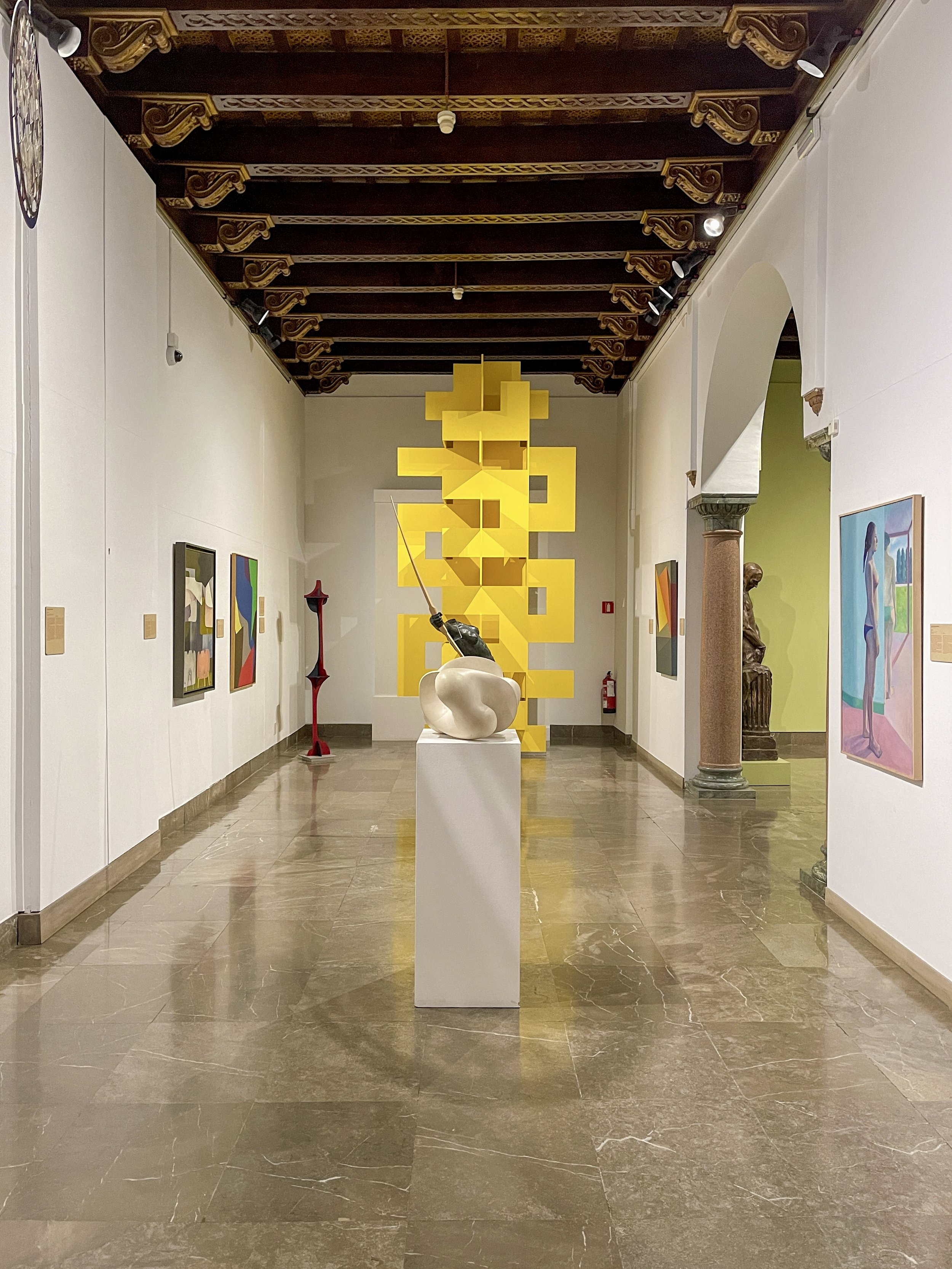
While looking for things for Wally and me to do beyond the remarkable Mosque-Cathedral of Córdoba, I stumbled upon an image of a room featuring a vibrant yellow totemic sculpture. The picture, which intrigued me, was from the Turismo de Córdoba website and was one of the galleries inside the Museo de Bellas Artes de Córdoba (Cordoba Fine Arts Museum). 

A fountain with a horse on top in a stone square  in front of a white building in Cordoba, Spain

Colt Fountain in Plaza del Potro is an homage to the livestock that was once sold here.

Plaza del Potro: Where Livestock (and Sex) were Sold

The modest museum is tucked into a courtyard off the Plaza del Potro (Colt Square) and a short walk from where we were staying at Los Patios del Pañuelo. While commonly called a square, the plaza has evolved over time and is now a rectangle that stretches down to the Guadalquivir River. It contains two monuments: a fountain crowned with a sculpture of a rearing colt (hence the “potro” in its name), balanced atop a pineapple-shaped vase, and a statue of the archangel San Rafael, the city’s patron saint. 

Fun fact: Once a bustling hub for livestock traders, artisans and travelers, the square included the Posada de Potro (Colt Inn), a medieval brothel that was frequented by celebrated Spanish novelist Miguel de Cervantes. The author mentions the inn in his novel Don Quixote, referring to it as a “den of thieves.”

Sadly, the inn (a nicer way of saying whorehouse?), has since closed. Today, the storied property is home to the Centro Flamenco Fosforito, a small museum dedicated to renowned singer, Antonio Fernández Díaz, aka Fosforito, and the art of flamenco. 

To reach the museum, Wally and I went through a passage on the exterior of the former Franciscan Hospital de la Caridad (Charity Hospital), where the words “Museo Provincial de Bellas Artes” are carved in stone above the doorway. Once inside, we found a peaceful courtyard with a fountain surrounded by orange trees and a pair of busts. One pays homage to the museum’s first director, painter Rafael Romero Barros, while the other honors novelist, diplomat and politician Juan Valera. 

Plaza del Potro, with its horse-topped fountain and cream-colored brick building leading into the Cordoba Fine Arts Museum

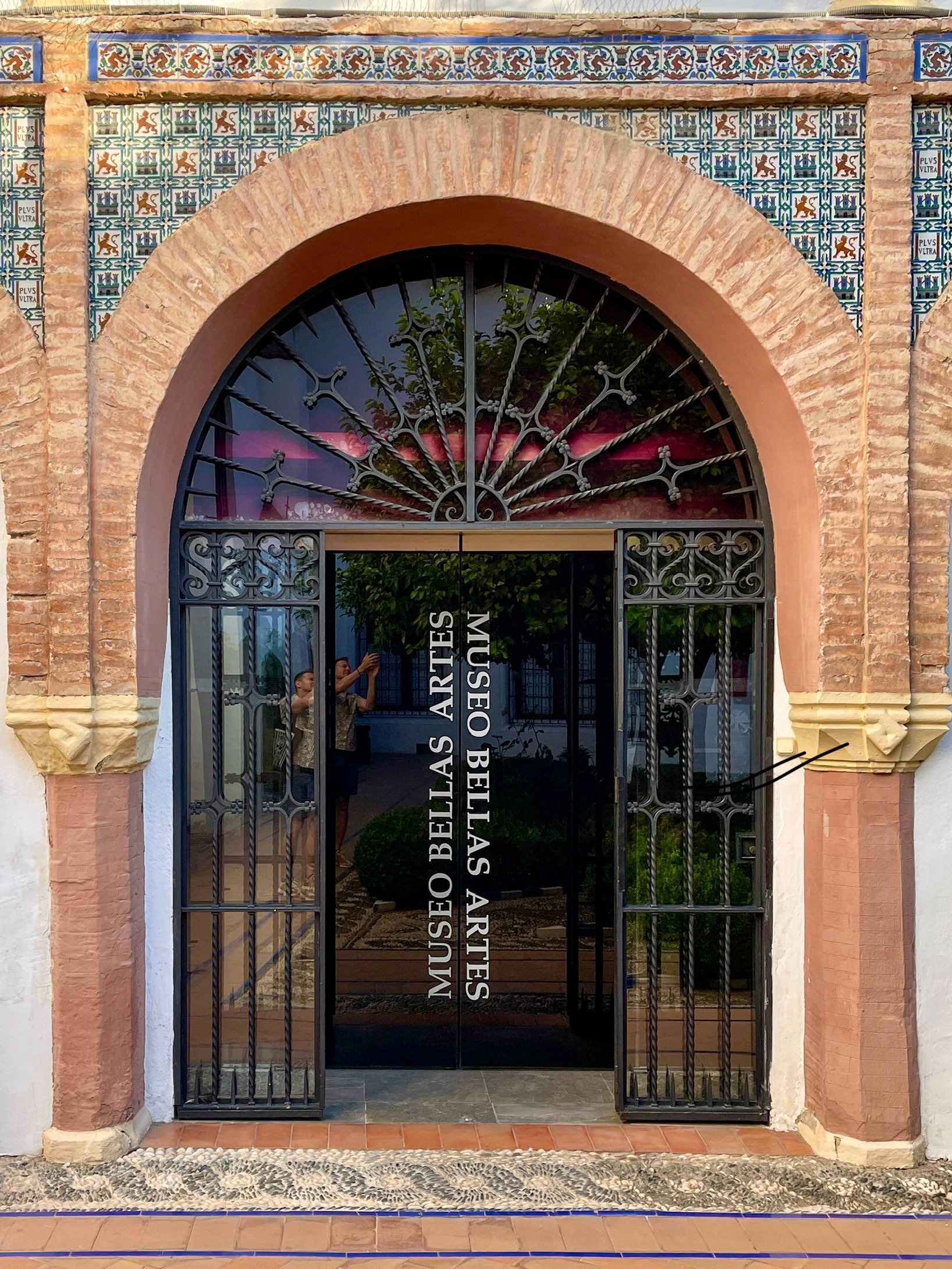
You enter the museum courtyard through the arched doorway seen here, underneath the fancy writing.

Black and white stonework paths with various designs with fountain and orange trees in the courtyard of the Cordoba Fine Arts Museum

Andalusia is filled with charming courtyards, and this one doesn’t disappoint, with its beautiful stonework paths.

The museum’s collections span centuries and encompass paintings, drawings, sculptures and engravings by Cordoban artists from the 16th to the 21st century. 

After purchasing our entrance tickets, we noticed the bronze head of Gonzalo Fernández, the “Gran Capitán,” attributed to sculptor Mateo Inurria. 

Fernández earned his nickname “the Great Captain” by leading successful campaigns during the Conquest of Granada and the Italian Wars while serving the Catholic Monarchs, Ferdinand and Isabella.

Cabeza de Gonzalo Fernández de Córdoba para el Monumento al Gran Capitán (Head of Gonzalo Fernández of Córdoba for the Monument to the Great Captain) by Mateo Inurria, 1915

Cabeza de Gonzalo Fernández de Córdoba para el Monumento al Gran Capitán (Head of Gonzalo Fernández of Córdoba for the Monument to the Great Captain) by Mateo Inurria, 1915

Plaza de las Tendillas in Cordoba, Spain, with gorgeous colonial buildings and a statues of man atop horse over a fountain

Notice how the head of this statue is marble while the rest of it is bronze? The original metal head can be found in the Fine Arts Museum, though we’re not sure what prompted this odd decision.

Fun fact: This is the original head of an equestrian monument in la Plaza de las Tendillas, the town’s main square. For some reason, it was replaced by a head sculpted from white marble, in contrast to the rest of the figure.

The Baroque room in the Cordoba Fine Arts Museum

You can start your exploration of the museum by turning left into the room covering the Baroque period and seeing religious art reappropriated by the government.

The Baroque in Córdoba 

We began our tour of the museum in Room IV, which held a number of impressive ecclesiastical works made at the height of Baroque painting in Córdoba. During this period, artists like Antonio del Castillo y Saavedra embraced naturalistic realism, employing chiaroscuro—the use of light and dark to emphasize the emotional narrative in their works. 

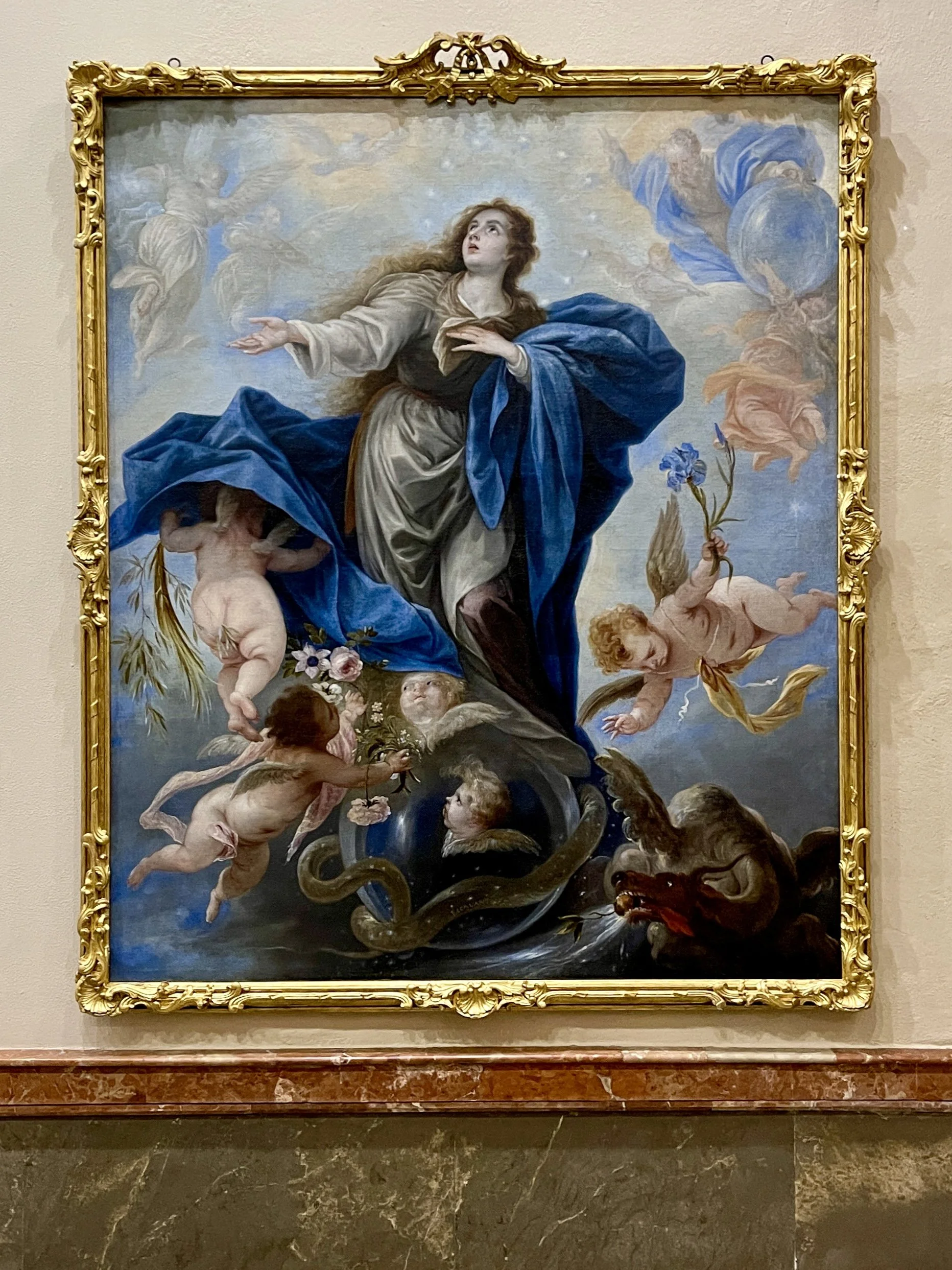
Inmaculada Concepción (Immaculate Conception) by Juan Antonio de Frías y Escalante, 1667

Inmaculada Concepción (Immaculate Conception) by Juan Antonio de Frías y Escalante, 1667

El Sacrificio de Isaac (The Sacrifice of Isaac) by Antonio del Castillo y Saavedra, circa 1650

El Sacrificio de Isaac (The Sacrifice of Isaac) by Antonio del Castillo y Saavedra, circa 1650

The majority of these artworks were acquired from convents during La Desamortización, a period from 1835 to 1868, when the Spanish government seized monastic properties belonging to the Catholic Church, turning them into “national assets,” which were then sold at public auction to the highest bidder.  

One of the most coveted artistic projects after 1600 was the creation of 24 paintings for the altars of the cloister at the Franciscan Convent of San Pedro el Real by Antonio del Castillo. These canvases depict episodes from the life of Saint Francis de Assisi. In the museum’s painting, the scene depicts an angel holding the newborn saint above a baptismal font. 

Bautismo de San Francisco de Asis (Baptism of Saint Francis of Assisi) by Antonio del Castillo y Saavedra, circa 1664

Bautismo de San Francisco de Asis (Baptism of Saint Francis of Assisi) by Antonio del Castillo y Saavedra, circa 1664

Fun fact: The oil painting is signed “Non fecit Alfar” (Alfaro didn’t do it). This signifies that Castillo won the commission over his competitor, Juan de Alfaro y Gámez. How delightfully petty!

Bendición Sánchez by Julio Romero de Torres, 1904

Bendición Sánchez by Julio Romero de Torres, 1904

The 18th and 19th Centuries in Córdoba 

The next gallery we visited contained works from the 18th and 19th centuries, predominantly featuring local landscapes, portraits and still lifes by the museum’s founder, Barros. 

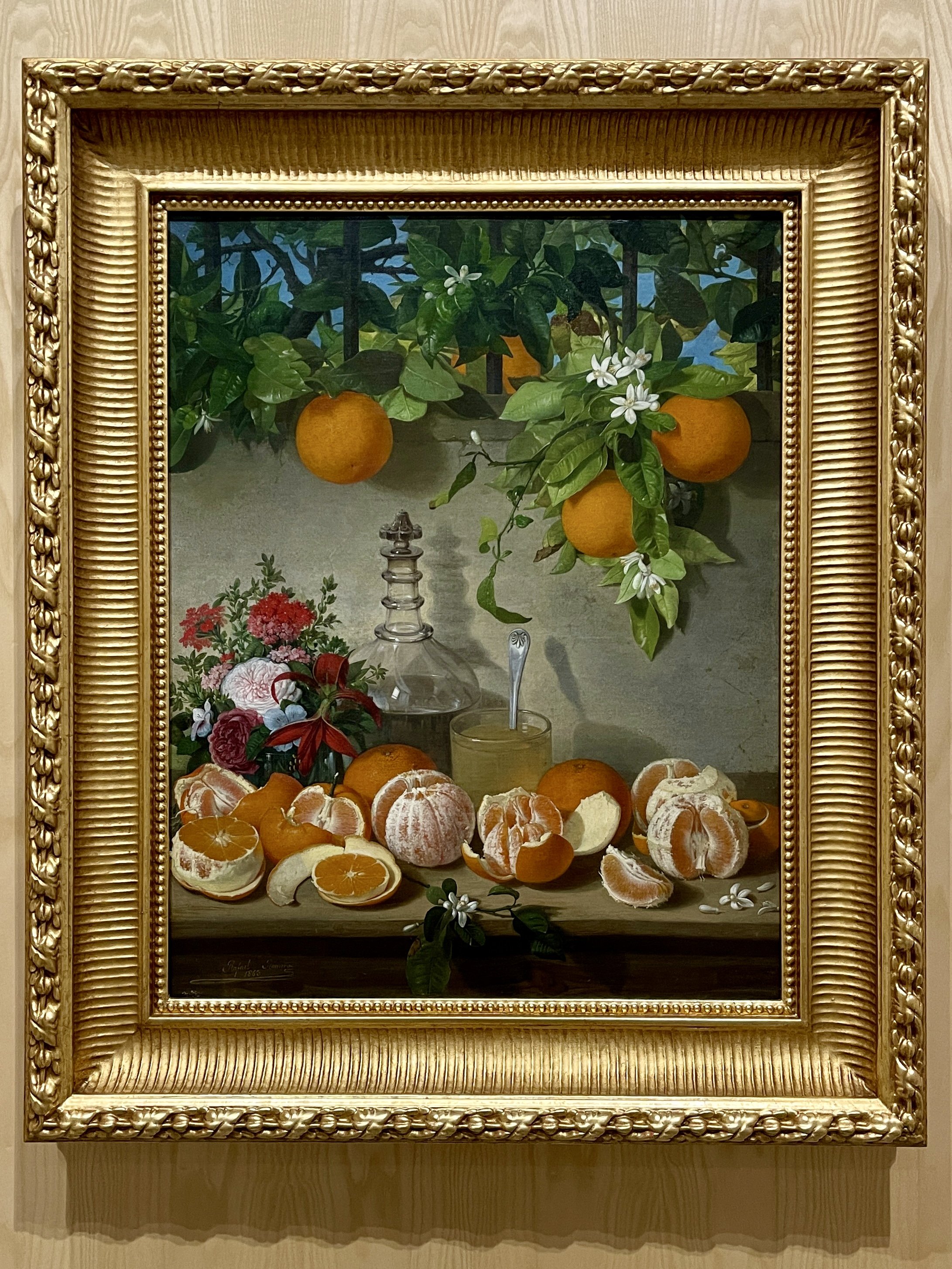
Bodegón de Naranjas (Still Life With Oranges) by Rafael Romero Barros, 1863

Bodegón de Naranjas (Still Life With Oranges) by Rafael Romero Barros, 1863

The Baroque style eventually yielded to Rococo, and around 1775, in the wake of the Lisbon earthquake, it shifted once more, leading to a wave of local artists embracing Romanticism. Around this time, the Escuela Provincial de Bellas Artes was established, and within its walls, Barros emerged as a prominent figure. 

Barros assumed a dual role as both director and mentor to a group of art students, including Tomás Muñoz Lucena, Rafael Hidalgo de Caviedes and Inurria. Among them were his sons, Enrique, Rafael and Julio Romero de Torres.

Un Recuerdo de África, Novia Sefardí (A Memory of Africa, Sephardic Bride) by Rafael Romero Barros, 1878

Un Recuerdo de África, Novia Sefardí (A Memory of Africa, Sephardic Bride) by Rafael Romero Barros, 1878

Columbus Leaving the Mosque by Rafael Romero Barros, 1886

Columbus Leaving the Mosque by Rafael Romero Barros, 1886

The painting Columbus Leaving the Mosque by Rafael Romero Barros was inspired by a poem by the Duke of Rivas titled “Romance of a Great Man.” It depicts Columbus leaving the Mosque-Cathedral after prayer and encountering his future mistress, Beatriz Enríquez de Arana, for the first time. According to legend, she brought Columbus to her home to protect him from mocking children who regarded him as a madman for seeking royal backing for his voyage to the New World.

One of the modern rooms, with large yellow block sculpture, at the Cordoba Fine Arts Museum

We were pleasantly surprised to discover there was quite a large collection of modern art as well.

Art in the Modern Era: 20th Century and Beyond

Throughout the 20th century, local artists changed their styles to suit prevailing tastes, shifting from Realism to Modernism to Regionalism. They drew inspiration from contemporary artists like Rafael Botí, Pedro Bueno and Ángel López, who delved into Impressionism and Fauvism. In contrast, individuals like Antonio Rodríguez Luna and Alfonso Ariza embraced avant-garde movements such as Cubism, Abstraction and Expressionism.

Sin Título (Untitled) by José Duarte Montilla, 1981

Sin Título (Untitled) by José Duarte Montilla, 1981

El Cante (Flamenco Song) by Julia Hidalgo Quejo, 2005

El Cante (Flamenco Song) by Julia Hidalgo Quejo, 2005

La Fuente del Patio del Museo (The Fountain in the Museum Courtyard) by Rafael Botí Gaitán, 1990

La Fuente del Patio del Museo (The Fountain in the Museum Courtyard) by Rafael Botí Gaitán, 1990

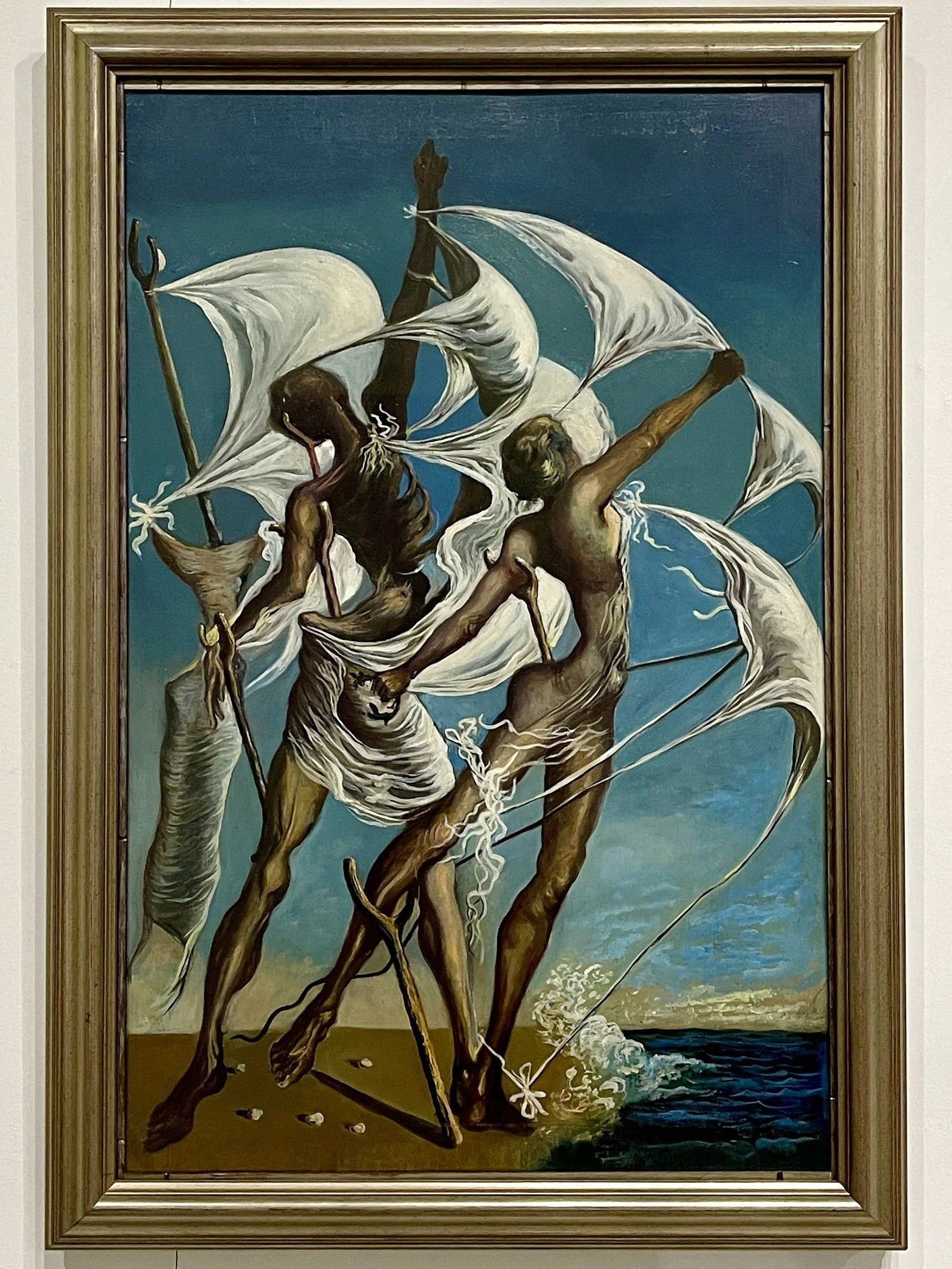
Mujeres Vela (Sail Women) by Antonio Rodríguez Luna, 1945

Mujeres Vela (Sail Women) by Antonio Rodríguez Luna, 1945

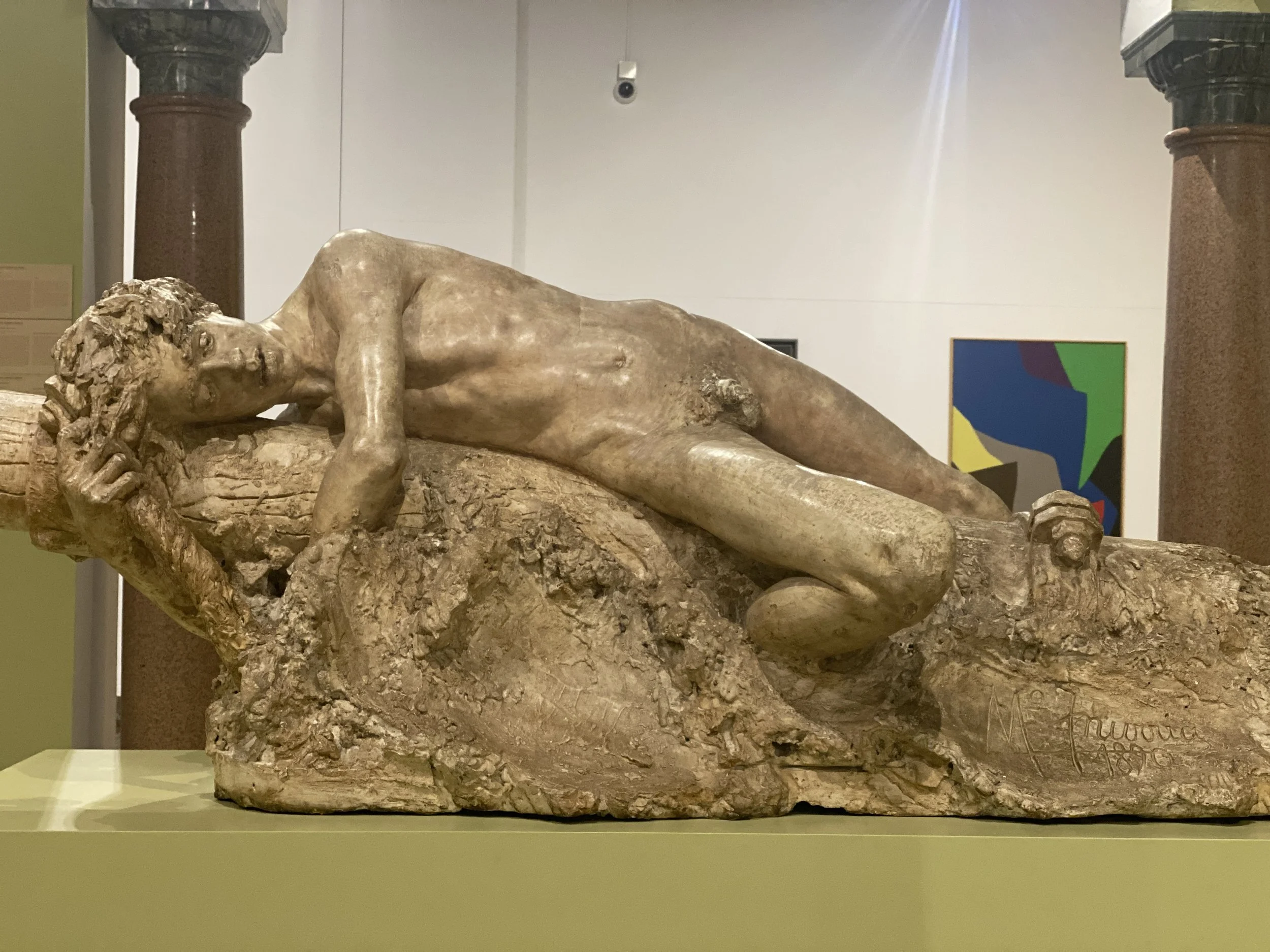
A key figure among this group of artists was the sculptor Inurria. The museum has a room dedicated to his works.

Un Náufrago (A Castaway) by Mateo Inurria, 1890

Un Náufrago (A Castaway) by Mateo Inurria, 1890

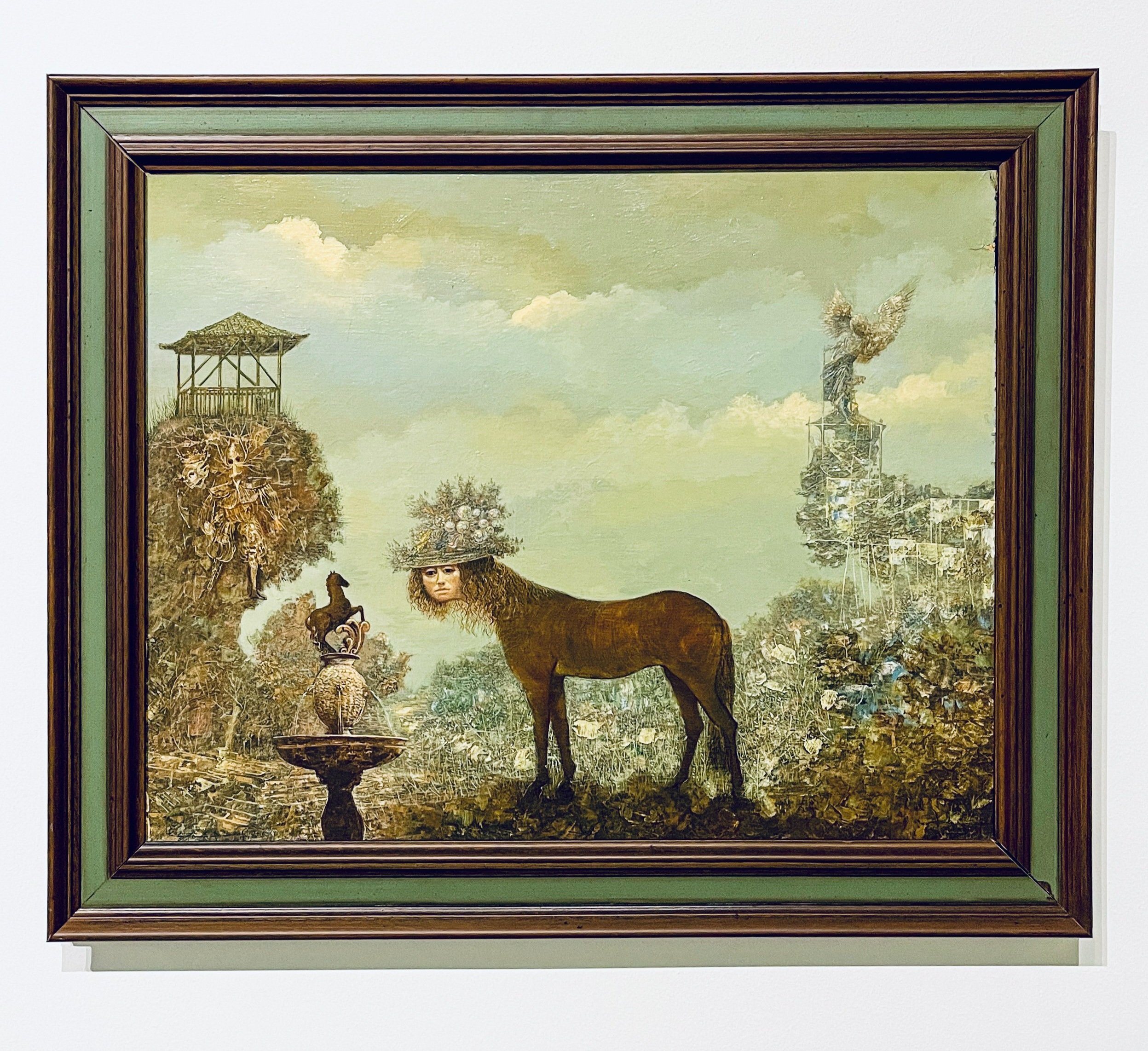
While exploring the gallery, I was captivated by a peculiar painting by Ginés Liébana. His dreamlike piece Buenas Mujeres para ser Caballos (Good Women to Be Horses) was painted in 1979. Liébana creates a surreal scene by combining elements: a woman’s head adorned with a flower-covered hat on a horse’s body. He integrates local landmarks, such as the rearing colt of the Plaza del Potro and the figure of the Archangel Rafael, into this otherworldly landscape.

Buenas Mujeres para ser Caballos (Good Women to be Horses) by Ginés Liébana, 1979

Buenas Mujeres para ser Caballos (Good Women to be Horses) by Ginés Liébana, 1979

Fun fact: Liébana contributed his distinctive style to Cántico, an avant-garde artistic magazine led by poet Ricardo Molina. The publication used poetry and illustration to challenge the status quo during the Franco dictatorship. 

Faded religious frescos on the walls of the staircase of the Cordoba Fine Arts Museum

Faded religious frescos and graffiti scribbled by hospital patients line the staircase.

Stairway to Heaven: Frescoes and Graffiti

The staircase leading to the upper floor includes graffiti that most likely was the work of hospital patients. One of these is a labyrinth with seven concentric circles surrounding a central point—visible beneath a monochromatic mural of Saint Jerome. 

On the rear wall, a religious scene depicts Christ on the Cross between the Virgin and Saint John the Evangelist. Flanking this central image is Saint Jerome, clutching a stone for beating his breast in penitence, and Saint Francis of Assisi in prayer. 

El Retablo de la Flagelación (Altarpiece of the Flagellation of Christ), circa 1500

El Retablo de la Flagelación (Altarpiece of the Flagellation of Christ), circa 1500

Gothic and Renaissance Art in Córdoba 

The Gothic movement gained popularity in Córdoba in the late 14th century. However, it wasn’t until the 15th century that painters’ guilds flourished, distinguishing Córdoba from other Andalusian cities, such as Sevilla and Granada.

This environment was conducive to establishing major workshops by artists, including Alonso Martínez, Pedro de Córdoba, Jorge and Alejo Fernández, and Baltasar del Águila. Under the reigns of Charles V and Phillip II, local art underwent a transformation, departing from Gothic influences and embracing new expressions of Renaissance humanism. This worldview focused on the nature and importance of humanity that originated from the study of classical antiquity.

Here you can see an altarpiece from the chapel of a hospital founded in the 14th century by alderman Antón Cabrera and his wife, Beatriz de Heredia. The facility closed down in 1837. 

El Retablo de la Flagelación (Altarpiece of the Flagellation of Christ) is a superb example of the Córdoba school’s work and showcases the unknown artist’s adept use of Renaissance techniques. The composition of the figures reflects the Northern European style, popularized through engravings, and the panel as a whole draws inspiration from a similar painting produced by the German artist Martin Schongauer around 1480. 

Its side panels depict Saint John the Evangelist and Saint Anthony of Padua on the right, and Saint Anthony Abbot and Saint Francis of Assisi on the left, each with their distinctive iconography.

Fun fact: The artwork was initially misattributed to Alonso de Aguilar due to the mistranslation of a document accompanying the piece when it was acquired by the museum in 1866. 

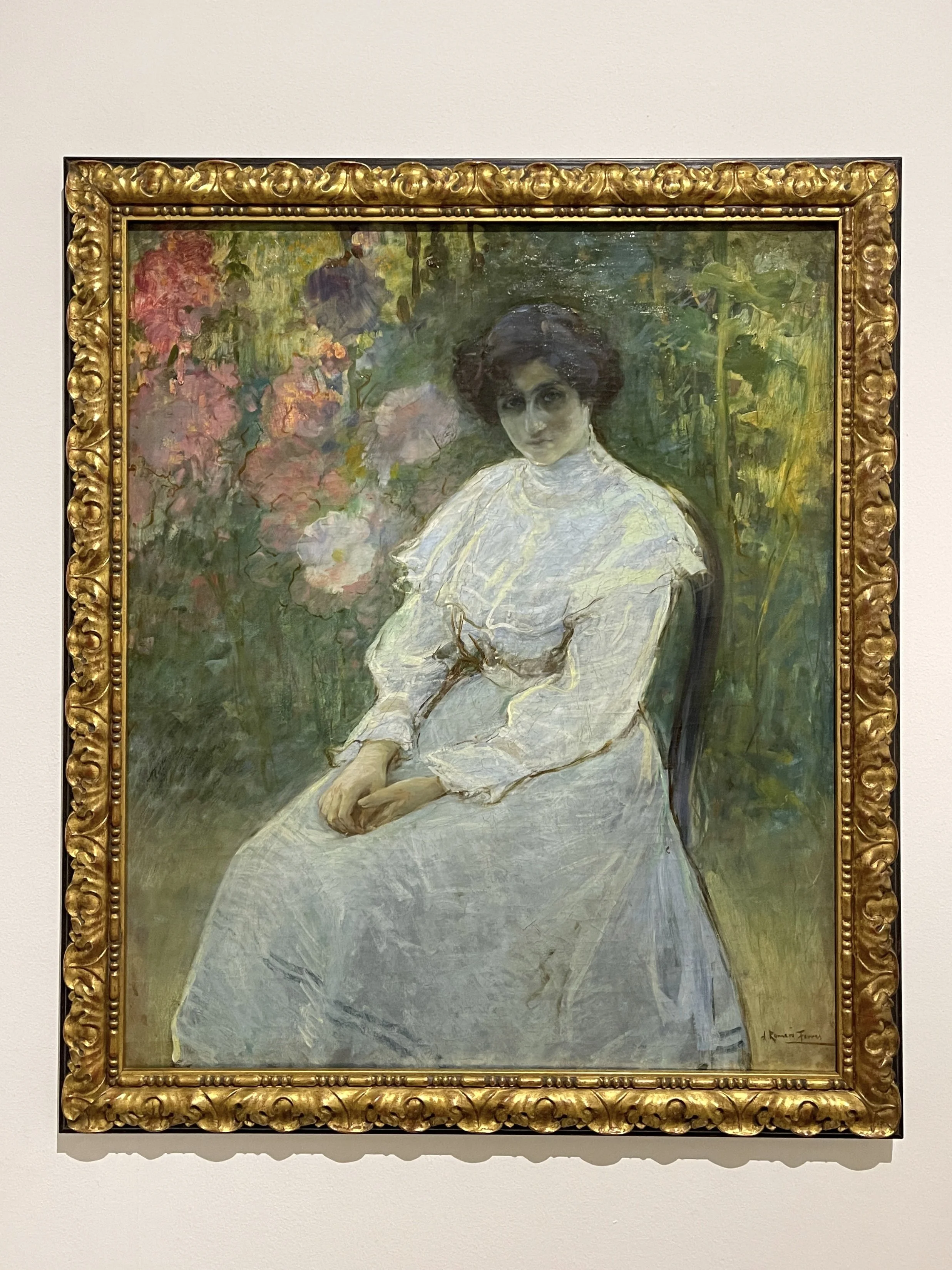
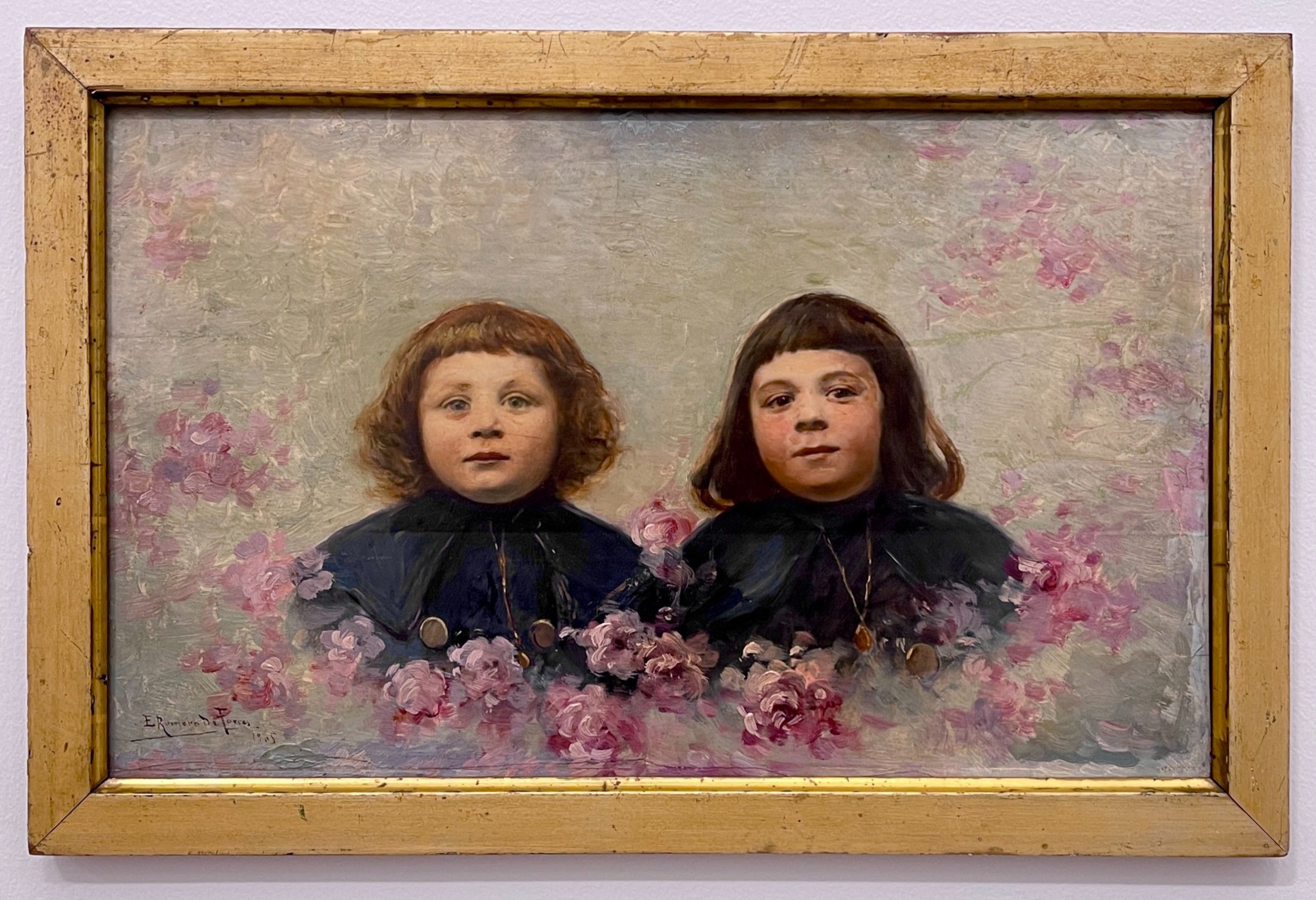
Retrato de Joaquín y Rafael Mir de las Heras Niños (Portrait of Joaquin and Rafael Mir de las Heras Children) by Enrique Romero de Torres, 1905

Retrato de Joaquín y Rafael Mir de las Heras Niños (Portrait of Joaquin and Rafael Mir de las Heras Children) by Enrique Romero de Torres, 1905

A Life Fit for a Museum

The final gallery featured the exhibition Museum Worthy Life, dedicated to painter Enrique Romero de Torres (yes, the entire family had serious skills). After his father, Rafael, passed away in 1896, Enrique stepped up to run the museum as the director and curator. His responsibilities for the next 30 years kept him from dedicating himself entirely to painting. But under his direction, the renovations and expansions of the museum were carried out, with him paying for part of the works and donating, along with his brothers, paintings by his father. 

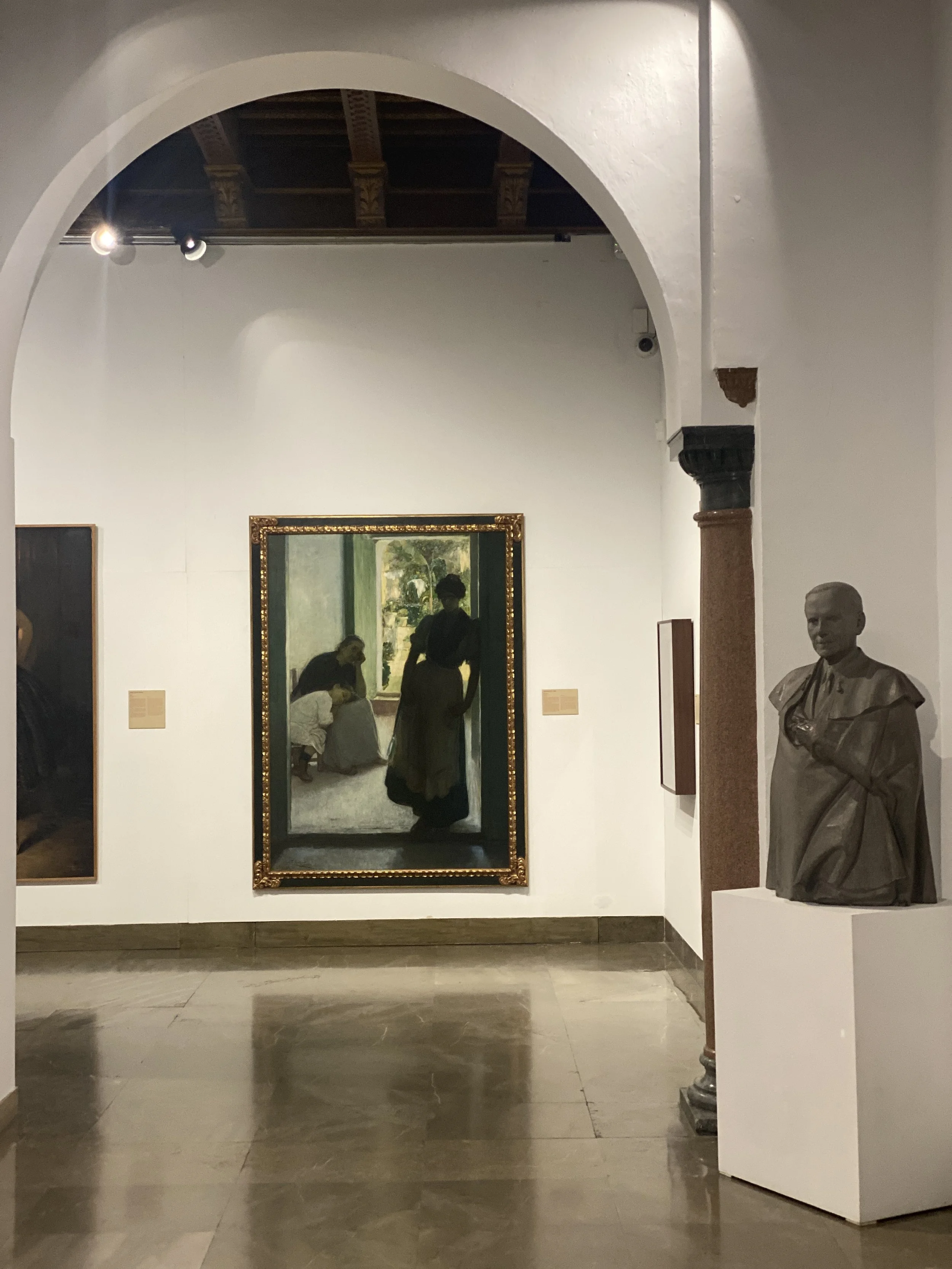
Arched gallery with paintings and bust at the Museo de Bellas Artes de Córdoba

Take a quick lesson in local art history at the Museo de Bellas Artes de Córdoba, from Baroque to modern.

Listen, there are a lot of things you’ve gotta do in Córdoba, including La Mezquita, the Alcázar and the Palacio de Viana (not to mention taking a picture of the Roman Bridge). But if you have some free time, I recommend visiting this museum. Admission is only 1.50 euros (about $1.60) and is free to EU passport holders. The curation of each gallery is well thought out, ensuring an easy and enjoyable experience. Plus it’s a cool experience that will expose you to the artistic talents of Córdoba. –Duke
Arched doorway with tiles and intricate ironwork at the Museo de Bellas Artes de Córdoba

Museo de Bellas Artes de Córdoba 

Plaza del Potro, 1
Centro, 14002
Córdoba
Spain


The Mezquita: Córdoba’s Mesmerizing Mosque-Cathedral Hybrid

The Great Mosque of Córdoba, a UNESCO World Heritage site in Andalusia, endures as a monument to Spain’s cross-cultural harmony. 

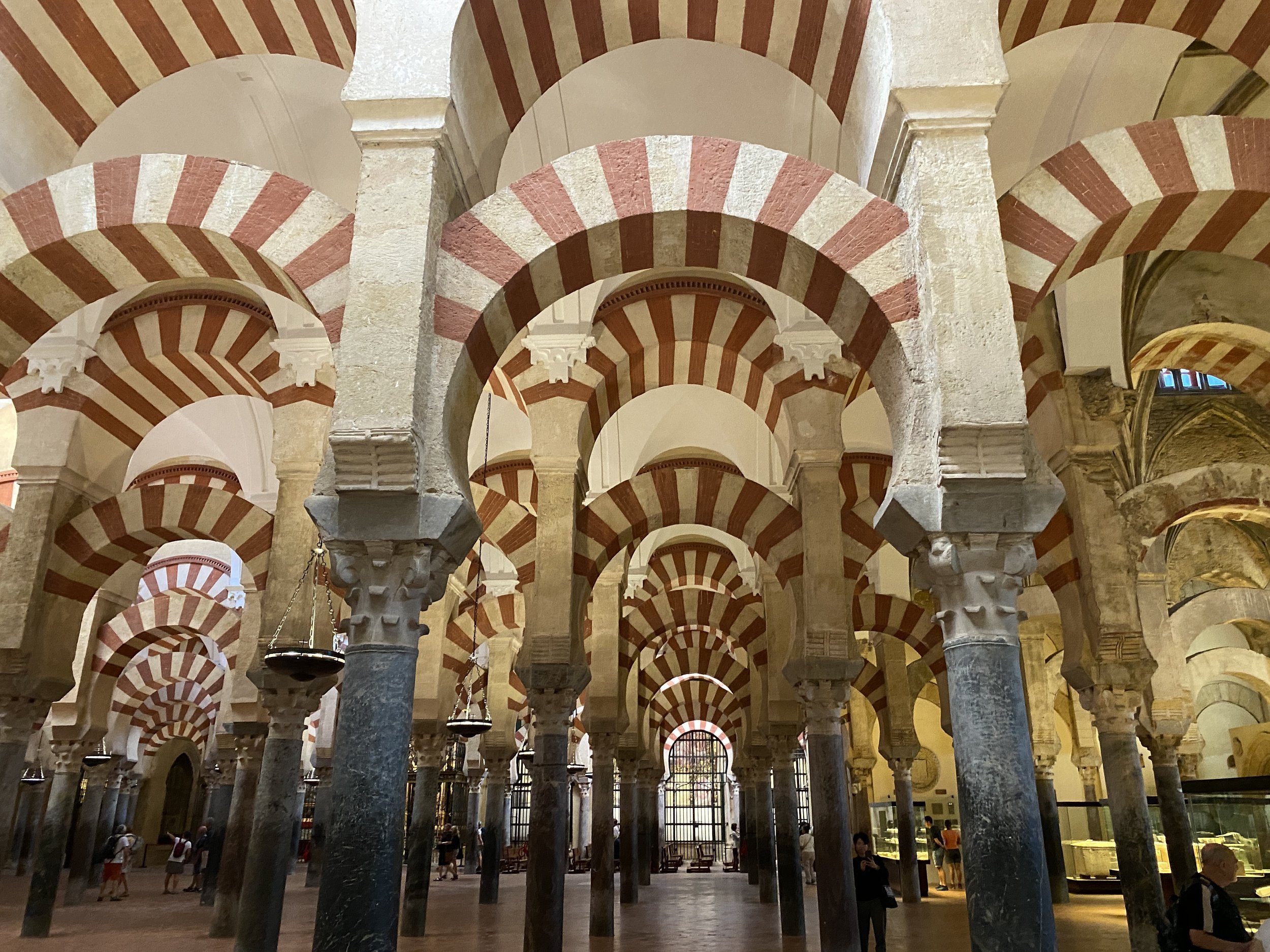
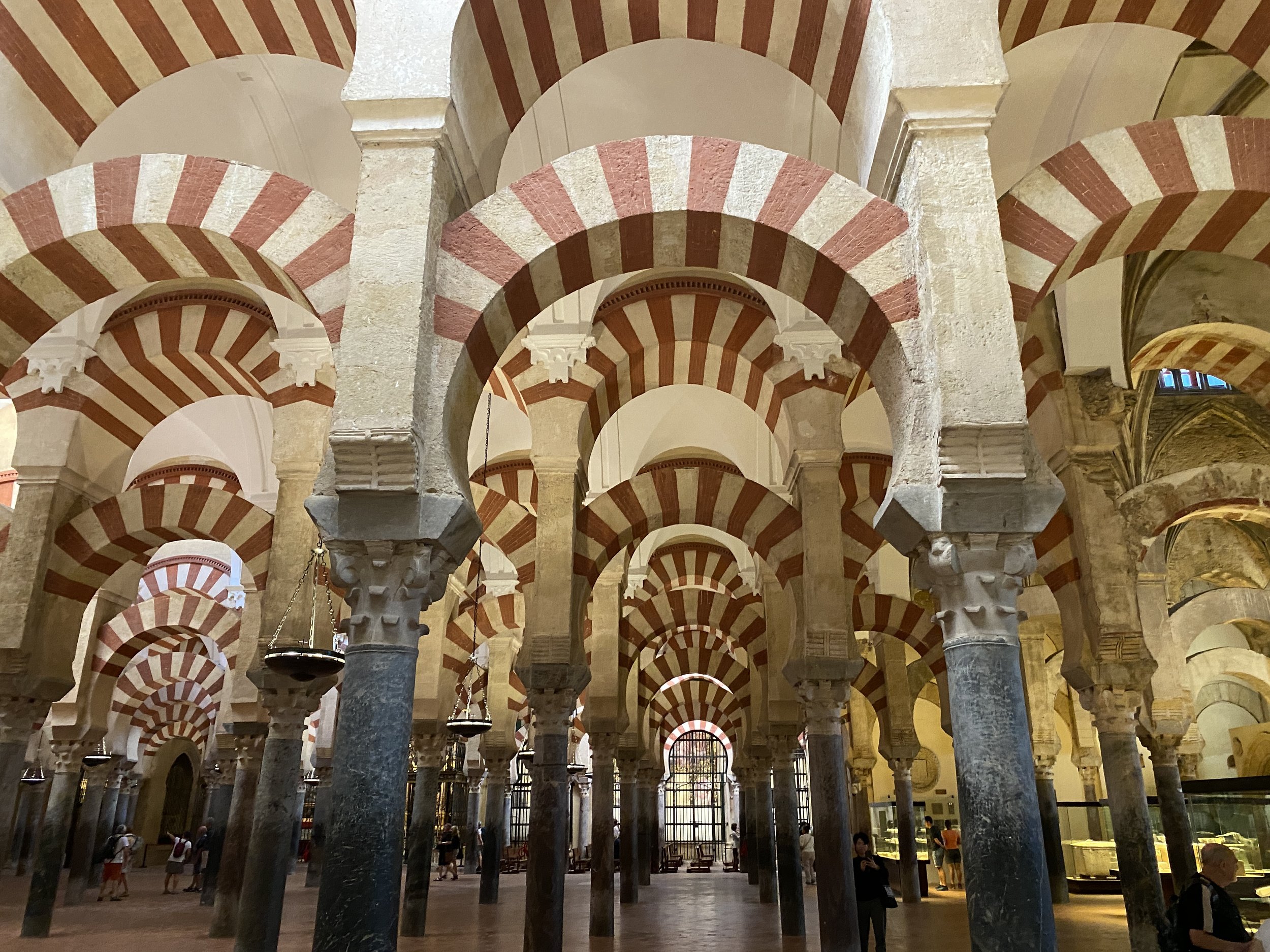
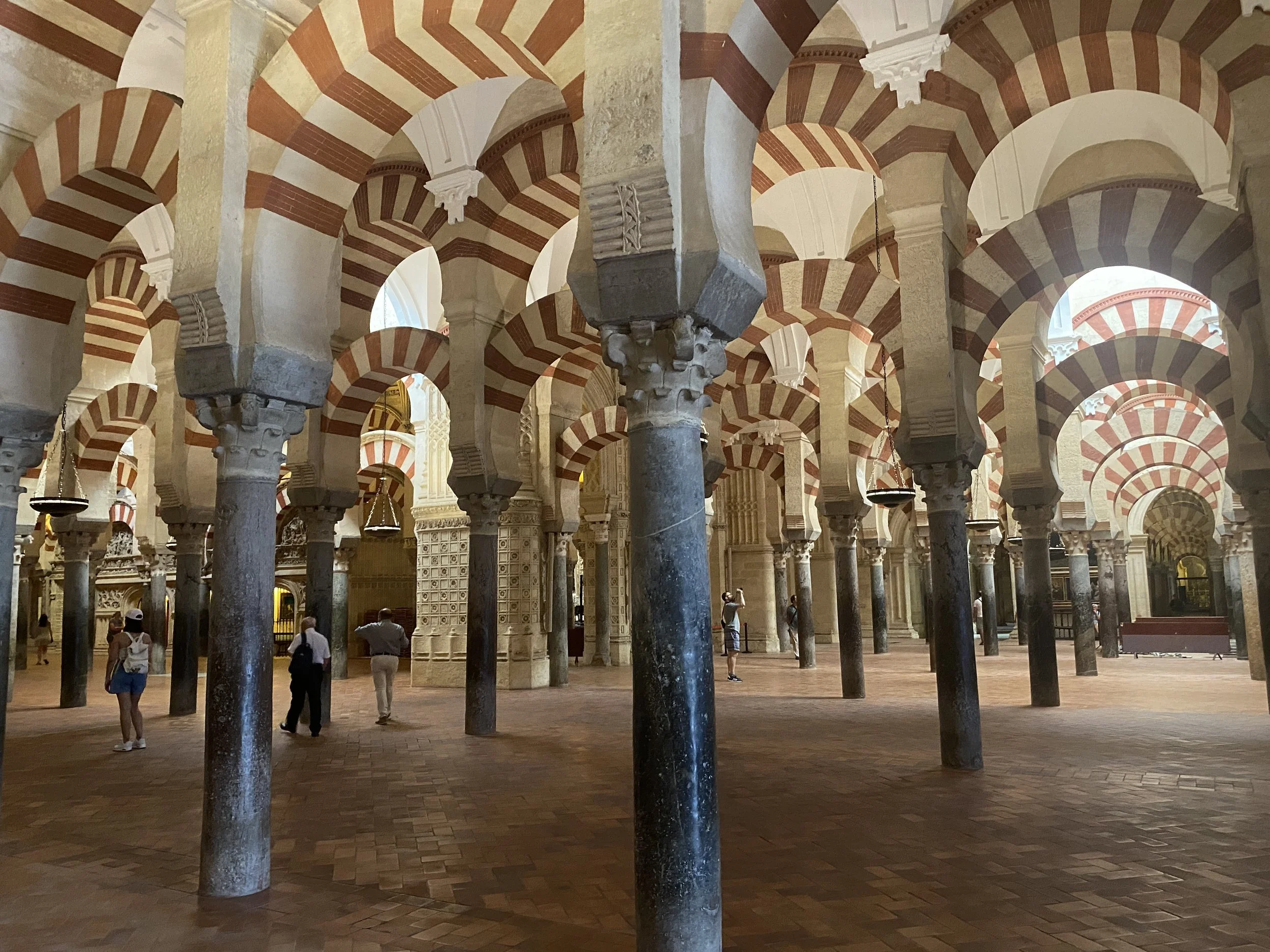
Repeating red and white arches and columns at the Mezquita in Córdoba, Spain

Ancient Rome, Islamic Spain and Catholicism all come together in the breathtaking Mezquita in Córdoba.

It’s all about those arches. They seem to multiply into infinity, creating a seeming mirror maze of red and white latticework. It’s one of the iconic images that make Córdoba a must-visit stop on any trip to the south of Spain. 

The Mezquita in Córdoba is the perfect symbol of what Duke and I love about Andalusia. You have Roman influences, Islamic stylings and a Roman Catholic overlay. It’s a magical part of the world, where these three cultures blend together into architecture that can’t be found anywhere else but southern Spain. 

Case in point: Córdoba’s Great Mosque, known as the Mezquita, perpetually rising from its ashes like a phoenix over 10 centuries through a fascinating interplay of Roman, Islamic and Christian construction. 

King Carlos I lamented his decision to allow the construction of the cathedral, saying, “They have taken something unique in all the world and destroyed it to build something commonplace.”

That’s a bit harsh.
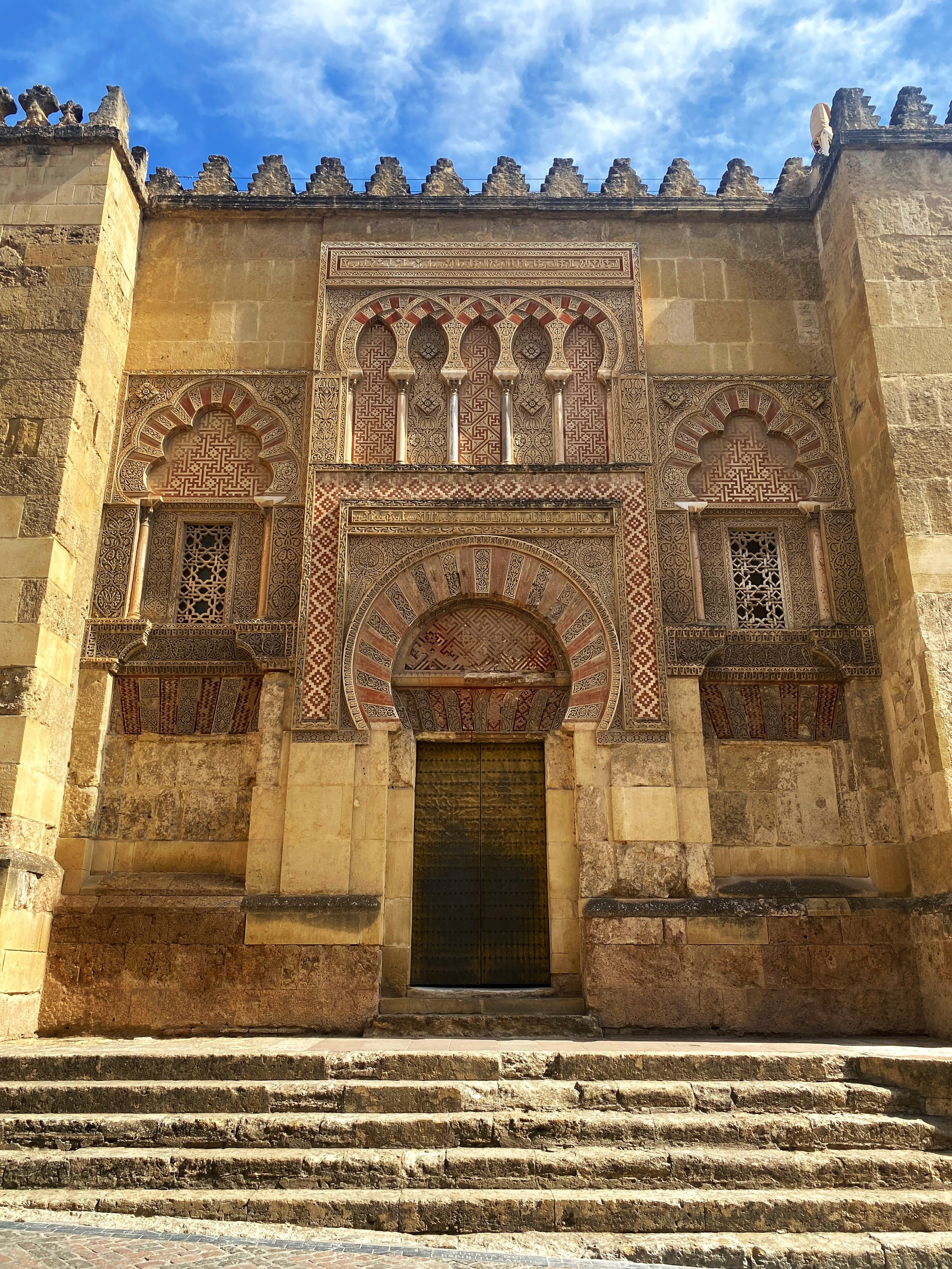
Islamic gate on the exterior of the Mezquita in Córdoba, Spain

Parts of the massive structure’s exterior retain their Islamic architecture.

Abd ar-Rahman and the Start of the Mezquita

To understand Córdoba and the history of this amazing structure, we must travel to the Middle East and meet Abd ar-Rahman I, a member of the Umayyad dynasty in Damascus, Syria. Things aren’t going so well for the prince. His family was massacred by the Abbasids, rivals for Islamic rule, and Abd ar-Rahman fled, hiding out in the farthest corner of the Muslim world. That is, the south of Spain. 

He ended up in Córdoba. After wresting control of the city from the Visigoths, Abd ar-Rahman began eyeing the church of San Vicente, the largest in town. Not surprisingly, it had been been built upon the ruins of a Roman temple (you’ll notice a trend). Abd ar-Rahman purchased half of the church from the Christians to start, before eventually buying the rest. 

Then, in 786 CE, he tore down the church to construct his most important project: a massive cathedral mosque. 

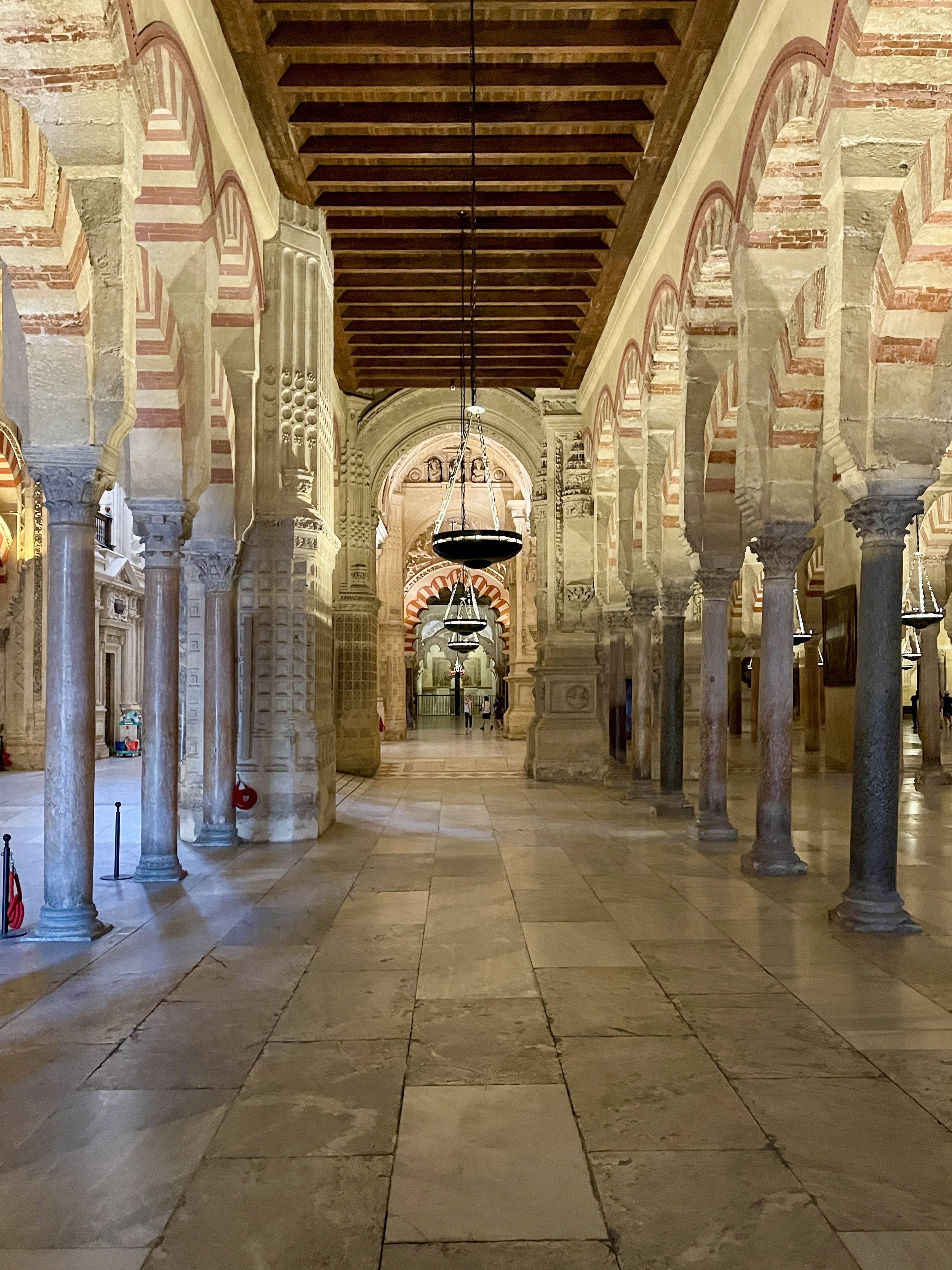
Aisle lined by pink marble columns and red and white arches in the Mezquita in Córdoba, Spain

The History of the Mezquita

The designers ran with those mesmerizing horseshoe arches, a style borrowed from the Visigoths, placing them atop recycled columns from the original Roman ruins. The distinctive red and white is a result of alternating brick and stone. The repetition of the arches was an attempt to evoke the infinite nature of Allah. I’d say they succeeded. 

“The aesthetics of the new Cordoban mosque, to which Muslims from far and wide throughout history would forever write odes, was typically Anadusian from the start: part adaptation of local, vernacular forms and part homage to Umayyad Syria, forever the source of hereditary legitimacy,” María Rosa Menocal writes in The Ornament of the World

“The Cordoba mosque continued to be built, and added to, for the next 200 years, until nearly the year 1000, but the characteristic look of the place, the horseshoe arches that sit piggybacked on each other, themselves dizzyingly doubled in alternations of red and white, were established from the start,” she continues.

Abd ar-Rahman II, great-grandson of his namesake (792-852), expanded the Great Mosque and added a new mihrab, a niche where Muslims face to pray. 

Then, Abd ar-Rahman III (891-961) enlarged the patio and built a new minaret, which stood 130 feet (40 meters) tall. 

Blue marble columns support red and white striped arches that repeat in the Mezquita in Córdoba, Spain

All those red and white arches, designed to mimic infinity, are truly hypnotic.

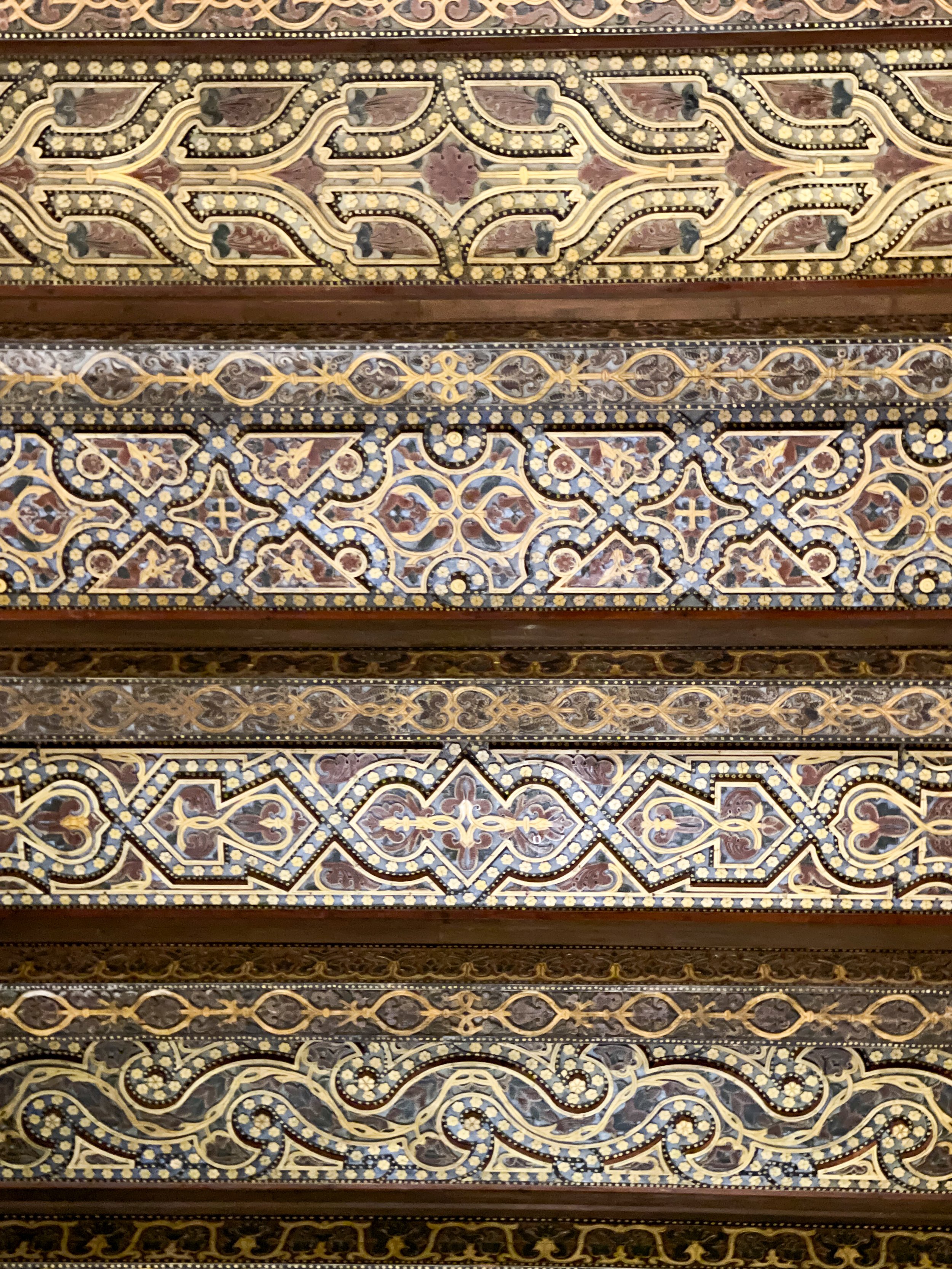
His son, Al-Hakam (915-976), continued his father’s work — in fact, he’s responsible for the most impressive renovation of the space. He had new columns built, alternating pink and blue marble. Domes were added to let in light, while painted wood beams decorated the ceiling. The 11 naves were extended, and a larger qibla wall built (this is supposed to be the cue to facing Mecca, but more on that later). Oh, and there was a secret passage for the caliph to enter the mosque from his adjoining palace. 

Elaborated painted wood beam ceiling in Islamic geometric patterns in the Mezquita in Córdoba, Spain

Gorgeously painted wooden ceiling beams

At the end of the 10th century, Córdoba had become a bustling city. To accommodate the growing population, Almanzor (938-1002) made the courtyard bigger and added eight naves. These are the most austere of the bunch. Ultimately, the Mezquita could hold 40,000 worshippers. It was the largest mosque in the world at the time. 

It wasn’t just used for prayer, though; it was the center of Cordoban life. Judges made rulings near the mihrab. Teachers taught children under the arches. And traveling pilgrims were allowed to sleep there. 

Gilded Baroque altar with circular painting of Mary at the top above Jesus on the cross in the Mezquita in Córdoba, Spain

Religious Reversal: From Mosque to Cathedral

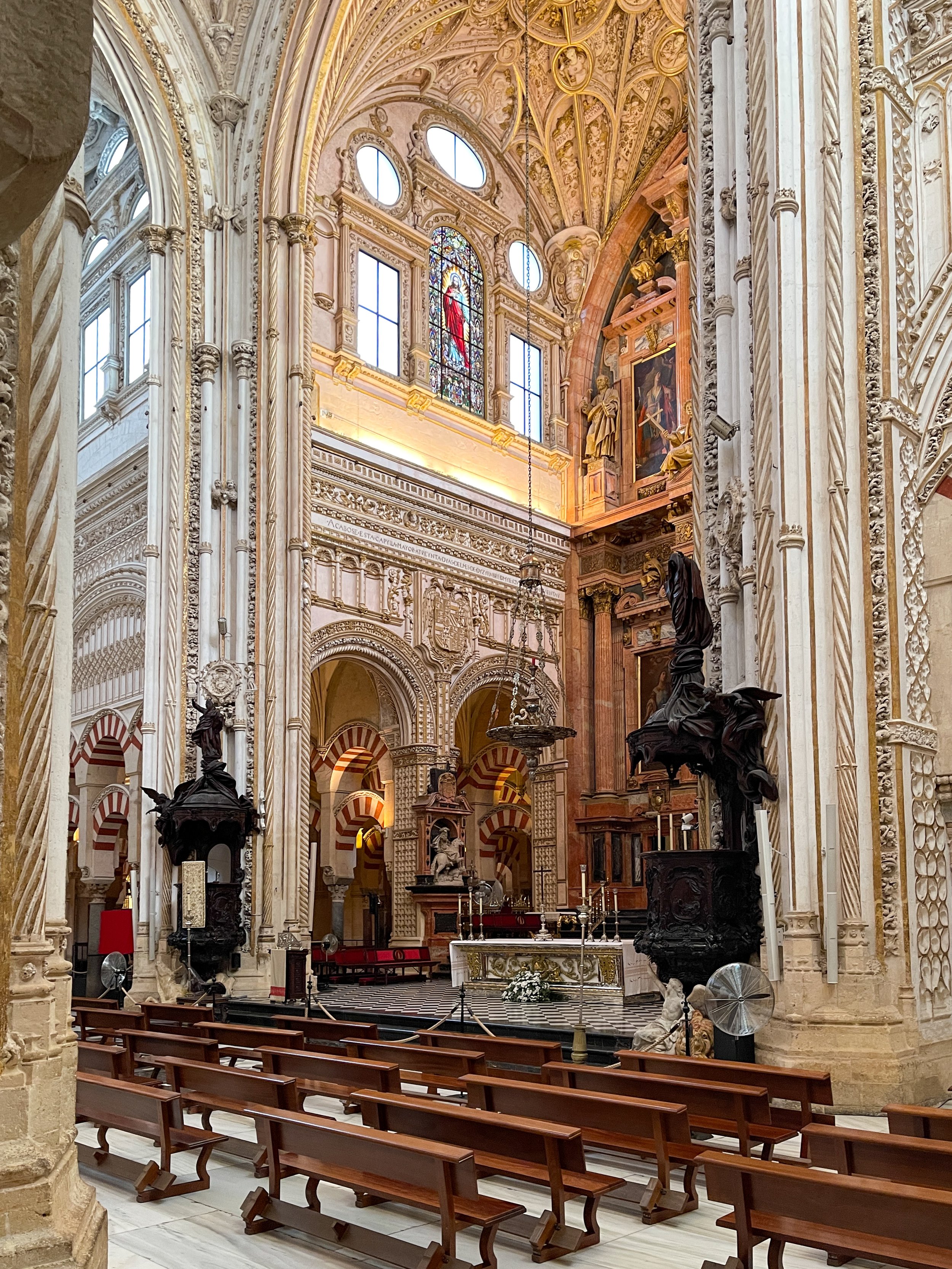
In 1236, King Ferdinand III conquered Córdoba, returning the city to Christian rule. The mosque transitioned to the cathedral of Santa María, even as many Islamic elements endured. The Main Chapel is located under the skylight. 

King Henry II built the Royal Chapel to provide tombs for Castilian monarchs. This was done in the Mudéjar style, a delightful blend of Gothic and Islamic, using Muslim architects and carpenters. 

An area with pointed arches was built to give light and height for the choir as well as the church bigwigs. 

The area where mass is held in the Mezquita in Córdoba, Spain
Bench with religious paintings above in the Mezquita in Córdoba, Spain
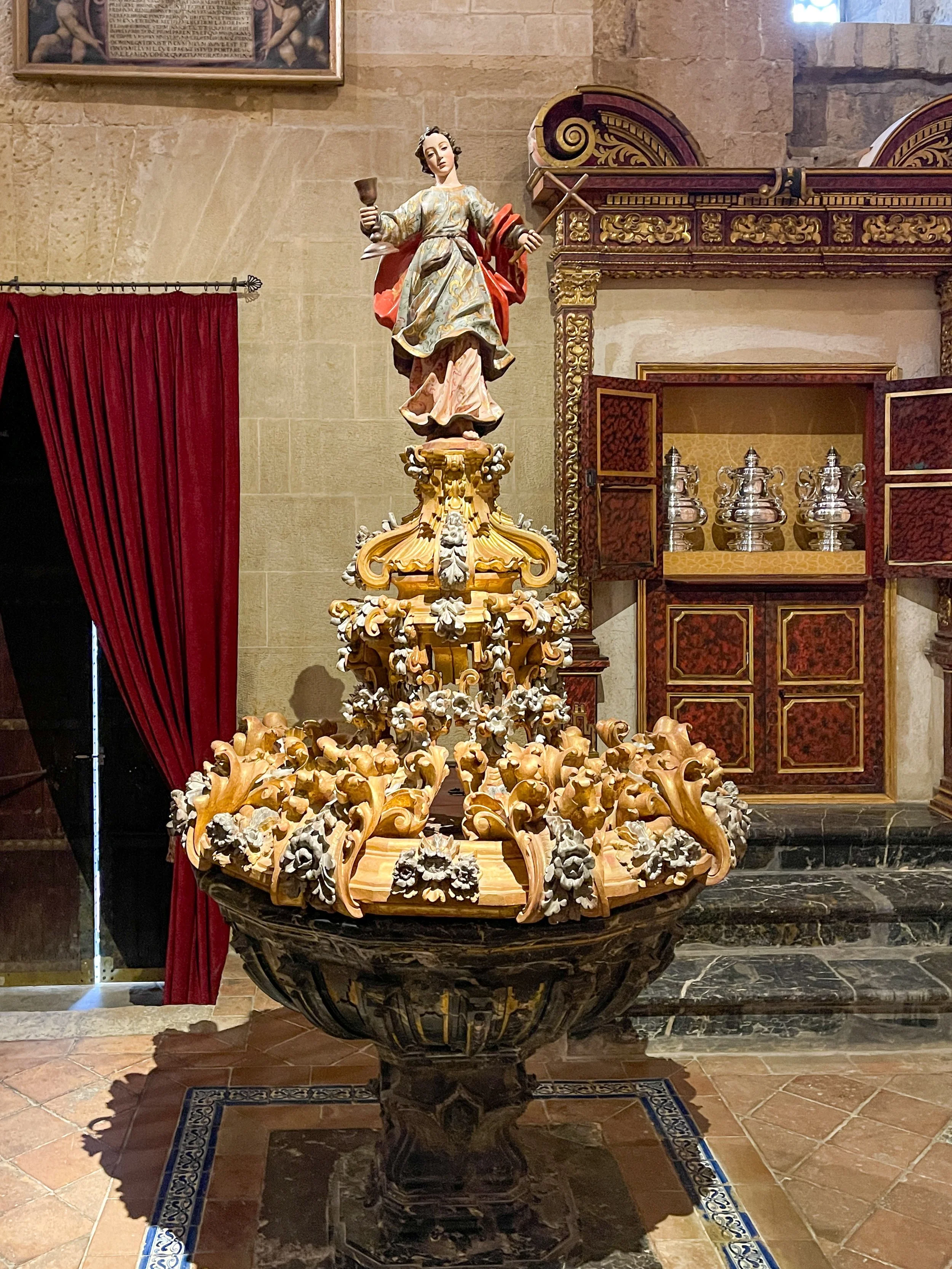
Religious statue atop strange orange fountain and crownlike structure
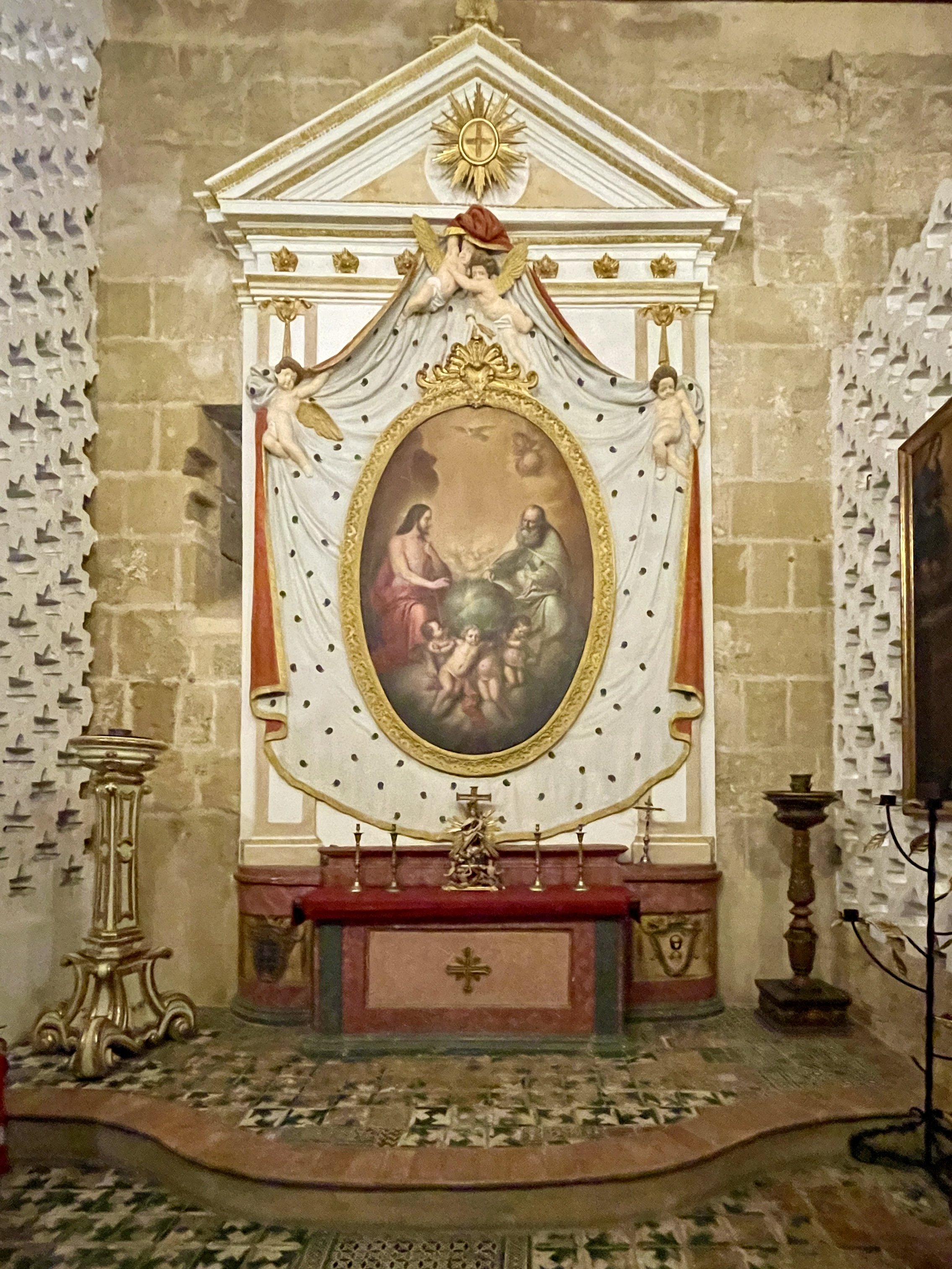
Painting of Jesus, God, cherubs, and the globe in a niche at the Mezquita in Córdoba, Spain
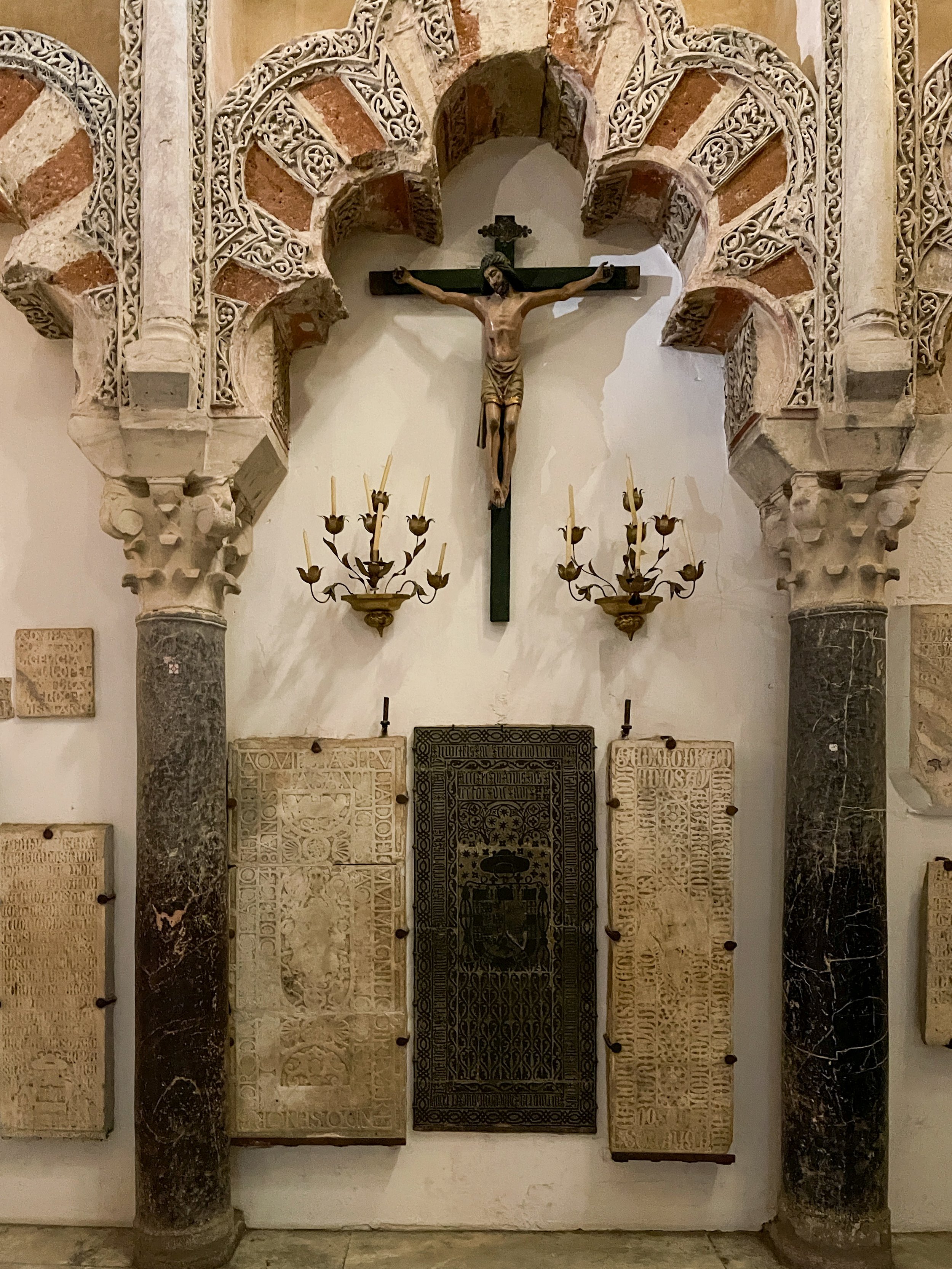
Crucifix under scalloped arch with historic stone pieces on the wall in the Mezquita in Córdoba, Spain
Statue of female saint with sword through her breast in niche of the Mezquita in Córdoba, Spain
Pink marble columns on either side of gold statue of Mary holding baby Jesus  with places to kneel in the Mezquita in Córdoba, Spain
Statue of saint and other religious items at the Mezquita in Córdoba, Spain
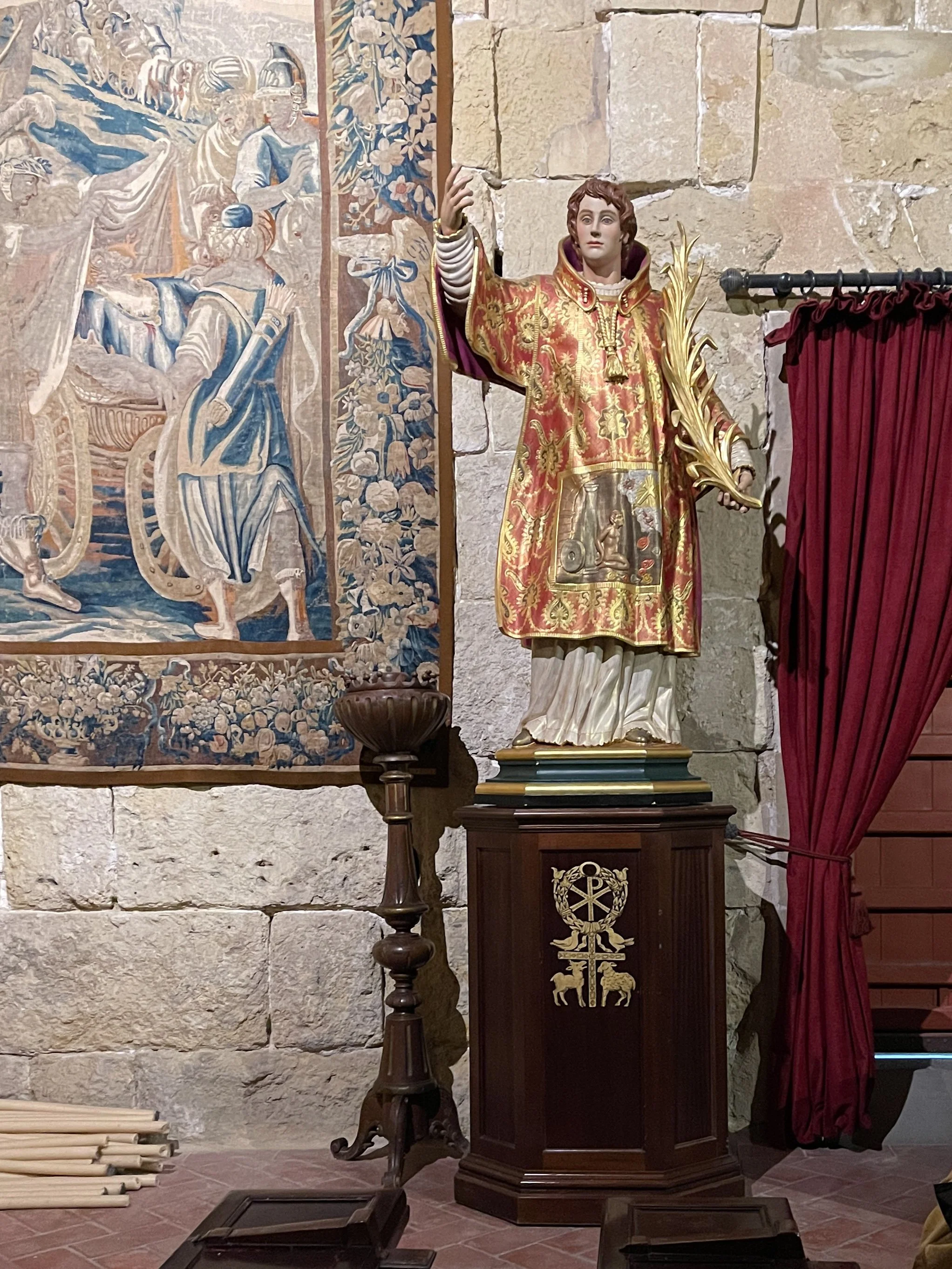
Statue of male saint with arm raised next to tapestry in the Mezquita in Córdoba, Spain

The structure remained largely the same until 1528, when King Carlos I gave permission to tear out the center of the mosque to build a proper cathedral, much to the dismay of many in Córdoba. Turns out he ended up agreeing with them. When the king visited, he lamented his decision, saying something along the lines of, “They have taken something unique in all the world and destroyed it to build something commonplace.” 

That might be a bit too harsh. This is still one impressive place of worship.

The choir stalls were built in the Baroque style of mahogany wood from Cuba. As in many Catholic churches, naves line the walls, containing small chapels. 

(FYI: Much of this history comes from a kid’s book we bought in town: La Mezquita de Córdoba by Manuel González Mestre, with fun illustrations by Jacobo Muñiz López.)

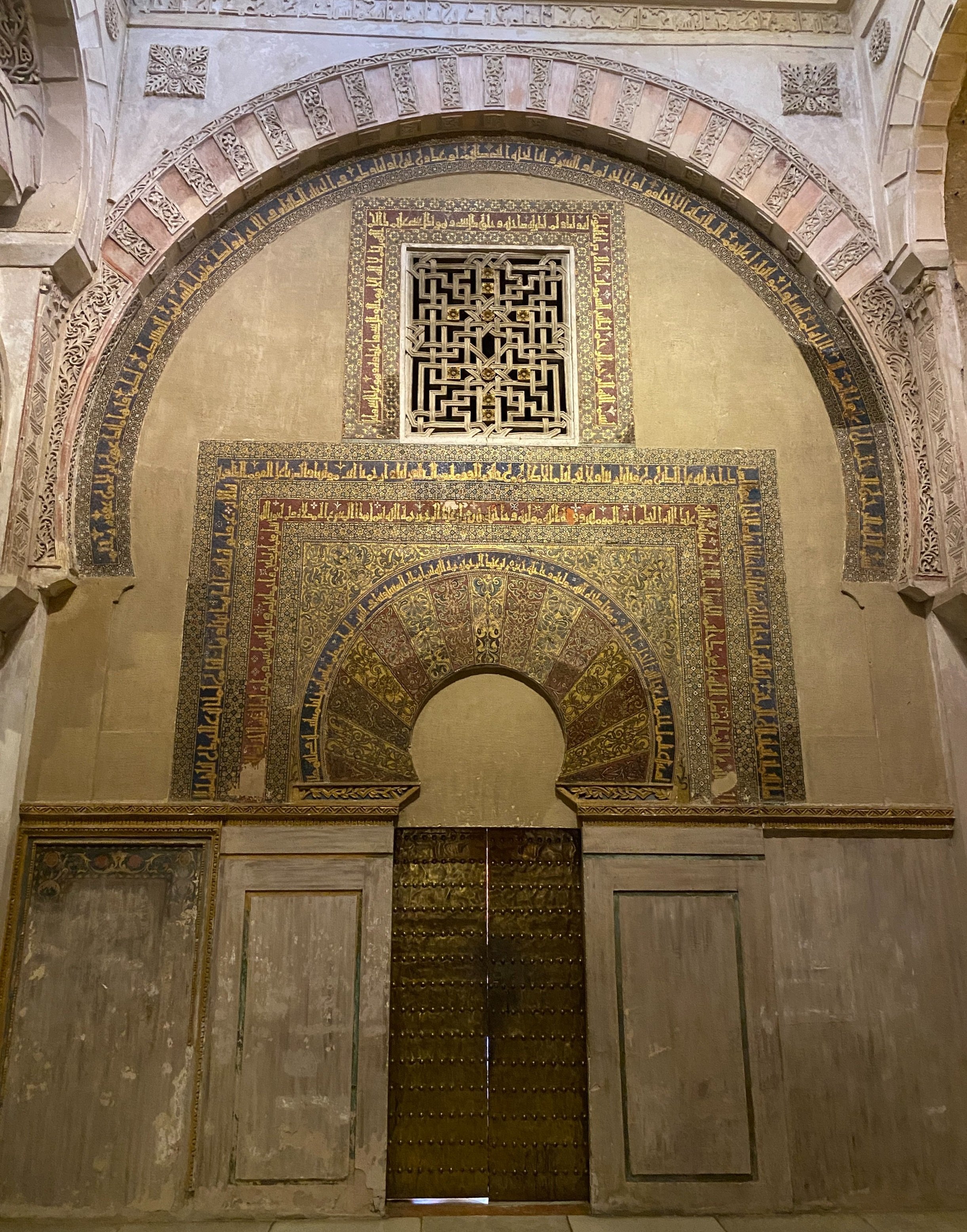
Ancient mihrab at the Mezquita in Córdoba, Spain

The Mihrab: Where Intricate Beauty Meets Spiritual Significance

While wandering the Mezquita, look for the mihrab. Among the monument’s ornate riches, none capture the cross-cultural transformation quite like the exquisite mihrab, located along the back wall on the right side. It’s considered the most sacred part of a mosque. 

Strangely enough, though, this qibla doesn’t actually indicate Mecca. Instead, it faces south. One theory is that it was a reference to the direction where Mecca would be from Abd ar-Rahman’s hometown of Damascus. Then again, it’s also thought that the streetscape didn’t allow for the qibla to face east as it should have, and instead was chosen to align with the Guadalquivir River.

When Córdoba was conquered by the Christians, they not only repurposed the mosque, they also recognized the mihrab’s beauty and spiritual importance — and actually preserved it! It’s a surprising moment where two faiths coexist within the same sacred space.

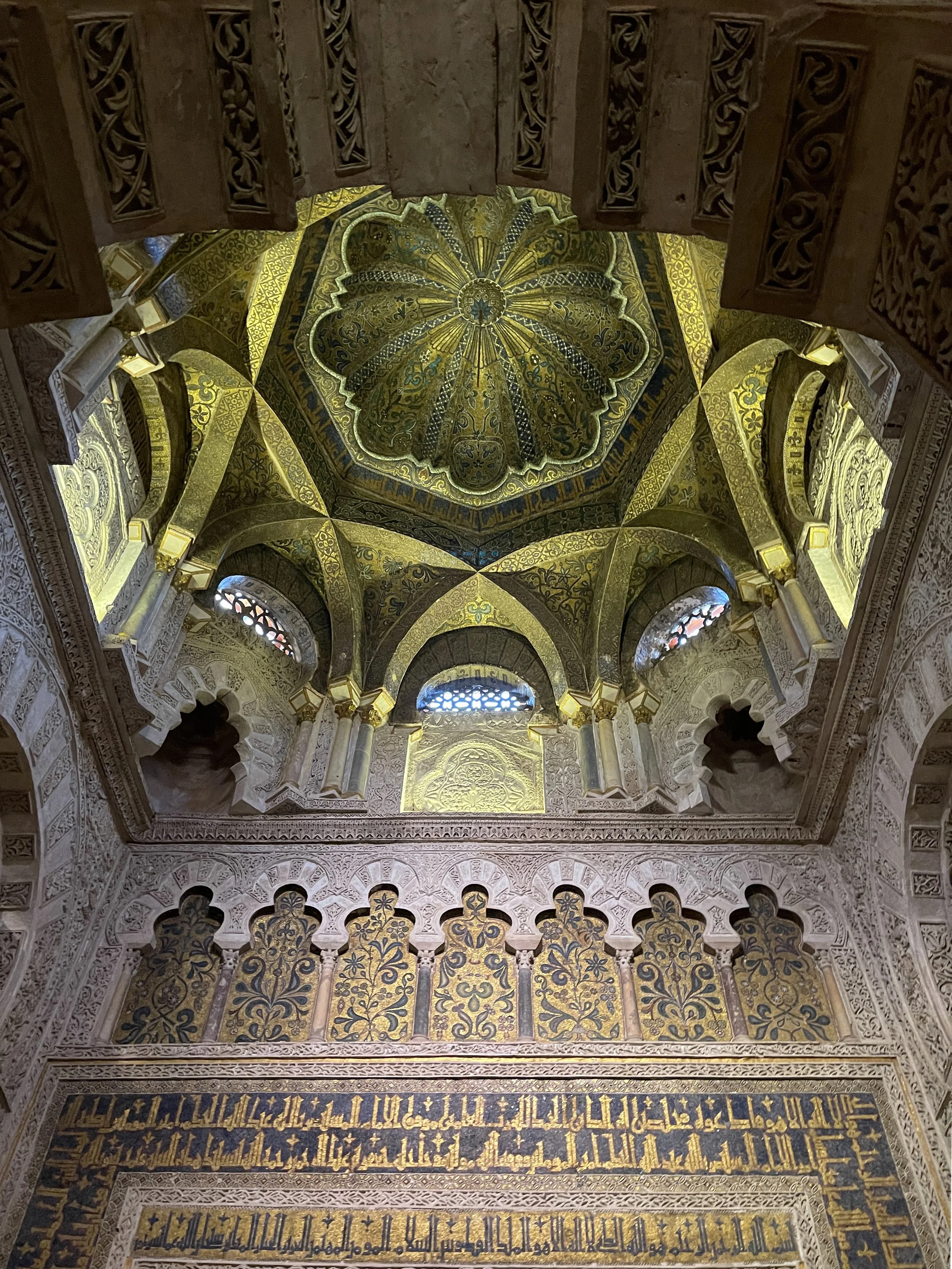
Intricate mosaics, geometric patterns and calligraphy intertwine to create a tapestry of colors and shapes that leaves visitors in awe. 

Islamic portion that remains at the Mezquita in Córdoba, Spain, with calligraphy and gorgeous green-tinted dome
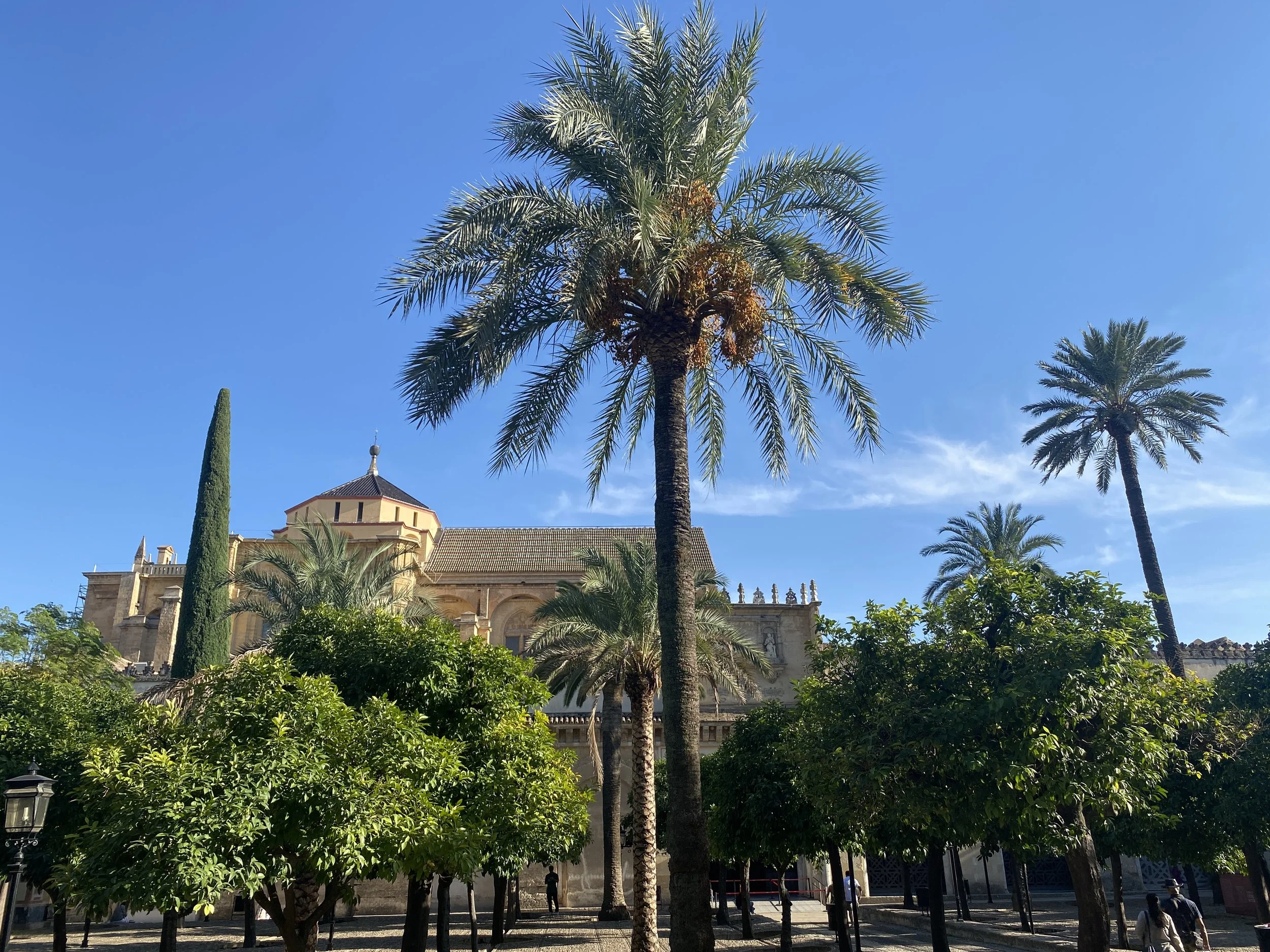
Palm trees and a view of the Mezquita in Córdoba, Spain, in the Patio de los Naranjos

The Patio de los Naranjos: An Oasis of Tranquility

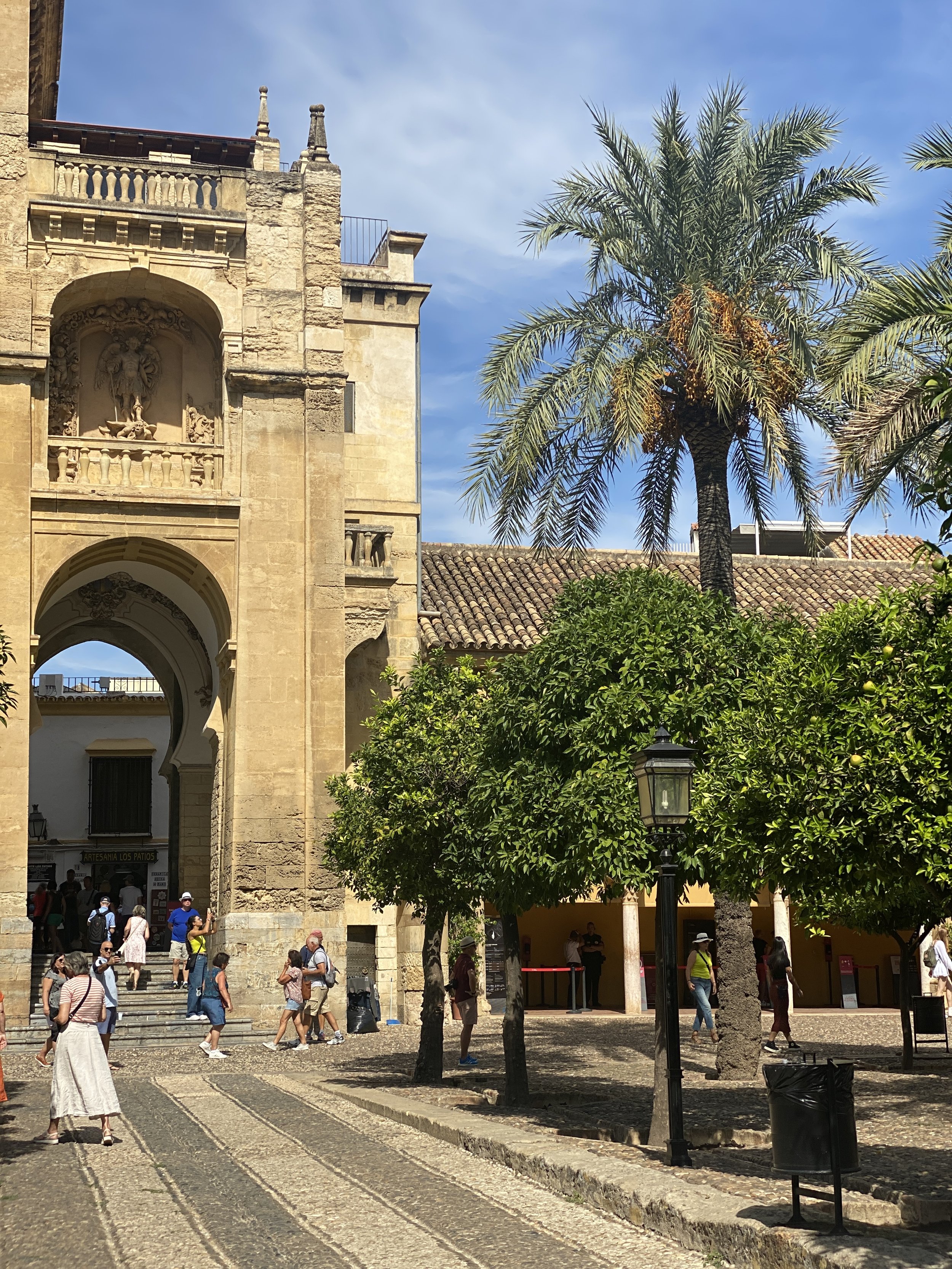
Chances are you’ll begin your exploration of the Mezquita in the Patio de los Naranjos, the Courtyard of the Orange Trees. For one thing, it’s where you line up to buy tickets. 

This tranquil oasis, with its fragrant blossoms and centuries of history, offers a contrast to the architectural wonders inside. And it’s not just orange trees — there are also olive trees, palms and cypresses. 

Gate and trees in the Patio de los Naranjos at the Mezquita in Córdoba, Spain
Orange trees lined up in the Patio de los Naranjos at the Mezquita in Córdoba, Spain

In its long history, this courtyard been a place for reflection, prayer and community gatherings. And there was a section where Muslims would perform their ablutions, or ritual cleansings, before entering the mosque. 

Visiting the Mezquita

Recognizing the Mezquita’s cultural and historical importance, UNESCO designated it a World Heritage Site in 1984. This status is a testament to the ongoing efforts to protect and preserve the architectural marvel, ensuring that future generations can continue to be inspired by its grandeur.

Pro tip: The early bird gets the arch. 

We went early in the morning to see the Mezquita before mass was held. It’s free, so you don’t need to bother with tickets. (If you don’t go at this time, be sure to get your tickets as soon as possible. They cost 13 euros. I think it’s a good idea to book a day in advance if you have the time, but most travel sites say you don’t need to worry about it selling out. Call me paranoid.)

We figured the pre-mass time was a good way to escape the massive tour groups that would invade the space later in the day. To do so, you don’t go through the Patio de los Naranjos as you normally would. You enter through the Puerta de Santa Catalina. The one downside is that you don’t have a lot of time to explore. Get there right at 8:30, cuz security guards will kick you out around 9:20 so mass can begin. 

This trick is considered the worst-kept secret in Córdoba, so keep in mind that word has gotten out. But it’s still supposed to be better than most other times. If you can’t make it early, or want more time, try booking the end of the day.

Scalloped red and white arches above crucifix at the Mezquita in Córdoba, Spain

More Metamorphoses: Temple to Church to Mosque to Cathedral 

Like the ceaselessly repurposed structures within its walls, the Mezquita represents the fluid nature of Spain’s cultural and religious history. As both mosque and church, this house of worship symbolizes Andalusia’s legacy as a place where Ancient Rome, Islam and Catholicism converge. For over 10 centuries, the awe-inspiring Mezquita has shifted shapes and uses but has endured. That’s typical of this wondrous part of Spain. –Wally

Saints, Statues and Semana Santa: A Tour of Iglesia de Santiago Apóstol’s Treasures

The oldest church in Málaga has a Picasso connection and is home to legendary Holy Week statuary, including El Rico, who pardons prisoners, and El Cristo de Medinaceli, who grants wishes.  

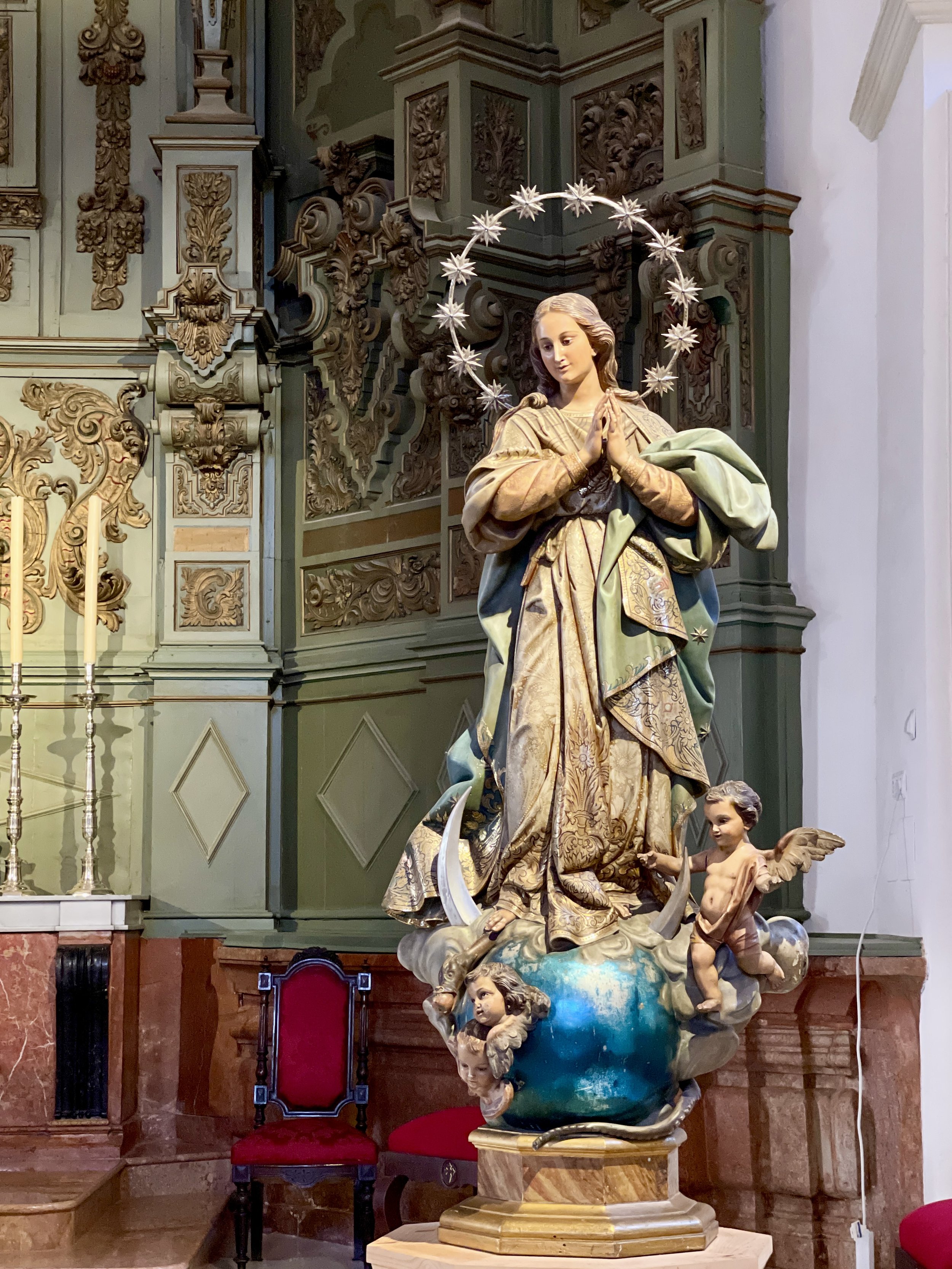
Statue of the Immaculate Conception of Mary against green wall in the Parroquia de Santiago Apóstol in Malaga, Spain

This figure depicts the Immaculate Conception of Mary. She stands atop a crescent moon and the world. Her left foot crushes a serpent, symbolizing the original sin assigned to all humans since Adam and Eve—except, of course, to the pure Virgin. 

You could easily walk past the exterior of the Parroquia de Santiago Apóstol without realizing the wonders that lie within. The church, which is dedicated to Saint James the Apostle, is located on Calle Granada and was under restoration when Wally and I visited our friends Jo and José in Málaga, Spain in 2015. We strolled by it multiple times, completely unaware of its spectacular interior and ended up buying a few whimsical wire and black glass marble ants from a street artist who had set up shop on a mat across from it.

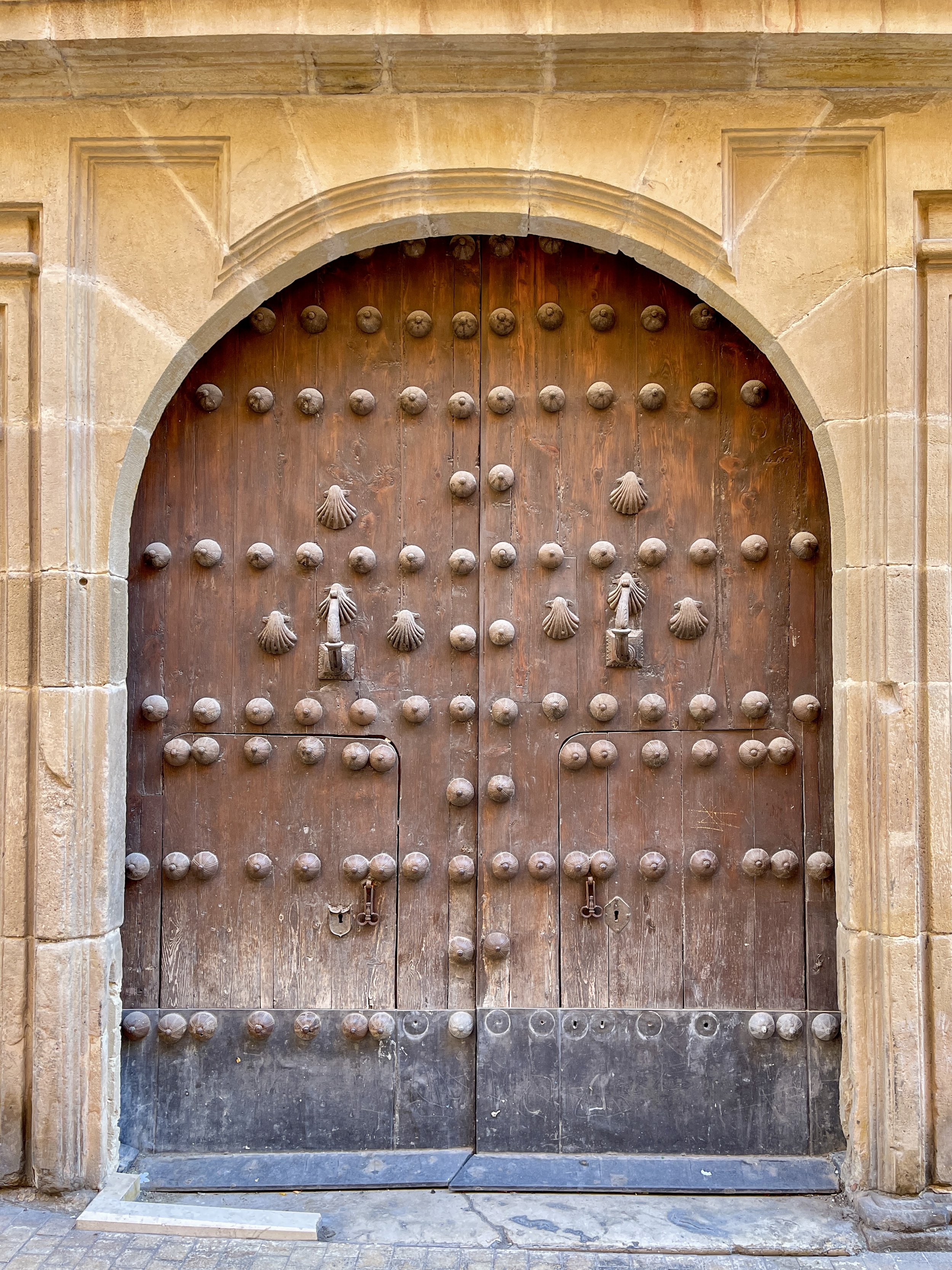
Front door of Parroquia de Santiago Apóstol in Malaga, with metal studs and seashells

The church’s wooden doors feature vieras, or scallop shells, the symbol of Saint James. 

Eight years later, we were back in Spain, and Jo and José suggested adding it to our itinerary. We’re fortunate to know some locals, and we’re never disappointed by what they share with us. Plus, Wally and I love visiting old Catholic churches. These places are not just architecturally stunning; they’re usually brimming with vivid devotional art. And it goes without saying that Spain takes this to a whole other level.

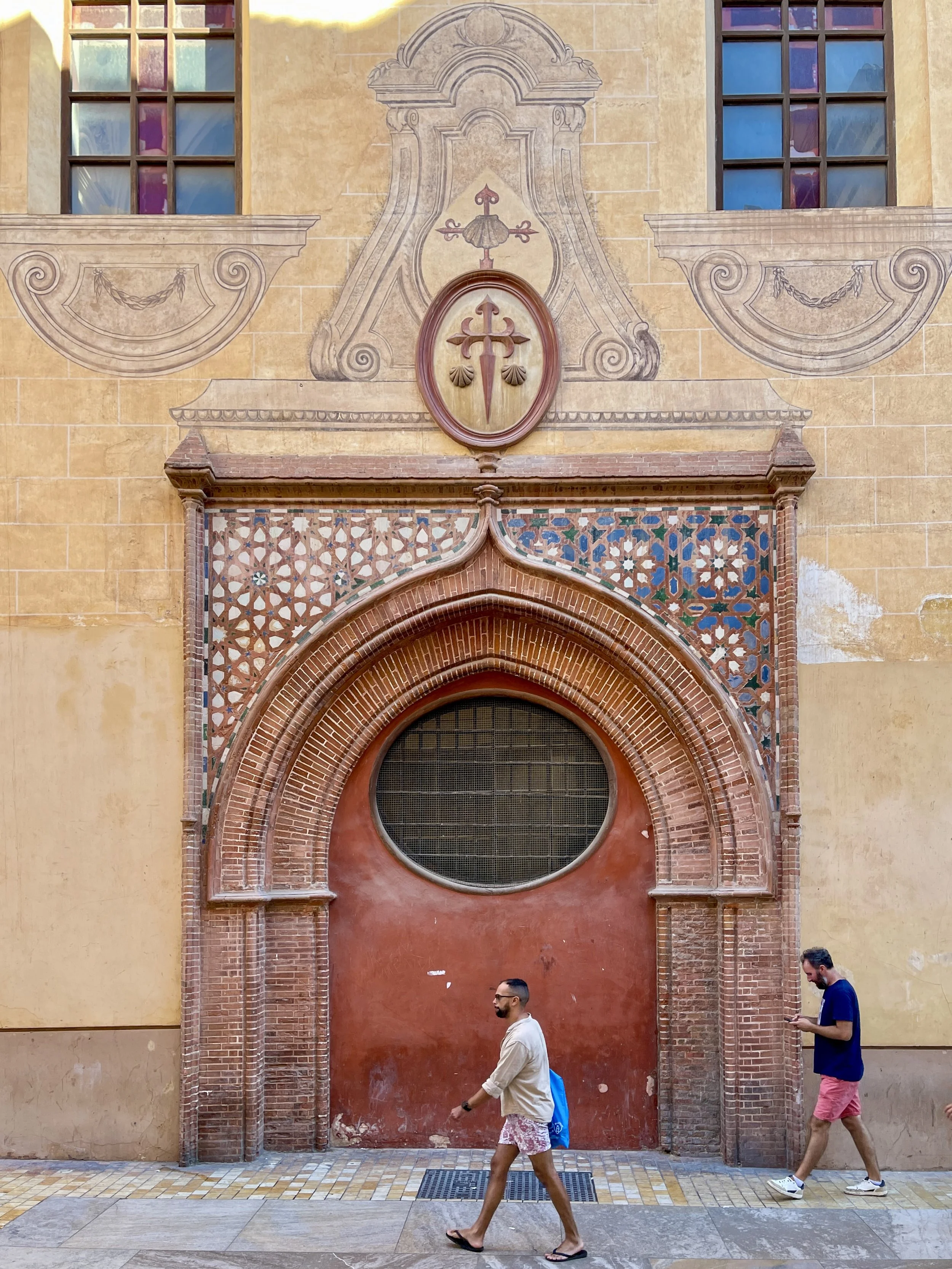
Two men walk past the arched and tiled doorway of Parroquia de Santiago Apóstol in Malaga

The pointed brick arch of the central doorway framed by tiles arranged in a geometric pattern is all that remains of the former mosque.

From Mosque to Gothic Church 

After digging around a bit, I found out that this particular church was the first and oldest of the four parishes commissioned in Málaga by the Catholic Monarchs, Isabella and Ferdinand II. In fact, it dates back to 1509. The structure fuses Isabelline Gothic (a late Gothic/early Renaissance style) with Mudéjar elements and was established on the site of a mosque during the early stages of the city’s Christian conquest. Remnants of the former mosque were incorporated and are visible in the façade, particularly in the central doorway, where a pointed ogee arch is framed by tiles arranged in a geometric pattern that reads as floral. This arch would later evolve into the distinctive Gothic rib vault. In keeping with Islamic tradition, a minaret was built adjacent to the mosque, which was converted into the church’s bell tower during the late 16th century.

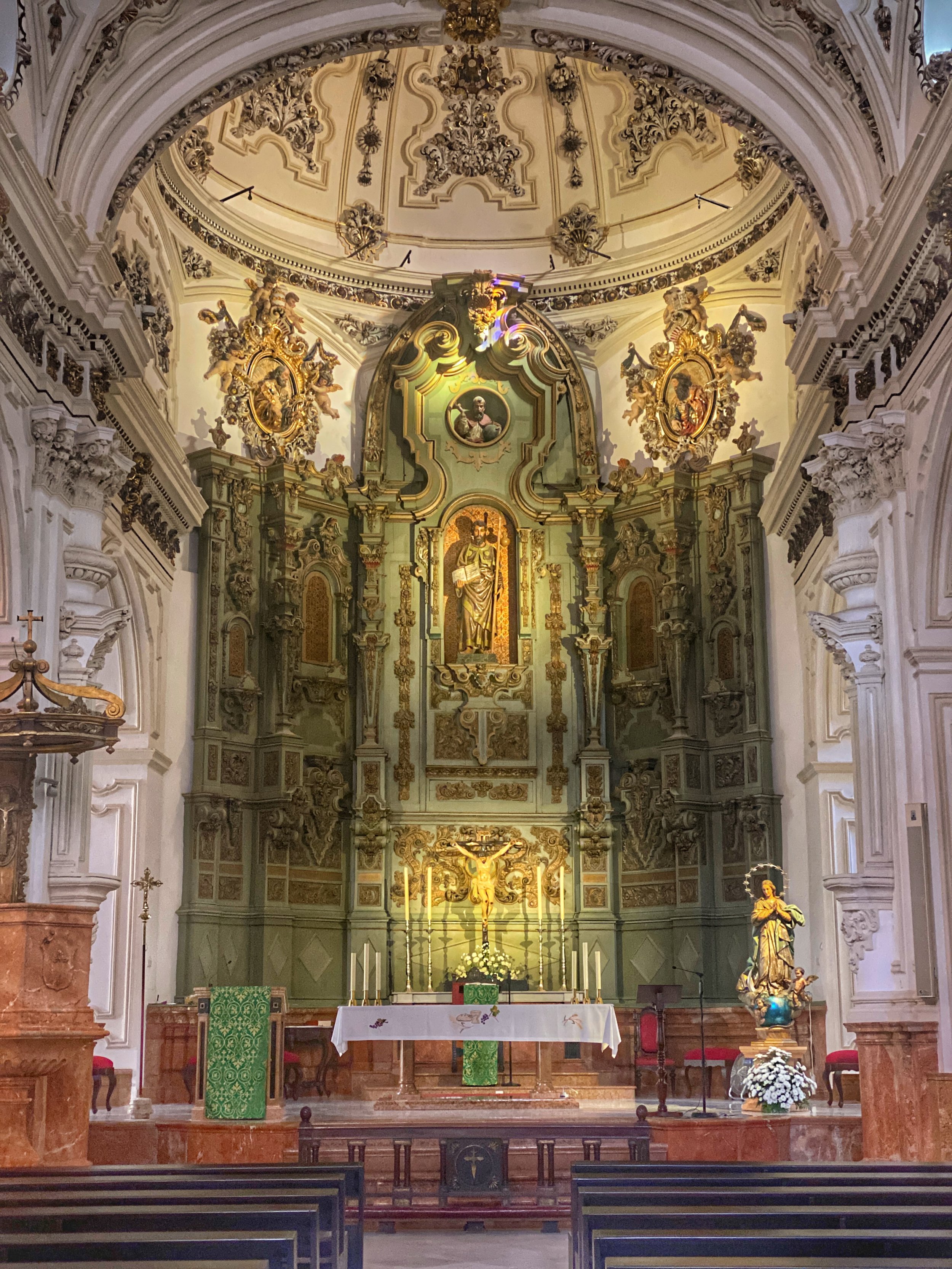
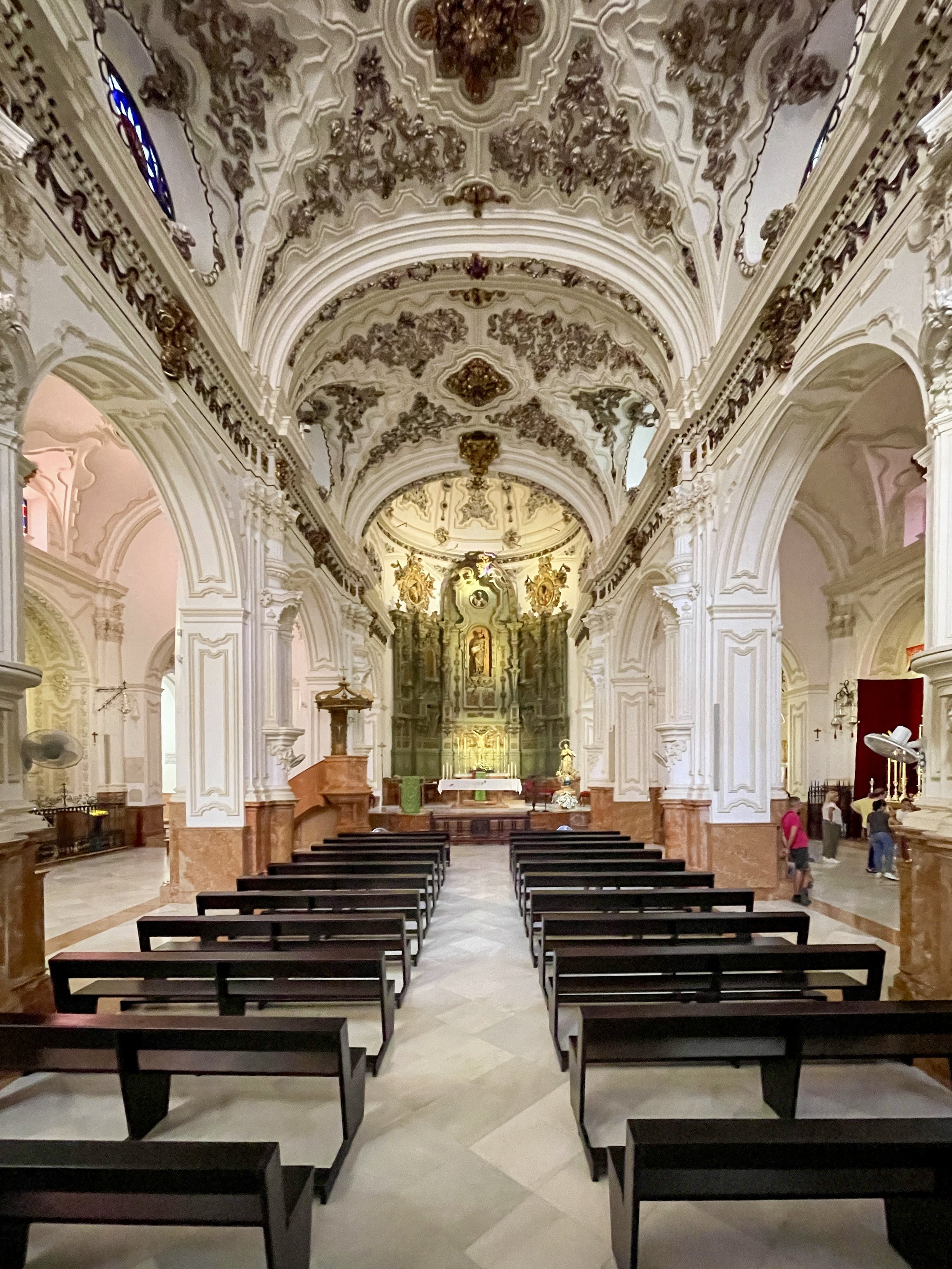
Green and gold Baroque altar at Parroquia de Santiago Apóstol in Malaga

A view of the ornate central nave, dome and altar. The carved central altarpiece holds a likeness of the church’s patron, Santiago Apóstol aka Saint James.

the Interior of the Church of Santiago 

Inside, the Gothic style reveals itself in the vaulted ceilings and chancel of the central nave, which comprises the sanctuary, altar, choir and main chapel. The late 18th century saw the addition of two more naves, embellished in the Baroque style. The handsomely carved altarpiece is fashioned from polychromed (painted in many colors) and gilded wood, and the central niche holds a realistic statue of its patron saint, Santiago Apóstol (Saint James).

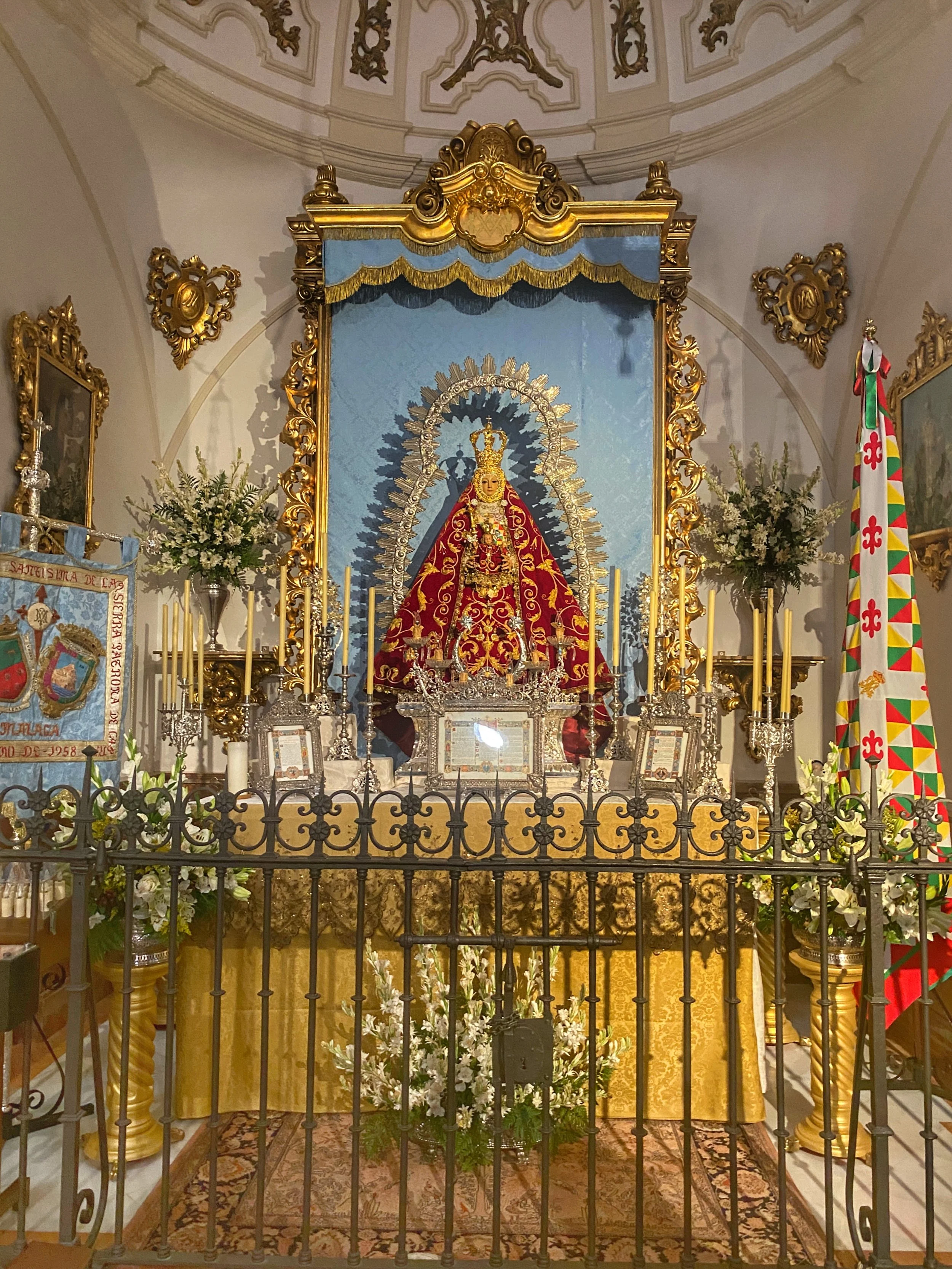
Virgin Mary in red and gold cape, with crown, behind metal fence at Parroquia de Santiago Apóstol in Malaga

A depiction of Mary as the Queen of Heaven

Legend has it that following the death of Christ, James traveled to Galicia in northern Spain to spread the word of Christianity. However, things took a dark turn upon his return to Jerusalem — he was beheaded under King Herod’s order, becoming the first disciple to be martyred.

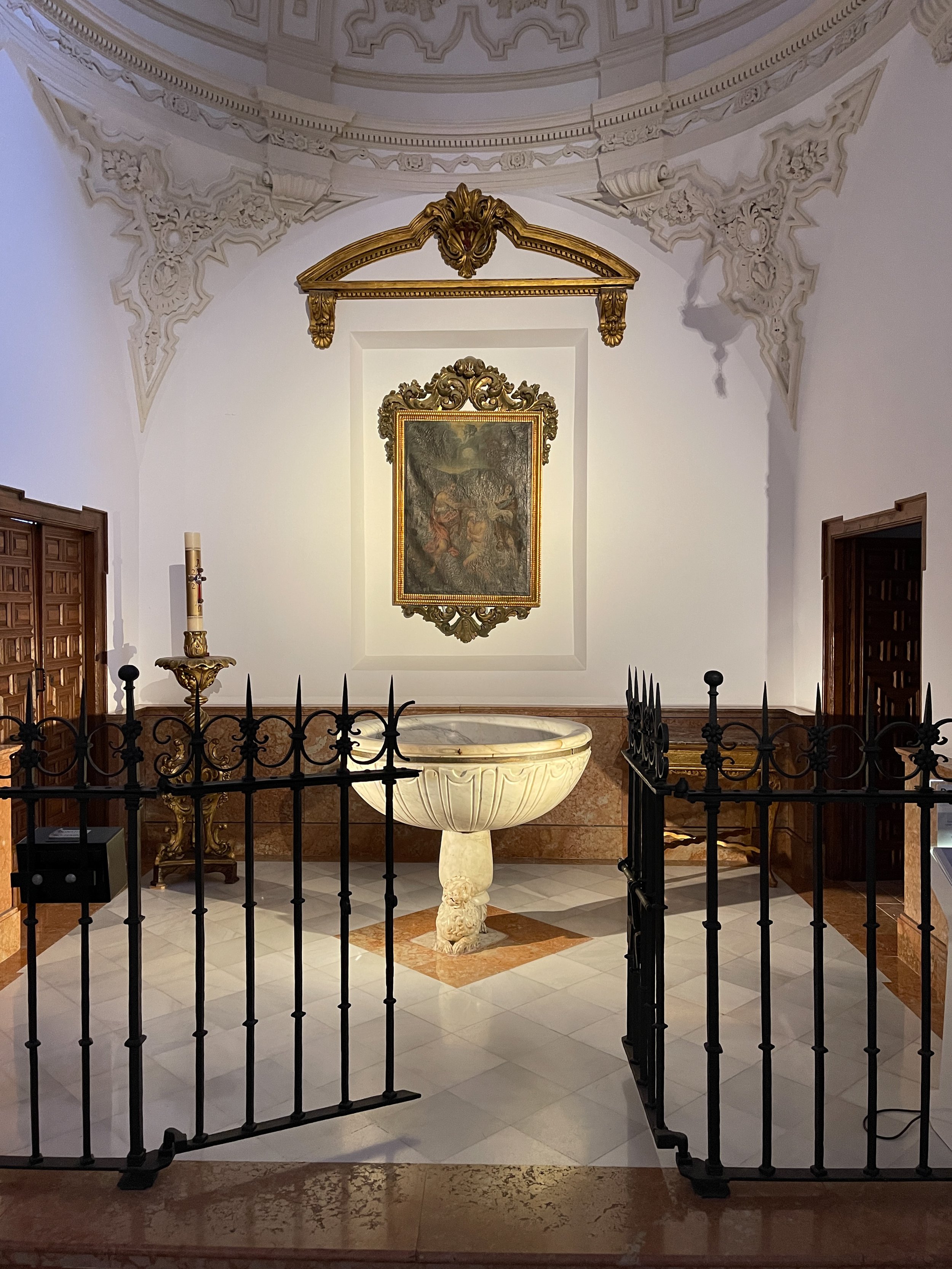
Málaga local Picasso was christened in this baptismal font, located near the entrance of the church. 

Fun fact: Pablo Picasso was christened in this church on November 10, 1881, and his baptismal certificate is kept here. Although his family moved to A Coruña in the Galicia region of northwest Spain when the artist was 9 years old, he always considered himself a malagueño, that is, someone from Málaga. 

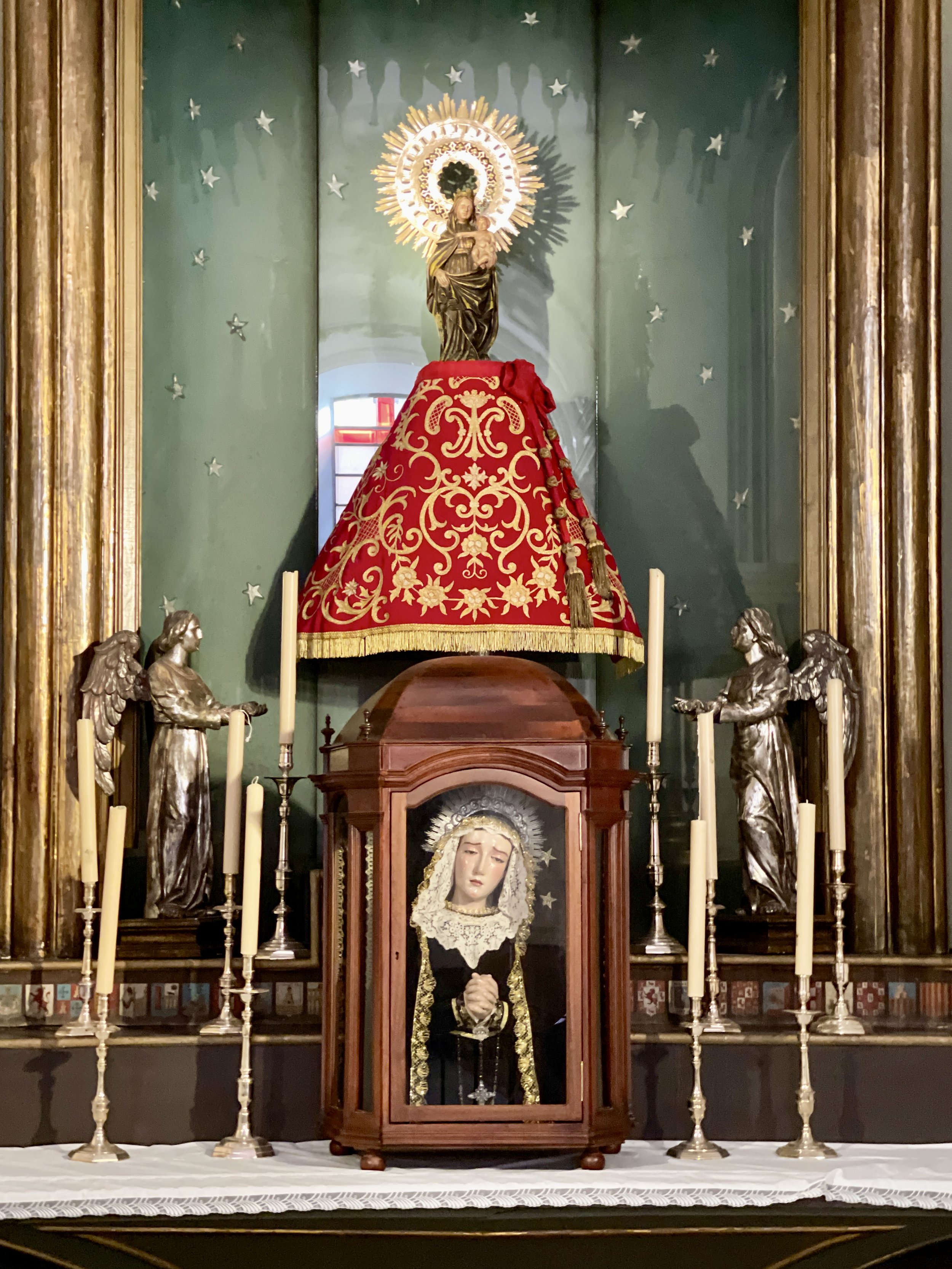
Our Lady of the Pillar, a small likeness of the Virgin, atop and red and gold cloth and cabinet holding the head and torso of another Mary, clasping her hands

This diminutive likeness of the Virgin Mary, Nuestra Señora del Pilar (Our Lady of the Pillar), stands atop a small column. You can’t see it because it’s covered by the red and gold mantle. 

A Tour of the Art and Semana Santa Statues of Parroquia de Santiago Apóstol

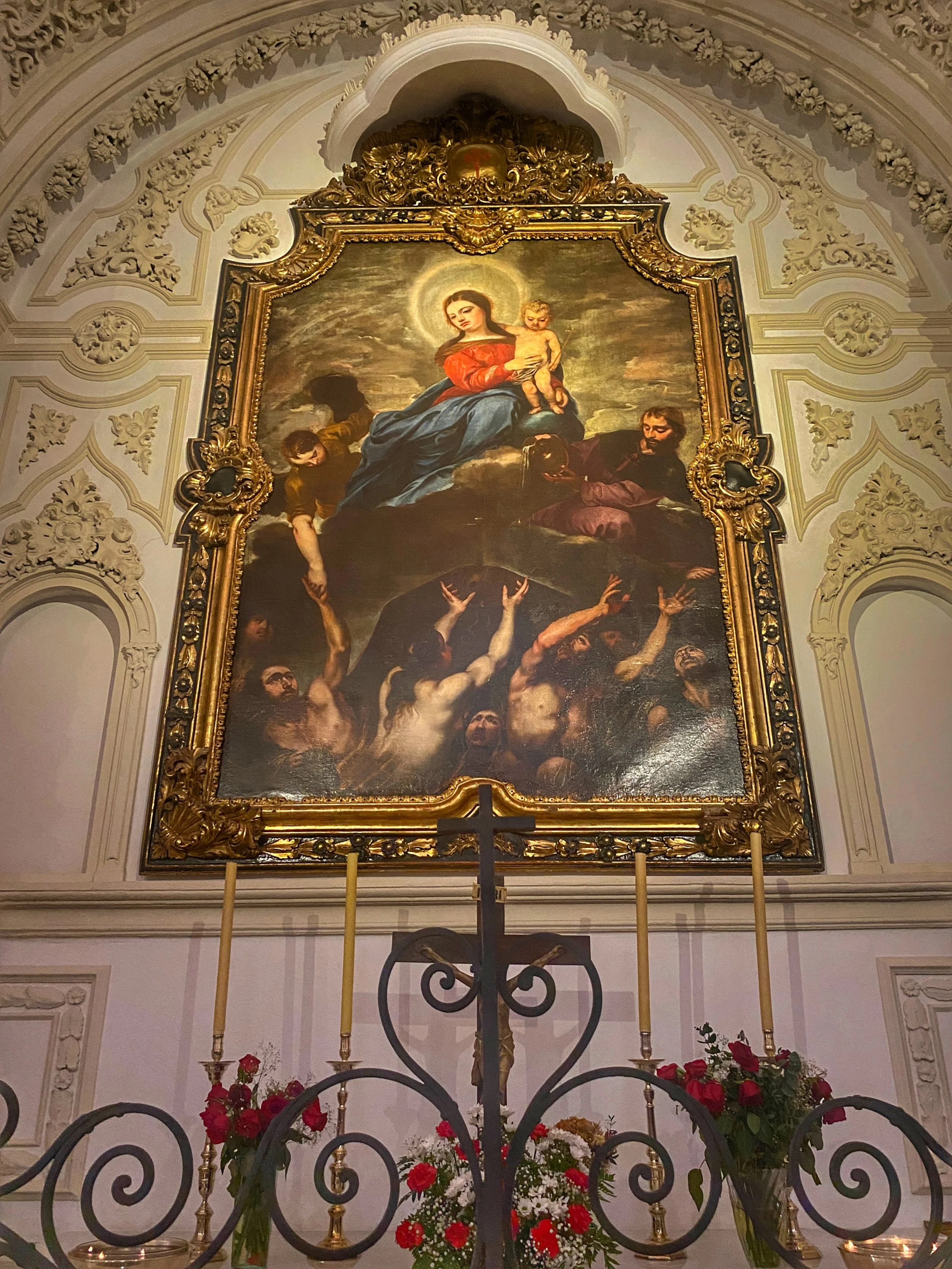
Among the significant religious artworks that can be found in the church’s naves is the Virgen de las Animas (Virgin and the Souls) by Juan Niño de Guevara, a large oil painting depicting the Mary comforting souls condemned to Purgatory. According to popular tradition, the faithful offer prayers to the image and leave bottles filled with lamp oil to keep the flames of the glass votives burning in perpetuity for the souls doing penance before being able to enter the kingdom of Heaven.

This oil painting, Virgen de las Animas (Virgin and the Souls) by Juan Niño de Guevara depicts Mary seated on a throne of clouds, comforting souls condemned to Purgatory. 

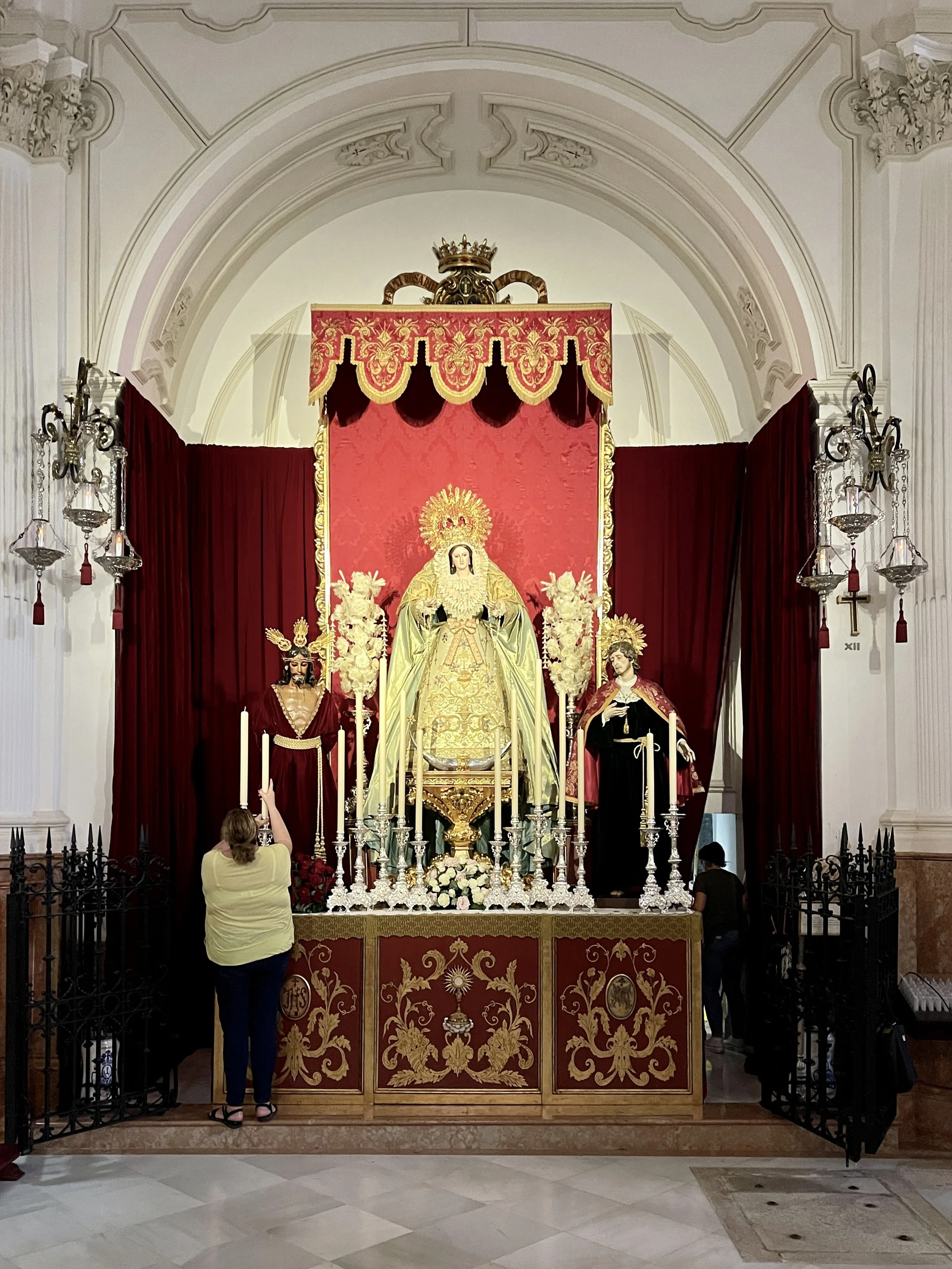
Additionally, the statues of the Cofradía del Rico and Hermandad de la Sentencia religious brotherhoods are kept inside this church year-round, except during Semana Santa (Holy Week). That’s when they’re placed on massive tronos, quite literally thrones, weighing up to 2 tons and are carried through the streets of Málaga by penitents and members of their religious fraternity.

Statues of  Jesús de la Sentencia (Jesus of the Judgement), María Santísima del Amor Doloroso (Holy Mary of Sorrowful Love) and San Juan Evangelista (Saint John the Evangelist) in Santiago Apostol, while a woman places tall candles in front of them

This nave holds the processional images of Jesús de la Sentencia (Jesus of the Judgement), María Santísima del Amor Doloroso (Holy Mary of Sorrowful Love) and San Juan Evangelista (Saint John the Evangelist) which belong to the religious brotherhood of the Hermandad de la Sentencia. 

There are the venerated mannequin-like processional figures of María Santísima del Amor Doloroso (Holy Mary of Sorrowful Love) and Jesús El Rico (Jesus the Rich). To impart a heightened sense of realism, glass was used for the eyes, hair for the eyelashes and ivory for the teeth. 

esús El Rico (Jesus the Rich) hides behind María Santísima del Amor Doloroso (Holy Mary of Sorrowful Love) at Iglesia Santiago Apostol

Jesús El Rico (Jesus the Rich) hides behind María Santísima del Amor Doloroso (Holy Mary of Sorrowful Love), which belong to the brotherhood of the Cofradía del Rico. El Rico pardons one prisoner each year.

The Ultimate Get Out of Jail Free Card 

El Rico has extended pardons as an act of grace every Holy Wednesday, a tradition that traces its roots back to 1759. The practice of extending a second chance to a prisoner originated during the plague epidemic that swept across Europe during the reign of Carlos III. 

It’s said that a riot erupted after inmates learned that Holy Week processions would be canceled due to contagion fears. In response to the news, prisoners mutinied, broke out of jail and carried the life-sized statue of Jesus through the streets of Málaga, praying for salvation from the plague. Rather than fleeing afterward, they chose to return to prison. Impressed by their act of piety, the king decided to grant the Cofradía del Rico brotherhood, the guardians of El Rico, the right to release one prisoner every year. To this day, El Rico symbolically performs this act.

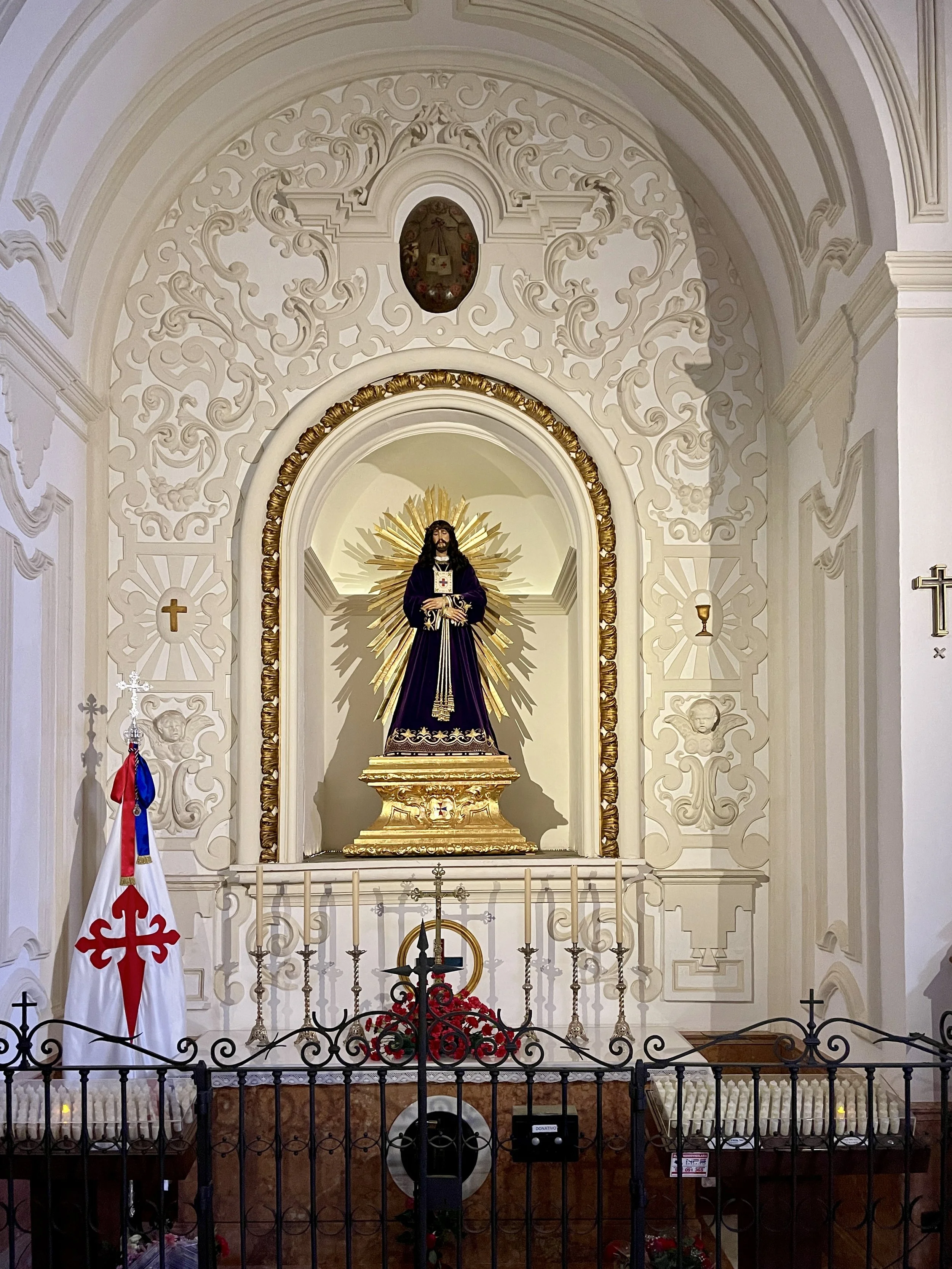
On the first Friday of March, the venerated figure of El Cristo de Medinaceli is taken from his niche, redressed and placed upon a gilded platform. Devotees kiss his feet, leave three coins and make a wish for each — only one of which will be granted.

Make a Wish Foundation

If these treasures in this historic church aren’t enough to pique your interest, there’s one more notable devotional figure worth mentioning within the Iglesia de Santiago Apóstol: El Cristo de Medinaceli (Christ of Medinaceli). It received its name because the original was owned by the Duke of Medinaceli.

Every first Friday of March, devotees queue up outside the parish doors and wait their turn to kiss the statue’s feet. They also place three coins — they have to be of the same value — at his feet and make three different wishes. Be careful, though: Only one of your wishes will come true.

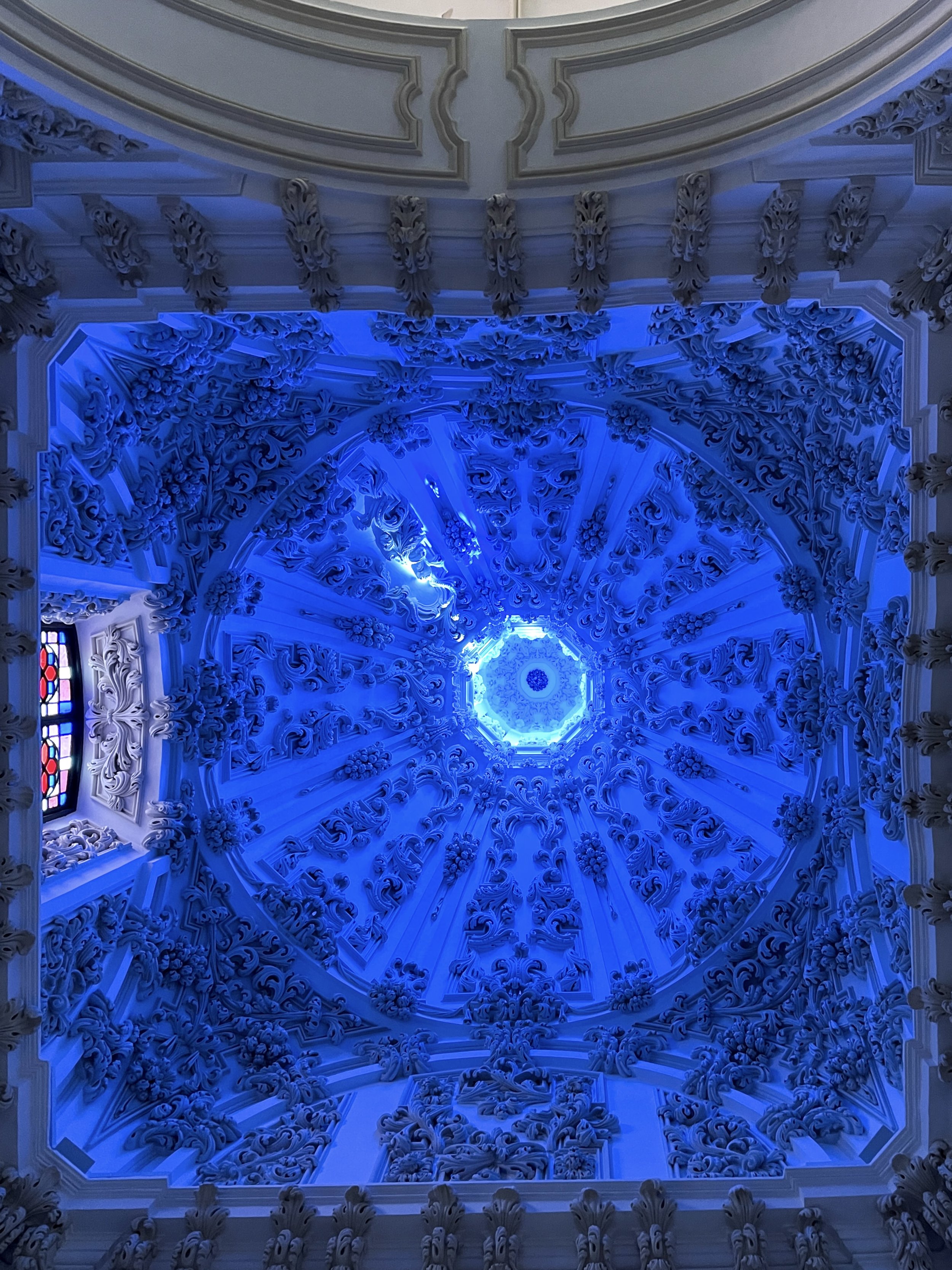
Blue light casts an eerie tint on a Baroque dome in Santiago Apostol Malaga church

One of the most dramatic aspects of the Iglesia de Santiago Apóstol (and that’s saying something!) is the blue hue of this elaborate dome. 

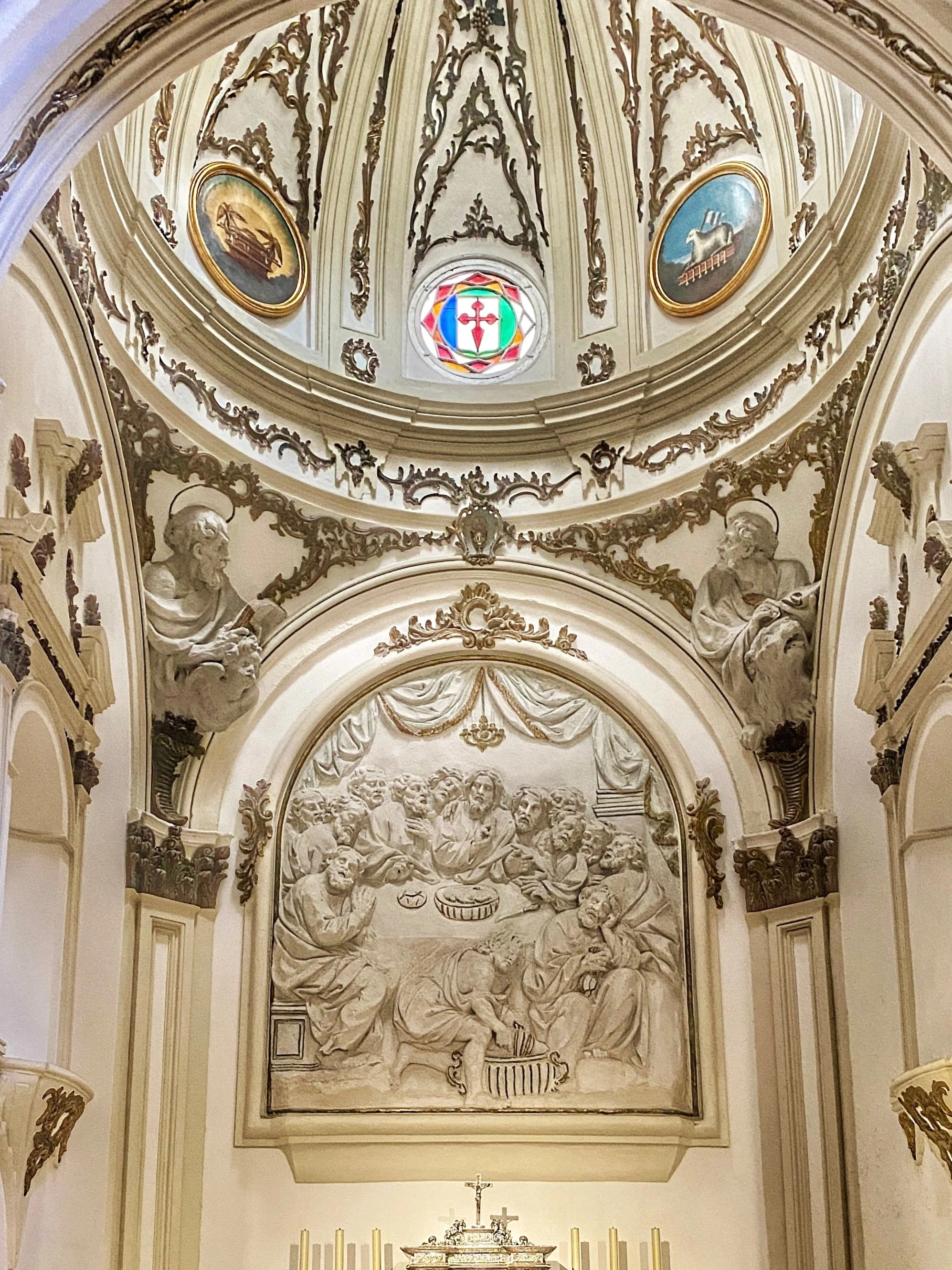
Under a dome with round artworks, a relief shows the Last Supper in Iglesia Santiago Apostol Malaga

This relief depicts a crowded take on the Last Supper. 

If you’re in the neighborhood, and you don’t stop by and admire the Semana Santa statues here, you’ll wish you had. –Duke

The pews and ornate Baroque ceiling, looking to the green altarpiece in Iglesia de Santiago in Malaga, Spain

Iglesia de Santiago

Calle Granada, 78
29015 Málaga
España


From Bishop’s Manor to Boutique Haven: Los Patios del Pañuelo in Córdoba

Looking for places to stay in Córdoba, Spain? You’ll count your blessings when you experience the tranquil beauty of this sanctuary-like lodging in the Casco Antiguo, or Old Town. 

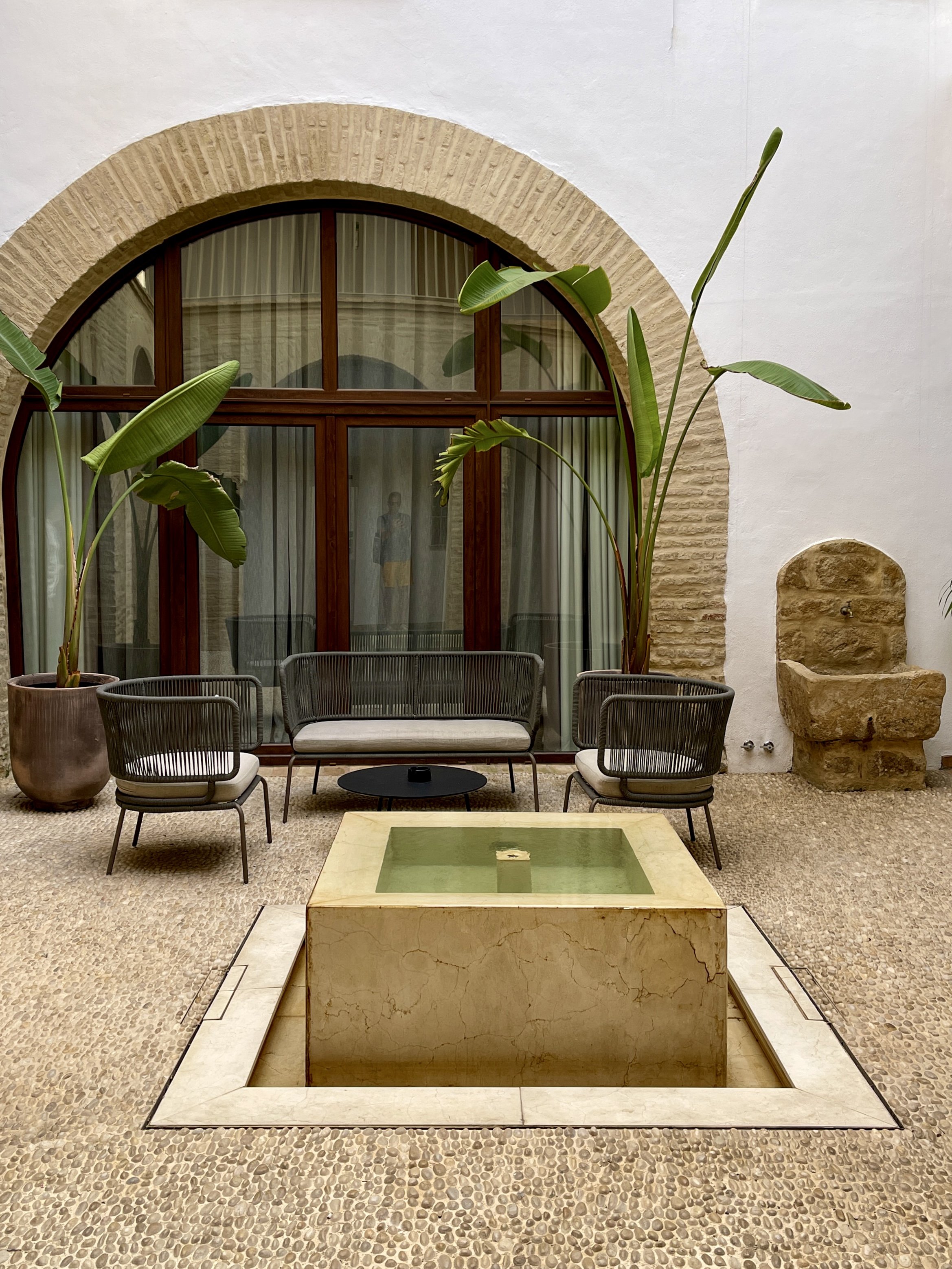
Square fountain by metal outdoor seating under brick arch over palms and windows of apartment at Los Patios del Pañuelo in Cordoba

The entrance patio is furnished with a sofa, a set of barrel chairs and a low table. Because it was right outside the door to Apartment 2, we liked to think of it as ours — but were willing to share if need be.

There are certain places that leave a lasting impression long after you’ve left, and without a doubt Los Patios del Pañuelo is one of them. The aparthotel (get it? It’s sort of an apartment complex, sort of a boutique hotel!) is located within the UNESCO-listed Casco Antiguo, the historic Old Town of Córdoba, Spain and is where Wally and I recently stayed for two nights. Perhaps it was the weathered but rather grand brick arcades that reflect the passage of time, or the monastic tranquility of its communal courtyards, with their softly gurgling fountains. Or maybe, just maybe, it was its prime location. It’s close to the city center and less than a five-minute walk from the Mezquita, Córdoba’s magnificent mosque-cathedral. 

When building the complex, the owners sought to unify three properties. The result is a harmonious blend of contemporary conveniences, restored period details, natural materials and exquisite craftsmanship.
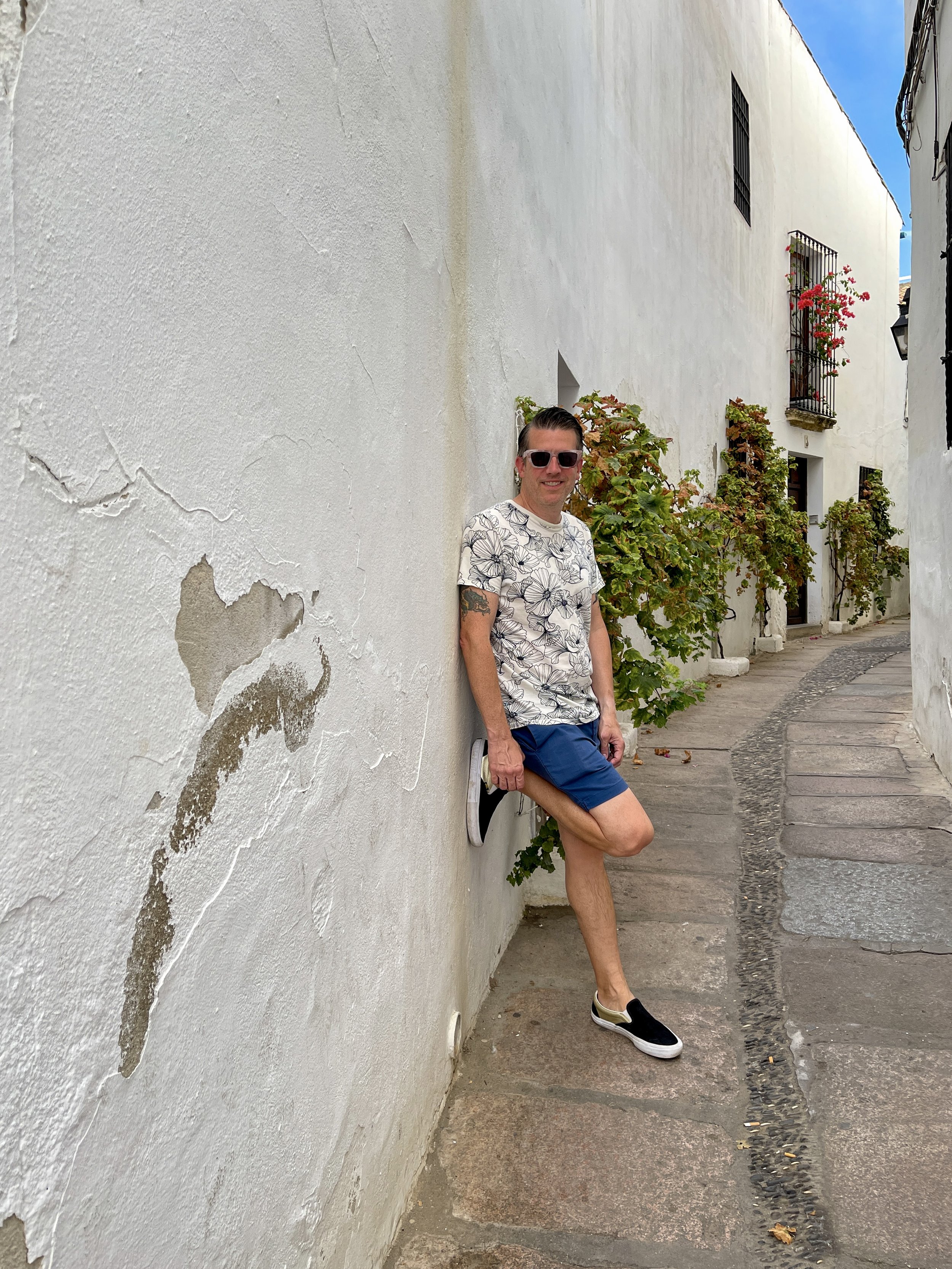
Man in floral patterned t-shirt and blue shorts leans against white wall with greenery on narrow lane in Cordoba, Spain

Wally leans against the Los Patios complex’s exterior wall in one the narrow pedestrian lanes that make Córdoba so charming — and provide a respite from the heat.

Finding Los Patios del Pañuelo

On the afternoon of our arrival, our cab driver dropped Wally and I off on Calle Rey Heredia and directed us to an opening between the shops, which marked the entrance to Calle Osio, the pedestrian-only passage where Los Patios del Pañuelo is located. The cobblestone thoroughfare is named after Hosius aka Osio, who was the first bishop of Córdoba from 295-357 CE.  

Before it was renamed for the cleric, the street bore the name Espalda de Santa Clara, which referred to the defunct Convento de Santa Clara. A 3-by-3-inch hand-painted tile displaying its old name remains securely affixed to one of the walls off the street. Osio is spelled out in tiles to the right, but only the O and S peek out from behind a circular red and white sign. We were a bit perplexed as we tried to orient ourselves.

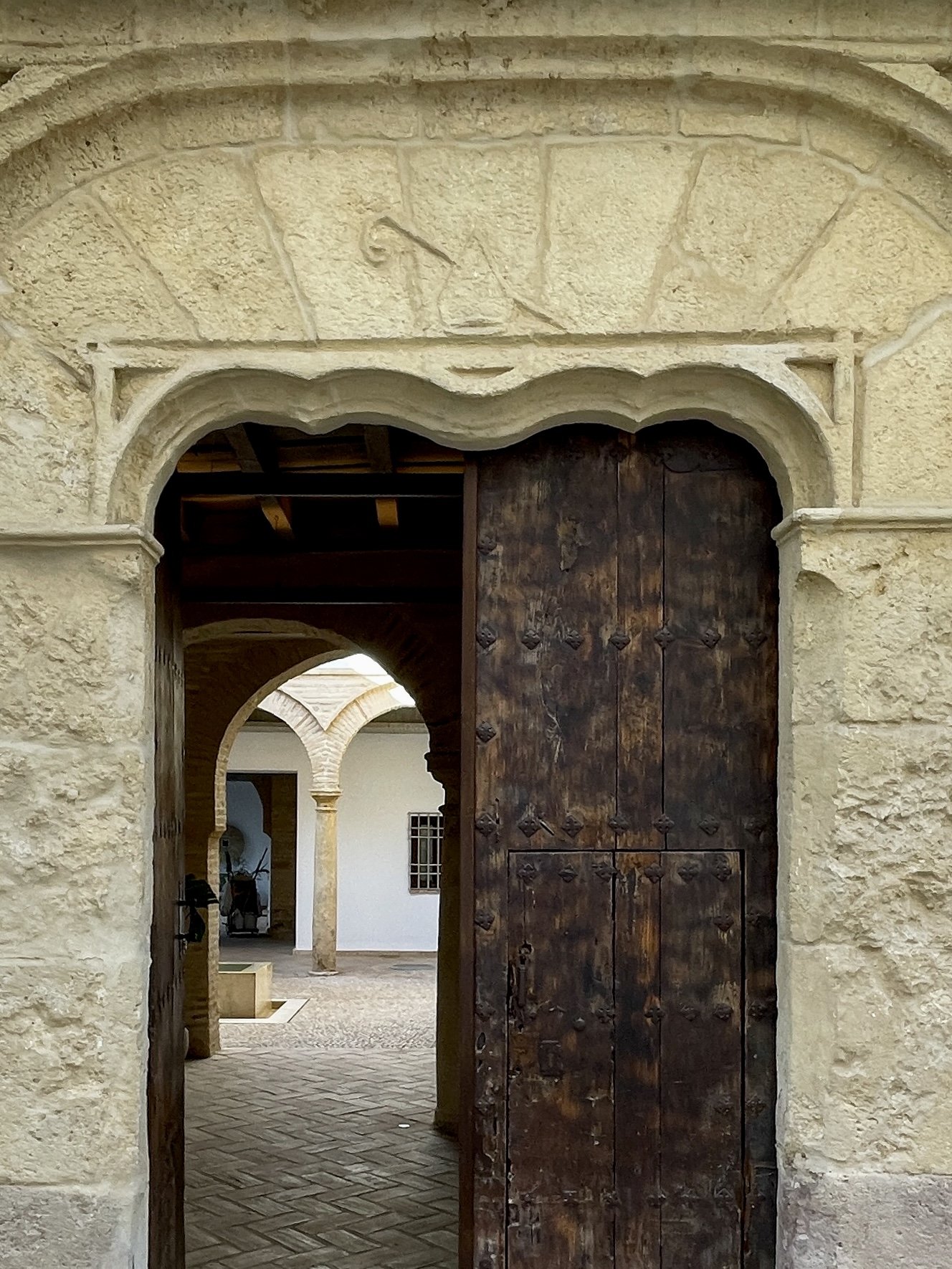
Weathered wood front door under stone archway looking into collonaded courtyard at Los Patios del Pañuelo in Cordoba

Look closely: The mitre and crozier, symbols of a bishop, are visible above the entrance to Los Patios del Pañuelo.

Adding to our confusion was the irregular order of street numbers. As we were walking along the street in search of number 10, with our suitcase in tow, we came to a halt in front of a white powder-coated steel screen with the word “Patios…” laser-cut into it. Although the address didn’t match, we glimpsed a courtyard beyond and decided to ring the doorbell at the adjacent door. To our surprise, a short, older woman, in the midst of dyeing her hair, greeted us with a warm smile and a towel around her neck. She chuckled and told us to continue a bit farther up the street. We thanked her and resumed our journey. 

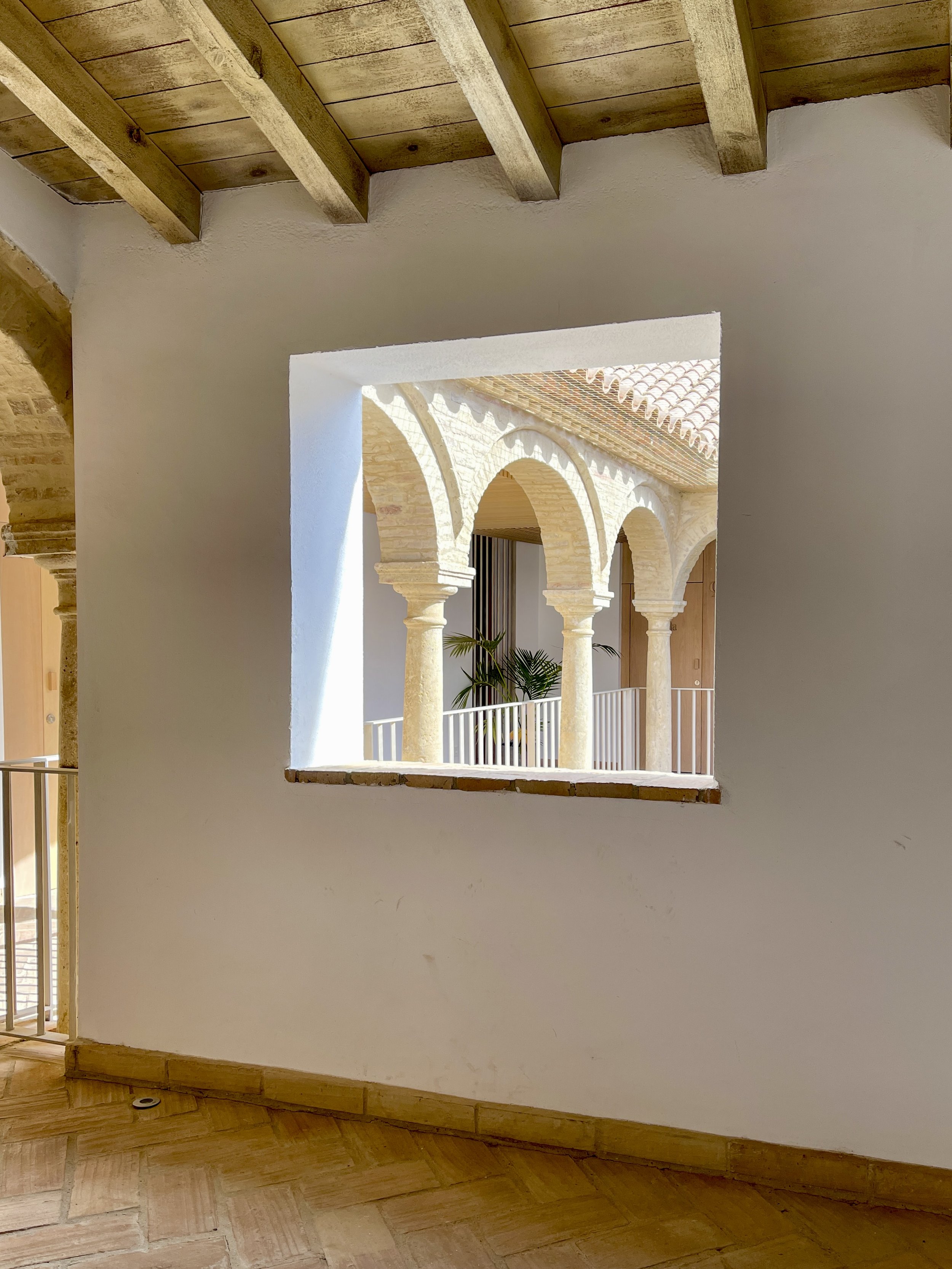
Light brick arches and plaster columns seen through square window of wood-beamed room at Los Patios del Pañuelo in Cordoba

An interior window acts as a perfect frame for a view of the gorgeous courtyard beyond.

Eventually we found Los Patios del Pañuelo and entered the keyless security code we had been provided with prior to our arrival. Los Patios sits within the two-story 17th century manor that was the former residence of the aforementioned bishop, which extends into two adjoining properties (a mitre and crozier, the liturgical headdress and ceremonial staff of a bishop, can be seen above the entrance). 

Its name comes from Calleja del Pañuelo, the narrow alley that runs behind the last of the complex’s three interior courtyard apartments. If you’re as curious as I was about the name, it roughly translates to Handkerchief Alley. This is because the passageway’s width measures around 20 inches, or 50 centimeters — no wider than a fancy gentleman’s or a lady’s lace handkerchief, which was once a must-have accessory for high society.

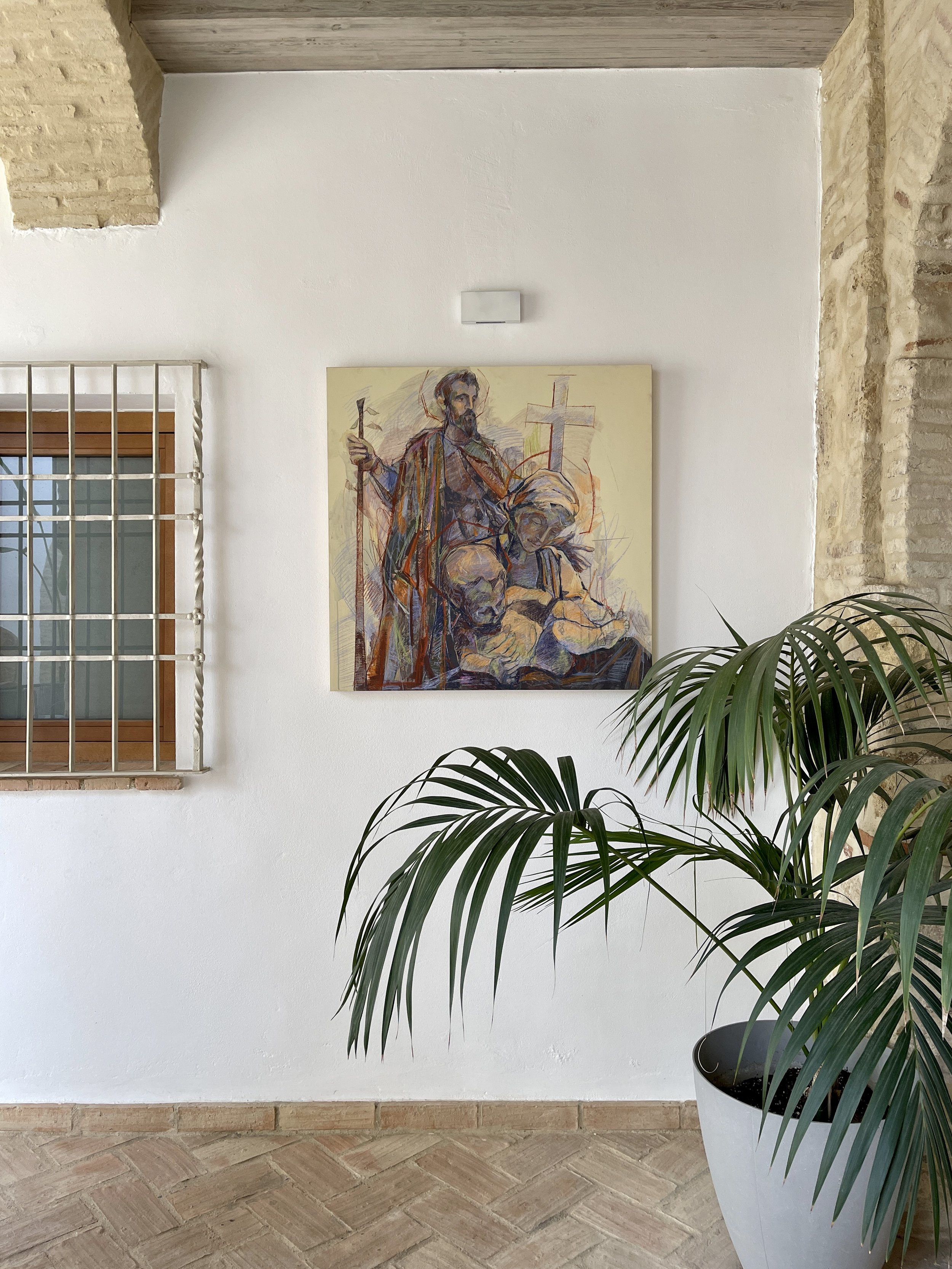
Religious painting by potted palm and grated window in the entrance courtyard of Los Patios del Pañuelo in Cordoba

A kinetic modern painting depicting the nativity, with Joseph, Mary and baby Jesus, by Kiko Flores, is displayed on the first patio and is a ode to the building’s previous life. 

Beyond the heavy wooden doors is a foyer with a reception desk and a set of numbered wall boxes corresponding to the apartments, where you can securely stash your key when you leave for the day. I found this feature to be liberating. A concierge, Maria, was present when we arrived to complete our check-in, and either herself or Judit can be easily reached during off-hours via WhatsApp.  

Living room of Apartment 2 at Los Patios del Pañuelo in Cordoba, with sofa, chairs, round glass table and wood-beam ceiling

The living room area in Apartment 2, looking at the kitchen. We loved the zen-like calm the space evoked, and details like the wood-beamed ceilings.

A Stay in Apartment 2

Wally and I stayed in apartment 2, Antonio Jesús. Each of the 13 apartments has been named for the owner’s numerous children in order of age. The 14th bears his and his wife’s name, Antonio and Mati. 

Our apartment was equipped with air conditioning and situated on the ground floor off the first patio. We had an inviting outdoor seating area with a fountain, reached through the flat’s sliding glass doors. It served as a welcome retreat from the crowds and sweltering heat. During our three-day visit in early October, the city sizzled at a scorching 93°F (33°C). 

Sleek kitchen with gray and wood cabinets in Apartment 2 in Los Patios del Pañuelo in Cordoba

Clean lines and sleek cabinetry keep the kitchen uncluttered.

Upon entering the flat, we found a welcome basket filled with a carton of juice, milk, a loaf of brioche, and single-serve packets of olive oil, marmalade and Nutella placed on the coffee table in the living room and kitchen. The kitchen runs along one wall. It’s small but was equipped with a Nespresso coffeemaker, refrigerator, radiant electric cooktop and a washing machine, all neatly concealed within custom-made cabinets. 

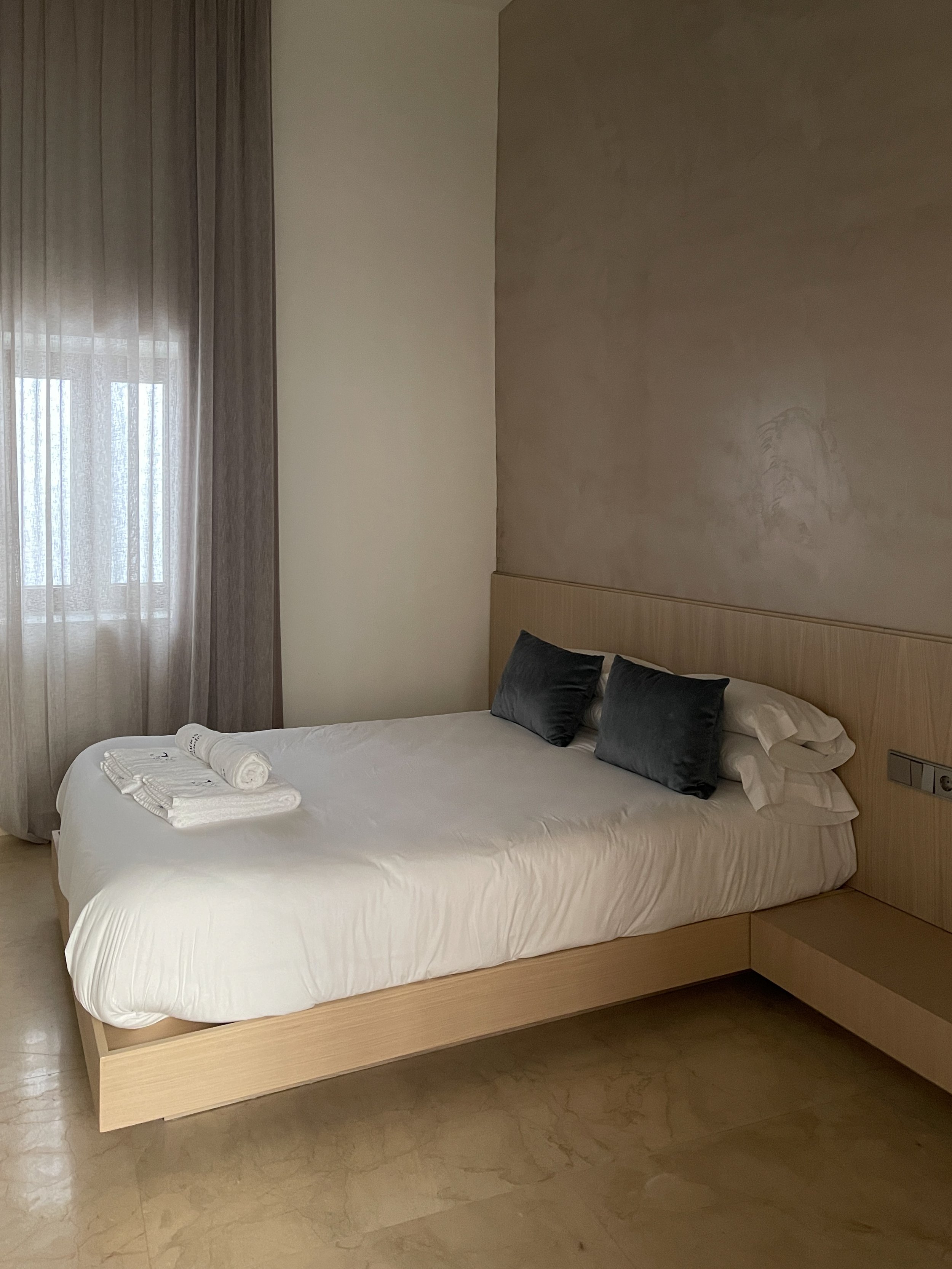
MInimal bedroom of Apartment 2 at Los Patios del Pañuelo in Cordoba

This was the bedroom we chose to sleep in.

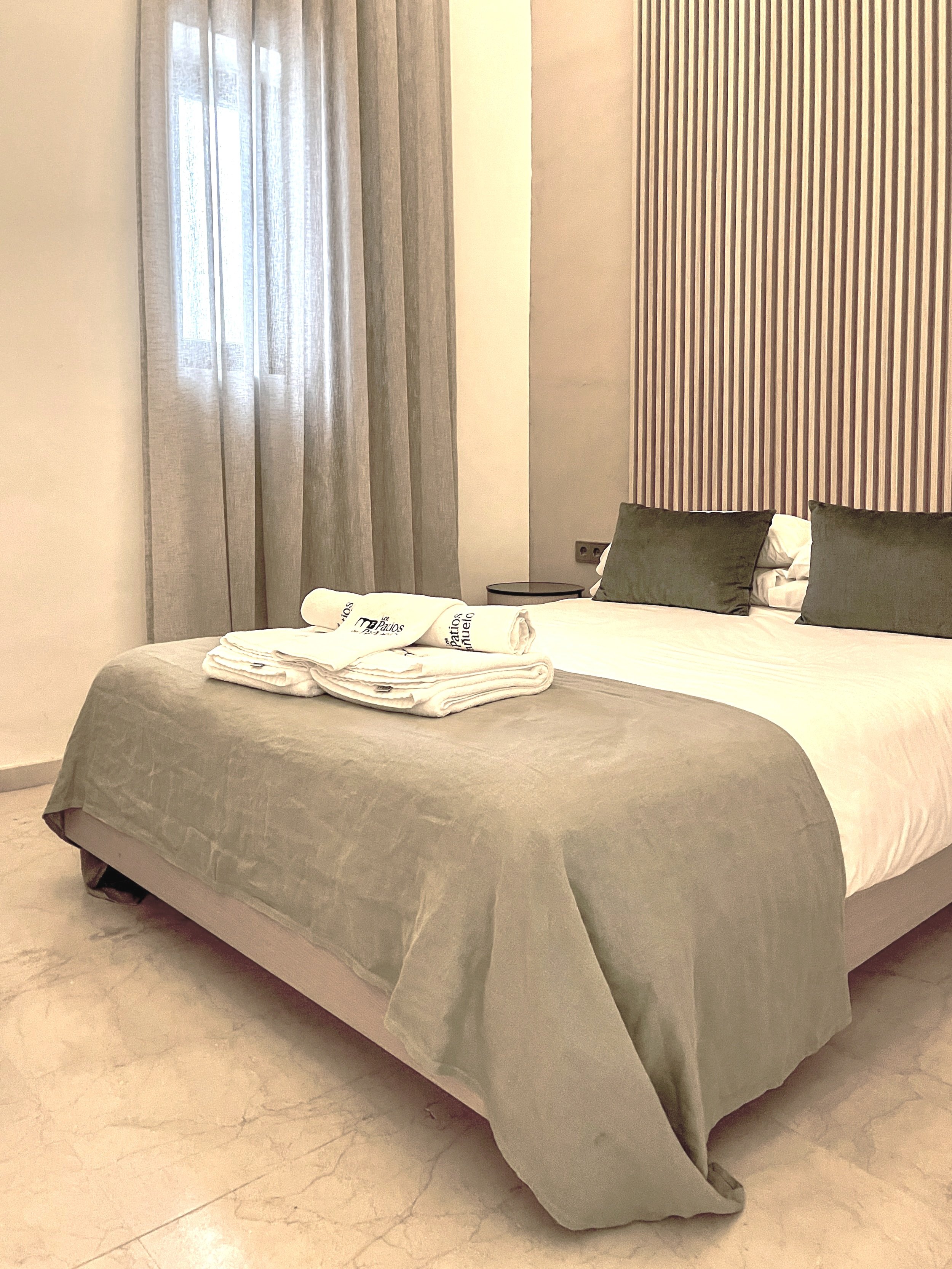
Bed with white towels and green bedspread and high wood paneled headboard by curtained window at Los Patios del Pañuelo in Cordoba, Apartment 2

Apartment 2 has a second bedroom.

The muted palette matches the natural, earthy tones of weathered brick and stone of the courtyard, while the high, lofted ceilings evoke a distinctly Moorish influence. The bedrooms, serene and cozy, with thick stone walls and luxurious beds, afforded us a restful night’s sleep. 

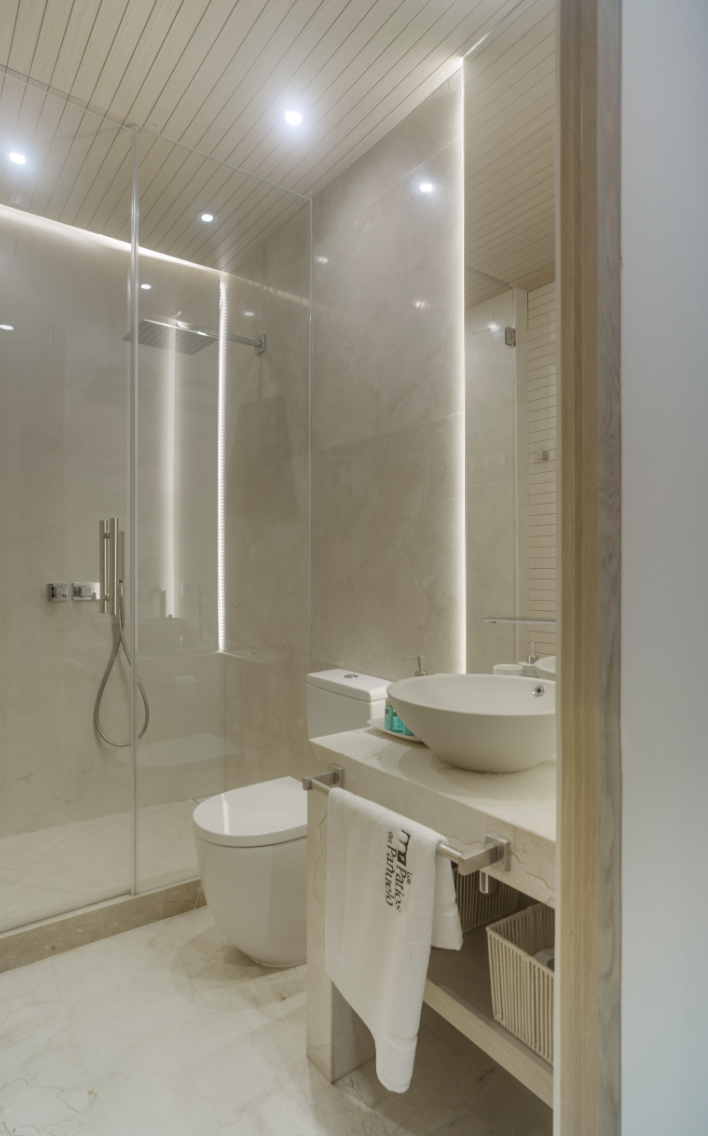
Small modern bathroom with basin sink, toilet and glass-walled shower at Apartment 2 at Los Patios del Pañuelo in Cordoba

The small but modern bathroom in Apartment 2

I admired the details throughout the apartment: the exposed wooden beams, natural stone floors, linen curtains and plaster walls. In addition, the bathroom features a rain shower and is stocked with orange and cedarwood-scented body care products by Rituals. 

Period details like the brick arches and columns were restored during the renovation and came from the nearby ancient city of Madinat al-Zahra. Be sure to explore each patio to appreciate each one’s unique beauty. 

A Heavenly Blend of Historic and Contemporary

When building the complex, the owners enlisted the expertise of local firm Amas Studio to unify the properties. The result is a harmonious blend of contemporary conveniences, restored period details, natural materials and exquisite craftsmanship.

During our stay, Wally and I explored the complex, which is divided into three zones. The first patio (we liked to think of it as ours) has columns with rounded Tuscan capitals, exposed sand-colored brick, and a square fountain. 

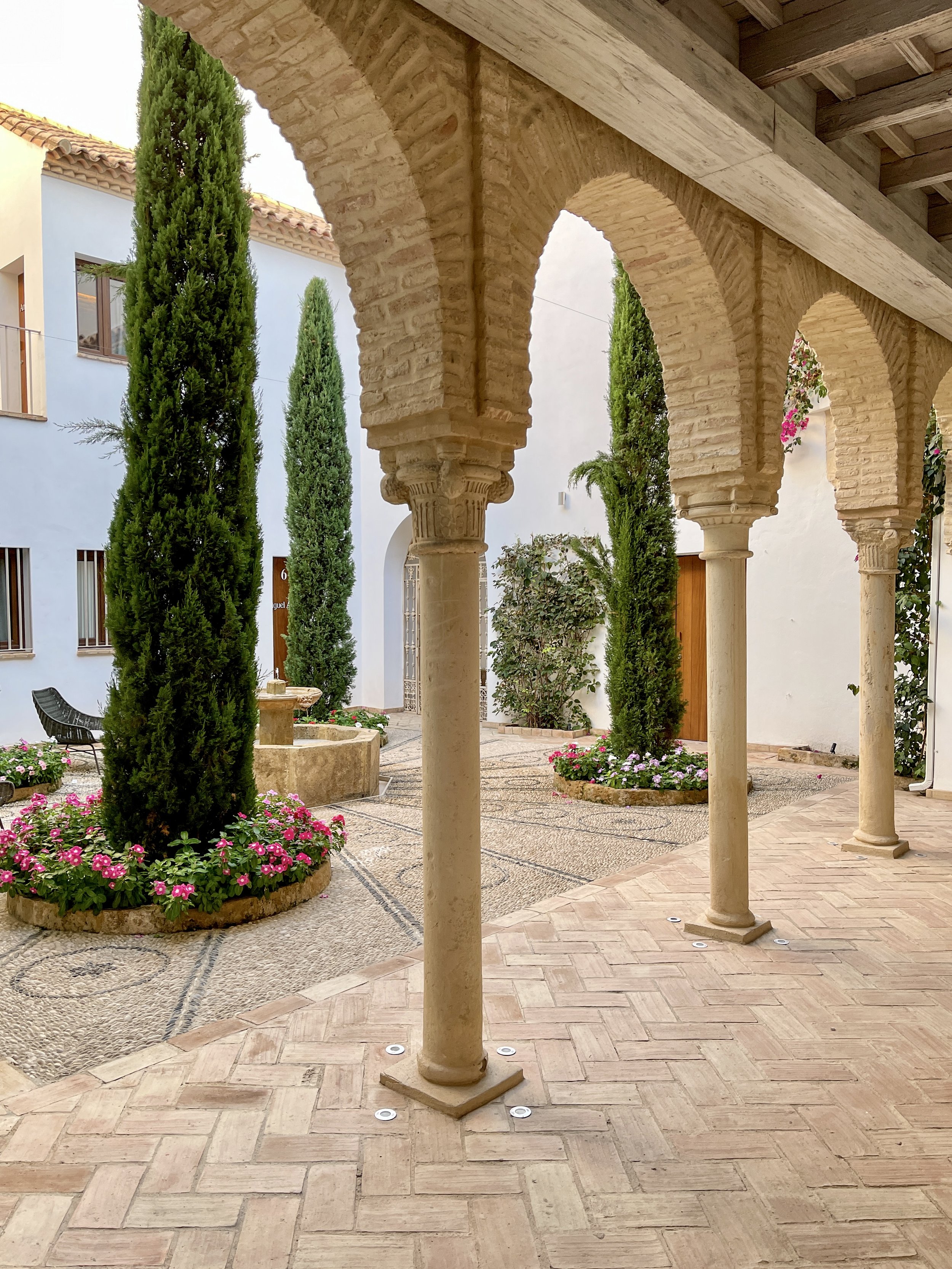
Courtyard with octagonal fountain, chairs, plants and patterned stonework at the white-walled Los Patios del Pañuelo in Cordoba

Every corner of Los Patios del Pañuelo pays homage to its past. This includes a stone fountain adorned with lion heads in the second terrace — an original fixture that’s been lovingly restored. 

The other courtyards feature columns topped with Arabesque designs. The second one has an octagonal fountain with a bowl adorned by four lion’s heads spouting water, encircled by a meticulously arranged mosaic created from thousands of rounded black and putty-colored river rocks, arranged into a pattern that radiates like sunbeams.

View of Bell Tower in Cordoba, Spain, lit up at night

The best-kept secret of Los Patios is the balcony off the meeting room. The charming concierge recommended we go up there with some drinks to enjoy the sunset.

Los Patios del Pañuelo offers the advantage of catering to both short visits and extended stays and was the perfect home base for us. If you’re searching for a great place to spend a few days or more in Córdoba, your search can end here. –Duke

The name awkwardly translates to The Patios of the Handkerchief, referring to a narrow alley out back.

Los Patios del Pañuelo

Calle Osio 10
14003 Córdoba 
Spain 


How to Successfully Run a Company in Spain as a Foreigner

If you want to do business in Spain, you need to know about various processes: registration, appointing a fiscal representative, opening a bank account, tax and VAT numbers, and regulations. These tips will help you get started on the right foot.

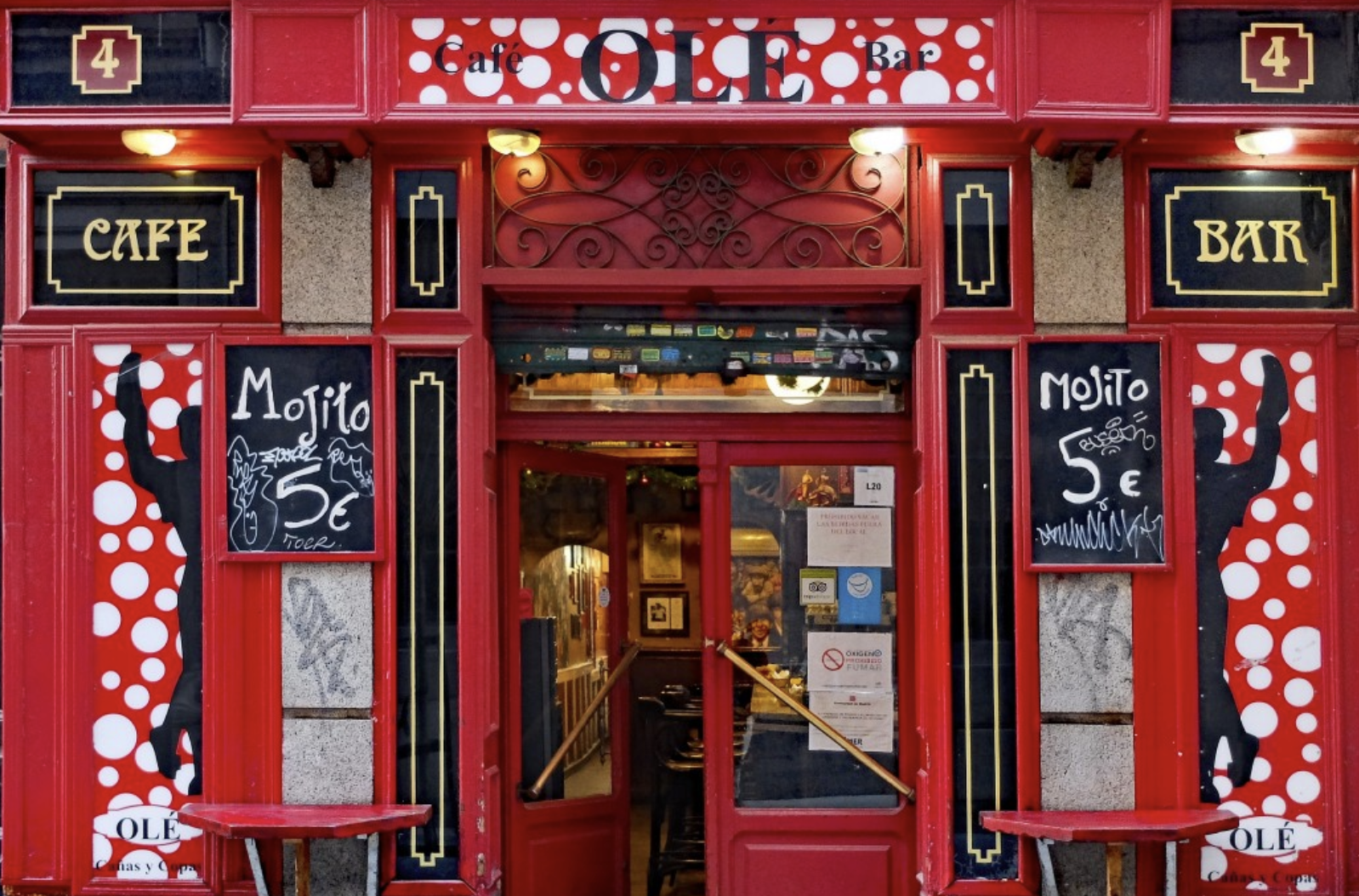
Cute facade of Spanish cafe and bar called Olé, mostly red with white dots and chalkboards advertising mojitos for 5 euro

With its rich culture and passionate people, Spain is an exhilarating place to do business. But it can also be a challenge for those starting a foreign company, who may not be familiar with the country’s customs and way of doing things.

Here are some tips for successfully launching and managing an enterprise in Spain, from navigating the business landscape to building solid relationships with local partners.

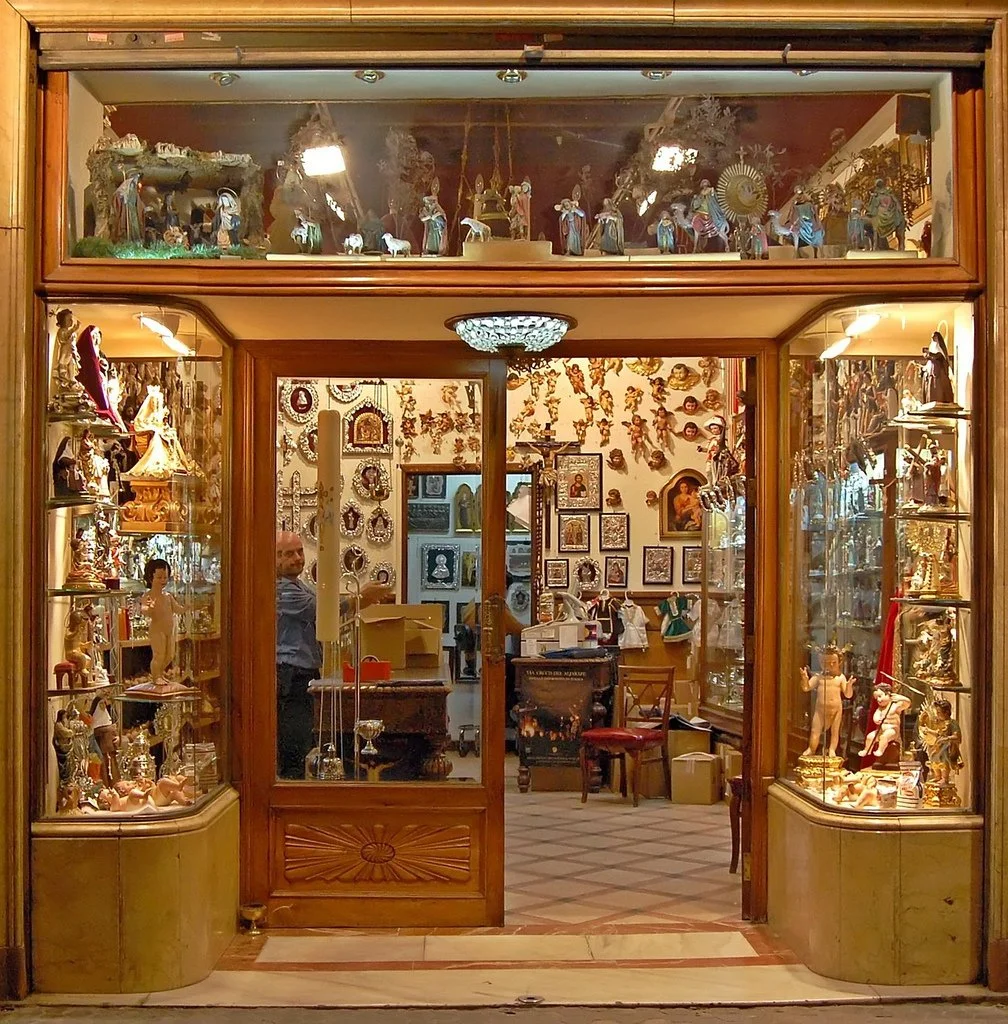
Looking into a shop selling religious curios and handicrafts in Spain

Registering a company in Spain

First, contact the local chamber of commerce and industry to register your brand in Spain as a foreigner. They will provide you with the necessary information and help with the registration process. 

Second, you will need to draft your company’s statutes and have them approved by a notary. Once you complete that, you can register your firm with the commercial registry. That’s the government body responsible for recording and maintaining information on all companies registered in Spain. To register your corporation, you’ll need to provide them with various documents, including those statutes, a copy of your passport and proof of address. 

Once your brand is registered, you’ll be issued a registration certificate.

Two people sit to the side in a colorful open-floor plan office with yellow, green and blue furniture in Spain

Appointing a fiscal representative

Foreign companies in Spain must appoint someone authorized to represent the business in all tax matters. They will ensure that the corporation complies with Spanish tax law and files the necessary tax returns.

The fiscal representative must be a resident of Spain and have a valid tax number. They will also be the company’s and Spanish tax authorities’ point of contact. Notably, the representative must keep accurate records of the brand’s financial transactions and file the appropriate tax returns.

The exterior of the Bank of Spain in Valencia, a beautiful white building on the corner with towerlike element in the center, on a street with a red scooter and palm trees

Opening a company bank account

The process of opening an enterprise bank account in Spain is relatively simple. You will need to go to any branch of a Spanish bank with your company’s registration documents and ID for the brand’s legal representative. Once you have all the required documents, the bank should be able to open up an account for your business relatively quickly. However, checking with the specific bank beforehand is always advisable to see their requirements.

Aerial view of Centro in Madrid, with beautiful old edifices

Getting a Spanish tax number

All companies registered in Spain must have a Spanish Tax Identification Number (NIF). You must go to the local office of the Agencia Tributaria (Spanish Tax Agency) with the enterprise’s registration documents to obtain a NIF.

Upon obtaining a NIF, the agency will issue a Spanish tax number to the business. You must use this number on all tax filings and communications with the agency.

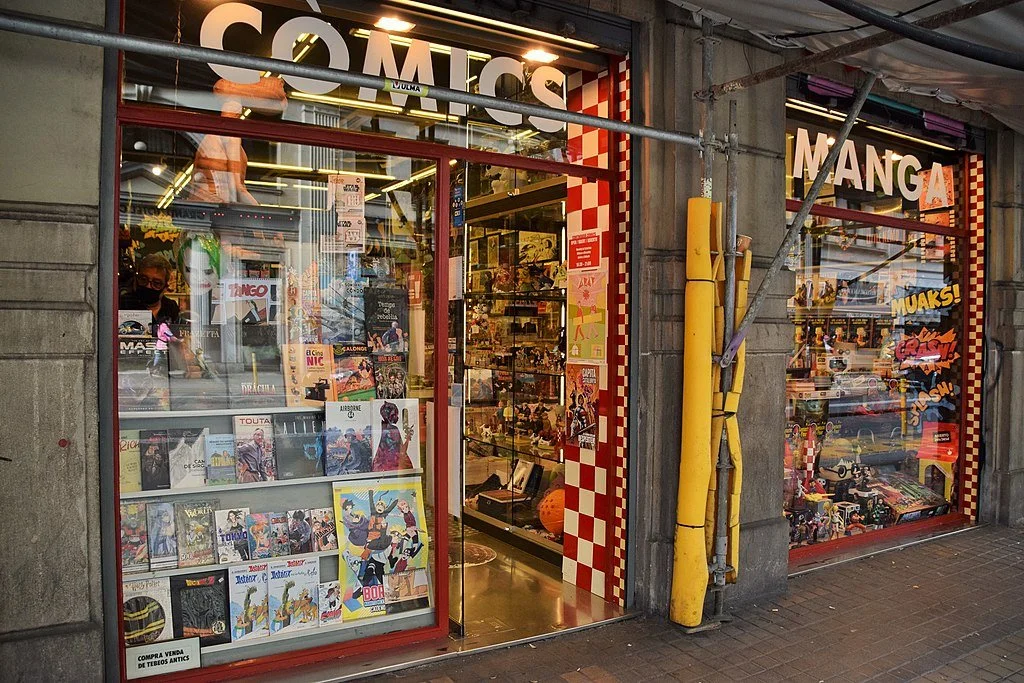
Comics and manga shop exterior in Barcelona

Getting a VAT number 

When you have registered, you will be issued a VAT (value-added tax) number which must be quoted on all invoices issued by your brand. The standard VAT rate in Spain is 21%, although there are reduced rates of 10% and 4% for specific items such as books, food and children’s clothing.

If your business is based outside of Spain, you can still register for Spanish VAT if you supply goods or services to customers in Spain. It’s known as “reverse charge VAT” and means that your customer, rather than your corporation, will account for the VAT due on the transaction.

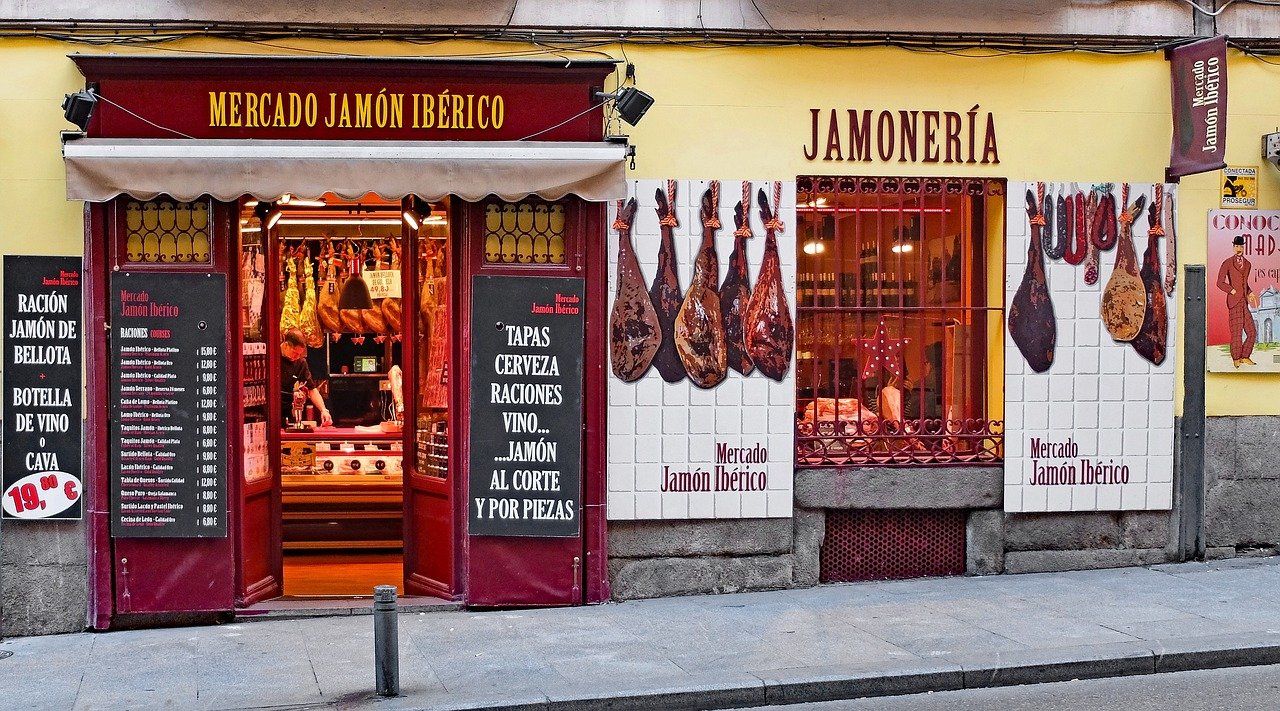
Facade of Mercado Jamon Iberico and Jamoneria, with tilework showing handing cured hams and pale yellow wall

Following health and safety regulations

In Spain, all companies must follow health and safety regulations. These include providing a safe working environment for employees, implementing safety procedures, and ensuring that all products and services are safe for consumers.

For example, companies must provide employees with safety equipment and training, implement safe work procedures, and regularly inspect work areas for hazards. They must also ensure that products and services are safe for consumers by conducting safety testing and providing clear instructions for use.

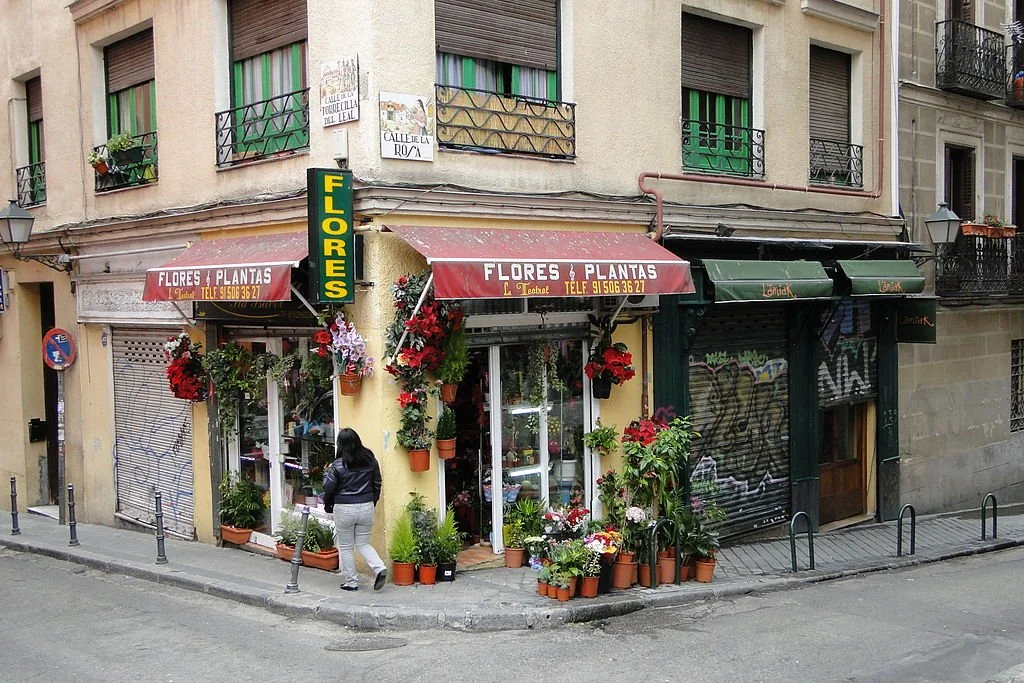
Flower shop on the street corner in Madrid, with pale yellow walls and lots of pots of plants and red flowers as woman walks by

Adhering to consumer rights

All companies operating in Spain must comply with consumer rights regulations. These include providing accurate information about products and services, honoring warranties and guarantees, and resolving complaints promptly.

For example, when selling a product, businesses must provide accurate and up-to-date information about that product. It includes the price, features, and any potential risks or hazards associated with using it. If a product comes with a warranty or guarantee, the enterprise must honor that agreement. And if a customer has a complaint about a product or service, the company must address that complaint promptly and professionally.

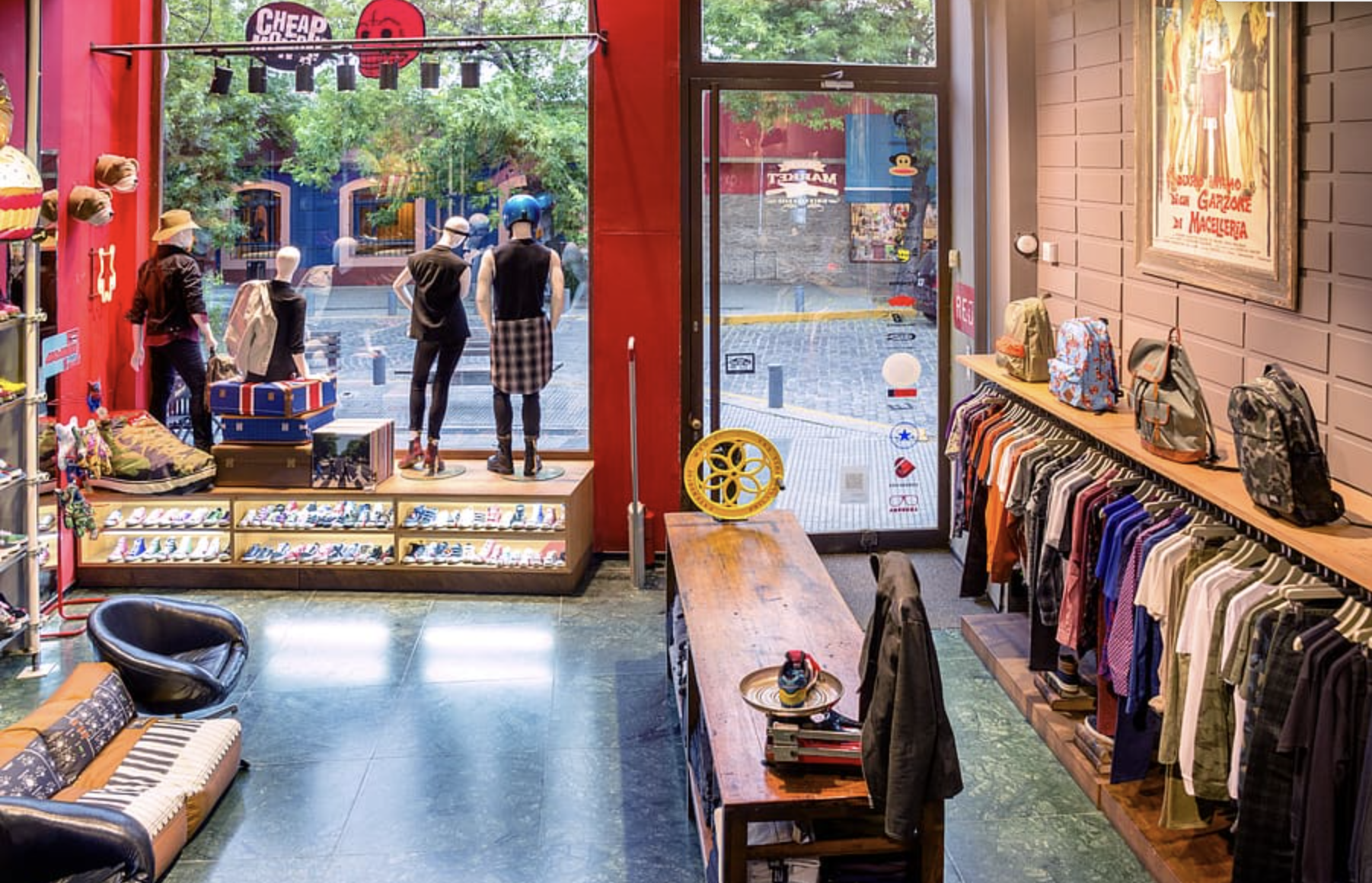
Interior of Spanish clothing shop, backpacks and shirts for sale, looking out to street, with mannequins in the front window

The Bottom Line

If you’re a foreigner looking to successfully start a company in Spain, keep the following in mind: Be adaptable, passionate and willing to put in the hard work. With these qualities — and these helpful pointers — you should be able to overcome any challenge and make your business thrive in Spain.

Now that you know what it takes to successfully run a biz in Spain, what are you waiting for? Start putting these tips into practice and start making some dinero in this beautiful country. –Vivian Gross

Shrimp Escabeche: A Tapas Treat

Looking for tapas recipes? This escabèche recipe features an aromatic marinade of olive oil, vinegar, garlic and oregano — a perfect tapa for turning any night of the week into a fiesta. 

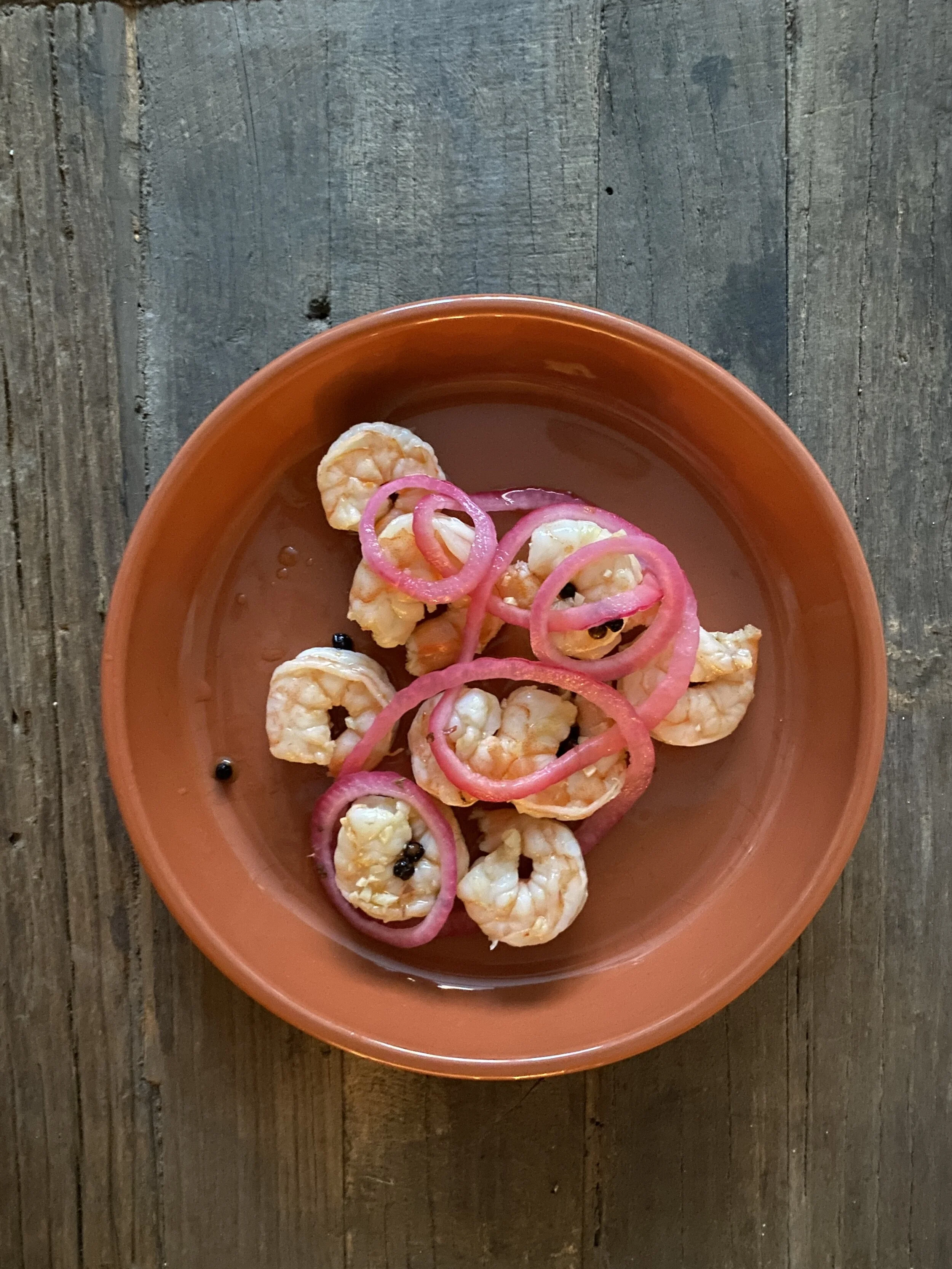
Shrimp escabèche: a delicious cold seafood tapa

Shrimp escabèche: a delicious cold seafood tapa

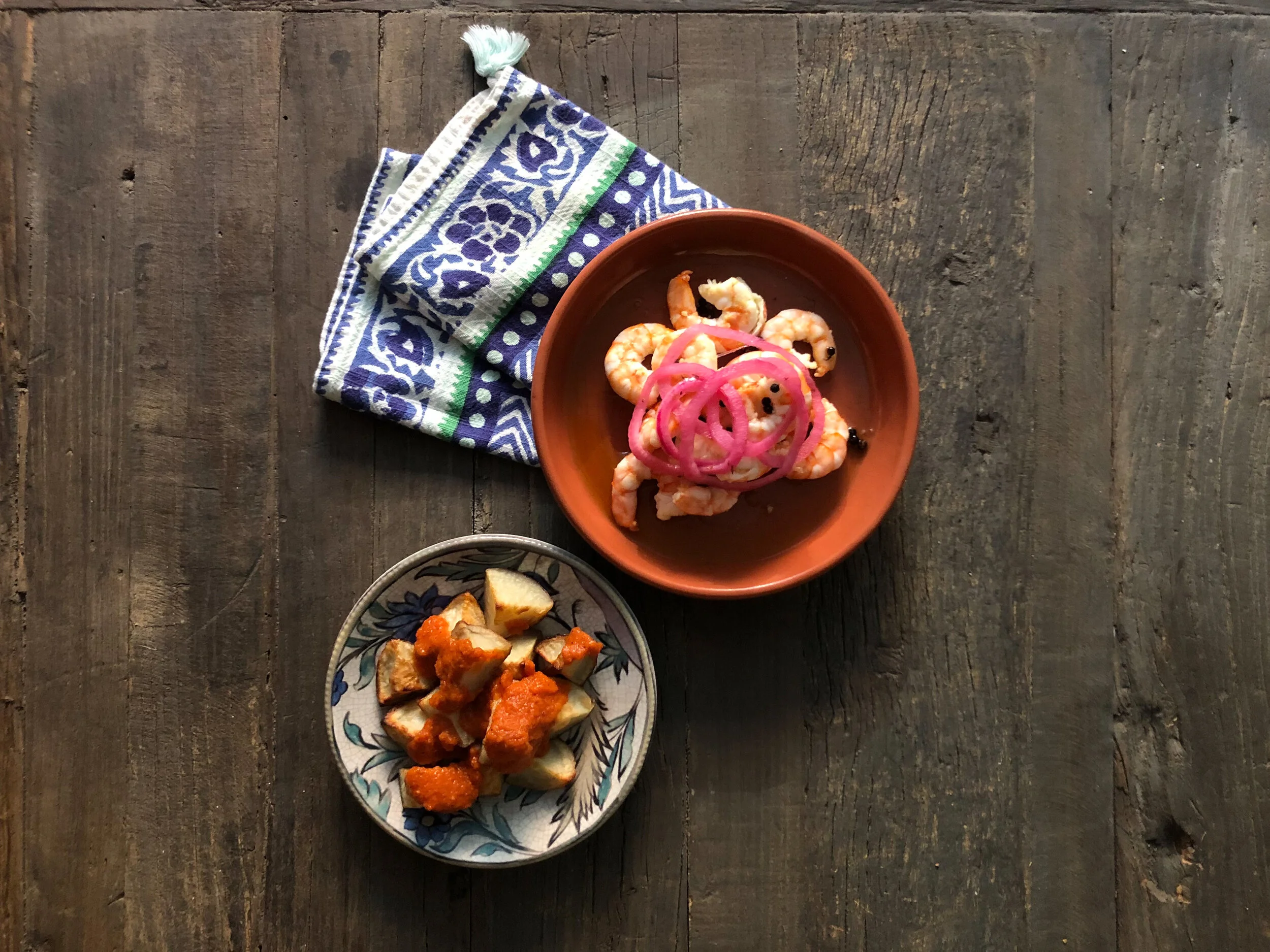
When the hot and sticky days of summer arrive in Chicago, I break out one of my tried-and-true tapas recipes. Pair this with patatas bravas, Manzanilla olives and cold bottles of Estrella or sangria for something muy auténtico.

Pair shrimp escabèche with patatas bravas for a mini tapas spread.

Pair shrimp escabèche with patatas bravas for a mini tapas spread.

Escabèche is a pickling technique used to flavor and preserve food. This method is believed to have originated in Persia, derived from the word sikbāj, meaning “vinegar stew.” It was brought to Islamic Spain, or Al-Andalus, by the Moors, and later adopted by the Christians, who found it to be a good way to get around eating meat on Fridays during Lent. 

Escabèche is a pickling technique brought to Spain by the Moors, and later adopted by the Christians, who found it to be a good way to get around eating meat on Fridays during Lent. 

I love the marriage of garlic-infused olive oil and the tang of acid from the vinegar quick-pickled (or “quickled,” as Wally likes to say) red onions. They’re an ingredient we usually avoid, as we find their flavor to be too aggressive raw, but the quickling takes the bite out of the onions. 

The escabèche process is simple and never disappoints. Plus, all of the ingredients can be prepared ahead and assembled the next day. 

Pickled onions, peppercorns and shrimp combine into a tasty treat.

Pickled onions, peppercorns and shrimp combine into a tasty treat.

Shrimp Escabèche Recipe

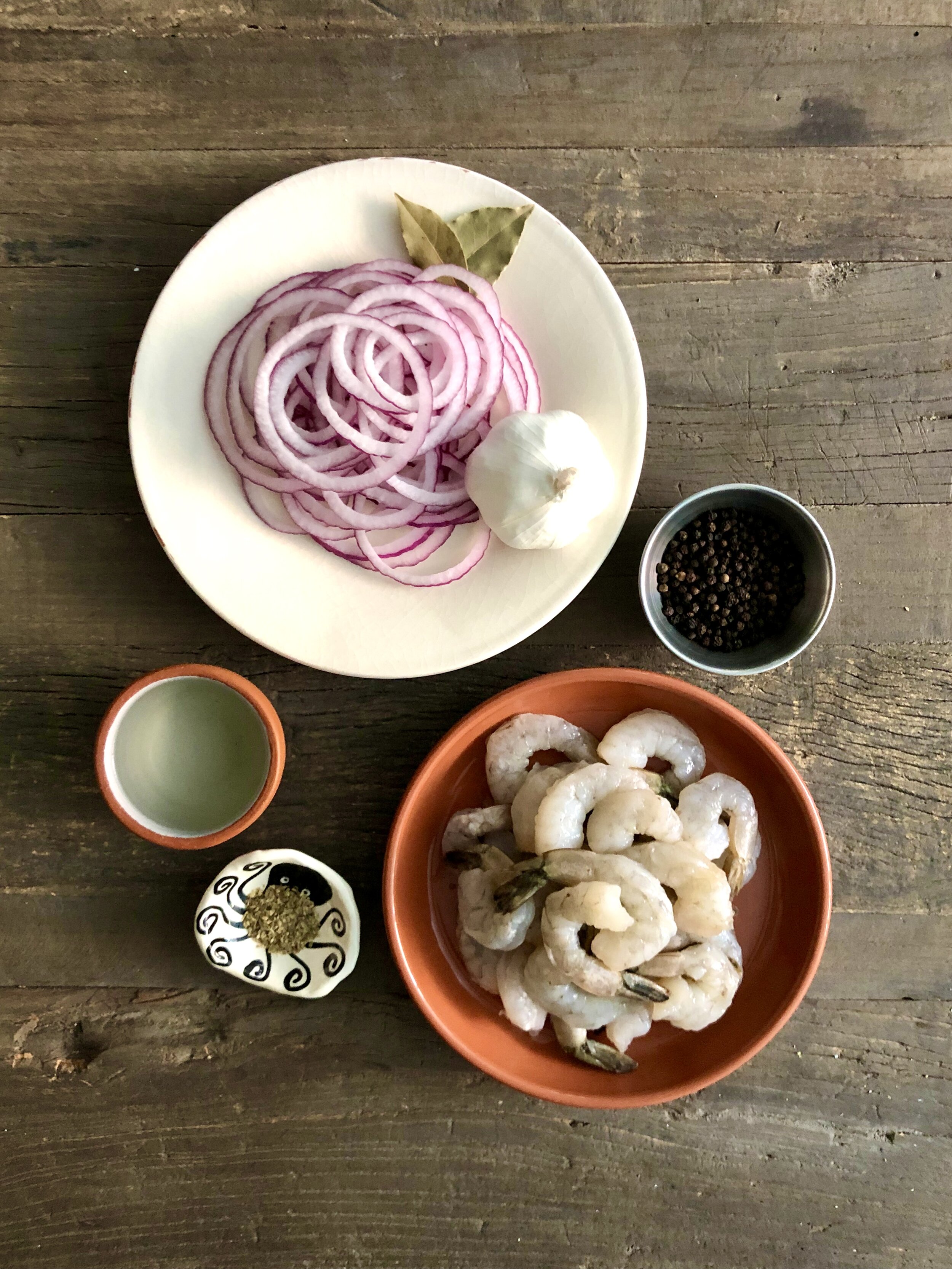
INGREDIENTS 

  • 1 small red onion

  • ½ cup distilled white vinegar

  • ¼ teaspoon dried oregano (preferably Mexican) 

  • ⅔ cup extra-virgin olive oil

  • 2 Turkish bay leaves or 1 California bay leaf

  • 2 garlic cloves, smashed

  • 1 teaspoon black peppercorns

  • 1 pound raw, peeled and deveined shrimp

  • Fine sea salt

Red onions, garlic, bay leaves, peppercorns, vinegar and shrimp: your ingredients for a simple, tasty tapas dish

Red onions, garlic, bay leaves, peppercorns, vinegar and shrimp: your ingredients for a simple, tasty tapas dish

PREPARATION 

Slice the onion in half and peel off the outer layer of skin. I like to use a mandolin, placing it on a cutting board. Be sure to use the slicing guard or a cut-resistant glove — these devices can be dangerous! Push the flat side of the onion away from you and repeat this motion with even pressure to keep slices consistent. If you don’t have a mandolin, just try to slice the onion as thin as possible.

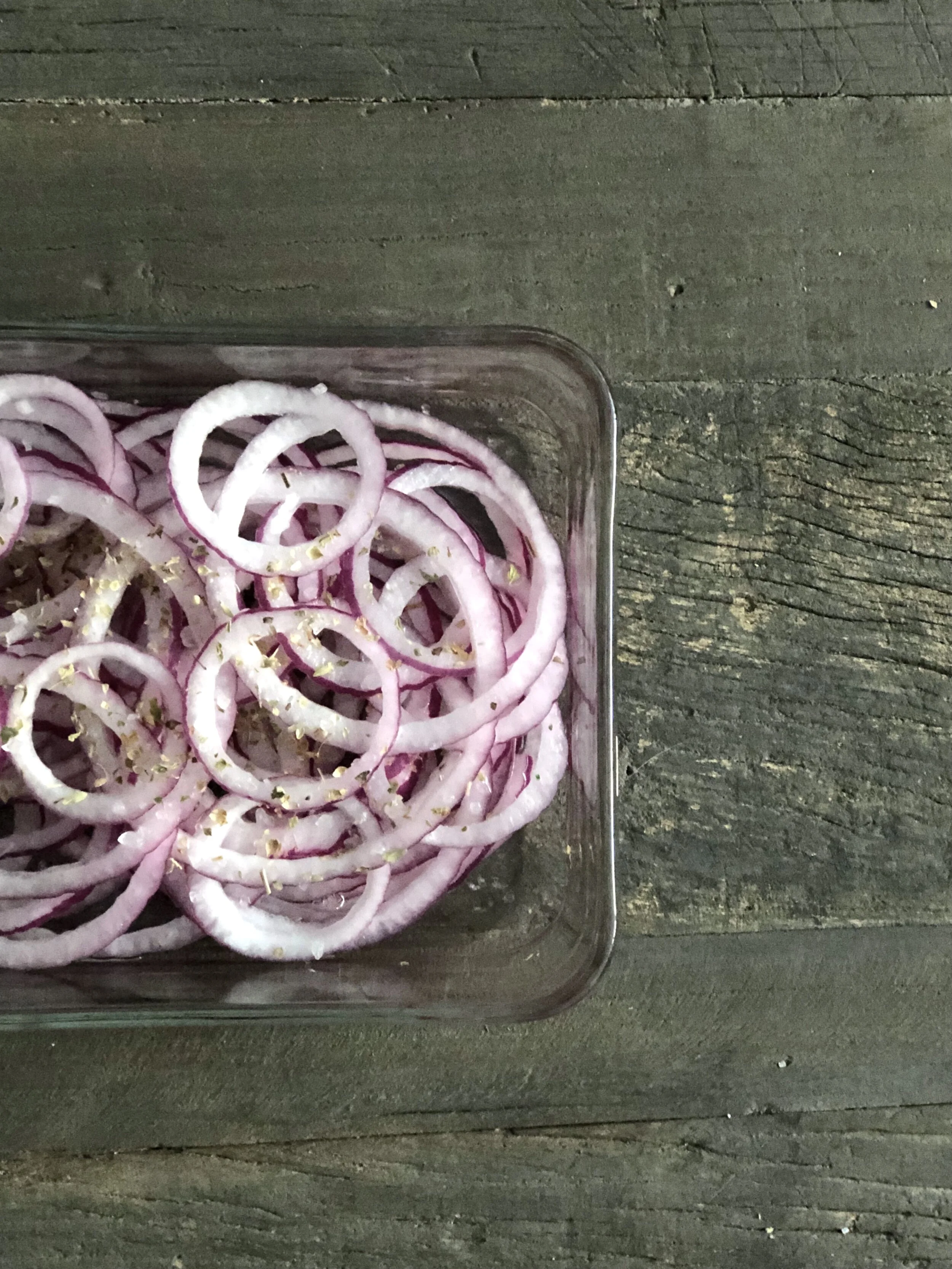
Toss together the onion slices, vinegar, oregano and 1 teaspoon salt in a shallow glass or ceramic dish. These are non-reactive materials; if you use a metal dish, you’ll end up with a metallic-tasting tapa. 

Cover with plastic wrap and place in the refrigerator. 

Quickling the red onions takes the bite out of them.

Quickling the red onions takes the bite out of them.

Gently simmer the bay leaves, garlic and peppercorns in olive oil in a medium saucepan for 10 minutes until fully heated through. Remove from heat until ready to use. 

Add shrimp to a medium pot of boiling salted water (1 tablespoon salt for 2 quarts water). Remove from heat and let stand, uncovered, until just cooked through, about 5 minutes. 

Poached shrimp

Poached shrimp

Drain and then combine with the oil mixture in a medium bowl, stirring to evenly coat the shrimp. 

Wrap the bowl with plastic wrap and let the shrimp and infused oil mixture marinate in the refrigerator 12 to 24 hours before eating. 

Discard the bay leaves and plate the shrimp cold or at room temperature. 

Garnish with the onions and pickling liquid. 

We like to make sure you get some onions and at least one peppercorn with every bite. It’s the mix of flavors that makes this dish so tasty.

¡Buen provecho!

Note: The escabèche can be refrigerated for up to 5 days. –Duke
The Mind-Bogglingly Gorgeous Nasrid Palaces at the Alhambra

No trip to Granada is complete without a tour of the Palacio de los Leones and the Palacio de Carlos V. Learn the colorful history, which includes an explosion and a dinner party massacre.

The Patio de los Leones, with its namesake fountain
The Patio de los Leones, with its namesake fountain
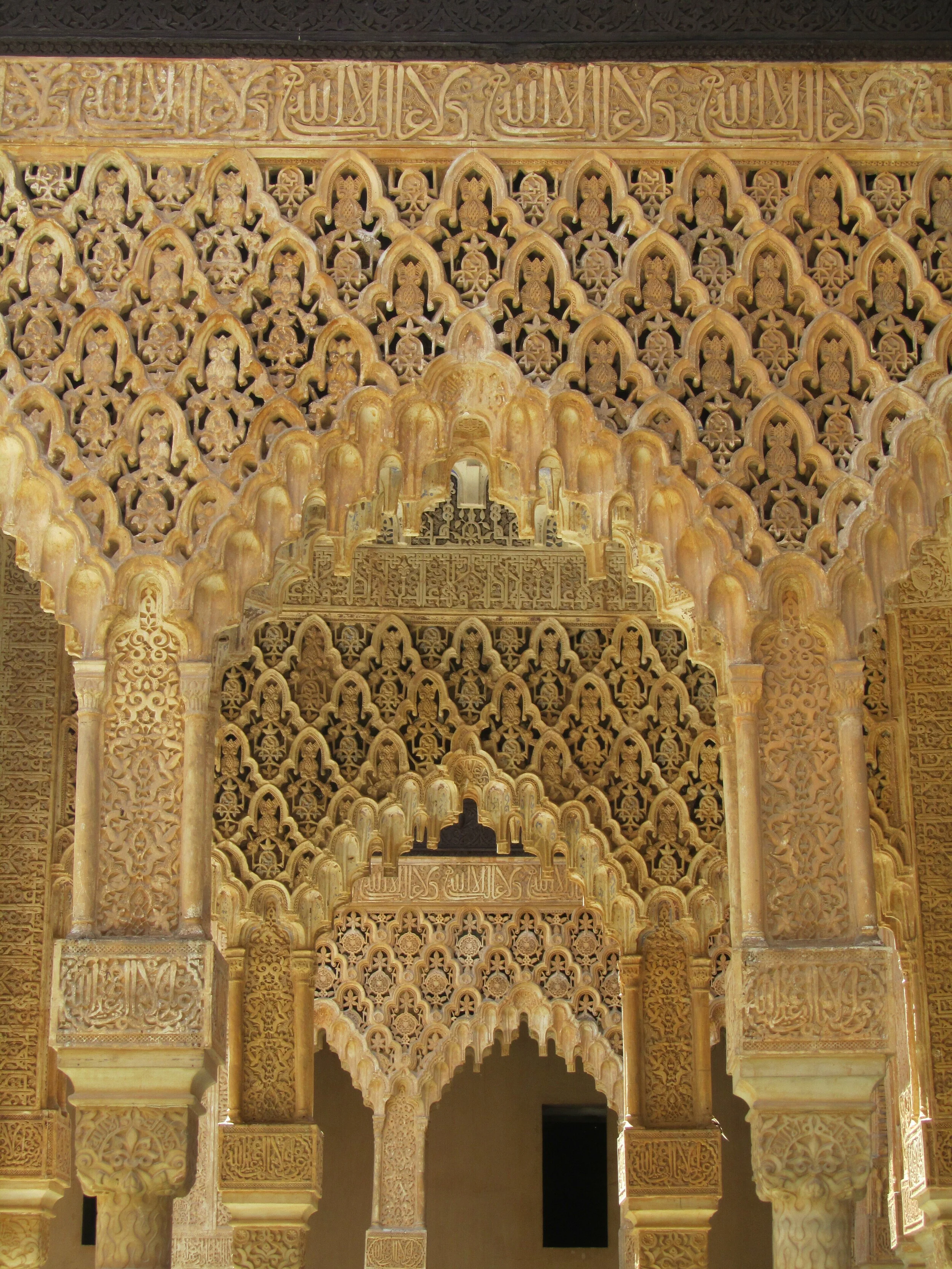
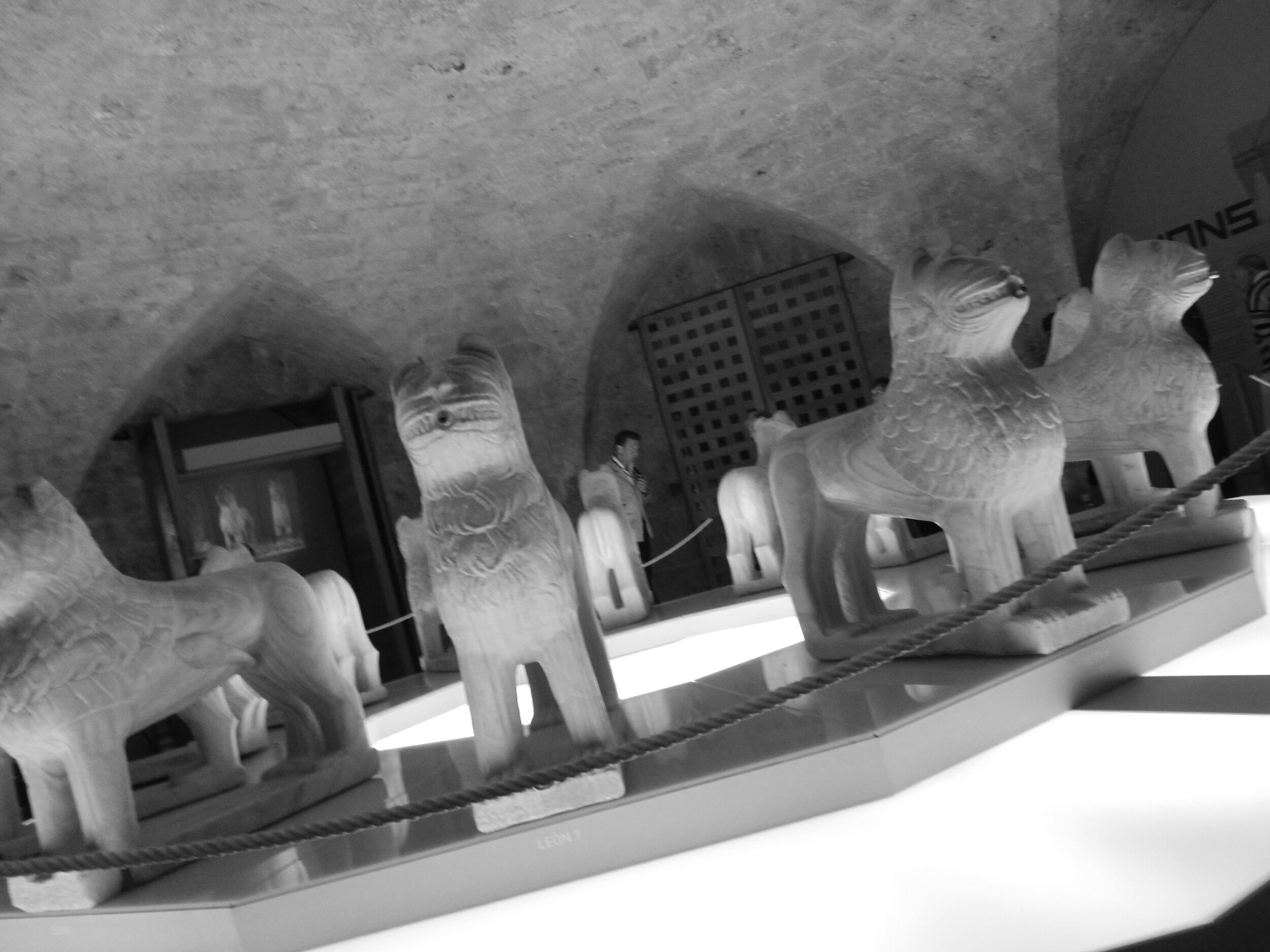
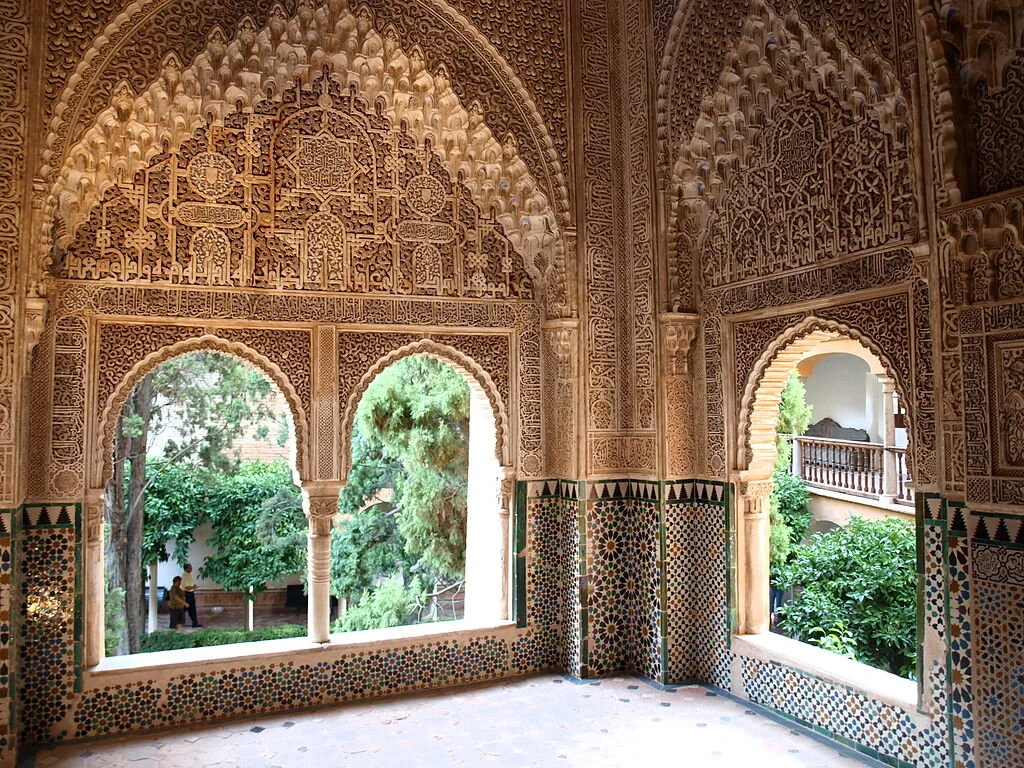
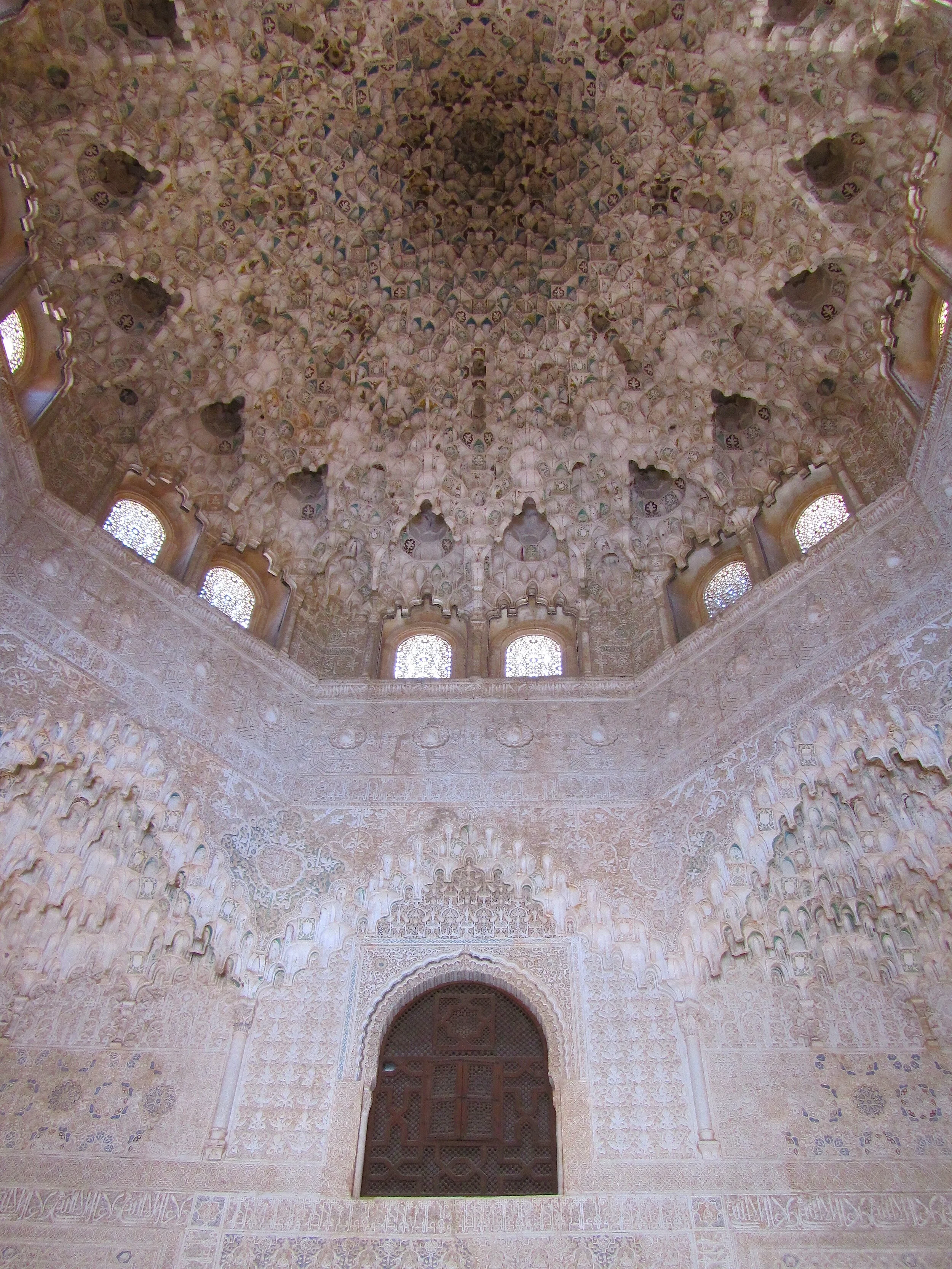
The impressive Alhambra complex in the charming town of Granada, Spain is a collection of palaces built at various times during its history. At the heart of the Nasrid Palaces complex is the Palacio de los Leones (Palace of the Lions). It’s likely that the structure was originally independent of the others, with the existing passage between the Comares Palace and the Palace of the Lions added sometime after the Muslim-ruled town of Granada fell to the Christians in 1492. 

This was our favorite part of the entire Alhambra complex.

This was our favorite part of the entire Alhambra complex.

Built at the peak of the Nasrid dynasty, the palace and cloister-like courtyard known as the Patio de los Leones (yes, you guessed it: the Patio of the Lions) was commissioned by Muhammad V during the second half of the 14th century, as a pleasure palace for the emir and his harem. 

What Islamic art lacks in depictions of living creatures, it more than makes up for in beautiful patterns.

What Islamic art lacks in depictions of living creatures, it more than makes up for in beautiful patterns.

It was like something out of “Game of Thrones.”

The sultan invited the chief noblemen of the Abencerraje family to a banquet — and set about unceremoniously massacring all 36 of them.
Delicate pillars frame restoration work.

Delicate pillars frame restoration work.

The two main structures we’re covering in this post are:

  • Palacio de los Leones

  • Palacio de Carlos V 

The wall carvings in this section of the Nasrid Palaces are truly spectacular. Can you spot the bird on its peculiar perch?

The wall carvings in this section of the Nasrid Palaces are truly spectacular. Can you spot the bird on its peculiar perch?


MORE ALHAMBRA POSTS

Explore the Generalife Gardens

Enter the Alcazaba fortress

Start your Nasrid Palaces adventure with the Mexuar and Comares Palace


Everywhere you look, your vision is filled with stunning architecture and delicate carvings.

Everywhere you look, your vision is filled with stunning architecture and delicate carvings.

At the time of our visit, the palace’s impressive namesake fountain, a polygonal basin supported on the haunches of 12 rather primitive-looking white marble lions, was undergoing restoration. As we passed by the fountain under repair, we were told no photos were allowed. Incidentally, this didn’t prevent Wally from discreetly holding out his camera and snapping an image of the fountain as we passed by. 

Wally snuck a shot of the lion fountain while it was under repair.

Wally snuck a shot of the lion fountain while it was under repair.

The fountain is unusual, as representations of living creatures do not typically appear in Islamic art. 

The patio is divided into four quadrants, with running water channels symbolizing the four rivers that run through the Islamic idea of paradise: wine, water, milk and honey.

Windows look out upon the greenery, which was watered via ancient aqueducts.

Windows look out upon the greenery, which was watered via ancient aqueducts.

Four Rooms 

Slender columns with cubic capitals support the intricately carved arcades of stalactite-like muqarna arches surrounding the perimeter gallery. Its massive chambers open onto the courtyard with the Sala de los Abencerrajes to the south and the Sala de las Dos Hermanas to the north. The other two are the Sala de los Mocárabes, closest to the entrance, and the Sala de Los Reyes, to the west, which was closed during our visit. 

The domed ceiling of the Hall of the Two Sisters reminded us of a honeycomb.

The domed ceiling of the Hall of the Two Sisters reminded us of a honeycomb.

Sala de las Dos Hermanas, the Hall of the Two Sisters

The room takes its name from a pair of large white marble slabs set into the floor. Why these slabs were thought to be female relations is anybody’s guess. But the most outstanding feature of the room isn’t its floors — it’s the ceiling. Framed by a symmetrical eight-pointed star illuminated by light that filters through 16 latticed mashrabiya windows, the beautiful honeycombed ceiling of this two-storied hall is nothing short of breathtaking.

The conquering Catholic Monarchs never completed their plasterwork ceiling. It junked up the room, if you ask us.

The conquering Catholic Monarchs never completed their plasterwork ceiling. It junked up the room, if you ask us.

Sala de Los Mocárabes, the Stalactite Hall of Muqarnas 

This room most likely served as a reception hall due to its proximity to the palace entrance. It took its name from a vault of stepped plaster brackets resembling stalactites known as mocárabes, or muqarnas in Arabic, that once covered it. It’s believed that these ornamental vaults were a symbolic representation of the cave where the Angel Gabriel revealed the Qur’an to the Prophet Muhammed. Sadly, these mocárabes were removed due to the explosion of a powder magazine in 1590.

An incomplete plaster ceiling featuring the imperial shield of Felipe II and the initials of Ferdinand of Aragon and Isabella of Castile were added to replace the mocárabes in 1614. 

The Slaying of the Abencerrajes by Marià Fortuny, 1870

The Slaying of the Abencerrajes by Marià Fortuny, 1870

Sala de los Abencerrajes, Site of a Massacre

This beautiful chamber is steeped in lore and is the site of one of the Alhambra’s most popular legends — like something out of Game of Thrones.

According to one version of the tale, Sa’d, the 20th sultan of the Nasrid dynasty, and his brother Muhammad XIII, were worried about the growing political power of a prominent noble family, whose surname was Abencerraje. The sultan was told that the Abencerrajes were plotting against him. He invited the chief noblemen of the Abencerraje family to a banquet — and set about unceremoniously massacring them. The legend continues, suggesting that the reddish-brown stains on the marble fountain in the center of the hall are traces of blood from the 36 slain Abencerrajes. 

With cherubs adorning its exterior, the Palace of Charles V feels very different than the rest of the Alhambra. In fact, it pales in comparison to the ornate opulence of the Palace of the Lions.

With cherubs adorning its exterior, the Palace of Charles V feels very different than the rest of the Alhambra. In fact, it pales in comparison to the ornate opulence of the Palace of the Lions.

Palacio de Carlos V, the Palace of Charles V

Also located within the complex, the extravagant Renaissance-style Palace of Charles V is a striking contrast to the Moorish architecture of the Alhambra. During the occupation of the Christian monarchy, Charles V (1500-1558) visited the Alhambra and decided to build a grand palace there as a wedding gift to his wife, Isabella.

Portrait of Charles V on Horseback by Anthony van Dyck, 1620

Portrait of Charles V on Horseback by Anthony van Dyck, 1620

The palace was designed in 1528 by Pedro Machuca, though construction didn’t begin until 1553. Unfortunately, the project was abandoned in 1568 before it was completed, owing to the rebellion of the Moors in Granada, and remained unfinished until Leopoldo Torres Balbás devised a plan to restore the building in 1923. 

The two-story colonnade that encircles the palace

The two-story colonnade that encircles the palace

Its façade is embellished with bronze rings held in the mouths of lion heads, except for the corners, which are held by eagles. Inside is a circular peristyle courtyard. It felt like the interior of the Colosseum, with visitors strangely exposed from every angle.

The open-aired circular court of Charles V’s palace at the Alhambra, which felt like an arena to us

The open-aired circular court of Charles V’s palace at the Alhambra, which felt like an arena to us

By this time, Wally and I were both experiencing sensory overload. We returned our headsets to our guide and exited through the Puerta de la Justicia (Gate of Justice). 

Touring the Alhambra had been a dream of Wally’s ever since he saw a report on it while studying abroad. He was stuck spending the winter in Germany studying Bauhaus architecture, which he found boring.

Touring the Alhambra had been a dream of Wally’s ever since he saw a report on it while studying abroad. He was stuck spending the winter in Germany studying Bauhaus architecture, which he found boring.

Getting There

Wally and I walked from our accommodations at Casa Horno del Oro in the Albaicín neighborhood until we reached the Plaza Nueva, Granada’s oldest square. From there you’ll follow Cuesta de Gomérez, the pedestrian street leading to the Alhambra. When you reach the Puerta de las Granadas (Gate of the Pomegranates), continue uphill until you reach the entrance pavilion. It’s a steep walk, but you can make it there in about 15-20 minutes.

A guided tour of the Alhambra cost about 46€ at the time we visited. –Duke
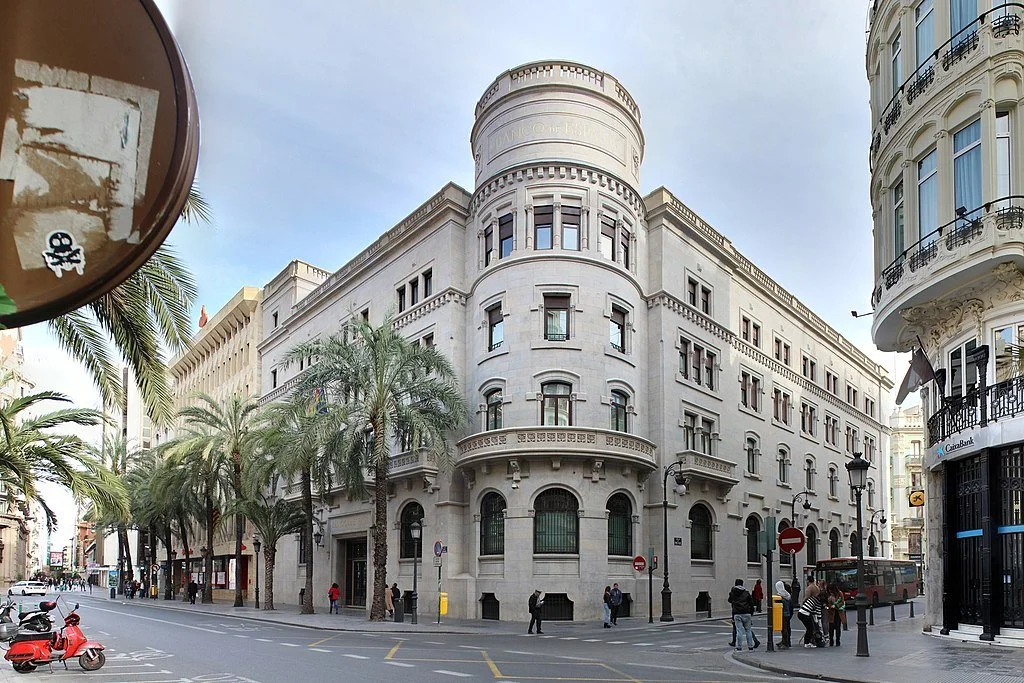
Exit through the gift shop.

Exit through the gift shop.


Gain an Audience at the Nasrid Palaces of the Alhambra

Start your exploration of the Nasrid Palaces with the Mexuar, Patio del Cuarto Dorado, Comares Palace and Salón de Los Embajadores. 

The Islamic Nasrid Palaces are the most spectacular part of the Alhambra complex.

The Islamic Nasrid Palaces are the most spectacular part of the Alhambra complex.

While we were in Spain, we found that most places, from neighborhood restaurants to international chains, didn’t follow any set schedule. They seemed to open and close on a whim. Los Palacios Nazaríes, or the Nasrid Palaces, are one of the only things in Spain that stick to a set schedule, so having a guide ensured that Wally and I didn’t miss our time of entry — if you do, you won’t be permitted to enter. 

And the Nasrid Palaces aren’t something you want to miss. The ornate interiors indicate that the structures were used as the private quarters of the sultan, his wives, his imperial harem and the rest of his family — unlike the Alcazaba, which served as a military fortress. 

A Court in the Alhambra in the Time of the Moors by Edwin Lord Weeks, 1876

A Court in the Alhambra in the Time of the Moors by Edwin Lord Weeks, 1876

The two main structures we’re covering in this post are:

  • Mexuar

  • Comares Palace

Altogether, there were 22 successive sultans between 1238-1492 BCE — that’s an average of roughly 10 years per sultan over a period of 254 years! 

The walls are covered with brilliantly colored tilework, above which bands of sinuous kufic script are interwoven with floral ornament.

There are courtyards, a magnificent throne room, private quarters and restful gardens within. And although no furniture remains in any of the rooms, it’s the ornate designs and geometric patterns covering the walls and ceilings that are the true stars of the show.

Wally likes to spend his birthdays touring memorable locales — and the Alhambra was something he had dreamed of for years.

Wally likes to spend his birthdays touring memorable locales — and the Alhambra was something he had dreamed of for years.

Mexuar Audience Hall

Our tour of the palace complex began with the Mexuar. This earliest surviving structure of the Alhambra is believed to have been commissioned by Ismail I (who ruled from 1314-1325). It was modified and enlarged by Yusef I (1333-1354), and later altered and completed by his son Muhammad V (1362-1391). The Mexuar served as a council chamber and reception hall to receive and conduct business with the general public. 

The Holy Roman Emperor Charles V put his stamp on the Mexuar tilework, incorporating some of his heraldic iconography, including a two-headed eagle.

The Holy Roman Emperor Charles V put his stamp on the Mexuar tilework, incorporating some of his heraldic iconography, including a two-headed eagle.

Be sure to look up at the decorative coffered cedarwood ceilings, referred to as artesonado in Spanish. Then look down a bit: The lower walls are completely covered with glazed ceramic mosaic tile panels arranged in a complex geometric pattern resembling interlocking stars in vivid shades of green, blue and yellow. A few bear evidence of the Catholic conquest, which ended Islamic rule in the region: Charles V’s heraldic emblem featuring a pair of pillars with a red ribbon draped between them as well as a double-headed eagle. A band of calligraphic ornamentation carved into the stucco panels encircling the room give the hall a formal air suitable for receiving dignitaries, with the declaration “There is no conqueror but Allah,” repeated multiple times in Islamic calligraphy.

The gloriously gilded ceiling of the Cuarto Dorado

The gloriously gilded ceiling of the Cuarto Dorado

Patio del Cuarto Dorado, the Patio of the Golden Room

From the Mexuar, our group entered the adjoining enclosed courtyard known as the Patio del Cuarto Dorado (Patio of the Golden, or Gilded, Room). The lotus-shaped marble fountain in the center of the patio was fabricated in 1943 and is a replica of the original, which is now located in Daraxa’s Garden, adjacent to the Palace of the Lions. 

Islamic tradition stated that depictions of people are blasphemous, so the builders of the Alhambra created complex geometric patterns and scrollwork.

Islamic tradition stated that depictions of people are blasphemous, so the builders of the Alhambra created complex geometric patterns and scrollwork.

The chamber beyond is referred to as the Cuarto Dorado. It functioned as an anteroom between the Alhambra’s public and private spaces and takes its name from the gilt-wood ceiling that was added after the Christian conquest. 

Looking out at the Patio de Arrayanes

Looking out at the Patio de Arrayanes

Palacio de Comares and the Patio de Arrayanes: the Alhambra’s Money Shot

Immediately ahead is the Palacio de Comares (named for a nearby town that crafted the crystals used to make stained glass), the money shot of nearly every guidebook, as it’s here where the oft-photographed Patio de Arrayanes (Court of Myrtles) and its narrow glassy pool of water is located. This tranquil enclosed space was commissioned during the reign of Yusuf I and was named for the verdant clipped hedges that border the central pool. 

The two-story southern façade is the most highly embellished in the Alhambra and was renovated in 1369 by Muhammad V to celebrate his victory at Algeciras near Gibraltar in 1869. Behind its succession of arches is a geometrically patterned mosaic tiled wall and interwoven, lacy, carved stucco plasterwork, further embellished by the arabesque tree of life motif. A set of small windows with delicate fretwork mashrabiya screens for discreet viewing look down from the second floor into the courtyard. 

Pretty much every square inch of the Nasrid Palaces’ walls are covered with beautiful, ornate carvings.

Pretty much every square inch of the Nasrid Palaces’ walls are covered with beautiful, ornate carvings.

The north façade has a similar design to the south, yet is a single level and serves as the entry point for the Torre de Comares. This structure rises majestically above the palace arcade and is the tallest external tower of the Alhambra, with a height of 147 feet.

The Hall of the Ambassadors is where King Ferdinand and Queen Isabella met with Christopher Columbus to grant him permission to seek a new route to India (and we know how that turned out).

The Hall of the Ambassadors is where King Ferdinand and Queen Isabella met with Christopher Columbus to grant him permission to seek a new route to India (and we know how that turned out).

Salón de los Embajadores, the Hall of the Ambassadors

Inside the Torre de Comares is the grand reception hall known today as the Salón de los Embajadores, the Hall of the Ambassadors. Its vaulted wood ceiling is ornamented with a profusion of blue, white and gold inlay work in the shape of circles, crowns and stars, representative of the seven heavens of Islamic belief. The lower walls of the hall are covered with brilliantly colored tilework, above which horizontal bands of sinuous, vine-like kufic script are interwoven with floral ornament. One bears the inscription “Speak few words and you will leave in peace,” perhaps instructions for those requesting the audience of the sultan. I’m sure the sultan was busy, but that’s essentially like putting up a sign that says, “Keep it brief.”

The ceiling of the Hall of the Ambassadors resembles a starry sky.

The ceiling of the Hall of the Ambassadors resembles a starry sky.

The hall contains a total of nine alcoves, three per side, with windows known as cumarias, Spanish for stained glass, and incidentally where the palace gets its name from. Sadly, the windows are no longer there. A central niche opposite the entrance at the back of the hall was originally occupied by the sultan’s throne and contains the inscription “My lord, the victorious Yusuf, has decorated me with robes of glory and has made me the throne of his rule.”

You would cry, too, if it happened to you: King Boabdil Bids Farewell to Granada by Alfred Dehodencq, 1882

You would cry, too, if it happened to you: King Boabdil Bids Farewell to Granada by Alfred Dehodencq, 1882

Legend has it that Muhammad XII, known as Boabdil, the 22nd and final sultan of the Nasrid dynasty, met with his council in the Salón de los Embajadores on November 25, 1491 and signed the Treaty of Granada, capitulating the last Muslim territory in the region to Christendom. As Boabdil left the city with his entourage, he looked back from the mountain pass at the beauty of what he had lost, and wept. –Duke
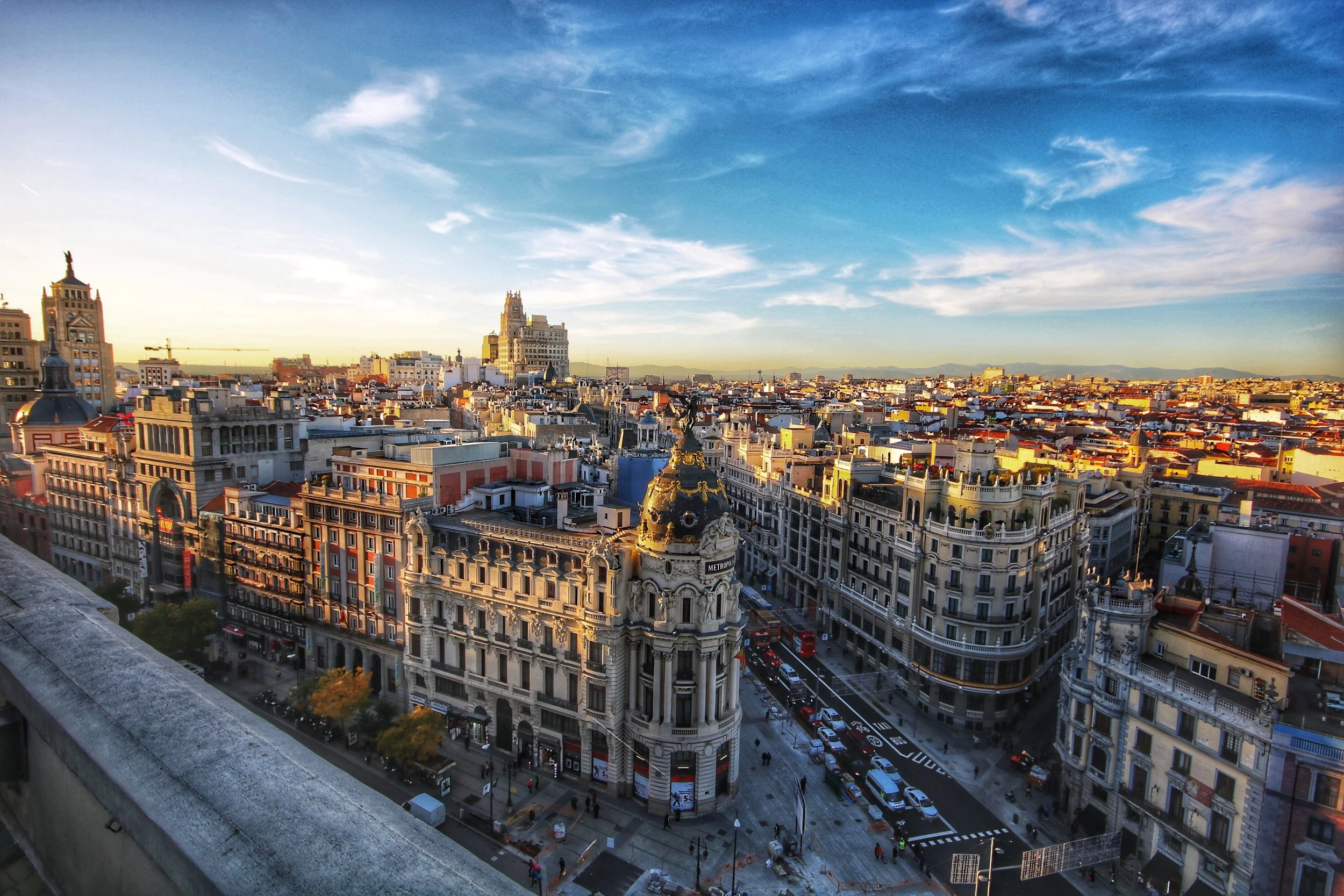
If you’re in the South of Spain, you can’t leave without a visit to the amazing Alhambra.
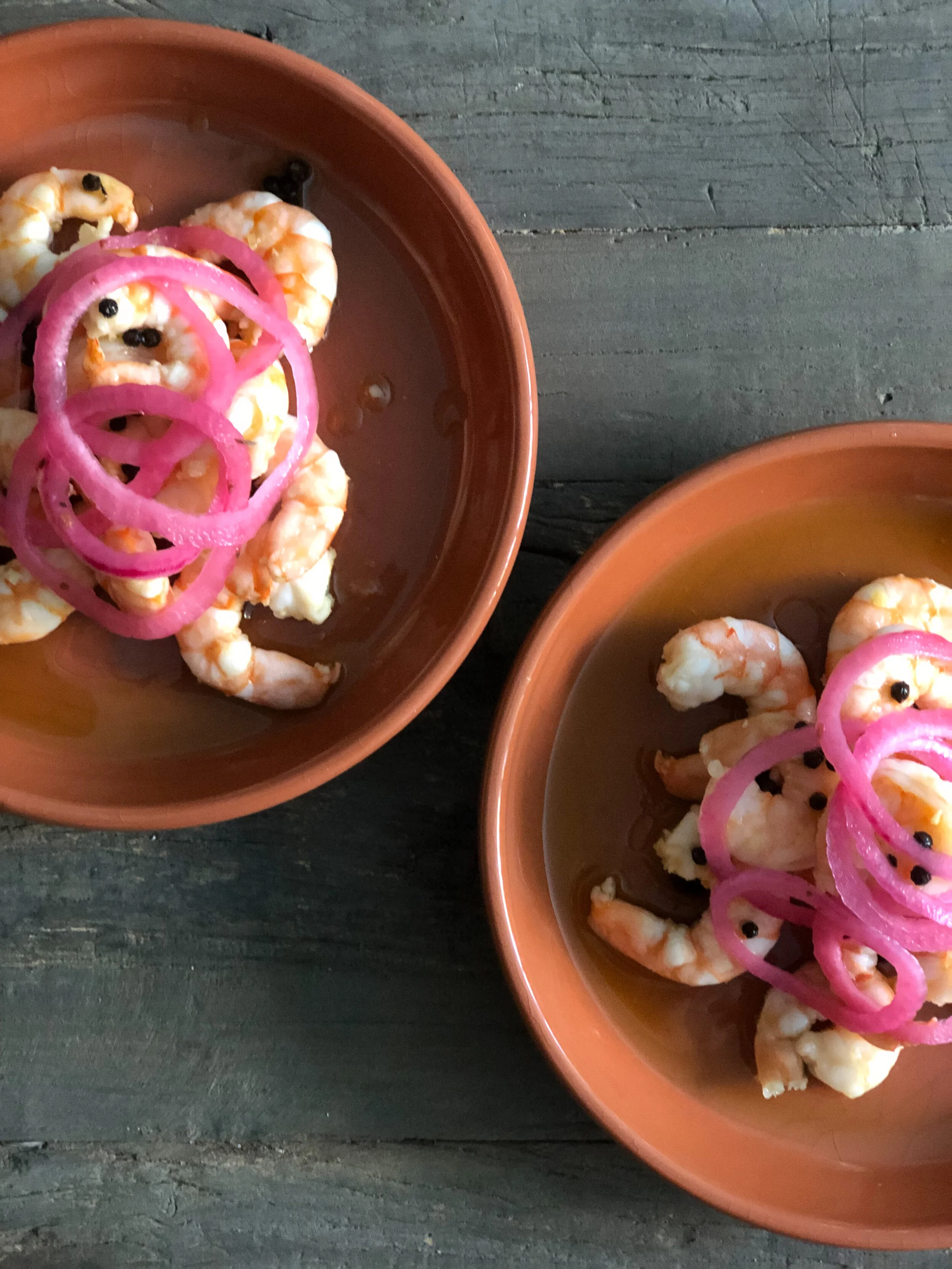
If you’re in the South of Spain, you can’t leave without a visit to the amazing Alhambra.