Hidden in the forests surrounding Pena Palace, the Chalet da Condessa d’Edla tells the story of a king, an opera singer and a surprisingly romantic retreat that became one of Sintra’s most enchanting hidden gems.
After exploring the candy-colored turrets and theatrical excess of Pena Palace, Duke and I kept noticing signs pointing toward another attraction: the Chalet da Condessa d’Edla. The name sounded intriguing enough — a countess’s chalet hidden somewhere in the woods? Of course we had to see what it was all about.
So we followed the signs.
Or, at least, we tried to.
For the next hour, our walk through Pena Park became something of a scavenger hunt. We’d confidently set off in one direction only to encounter another sign pointing the way we had just come. Had we missed a turn? Were we walking in circles?
Had we missed a pathway?
Eventually, after plenty of second-guessing and more uphill trekking than we’d anticipated, the chalet finally emerged from the trees.
And honestly? It was worth every wrong turn.
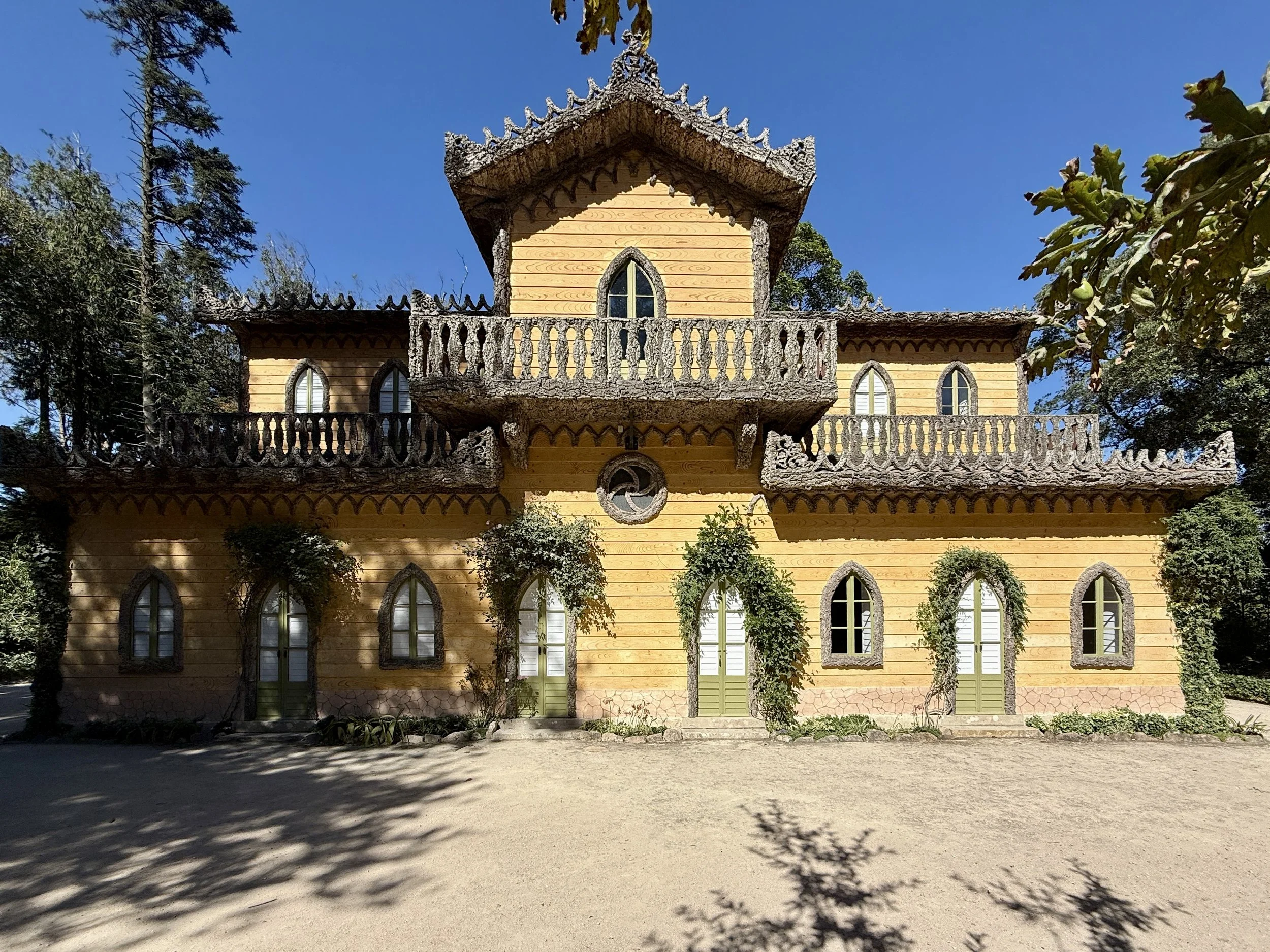
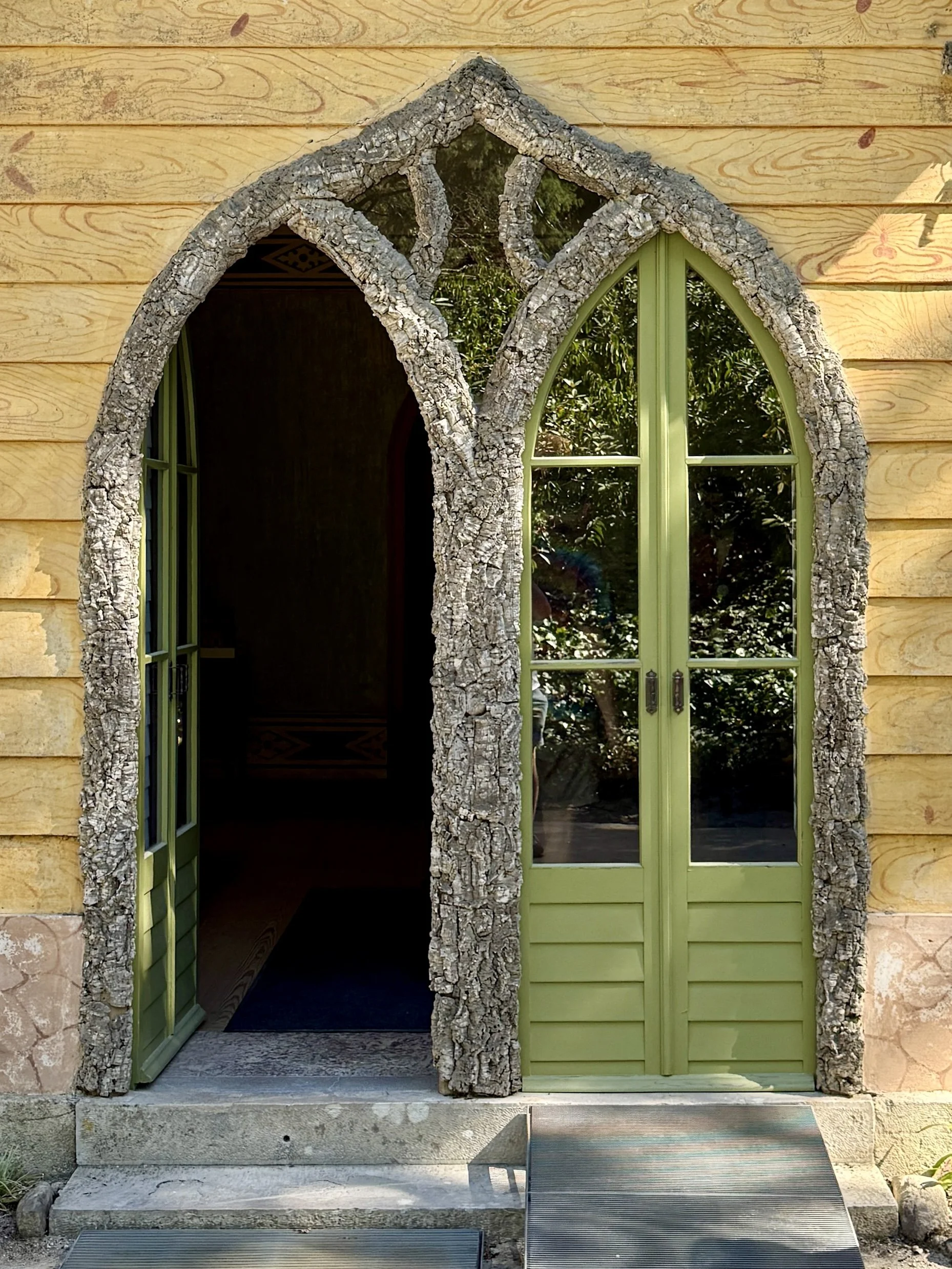
While Pena Palace grabs most of the attention with its bright colors and royal grandeur, the Chalet da Condessa d’Edla offers something completely different: intimacy. Hidden among exotic gardens and towering trees is a whimsical alpine retreat built not for state affairs or courtly obligations, but for love. Behind its cork-trimmed balconies and storybook façade lies one of Portugal’s most unexpectedly romantic tales — that of a king and the opera singer who captured his heart.
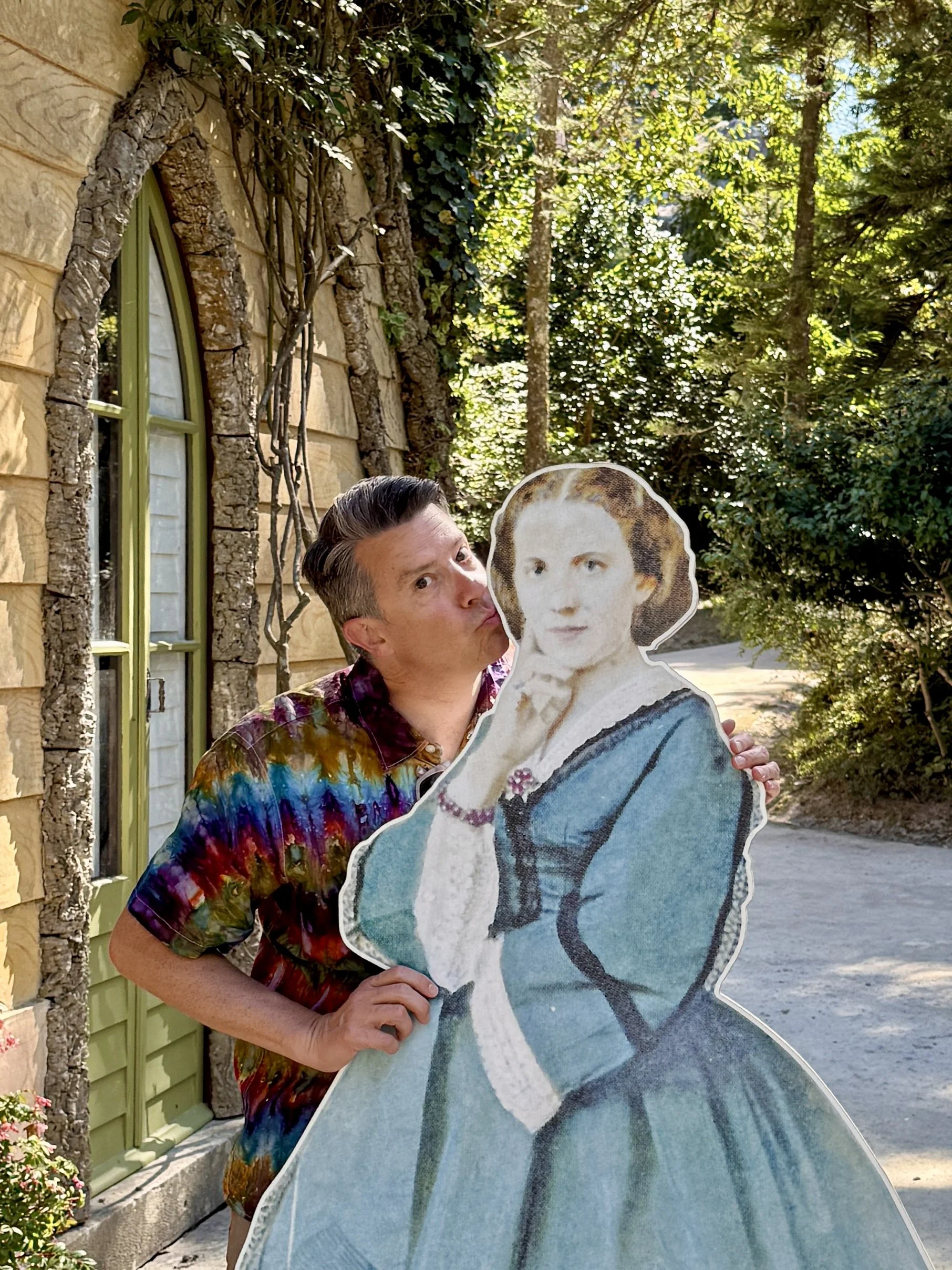
Talk about a scandal! Wally smooches the opera singer who became a countess.
A King, an Opera Singer and a Scandalous Romance
The story of the Chalet da Condessa d’Edla begins with King Ferdinand II of Portugal, a man with a well-documented passion for art, architecture and the Romantic ideals that transformed Sintra into the fairytale landscape visitors know today.
After the death of his first wife, Queen Maria II, in 1853, Ferdinand met Elise Hensler, a Swiss-born American actress and opera singer performing in Lisbon. She was intelligent, artistic and — perhaps most scandalously — not royal.
Their relationship caused quite a stir among Portuguese high society. An opera singer was hardly considered an appropriate match for a former king. But Ferdinand was undeterred. The couple eventually married in 1869, and Elise was granted the title Countess of Edla.
The chalet they created together reflects their partnership. Unlike the grand palaces built to project wealth and power, this retreat feels deeply personal. Ferdinand and Elise were both involved in its design, creating a home that reflected their shared artistic sensibilities and love of nature.
The Chalet da Condessa d’Edla is Sintra’s version of a royal love letter — one built not from paper and ink, but from cork, stone and imagination.
After all, Pena Palace may have been Ferdinand’s public masterpiece. This hidden chalet in the woods was where he built a life with the woman he loved.
Why Is There a Swiss Chalet in the Middle of Portugal?
The answer, unsurprisingly, is Romanticism.
In the 19th century, Europe’s aristocracy became enamored with the idea of escaping into idealized versions of nature. Rustic cottages, medieval castles and exotic gardens became expressions of imagination, emotion and individuality. Reality was overrated.
Ferdinand II had already embraced this philosophy with the fantastical design of Pena Palace. But for the Chalet da Condessa d’Edla, he and Elise envisioned something altogether different: an intimate alpine retreat inspired by the Swiss chalets popular among European elites at the time.
Construction began in the 1860s, resulting in a house that feels as though it had been plucked from a mountainside in the Alps and dropped into Sintra’s misty forests. It was a delightful surprise for Duke and me.
Of course, the chalet isn’t entirely Swiss.
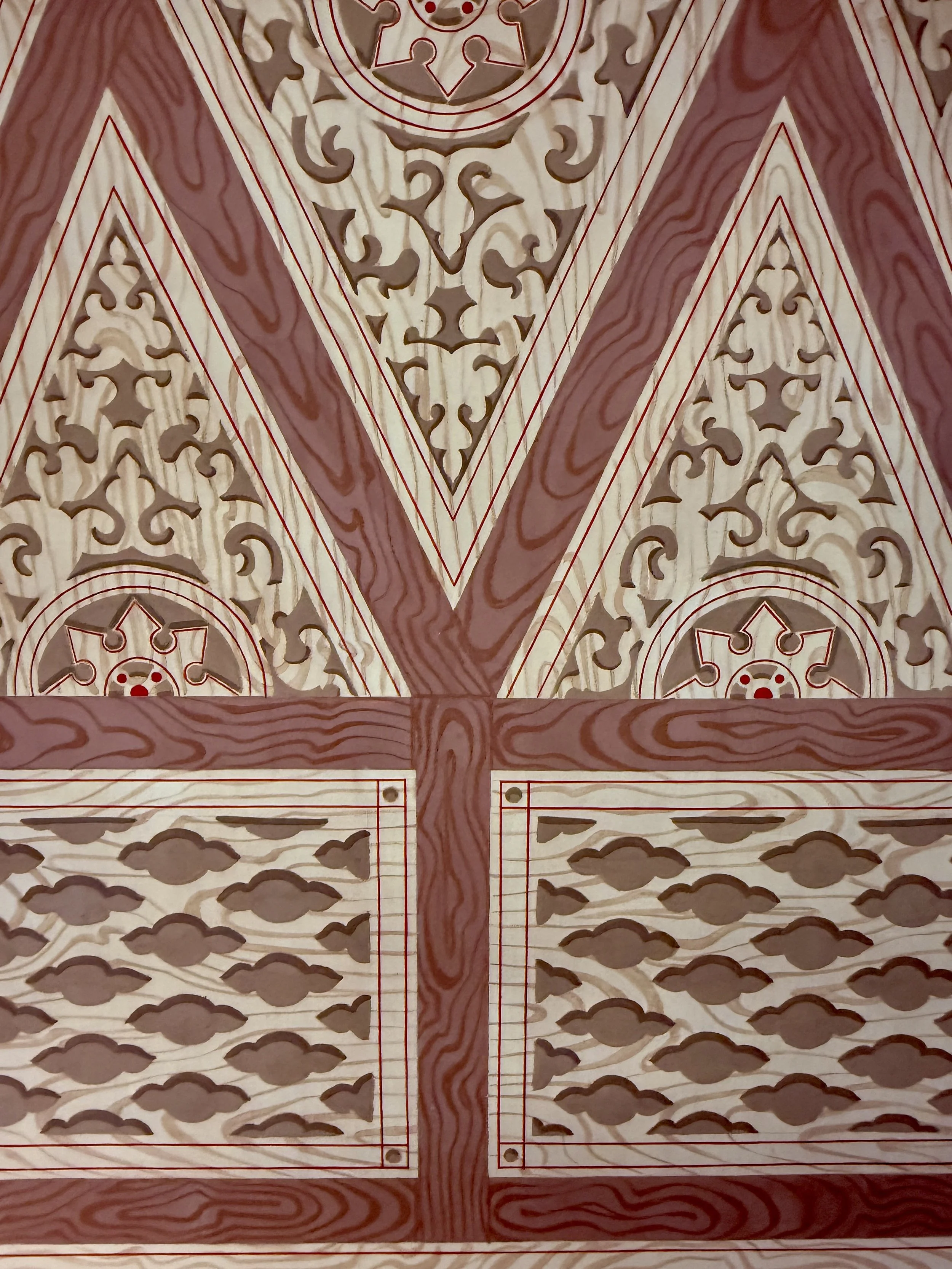
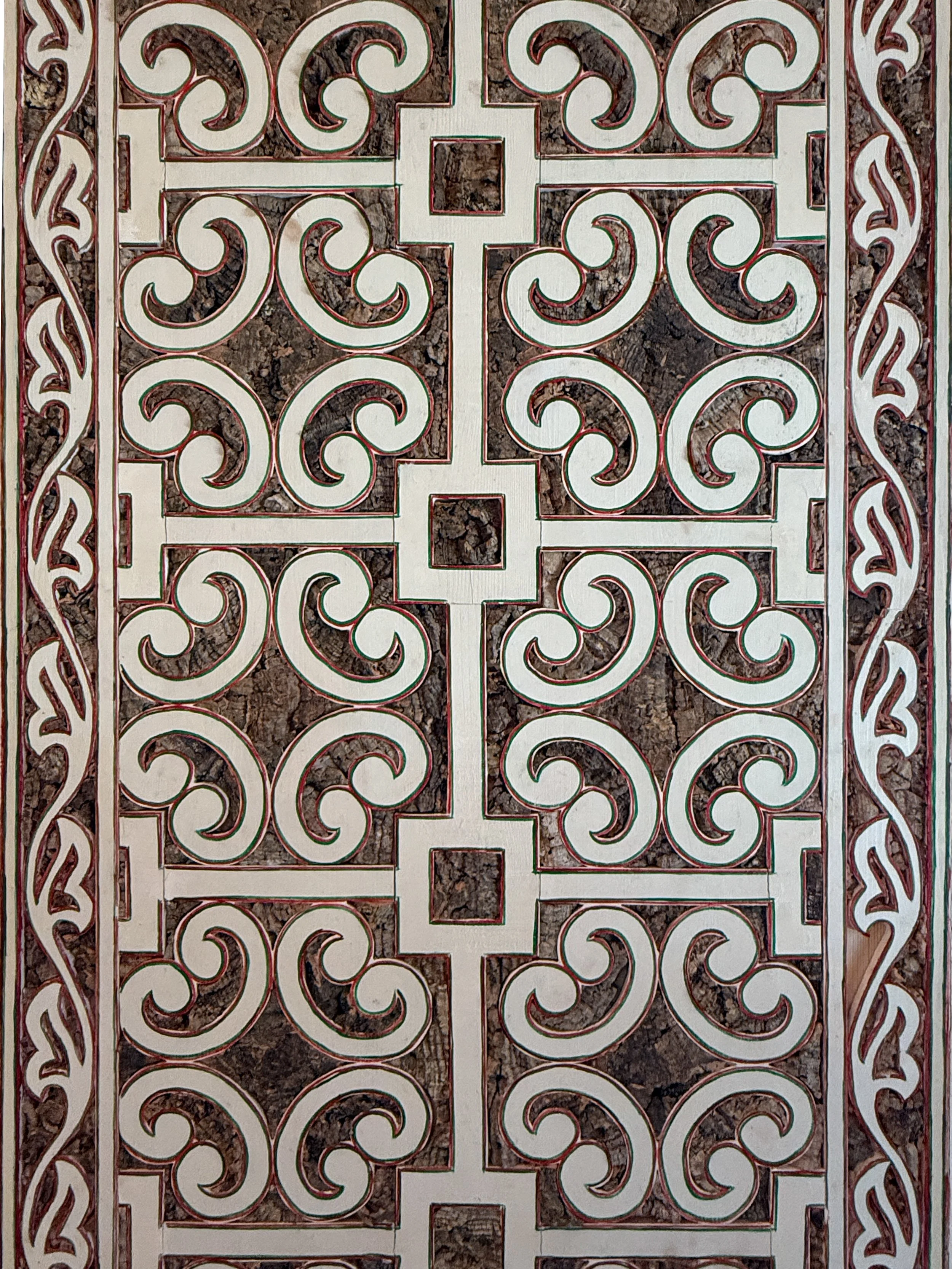
Look closely and you’ll notice one of its most distinctive features: cork. Portugal’s famous material appears throughout the exterior as decorative trim around balconies, windows and doorframes. The building’s timbered appearance is also something of an illusion. Much of what looks like exposed wood is actually plaster and masonry carefully painted to imitate it.
It’s a fitting combination. The chalet embodies Romanticism’s love of fantasy while remaining unmistakably Portuguese.
Standing before it after our hour-long woodland quest, I couldn’t help but think that it looked less like a royal residence and more like the sort of place where the protagonists of a gothic novel would retire to write poetry and scandalize polite society. We were utterly charmed.
Inside the Chalet da Condessa d’Edla: A Fairytale in Every Room
If the exterior looks like a storybook cottage, stepping inside feels like entering the fairytale.
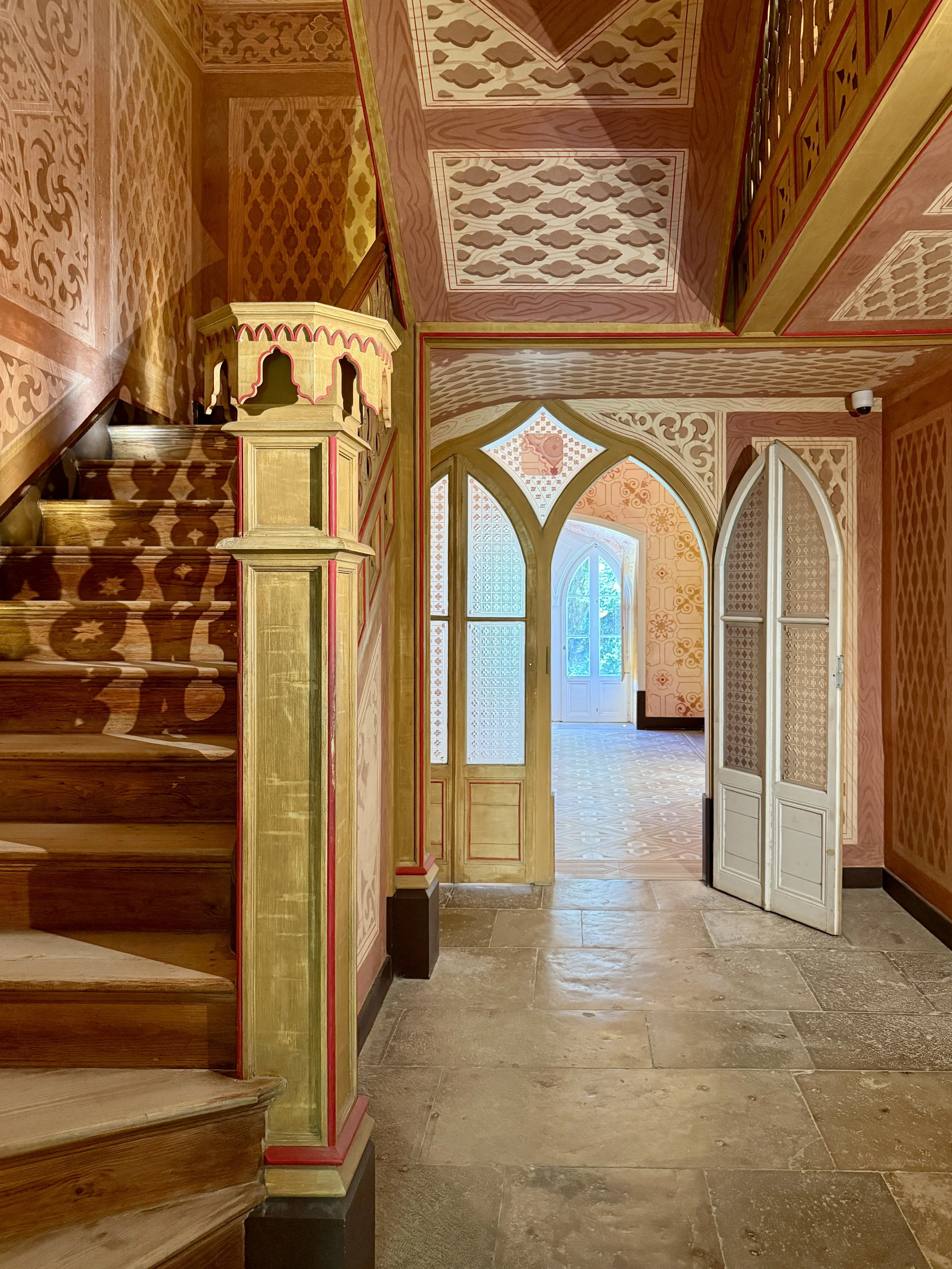
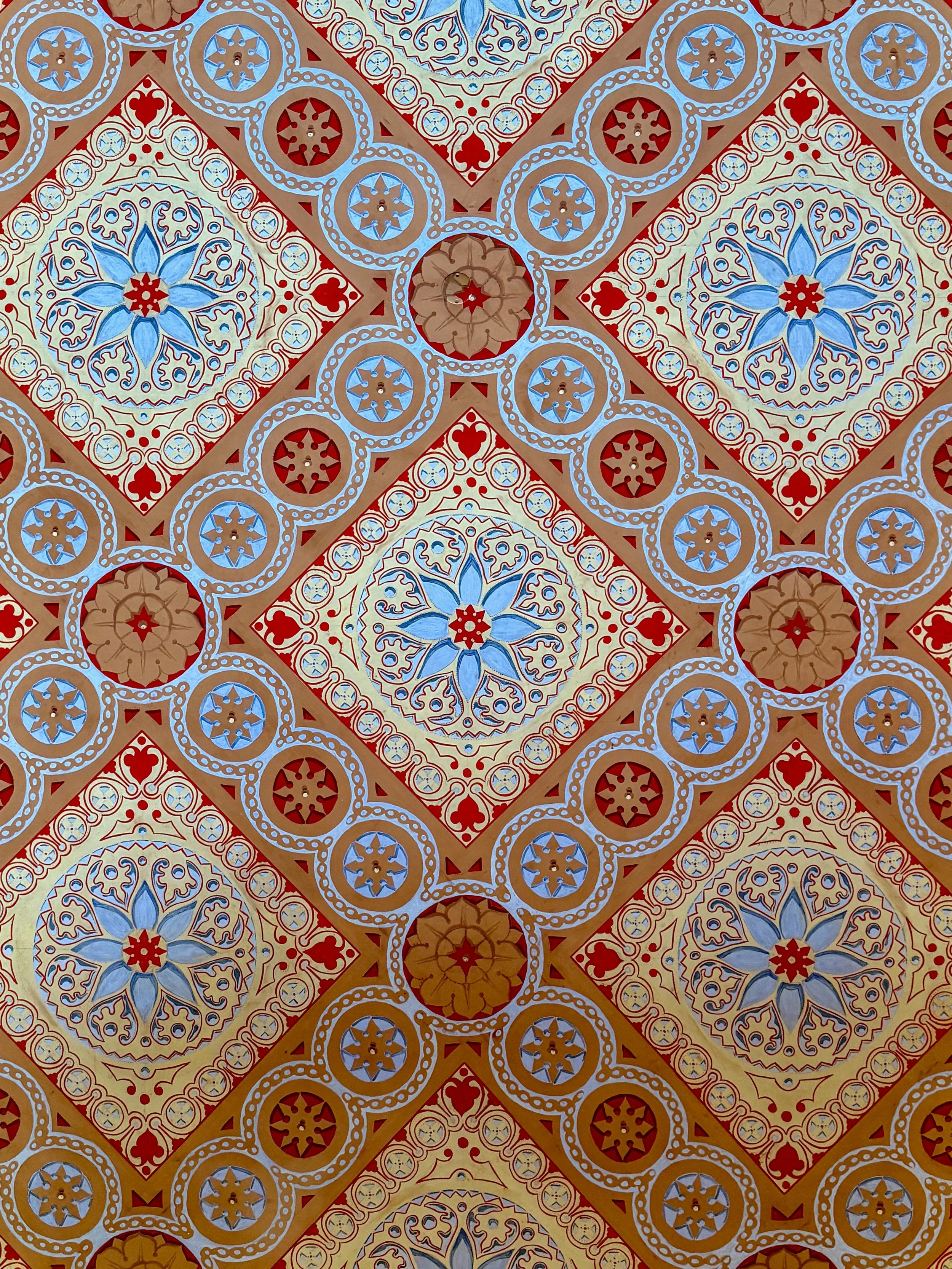
The chalet is small by royal standards, but almost every surface has been given some fanciful touch. Painted murals, decorative plasterwork, glazed tiles, carved wood and inlaid cork shift from room to room, as though Ferdinand and Elise couldn’t settle on a single style and decided to use all the prettiest ones.
The tour begins in the service area, where the chalet’s modest household staff ate and worked. Ferdinand and Elise deliberately kept fewer servants here than they would’ve had at Pena Palace, allowing them greater privacy and a more relaxed domestic life.
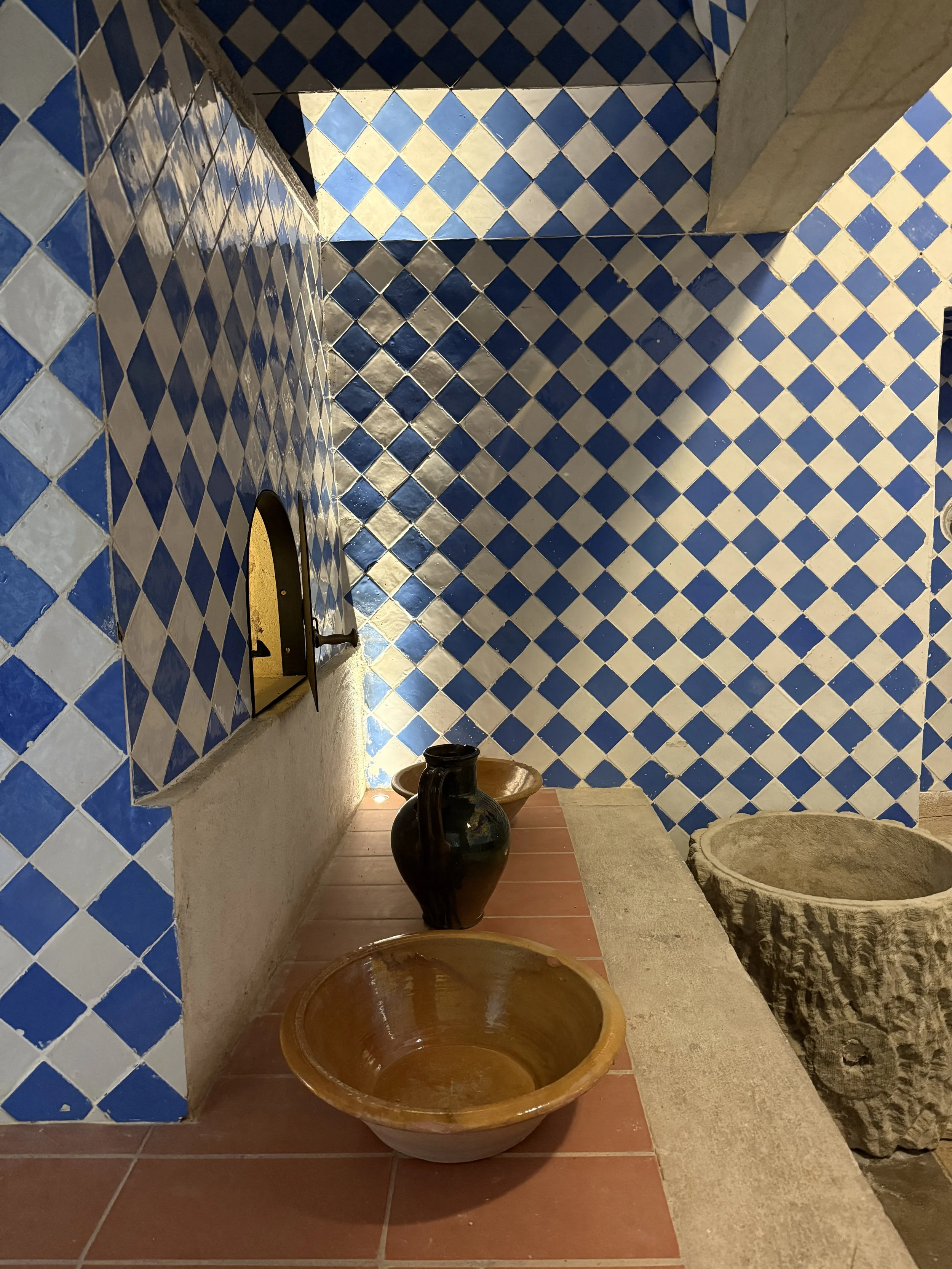
The kitchen may be compact, but no one was roughing it. It was divided into two areas: a cooler pantry for salads, desserts and the finishing touches, and a warmer workspace equipped with the stove and oven. Apparently, escaping court life didn’t mean sacrificing a properly prepared dinner.
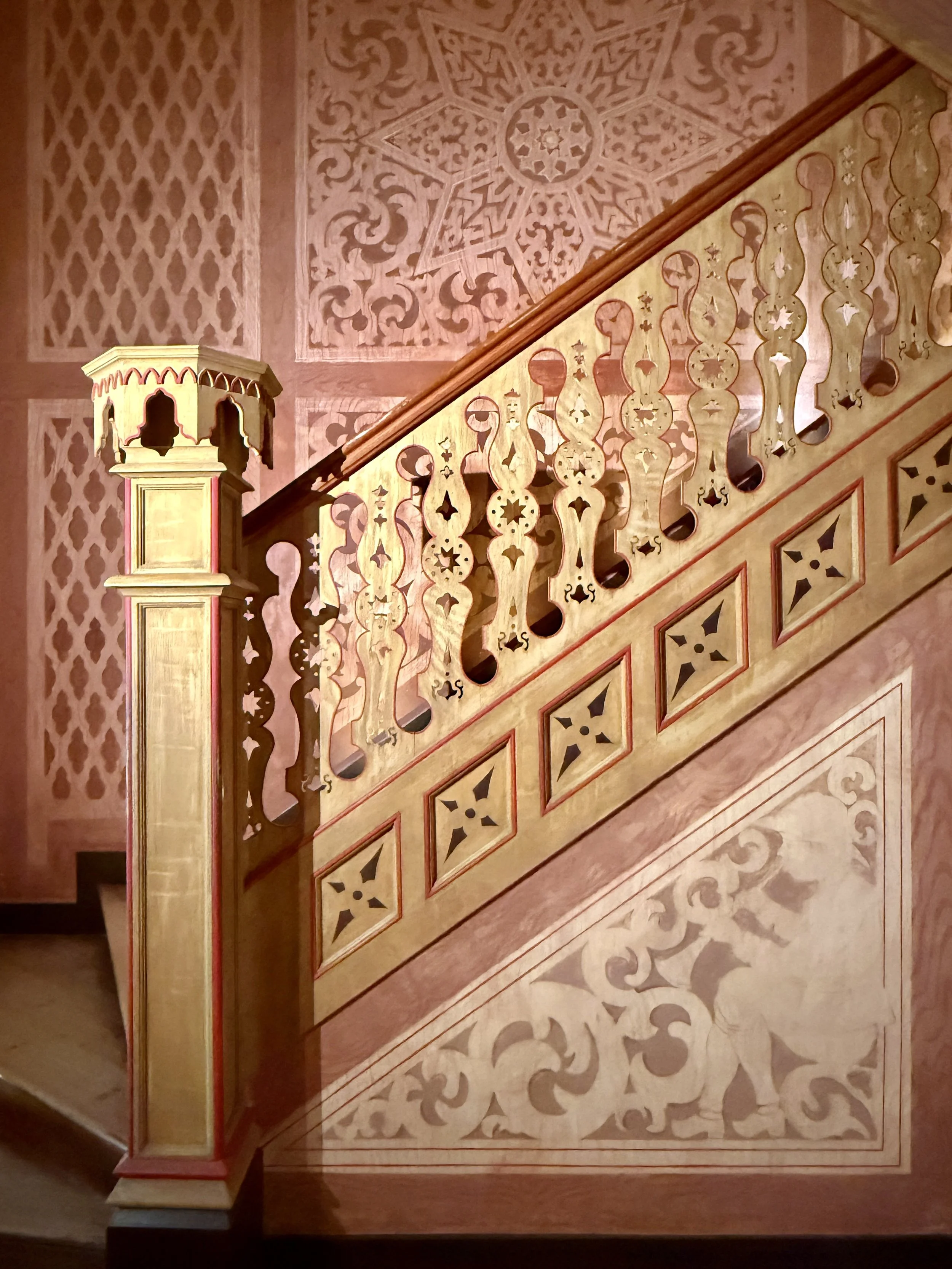
From there, the staircase atrium marks the transition from the servants’ quarters to the couple’s public and private rooms. Murals painted to resemble wood continue the chalet illusion indoors, while Ferdinand’s coat of arms appears on the landing — a small reminder that, however cozy the surroundings, this was still the home of a king.
Beyond the glass doors lies the chalet’s most charming sequence of rooms.
The Ivy Room served as the couple’s sitting room and the place where they received visitors. Plaster vines creep across the walls as though the surrounding forest has slipped inside. French doors could be left open to the garden, allowing the room and landscape to blend together even more completely.
It’s adorable. There’s no other word for it.
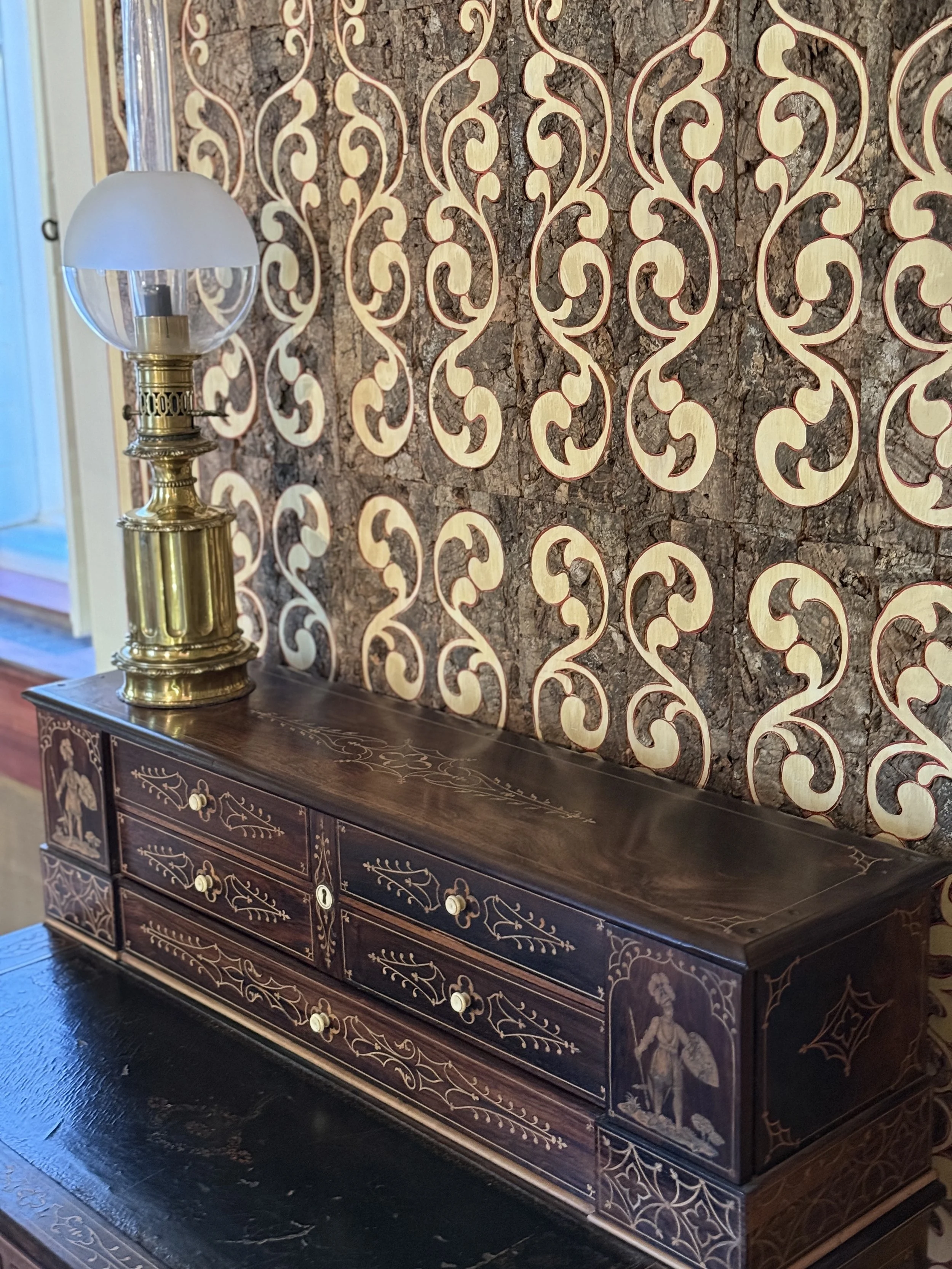
The dining room takes the chalet theme in a richer direction, with wood and cork inlay covering portions of the walls and ceiling. Cork became an artistic material, cut and arranged into intricate patterns. The effect is warm, handcrafted and wonderfully eccentric — part woodland retreat, part royal craft project gone gloriously overboard.
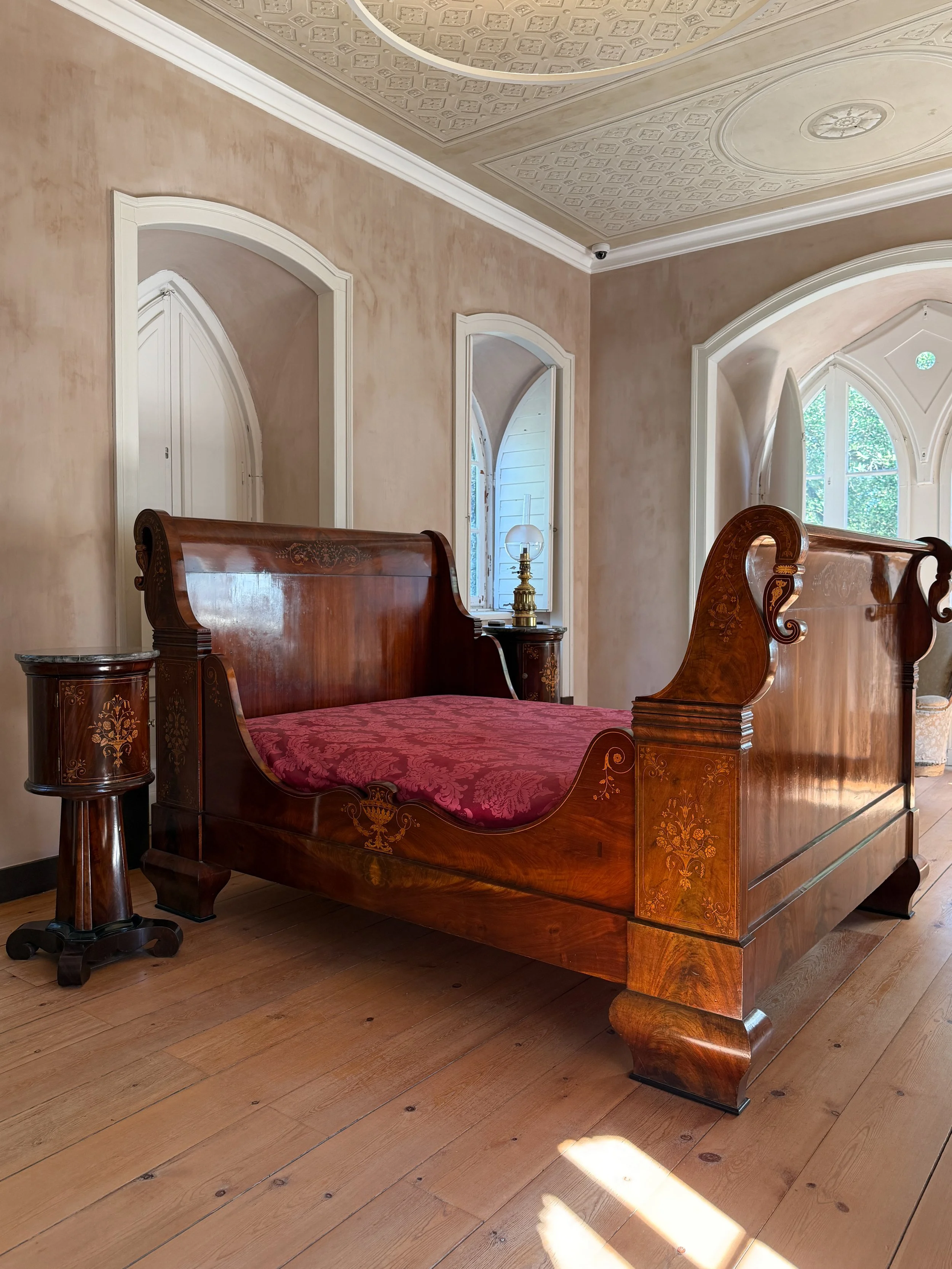
Upstairs are the rooms that reveal that the chalet was, after all, a love nest.
Ferdinand and Elise shared a bedroom overlooking Pena Park, with Pena Palace visible high on the hill. French doors opened directly onto the balcony, creating another way to move between the rooms on warmer days.
Imagine waking up, stepping outside and seeing your other, considerably less modest home rising above the trees. Subtle, it was not.
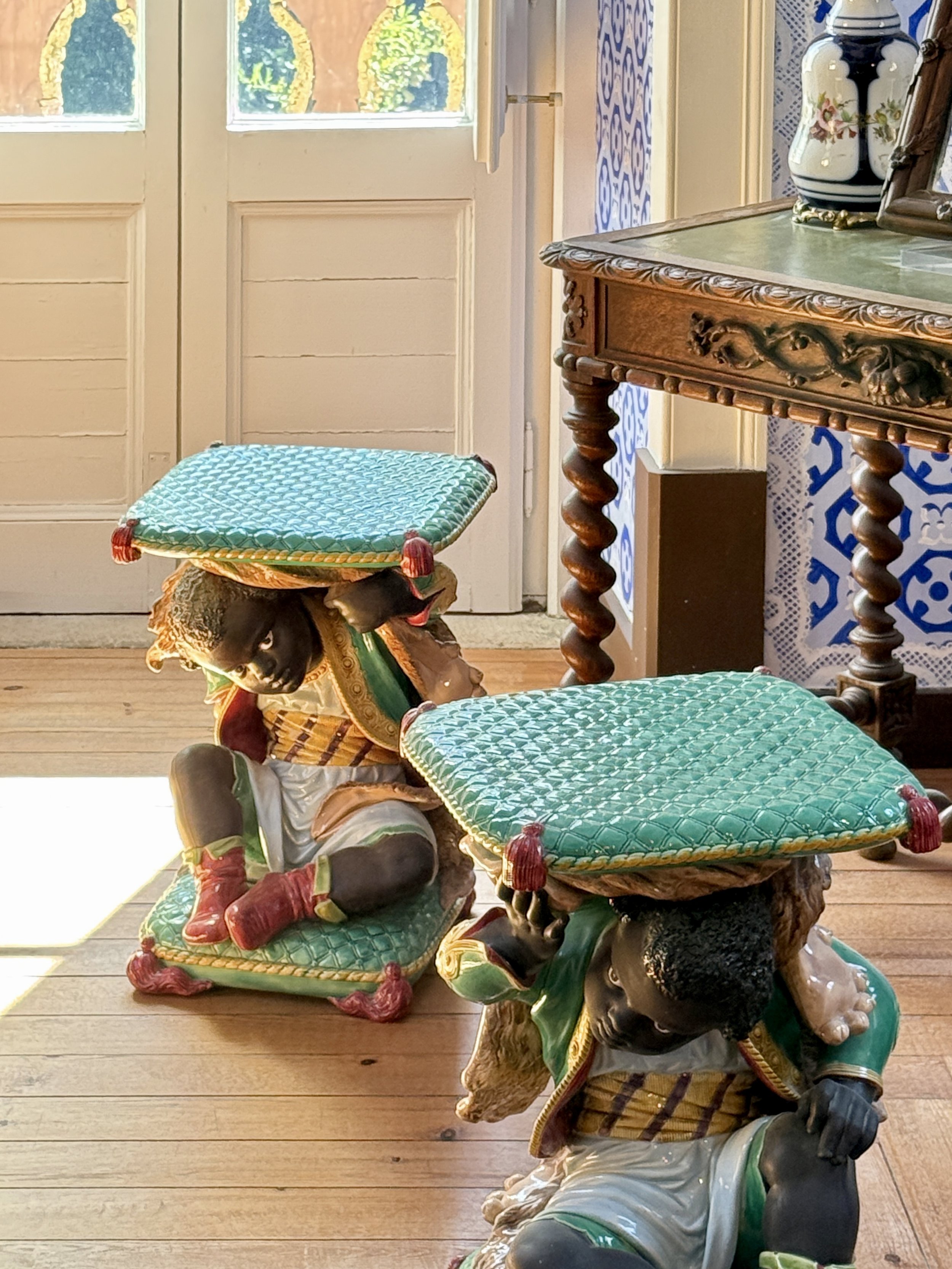
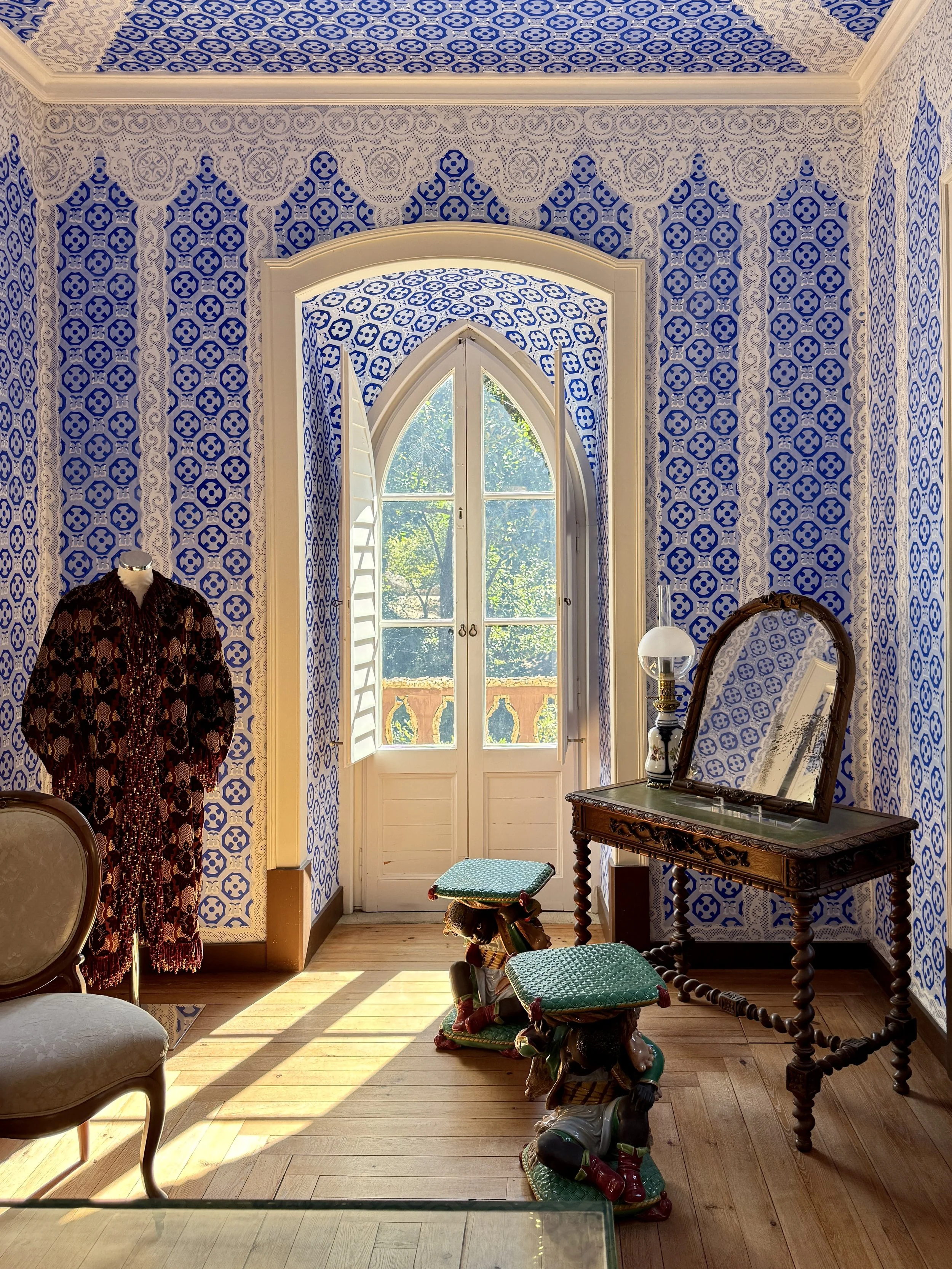
On either side of the bedroom were separate toilettes — private dressing rooms where the king and countess changed clothes and prepared for the day. Elise’s is especially delightful. Its walls are painted blue and decorated with imitation Swiss lace, a fashionable motif for boudoirs in the late 1860s.
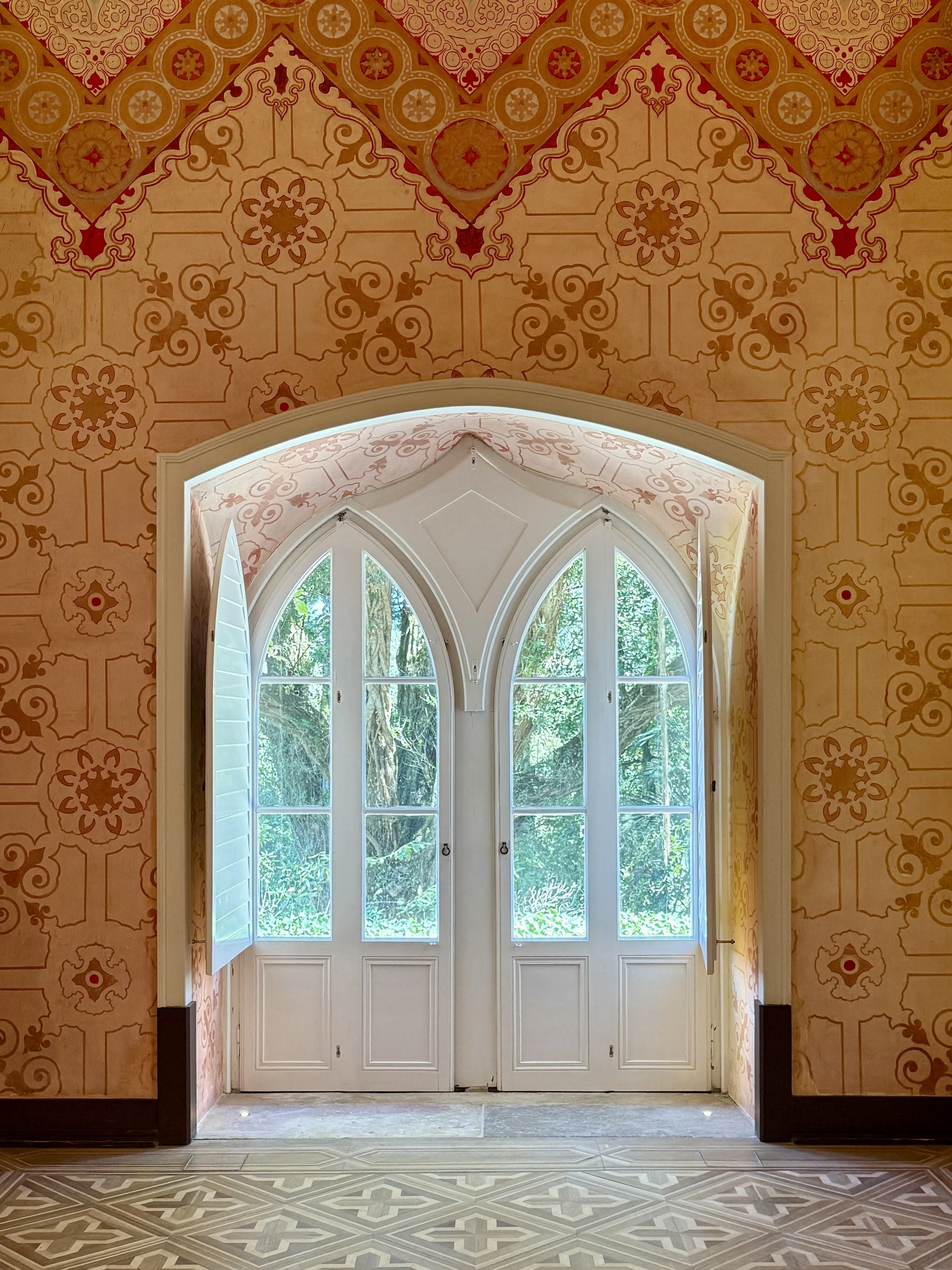
The rooms don’t overwhelm you with marble, gold or intimidating royal grandeur. Instead, they reveal the chalet’s personality through small, whimsical details: ivy climbing the walls, lace rendered in paint, cork pieced together like marquetry, and doors opening straight into the garden.
Pena Palace feels like Ferdinand’s grand fantasy made public. The chalet feels like the private fairytale he and Elise created for themselves.
And after wandering through it, we understood the appeal of retreating so deep into the woods. Here, away from the splendor and obligations of Pena Palace, Ferdinand and Elise could inhabit a smaller, quieter fairytale of their own.
The Gardens Are Just as Enchanting as the Chalet
The chalet may be the destination, but the surrounding gardens are part of the story.
Ferdinand and Elise didn’t simply build a house in the woods. They carefully shaped the landscape around it, creating a Romantic garden designed to inspire wonder and discovery. Much like the winding paths that led Duke and me there, these gardens were intended to be experienced rather than rushed through.
Plants from around the world were introduced throughout the grounds, reflecting the 19th century fascination with exotic species and botanical collecting. Ferns unfurl beneath towering trees. Camellias and rhododendrons add bursts of color throughout the seasons. Granite outcroppings emerge unexpectedly from the landscape, making it feel less like a formal garden and more like a forest that’s been gently curated.
Unlike the manicured precision of French palace gardens, this landscape embraces a sense of wildness. Paths curve out of sight. Hidden viewpoints invite you to pause.
Sintra is filled with grand monuments and dramatic architecture, but Chalet da Condessa d’Edla offers something rarer: a glimpse into a quieter kind of romance.
Hidden among the trees, it reminds visitors that sometimes the most memorable places aren’t the ones everyone rushes to see.
They’re the ones you have to wander a little to find.
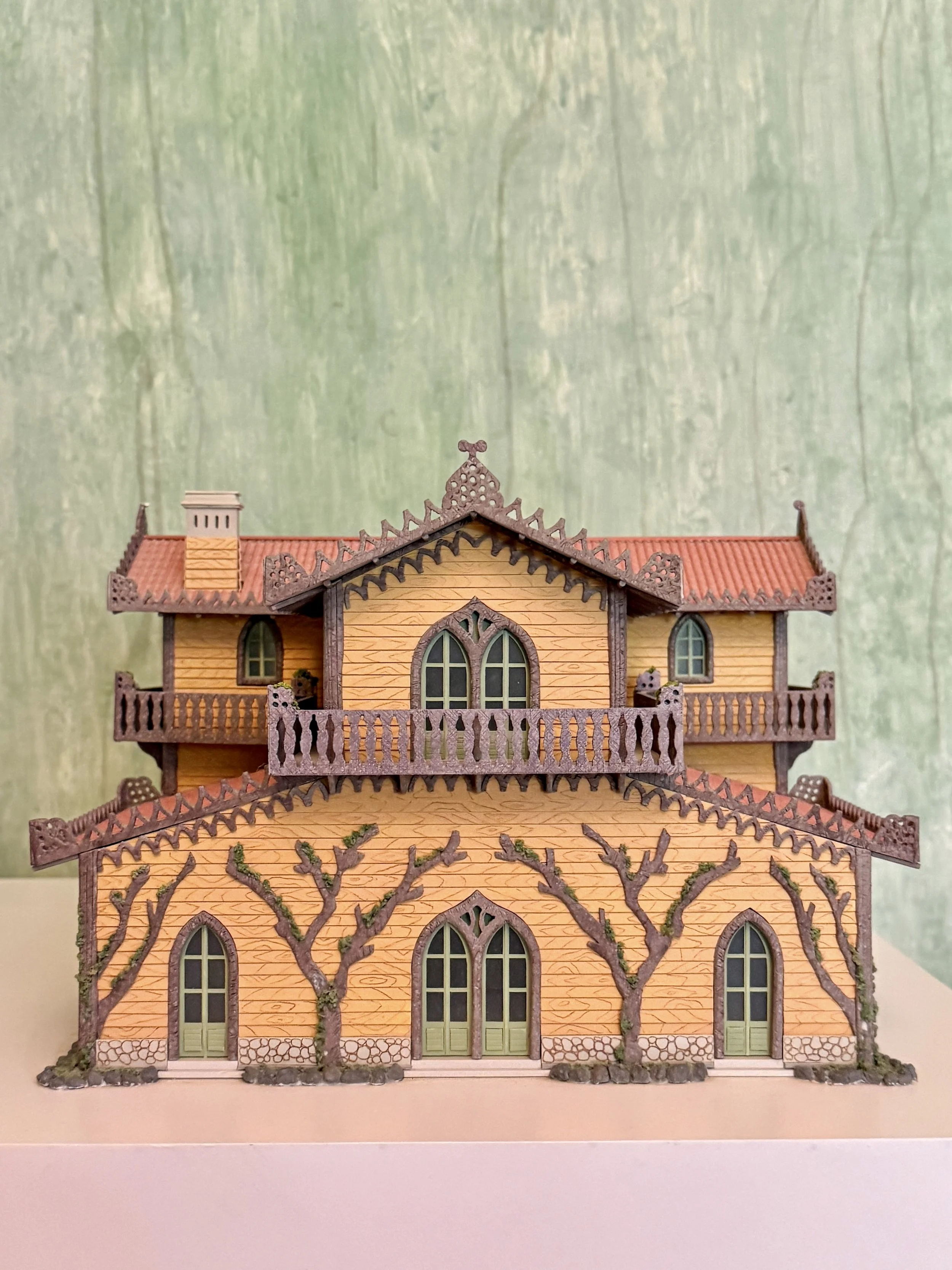
A model of the chalet
Visiting the Chalet da Condessa d’Edla
Location: The chalet is located within Pena Park in Sintra, Portugal.
How to Get There: From Pena Palace, follow the marked walking paths through Pena Park. The walk took us about 45 minutes, thanks in part to a few confusing signs along the way and our apparent inability to pick the correct path on the first try. Depending on your route and how often you stop to admire the scenery, plan for at least half an hour.
Tickets: Admission to the chalet requires either a combined ticket that includes Pena Park and the Chalet da Condessa d’Edla or a separate ticket specifically for the park and chalet. Check the official Parques de Sintra website for current pricing and opening hours.
How Much Time to Allow: Plan to spend 30–45 minutes exploring the chalet itself, plus additional time wandering the gardens and walking through Pena Park.
Accessibility: The route involves uneven paths, hills and stairs. Comfortable walking shoes are highly recommended.
Our Take: If you’re already visiting Pena Palace, absolutely make time for the Chalet da Condessa d’Edla. It offers a completely different experience — quieter, more intimate and refreshingly crowd-free. History buffs, architecture lovers, gardeners and hopeless romantics will all find something to appreciate here.
While Pena Palace dazzles with its bright colors and royal extravagance, the Chalet da Condessa d’Edla wins visitors over in a different way. Hidden among the forests of Sintra, it tells a story of love, creativity and choosing a life that defied expectations.
It may take a little extra effort to find, but some places are all the more magical for making you work for them. –Wally