LATIN AMERICA

Your Essential Travel Vaccine and Safety Guide for Latin America

Plan your Latin America adventure with the right travel vaccines, malaria prevention and dengue protection tips.
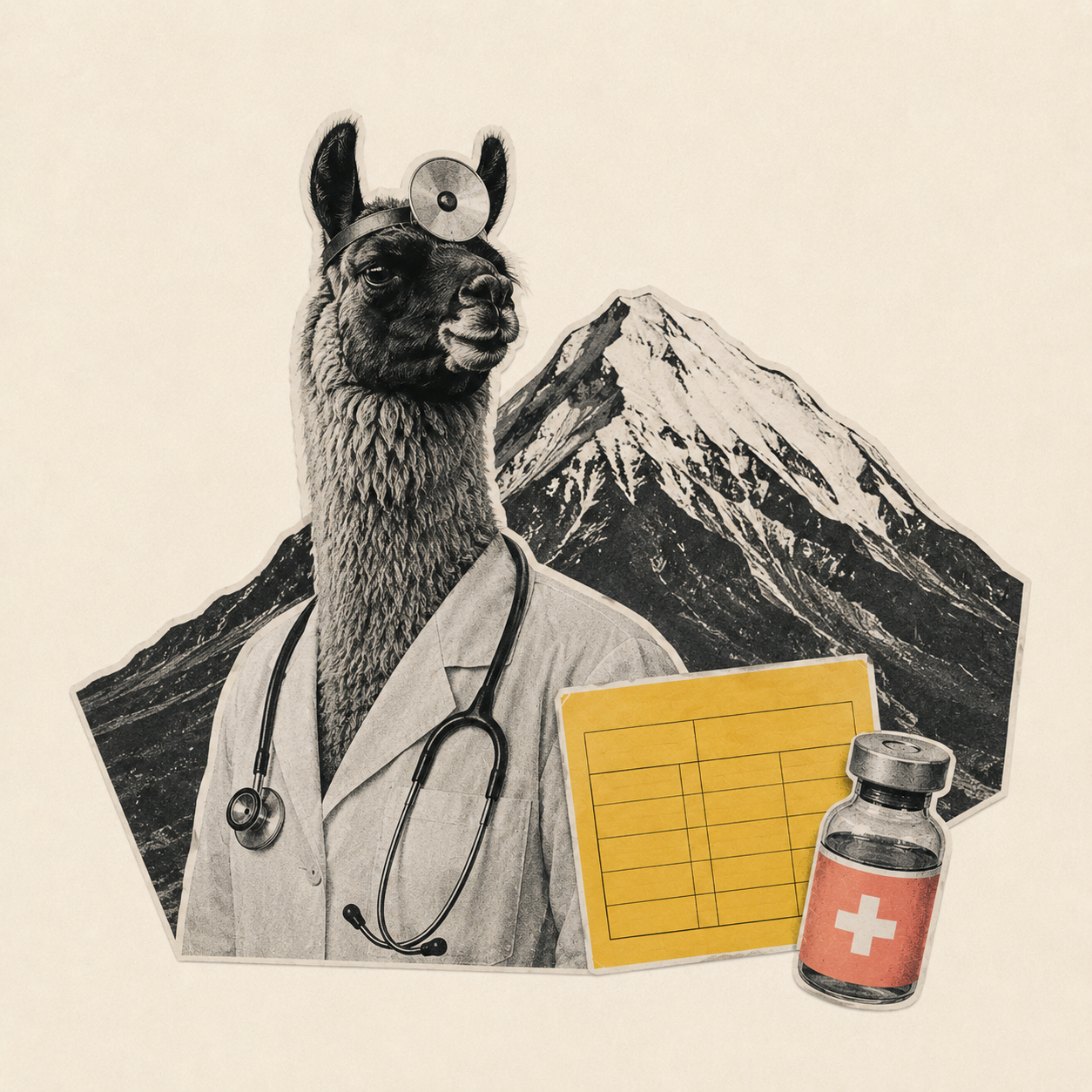
Vintage collage of a llama dressed as a doctor, with a mountain, vaccination card and vaccine

Latin America rewards travelers who like variety: rainforests and ruins, high-altitude cities and beach towns, street food and slow afternoons in sun-washed plazas. But before you get too deep into hotels, tours and restaurant tabs, take care of the unglamorous-but-important part: health prep.

A few weeks before you go, talk with your doctor or a travel medicine provider about your route. Depending on where you’re headed, you may need certain travel vaccines, malaria prevention or yellow fever shots. Once you arrive, daily mosquito protection is just as important, especially in places where dengue is a risk. A little planning up front can help keep your trip focused on the good stuff.
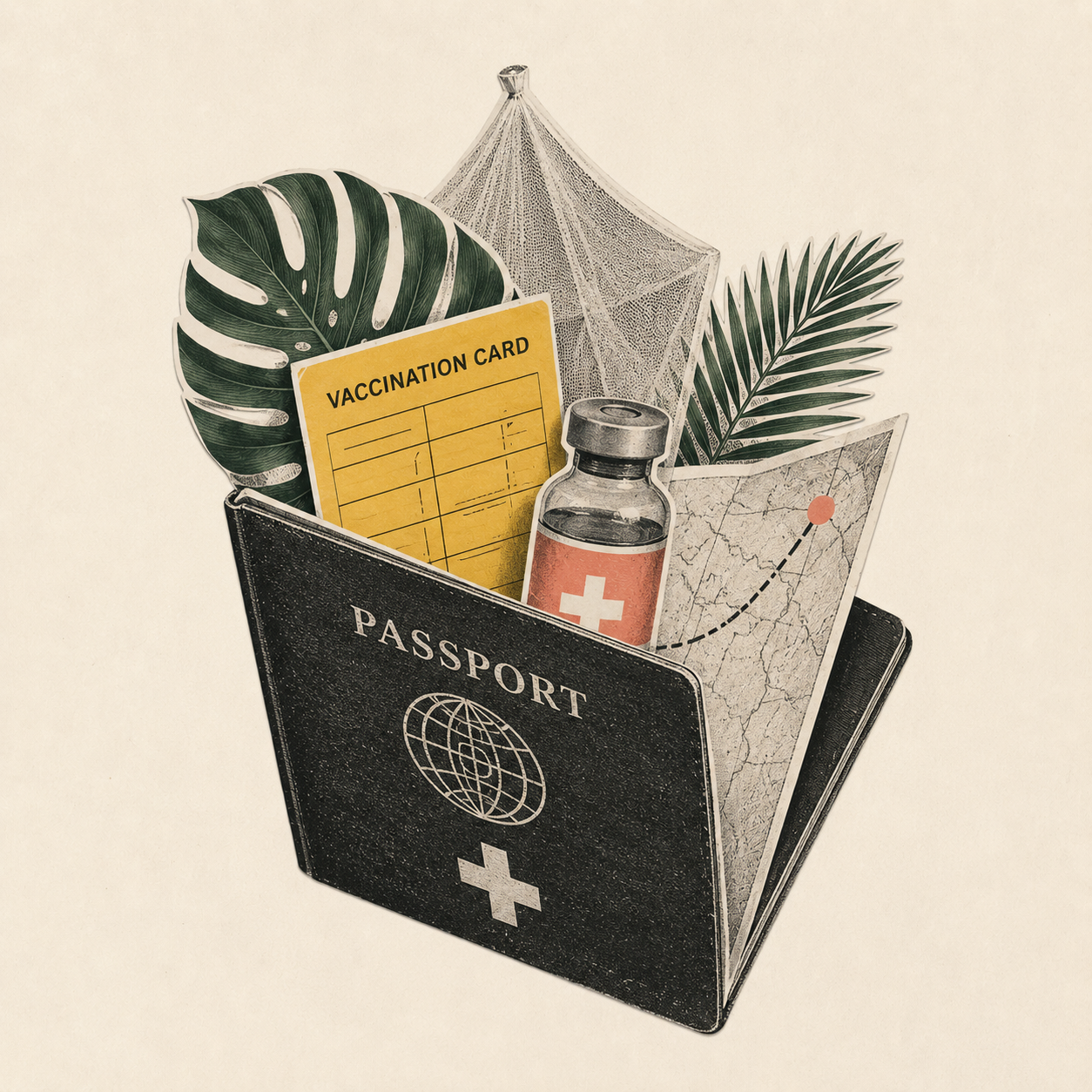
Collage with a folded passport with palm leaves, mosquito netting, vaccination card, vaccine and map inside

Getting Ready: Health Planning Before Your Flight to Latin America

Picture this: You’ve just landed in Cartagena, Colombia, the sea breeze hits your face, and you’re ready for adventure, not a last-minute scramble for vaccine paperwork. Health prep is one of the smartest parts of travel planning.

You should also review your regular shots (MMR, tetanus and influenza), which should be up to date. Some destinations require proof of yellow fever shots, especially if you’re crossing from high-risk countries.

If you’re planning a multi-country itinerary, take a look at travel vaccines for South America. This overview helps travelers understand the requirements by region, so nothing is missed between borders.
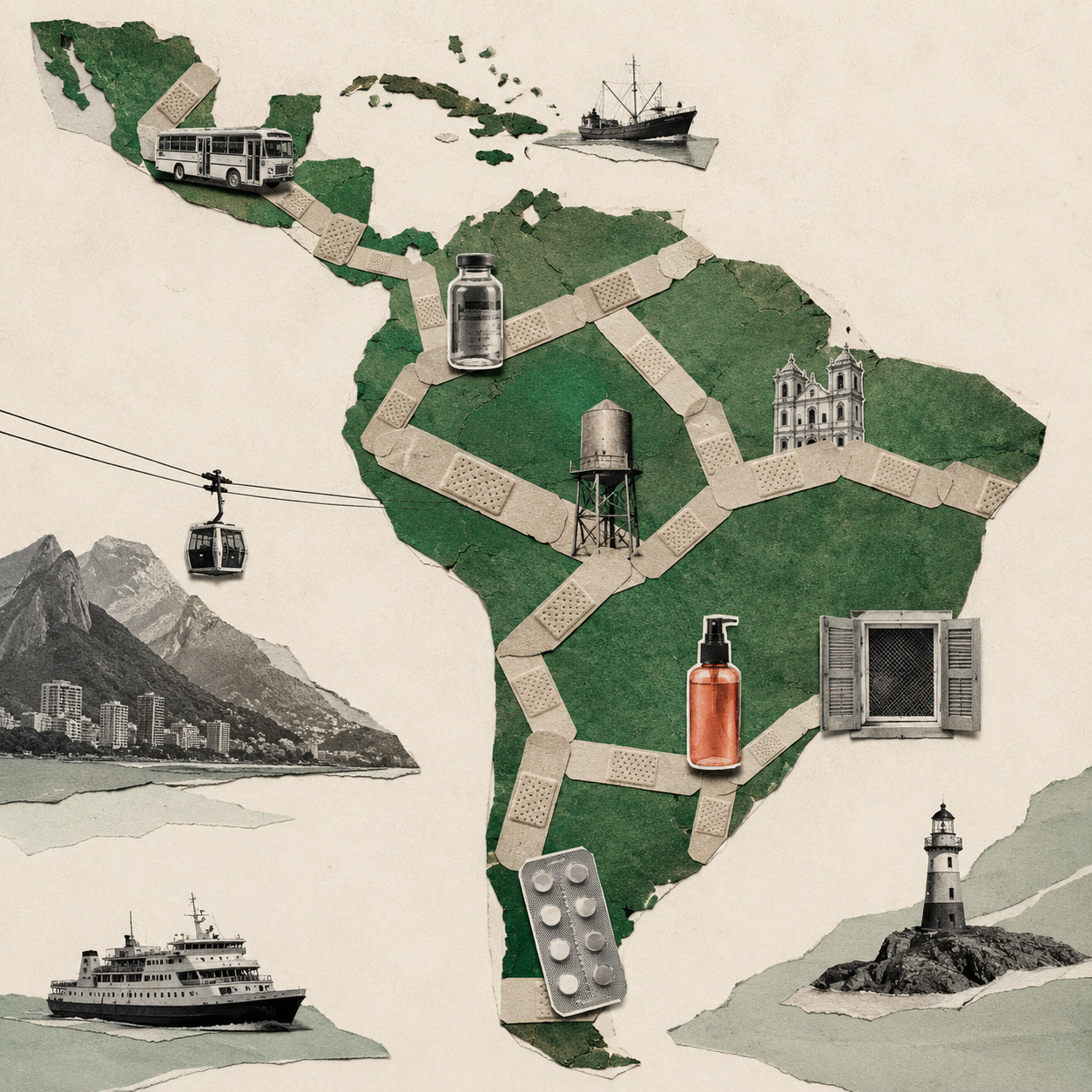
Collage of Latin America, with sky tram, ships, lighthouse, bus, church, water tower and other icons and roads created by bandaids

Country-by-Country Travel Vaccines Checklist

Latin America covers everything from tropical jungles to high-altitude cities, which means vaccine needs differ by geography as much as by country. For official country-specific guidance, visit the WHO travel vaccines page

Brazil 

  • Yellow fever shots: Required for many regions and strongly recommended for others, especially the Amazon basin and certain coastal states.

  • Malaria prevention: Needed for trips to forested and rural zones; not necessary for São Paulo or Rio de Janeiro.

  • Other: Hepatitis A, typhoid and routine updates like tetanus.
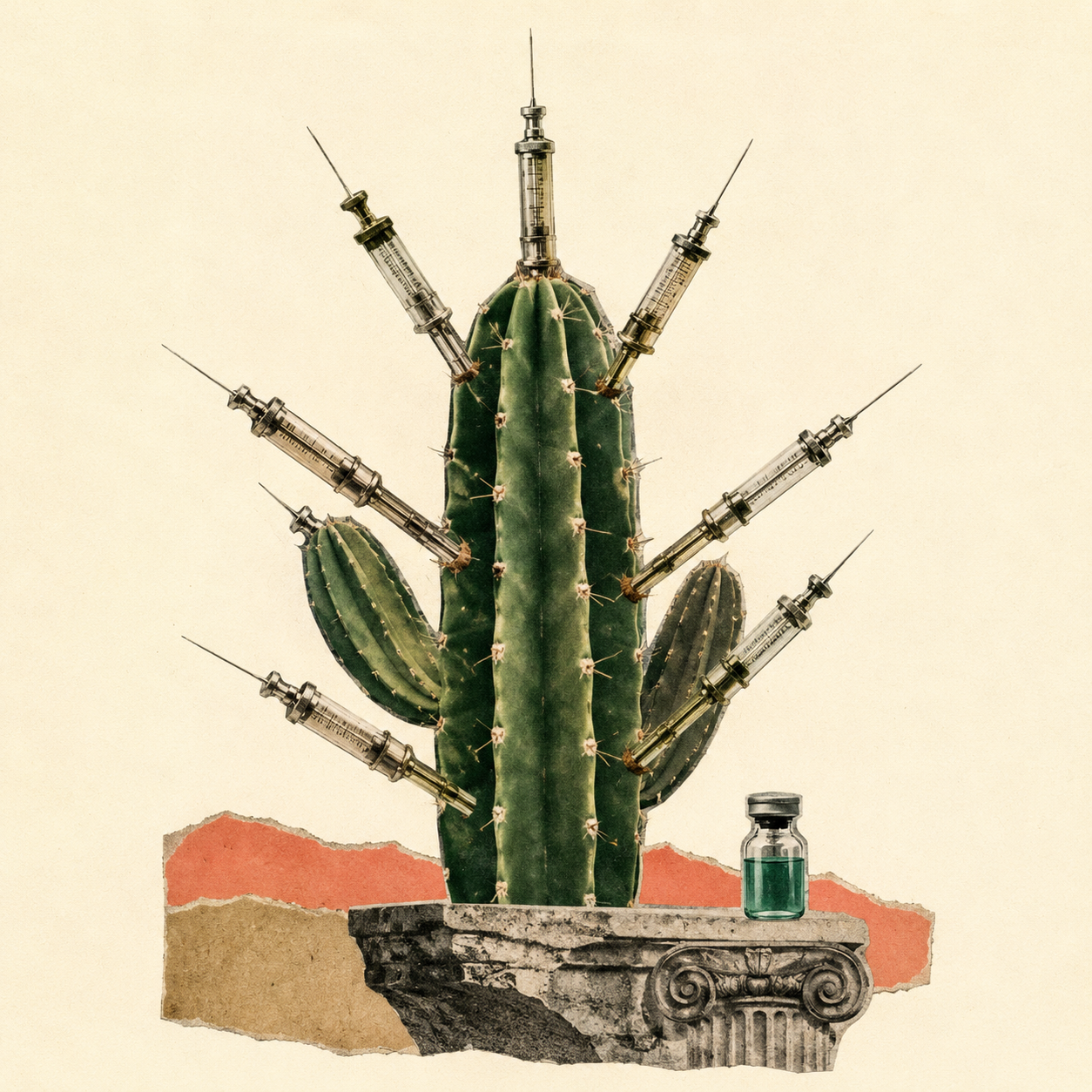
Cactus with spikes made of medical shots, on a column with a vial of vaccine

Colombia 

  • Yellow fever shots: Recommended in many rural departments but not needed for Bogotá or Medellín (high elevation reduces mosquito risk)

  • Malaria: Present in the Amazon, Chocó and Pacific regions

  • Other: Hepatitis A and standard vaccines are a must

Peru, Bolivia and Ecuador 

  • Yellow fever shots: Needed for Amazon regions; optional elsewhere

  • Malaria: Discuss tablets for jungle travel

  • Other: Consider rabies if visiting wildlife reserves or working with animals
Mayan temple with jaguar head with pills for eyes and medical syringes as columns

Central America and the Caribbean 

  • Yellow fever shots: Generally not required unless you’ve transited through a risk country

  • Hepatitis A and typhoid shots: Commonly recommended for food and water safety

  • Dengue: Mosquito control is essential year-round, especially in coastal and urban areas
Collage of airplane as a mosquito, with sun, palm leaf and map

Smart Malaria Prevention for Tropical Zones

The key to preventing malaria is combining medication with bite protection.

Here’s what seasoned travelers do:

  1. Start medication early as prescribed — usually before you leave, during your stay and after your return.

  2. Pack strong repellent (20%–30% DEET or picaridin) and reapply often.

  3. Sleep under treated nets if staying in lodges or rural camps.

  4. Cover up at dusk and dawn when mosquitoes are most active.

  5. Avoid scented products, which attract insects.

Your doctor can help you choose the right prophylaxis — options depend on location, duration and your medical history.

How to Avoid Dengue During Your Trip to Latin America

There’s no reliable dengue vaccine for most travelers yet, so bite prevention remains your best defense.

Use these habits daily:

  • Apply repellent in the morning and reapply throughout the day.

  • Wear light-colored clothing and long sleeves.

  • Stay in accommodations with screens or air conditioning.

  • Dump standing water around rooms or patios.

  • Try permethrin-treated clothing for added protection.

Even short trips can coincide with local outbreaks, so consistency matters. A few small habits can spare you from fever, aches and lost travel days.
Collage with palm, mountain, red river, vaccination card and mosquito netting in a suitcase

After the Journey: Staying Alert Once Home

Returning from a tropical region? Keep an eye on how you feel for a few weeks. Fever, chills or unusual fatigue can be early signs of mosquito-borne infections or malaria relapse.

If you notice symptoms, let your doctor know where you’ve traveled and whether you took malaria prevention medication. Keep your International Certificate of Vaccination (the “yellow card”) in a safe spot, because you might need it for future trips.

Before You Go: Travel Vaccines, Malaria Prevention and Mosquito Protection

A great trip starts long before you step on the plane. Planning your travel vaccines, confirming yellow fever shots and arranging malaria prevention are quick steps that pay off throughout your journey. Combine those with solid mosquito bite protection and simple ways to avoid dengue routines, and you’ll explore Latin America with confidence.

Think of your pre-travel checklist as part of the adventure, something that lets you focus on the food, culture and moments that truly matter. Safe travels and good health wherever your path leads next. –Ethan Walker


How to Plan Your Dream Amazon Adventure

Want to explore the largest rainforest on Earth? Should you head to Brazil, Peru or Colombia? Here are 5 tips to make your Amazon trip unforgettable.

A woman in a kayak looks through binoculars at the wildlife of the Amazon

One of the most memorable projects I ever worked on in school was about the Amazon. I remember it vividly: poring over pictures of sloths, parrots and winding rivers, reading about thick-canopied forests teeming with life and secrets. Since then, I’ve kept a close eye on what’s happening in South America and, when possible, have ventured to far-flung, wild places. But the Amazon — well, that’s still in a league of its own. And planning a trip there takes a bit of strategy. 

Few places on Earth compare to the Amazon — and with the right planning, you’ll be ready to discover it in all its intensity and wonder.
Two handsome tattooed men take a selfie on a canopy bridge in the Amazon


Here’s what you need to know to make the most of an adventure that, if done right, will feel like stepping into a whole new world.

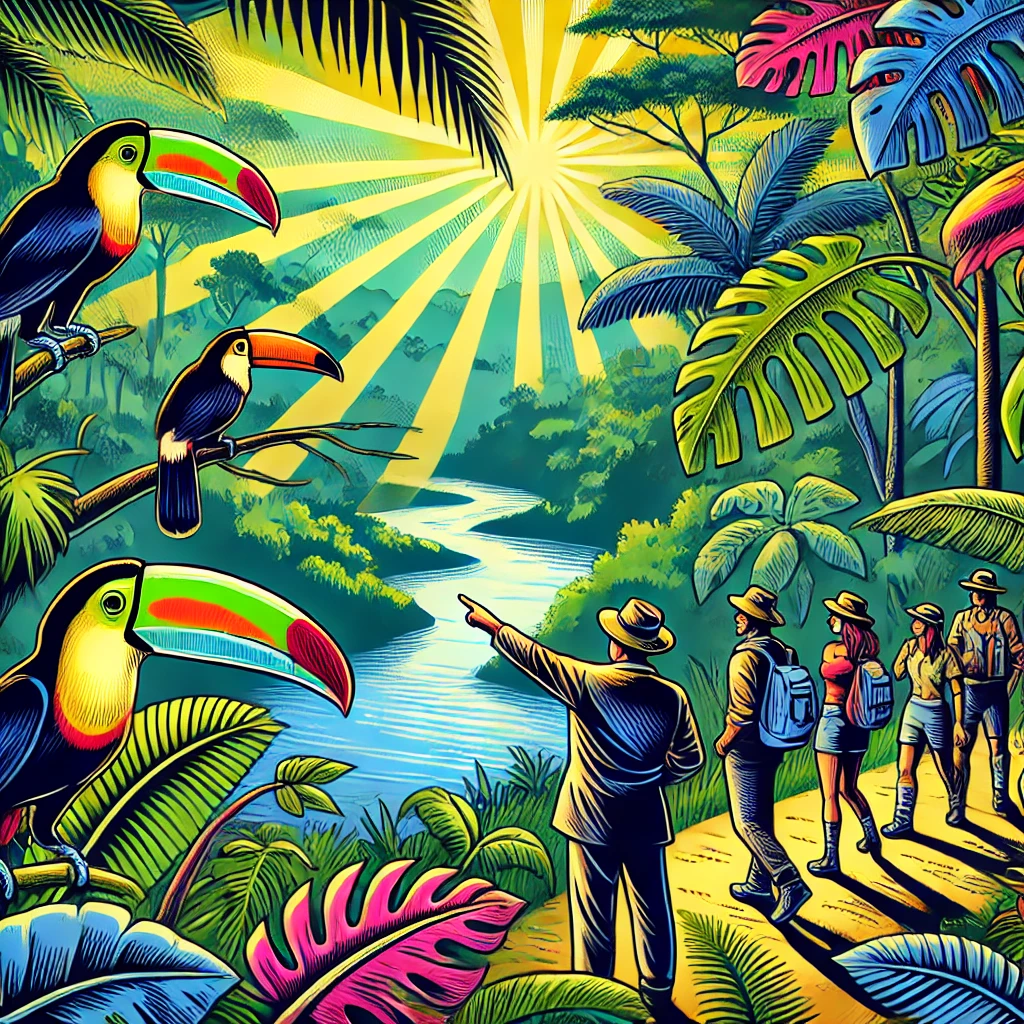
A guide points something out to a group of hikers in the Amazon with toucans perched nearby

1. Determine your adventure style. 

Let’s face it, “the Amazon” conjures up different images for everyone. Are you envisioning a canoe ride through quiet waterways, binoculars in hand, scanning for jaguars? Or are you more inclined toward guided nature hikes, where you can absorb insights on indigenous plants, medicinal herbs and Amazonian lore?

Brazil is your classic jungle adventure, with thrilling treks, wildlife galore and river communities, where you can experience a bit of daily life in the Amazon. Peru and Colombia, on the other hand, have national parks that blend cultural sites with nature, offering the chance to experience a little bit of everything — from visiting wildlife sanctuaries to learning about local customs.

A riverboat cruises down the Amazon while a jaguar and birds look on

2. Decide where in the Amazon you’re headed. 

The Amazon is a sprawling natural giant, stretching across nine countries and more than 2 million square miles. 

So, how do you decide where you want to go? Each Amazonian region offers something a bit different. Brazil’s Manaus is a popular gateway, but Peru offers incredible river cruises, and Ecuador is known for its pristine national parks. The location you choose will shape your experience, so let your interests lead the way. Want to get lost in deep jungle trails? Brazil might be your calling. More interested in a mix of culture, wildlife and guided excursions? Consider starting in Peru or Colombia.

An AI trip planner can be a lifesaver for navigating this decision, helping pinpoint destinations that fit your goals, timeline and budget.

A gay couple hold up a map with tropical birds around them as they plan an Amazon adventure

3. Find flights and accommodations. 

Getting to the Amazon usually starts with a flight into a major city, often São Paulo or Rio de Janeiro if you’re heading to Brazil. From there, you’ll hop on a regional flight to your main Amazonian destination, such as Manaus. For those aiming for Peru, Lima and Cusco serve as gateways to the country’s Amazon regions, with river cruises and jungle lodges that let you dive deep into the wilderness without having to go entirely off-grid.

While the Amazon isn’t a “budget” destination, booking early and looking at various starting points can help keep costs manageable. And if you’re going for Amazon guided tours, they often bundle accommodation and transport, so look for packages that offer flexibility and fit your adventure style. 

Don’t forget: Each region’s climate can vary, so check seasonal weather patterns. For instance, from late spring to early autumn, the dry season is ideal for wildlife spotting and hiking, whereas the wet season offers a lusher, greener landscape.

4. Pack like a pro. 

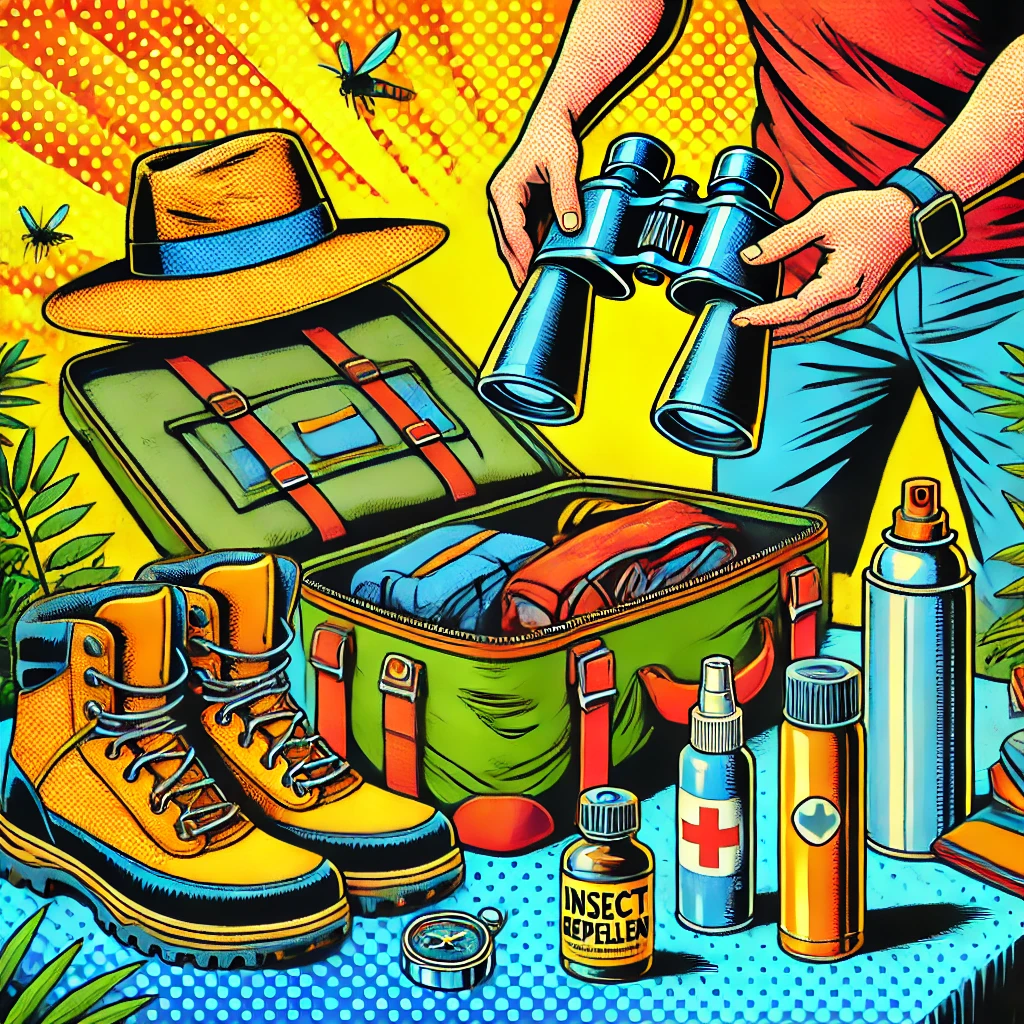
Packing for the Amazon isn’t quite like packing for your average vacation. It’s not just about comfort; it’s about being ready for any situation. Lightweight, moisture-wicking clothing is a must to handle the jungle’s heat and humidity, but you’ll also want durable hiking gear if you’re planning on hitting the trails. A waterproof jacket is non-negotiable, as are sunblock, a hat and any medications you need for the duration of your stay.

Here are some other important things to check off before you go:

  • Documents: Make sure your passport is current and you’ve got any necessary visas.

  • Vaccinations: Common vaccines like yellow fever are often recommended, along with malaria prevention.

  • Insect repellent: Trust me — you don’t want to skimp here. Stock up on good-quality repellent to keep those pesky bugs at bay.

  • Travel insurance: Medical emergencies in the Amazon are no joke. Make sure you’re covered for any unexpected costs in a remote area.

And be sure to bring a good flashlight, power bank and possibly a GPS for off-the-grid excursions. 

Even your packing strategy should be built for flexibility because in the Amazon, Mother Nature doesn’t always follow your plans. Prepare for a mix of hiking, boating and relaxing by packing a bit of everything — from flip-flops to sturdy boots.

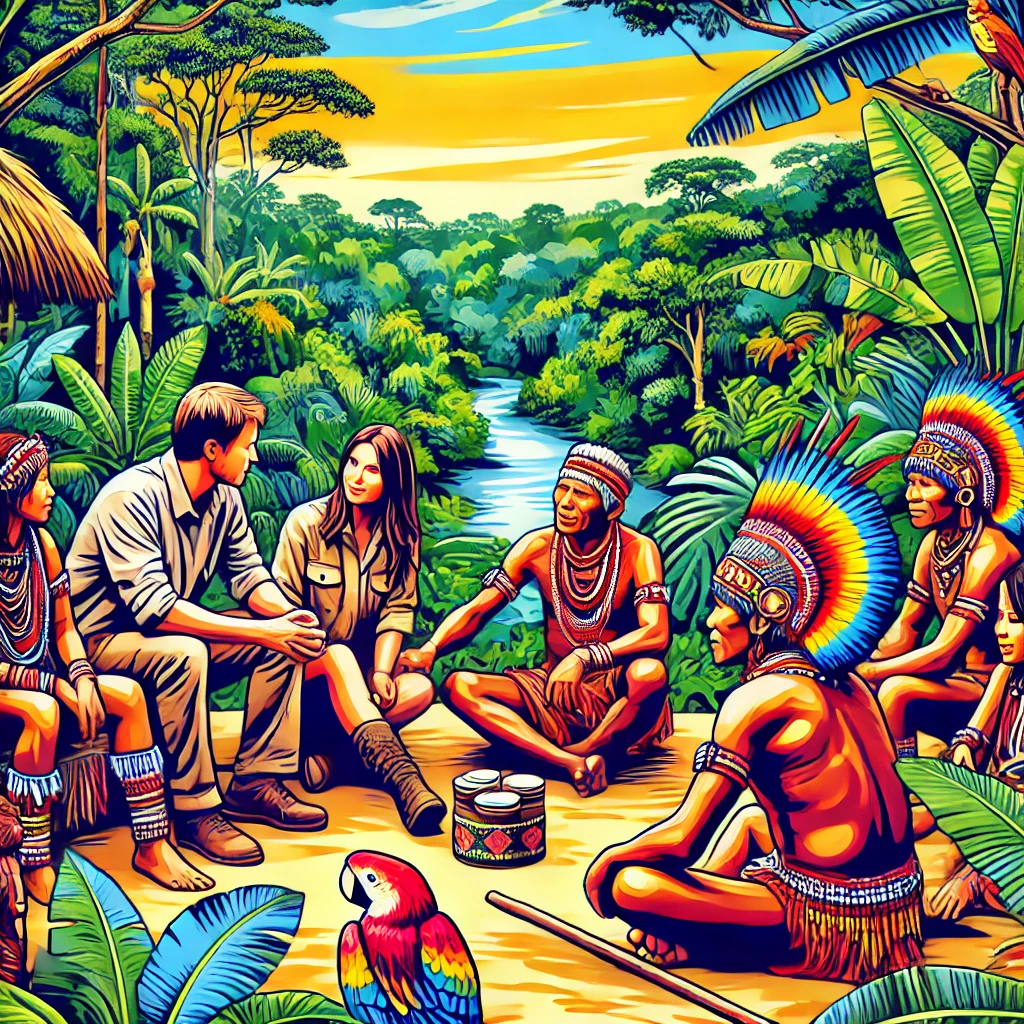
A couple sits in a circle with indigenous Amazonians in colorful feathered headgear

5. Embrace the local culture. 

One of the most rewarding parts of traveling in the Amazon is meeting people who call this vast region home. Tourism, when done thoughtfully, can support the communities and help preserve the forest. Look for ways to engage responsibly. Consider eco-lodges that prioritize sustainability, and always remember that you’re stepping into a place with its own rhythms and traditions.

Understanding and respecting local customs can lead to a richer experience. Many indigenous communities welcome travelers, but it’s always good to know local etiquette. And it doesn’t hurt to learn a few words of Portuguese or Spanish to show your respect and interest.

A girl stands on the bow of a small boat watching the pink dolphins of the Amazon

The Amazon Awaits

Few places on Earth compare to the Amazon, and with the right planning, you’ll be ready to discover it in all its intensity and wonder. So do your research, respect the rainforest and its people, and pack a good amount of curiosity. Get ready for a journey to one of the most unique ecosystems on the planet — one that, with any luck, will leave you a bit changed when you return. –Lucy Roberts