Plan your Latin America adventure with the right travel vaccines, malaria prevention and dengue protection tips.
Latin America rewards travelers who like variety: rainforests and ruins, high-altitude cities and beach towns, street food and slow afternoons in sun-washed plazas. But before you get too deep into hotels, tours and restaurant tabs, take care of the unglamorous-but-important part: health prep.
A few weeks before you go, talk with your doctor or a travel medicine provider about your route. Depending on where you’re headed, you may need certain travel vaccines, malaria prevention or yellow fever shots. Once you arrive, daily mosquito protection is just as important, especially in places where dengue is a risk. A little planning up front can help keep your trip focused on the good stuff.
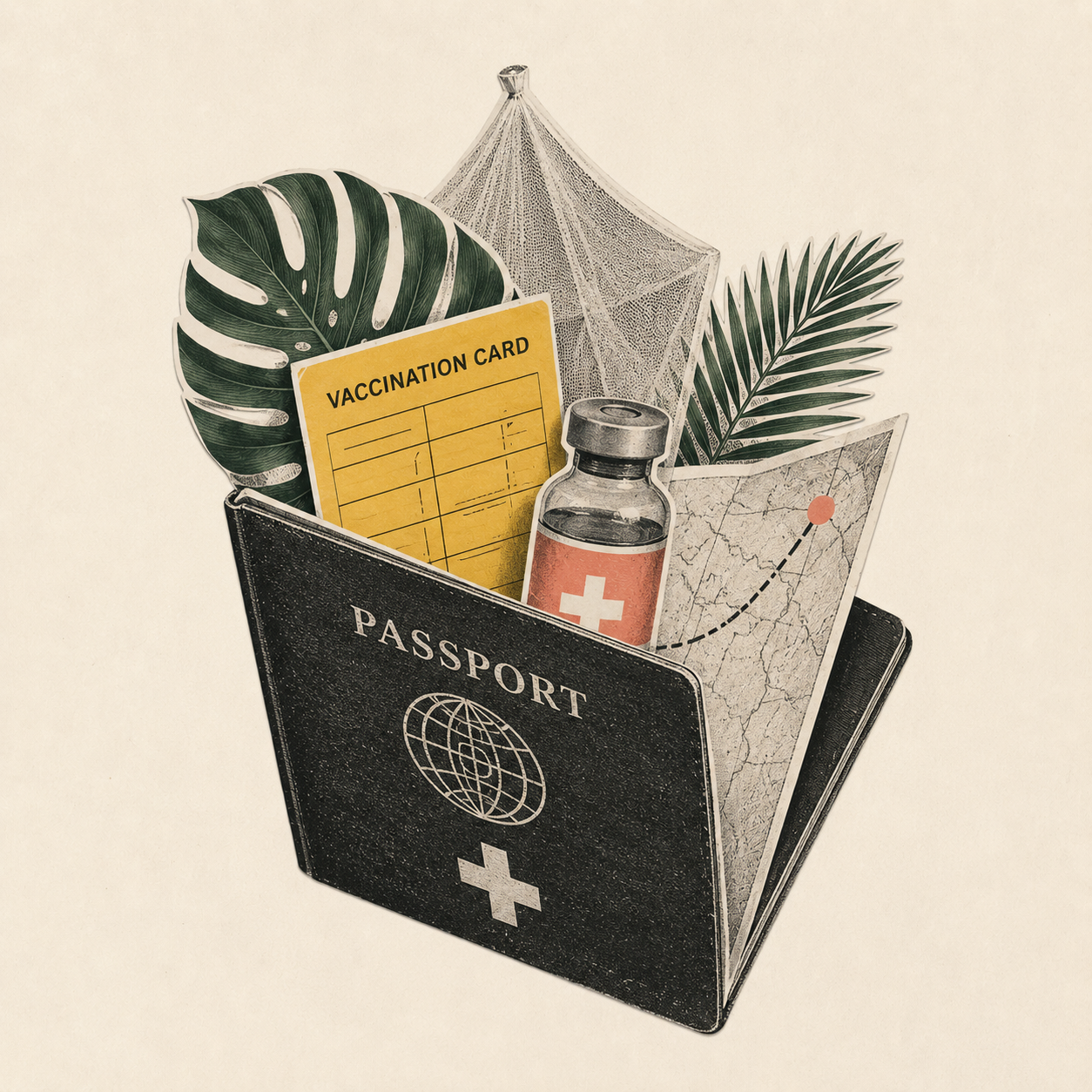
Getting Ready: Health Planning Before Your Flight to Latin America
Picture this: You’ve just landed in Cartagena, Colombia, the sea breeze hits your face, and you’re ready for adventure, not a last-minute scramble for vaccine paperwork. Health prep is one of the smartest parts of travel planning.
You should also review your regular shots (MMR, tetanus and influenza), which should be up to date. Some destinations require proof of yellow fever shots, especially if you’re crossing from high-risk countries.
If you’re planning a multi-country itinerary, take a look at travel vaccines for South America. This overview helps travelers understand the requirements by region, so nothing is missed between borders.
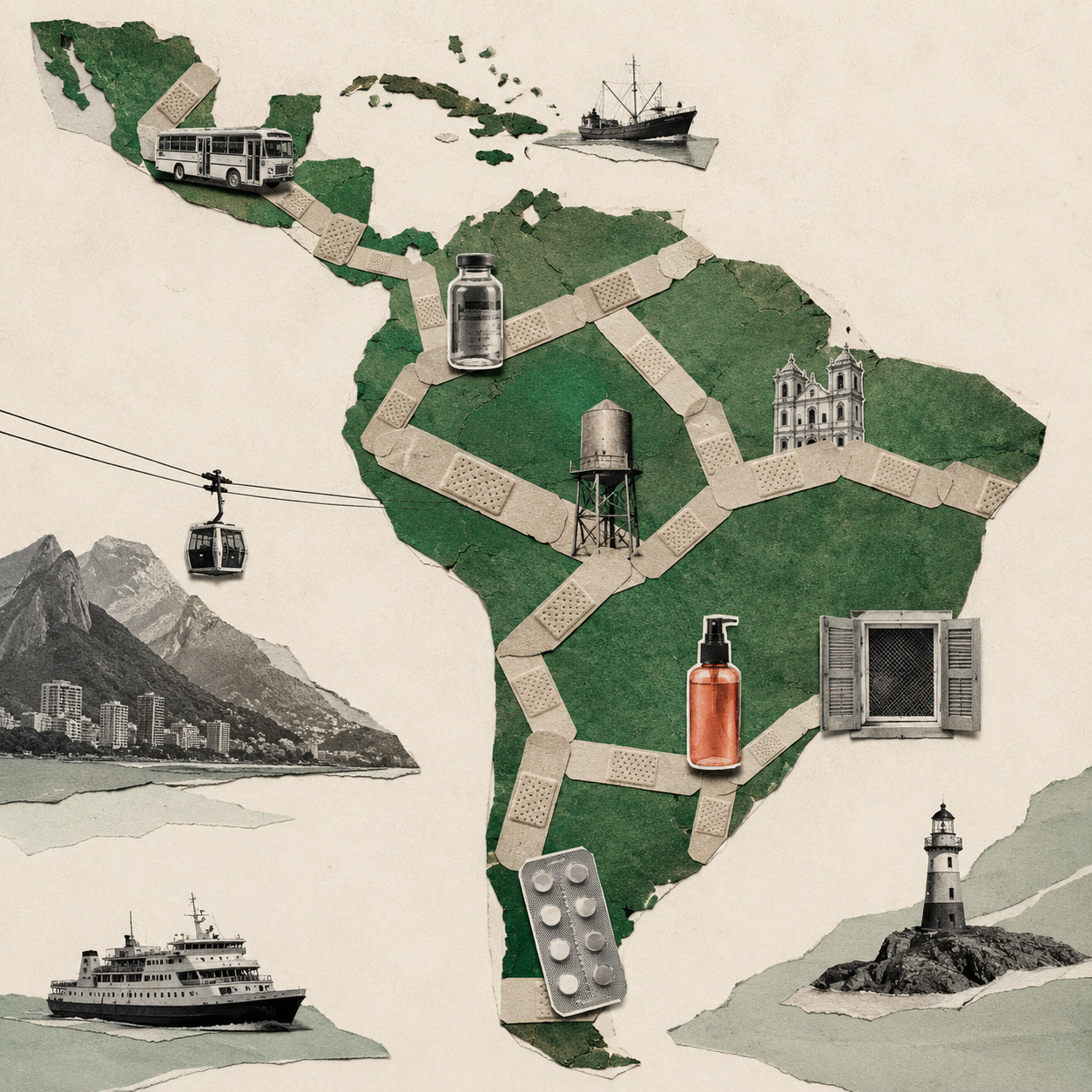
Country-by-Country Travel Vaccines Checklist
Latin America covers everything from tropical jungles to high-altitude cities, which means vaccine needs differ by geography as much as by country. For official country-specific guidance, visit the WHO travel vaccines page.
Brazil
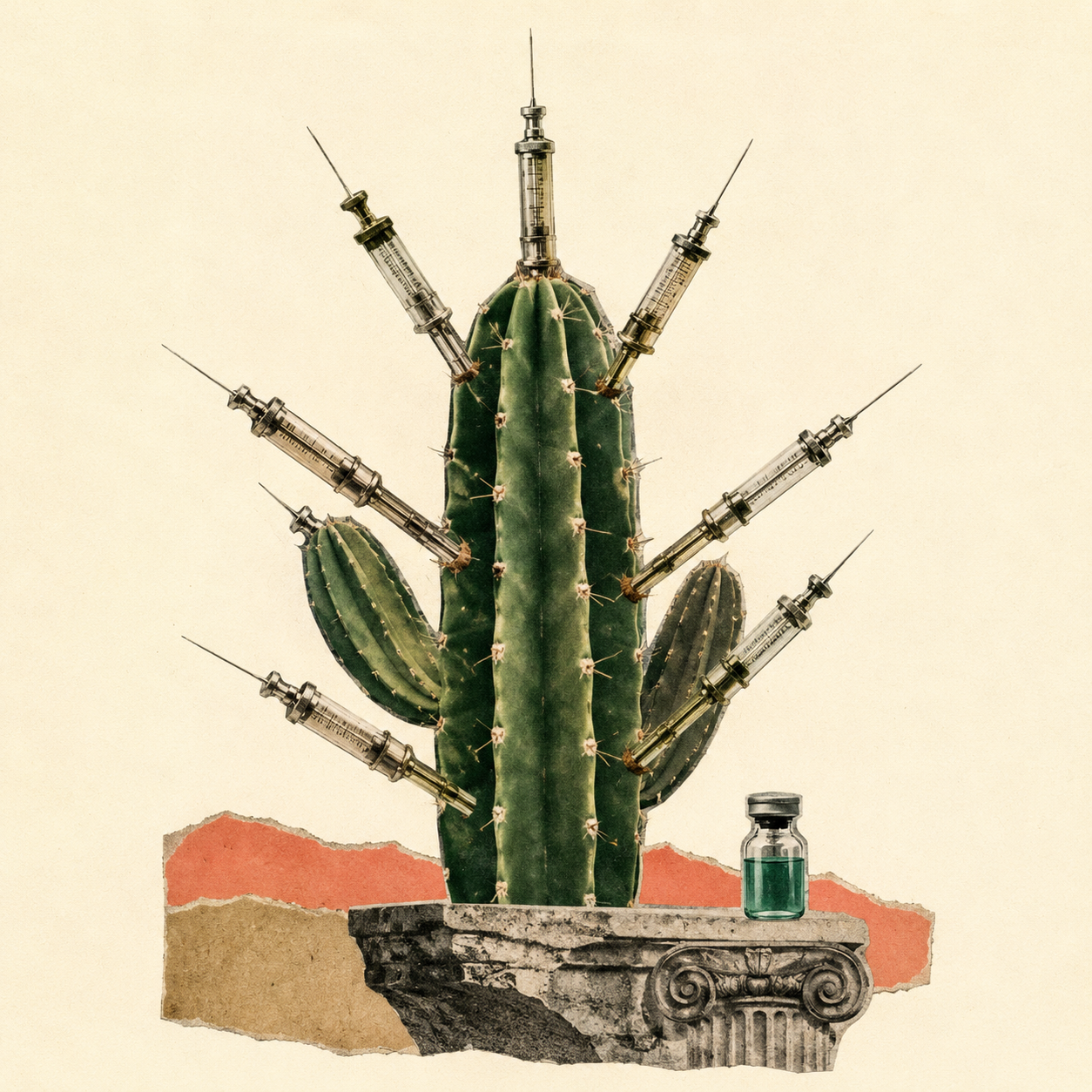
Yellow fever shots: Required for many regions and strongly recommended for others, especially the Amazon basin and certain coastal states.
Malaria prevention: Needed for trips to forested and rural zones; not necessary for São Paulo or Rio de Janeiro.
Other: Hepatitis A, typhoid and routine updates like tetanus.
Colombia
Yellow fever shots: Recommended in many rural departments but not needed for Bogotá or Medellín (high elevation reduces mosquito risk)
Malaria: Present in the Amazon, Chocó and Pacific regions
Other: Hepatitis A and standard vaccines are a must
Peru, Bolivia and Ecuador
Yellow fever shots: Needed for Amazon regions; optional elsewhere
Malaria: Discuss tablets for jungle travel
Other: Consider rabies if visiting wildlife reserves or working with animals
Central America and the Caribbean
Yellow fever shots: Generally not required unless you’ve transited through a risk country
Hepatitis A and typhoid shots: Commonly recommended for food and water safety
Dengue: Mosquito control is essential year-round, especially in coastal and urban areas
Smart Malaria Prevention for Tropical Zones
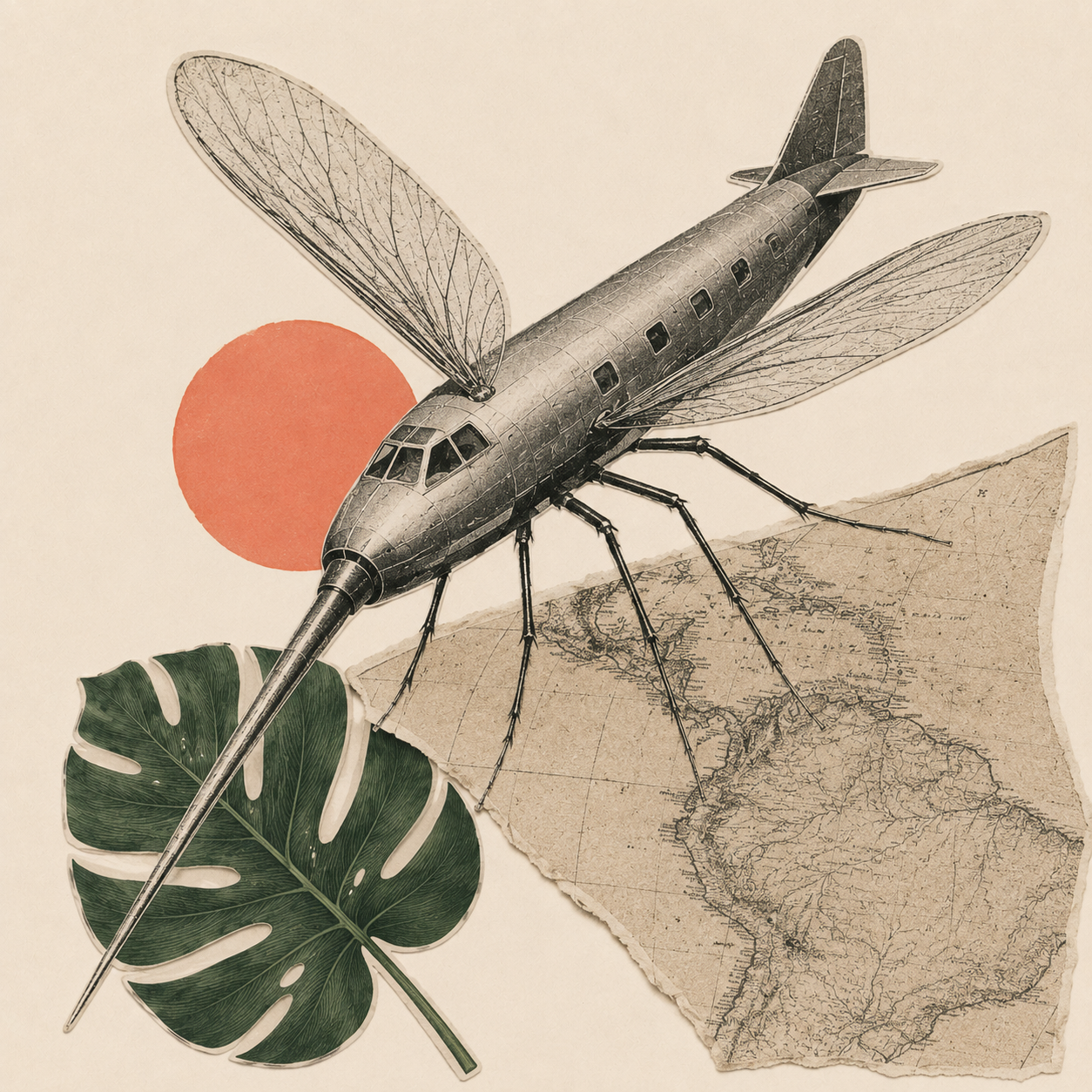
The key to preventing malaria is combining medication with bite protection.
Here’s what seasoned travelers do:
Start medication early as prescribed — usually before you leave, during your stay and after your return.
Pack strong repellent (20%–30% DEET or picaridin) and reapply often.
Sleep under treated nets if staying in lodges or rural camps.
Cover up at dusk and dawn when mosquitoes are most active.
Avoid scented products, which attract insects.
Your doctor can help you choose the right prophylaxis — options depend on location, duration and your medical history.
How to Avoid Dengue During Your Trip to Latin America
There’s no reliable dengue vaccine for most travelers yet, so bite prevention remains your best defense.
Use these habits daily:
Apply repellent in the morning and reapply throughout the day.
Wear light-colored clothing and long sleeves.
Stay in accommodations with screens or air conditioning.
Dump standing water around rooms or patios.
Try permethrin-treated clothing for added protection.
Even short trips can coincide with local outbreaks, so consistency matters. A few small habits can spare you from fever, aches and lost travel days.
After the Journey: Staying Alert Once Home
Returning from a tropical region? Keep an eye on how you feel for a few weeks. Fever, chills or unusual fatigue can be early signs of mosquito-borne infections or malaria relapse.
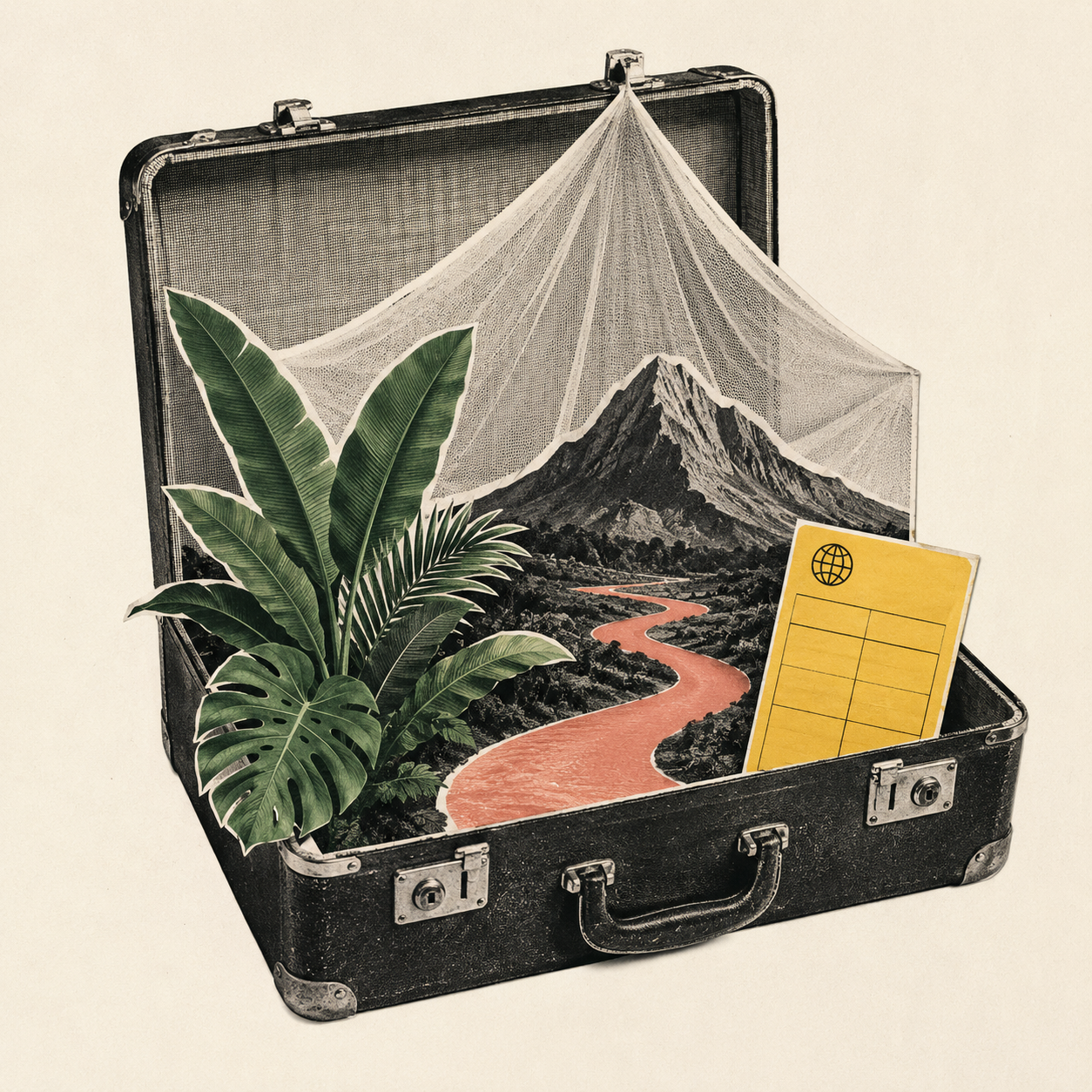
If you notice symptoms, let your doctor know where you’ve traveled and whether you took malaria prevention medication. Keep your International Certificate of Vaccination (the “yellow card”) in a safe spot, because you might need it for future trips.
Before You Go: Travel Vaccines, Malaria Prevention and Mosquito Protection
A great trip starts long before you step on the plane. Planning your travel vaccines, confirming yellow fever shots and arranging malaria prevention are quick steps that pay off throughout your journey. Combine those with solid mosquito bite protection and simple ways to avoid dengue routines, and you’ll explore Latin America with confidence.
Think of your pre-travel checklist as part of the adventure, something that lets you focus on the food, culture and moments that truly matter. Safe travels and good health wherever your path leads next. –Ethan Walker
MORE TRAVEL PREP: What to Pack for a Trip to South America