ITALY

Essential Tips for Planning Your First Road Trip Along the Amalfi Coast

Planning an Amalfi Coast road trip? From navigating cliffside curves to choosing the right towns and villas, here’s how to drive the coast without the stress and soak up every view.

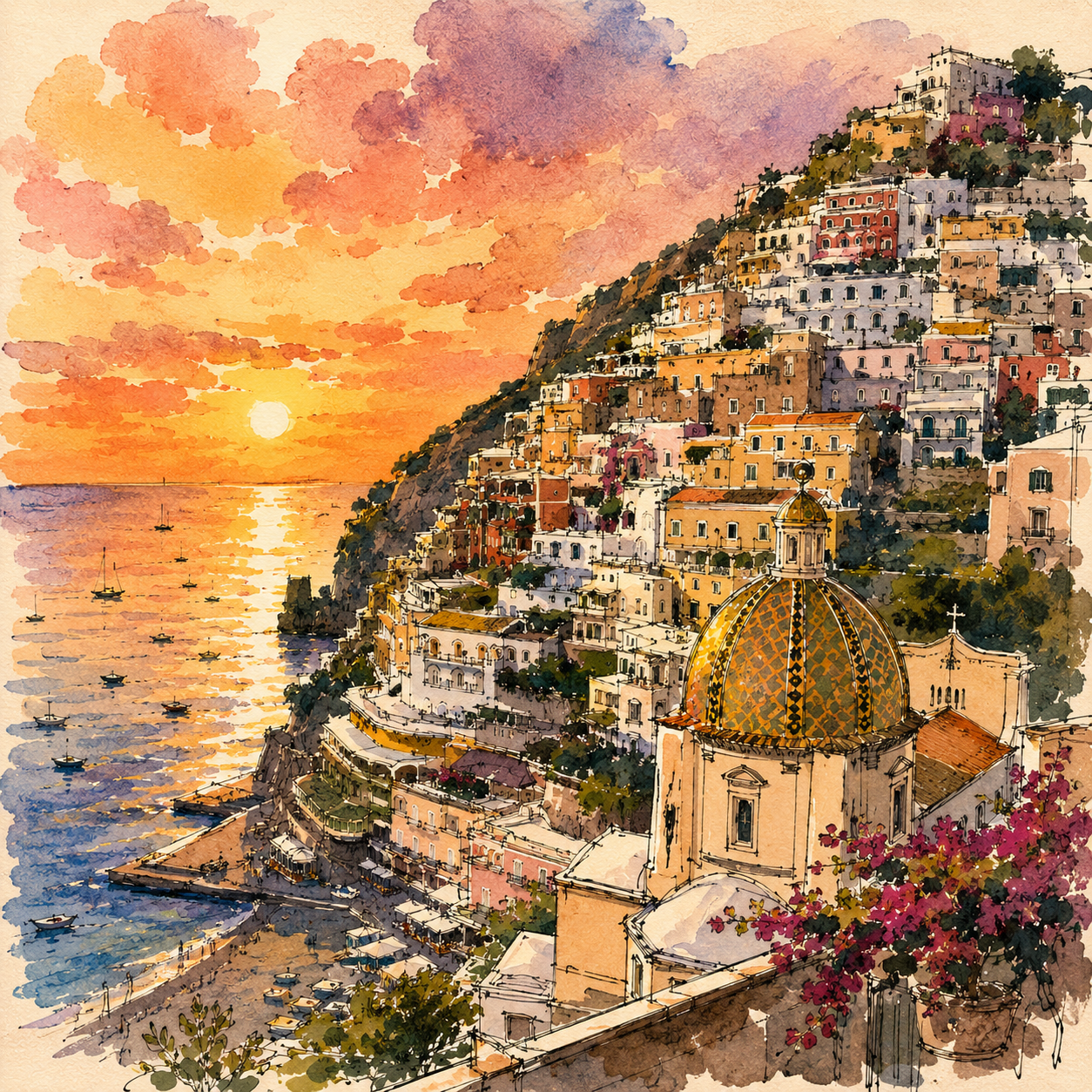
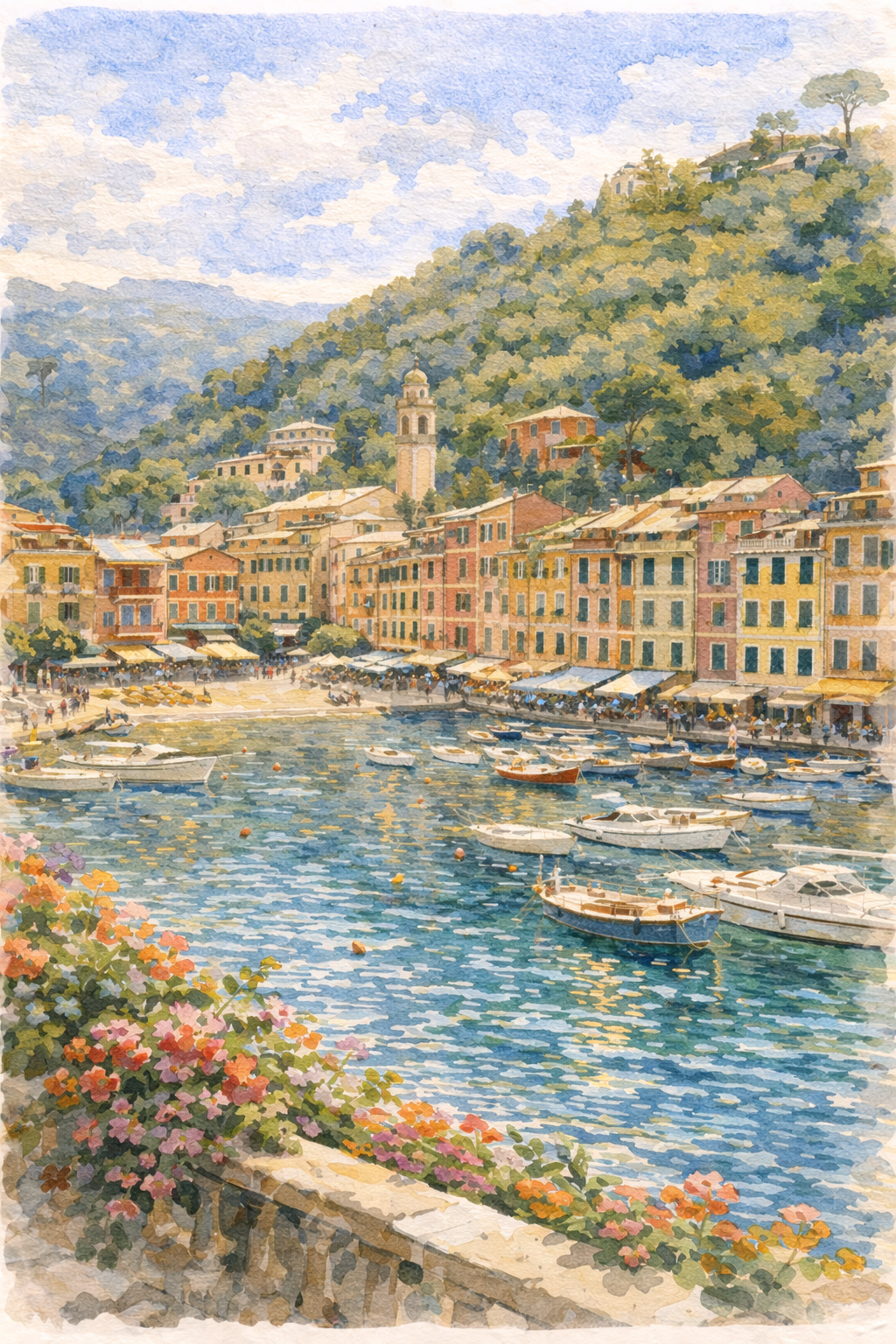
A view of Portofino, Italy on the Amalfi Coast, with buildings lining the water, filled with boats

A cinematic ribbon of pavement between sea and sky, the Amalfi Coast delivers lemon groves, pastel villages and some of the most beautiful — and nerve-testing — driving in Europe. Here’s how to do it right without losing your cool or your side mirror.

A road trip along the Amalfi Coast sounds romantic in theory. You picture music drifting through open windows, the Mediterranean glittering to your right, maybe a casual stop for espresso in a sun-bleached piazza. And then you arrive, take your first tight corner above a vertical drop and realize this isn’t a Sunday cruise at all. It’s a cliffside obstacle course with world-class scenery.

The famous drive between Sorrento and Salerno stretches only 31 miles (50 kilometers), yet it can easily take half a day once you factor in traffic, photo stops and the simple fact that you’ll want to pull over every five minutes just to stare. The road hugs the rock face, curls around lemon terraces and slips through towns that look like stage sets stacked above the sea. It’s absurdly beautiful — and just challenging enough to keep both hands glued to the wheel.

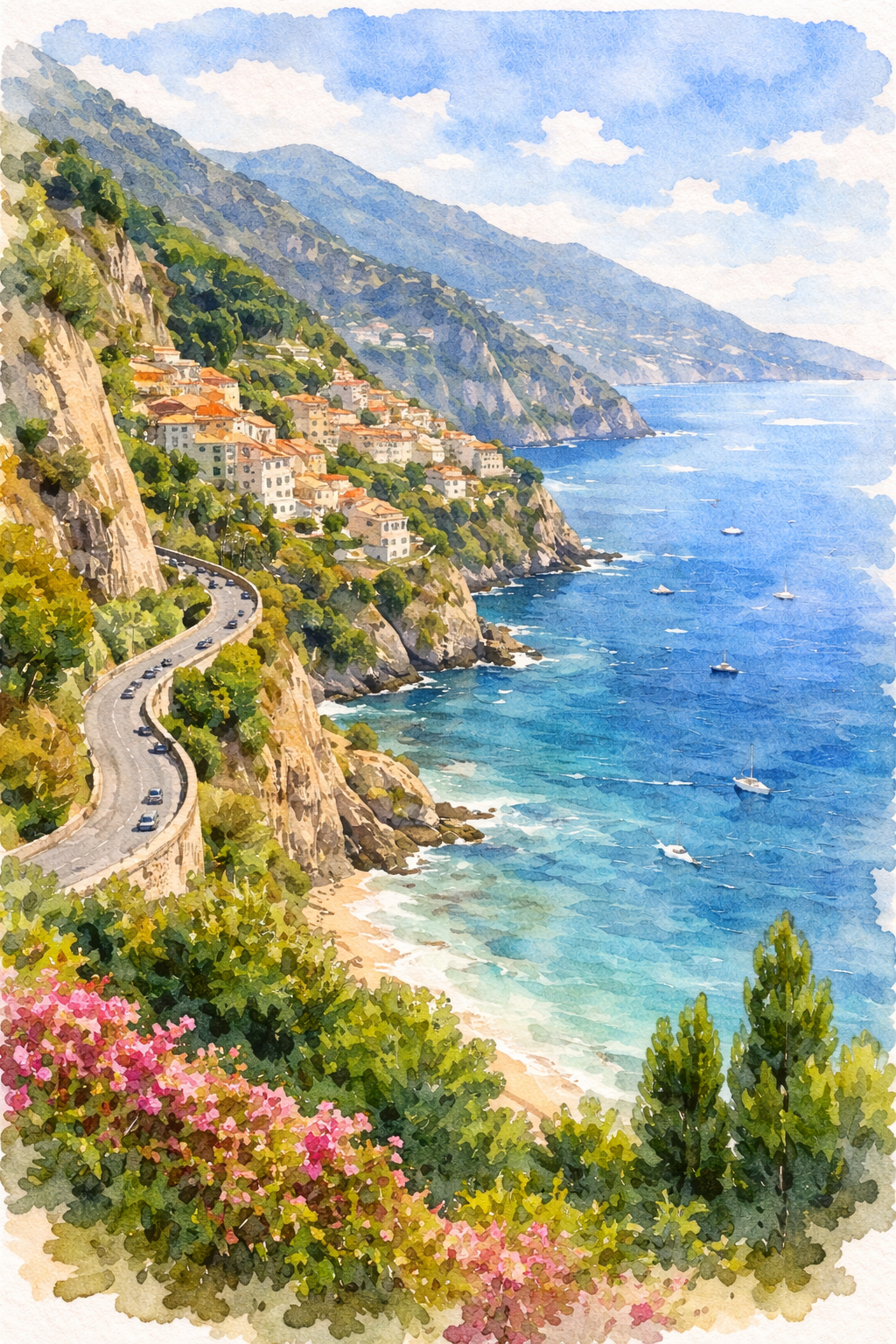
A road winds through the hills with buildings perched upon it overlooking the sea with boats along the Amalfi Coast

The Amalfi Coast Driving Part Will Test You

What most guides politely gloss over is how narrow this road really feels once you’re on it.

In several stretches, two cars passing each other seems more like a negotiation than a guarantee. Now add scooters weaving through gaps, delivery vans double-parked for a quick espresso and tour buses that appear around blind curves like moving buildings. The locals drive it daily and know every bend by heart. Visitors tend to creep along, wide-eyed, praying their mirrors survive.

That’s why the single best decision you can make happens at the rental counter.

Choose the smallest car available. Something compact and nimble from Fiat or similar will feel laughably tiny on the highway and absolutely perfect here. The tighter the road gets, the more grateful you’ll be for every inch you didn’t rent. A larger SUV might seem comfortable, but on the Amalfi Coast it quickly feels like trying to park a couch.

There’s also a directional trick seasoned drivers swear by. Travel counterclockwise — starting in Sorrento and heading toward Positano and then Amalfi. Going this way keeps you on the inside lane, closer to the rock wall rather than the cliff edge. It sounds minor until you’re rounding a bend and realize you’re not staring straight down into open air.

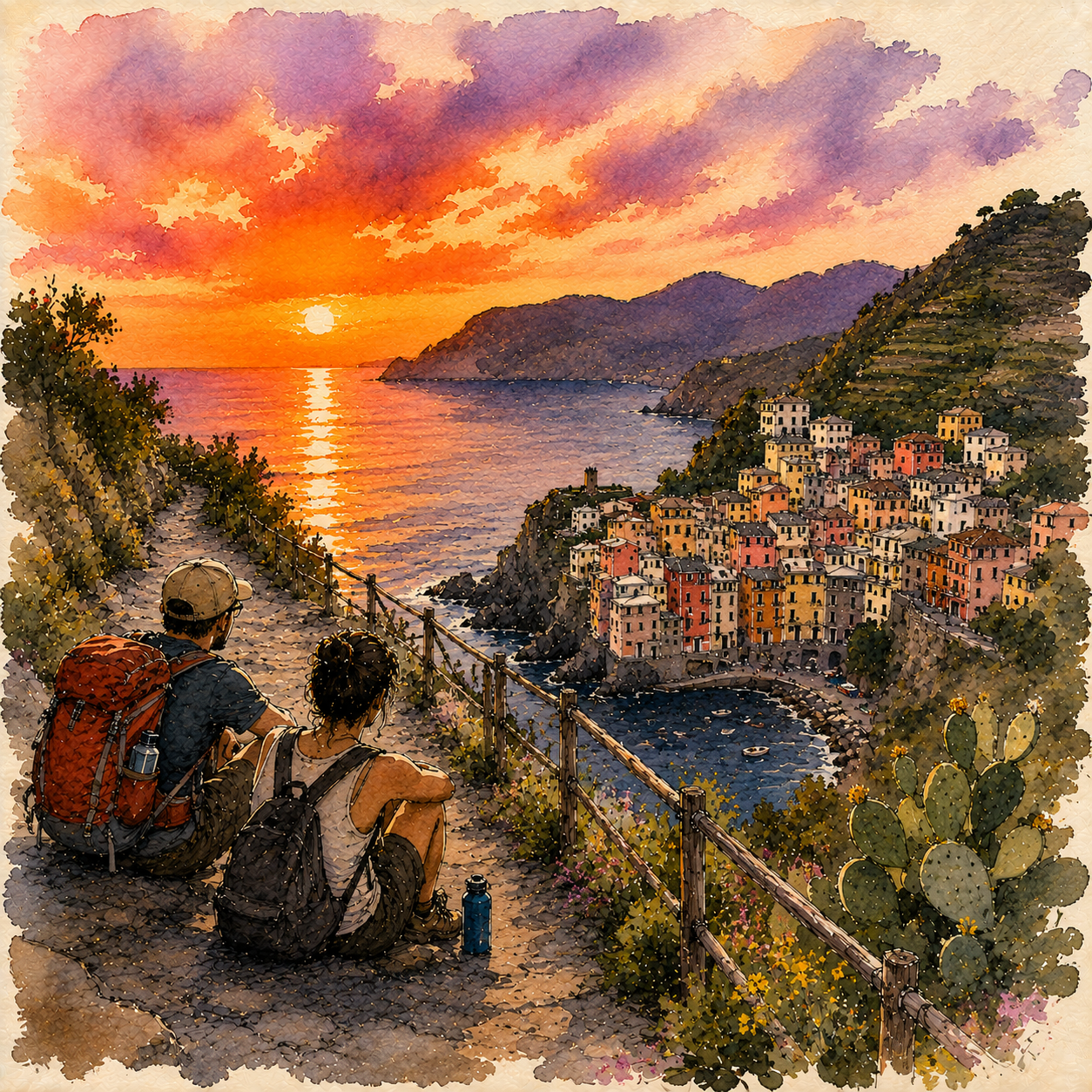
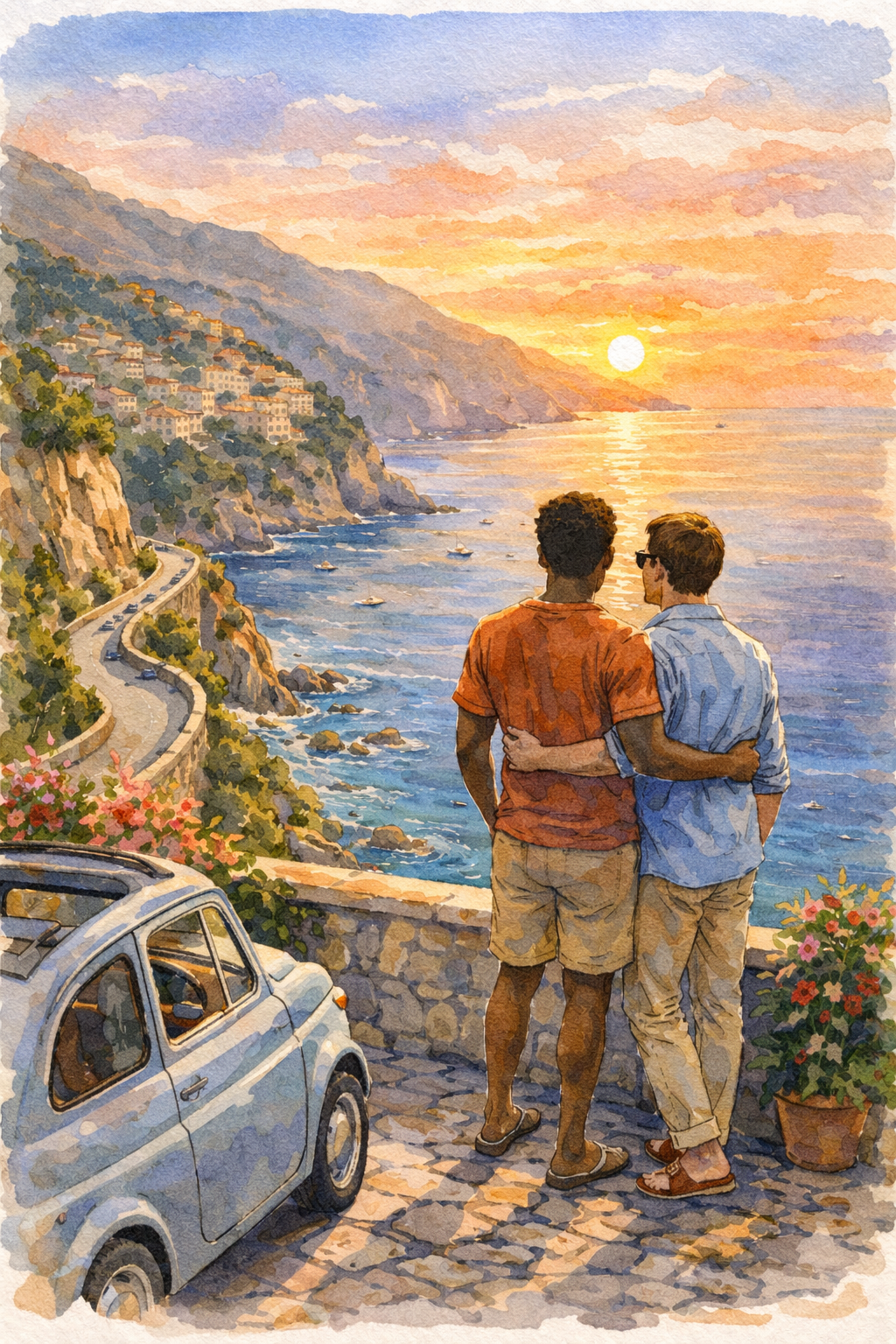
A gay couple puts their arms around each other, looking over the sea at the sunset near their parked Fiat on the Amalfi Coast

Planning Your Amalfi Coast Route Without Overthinking It

It’s tempting to treat the Amalfi Coast like a checklist: Positano, Amalfi, Ravello, done.

But this stretch of Italy doesn’t reward rushing.

Positano is the postcard — pastel houses tumbling down the hillside, linen dresses in every shop window and the kind of golden late-afternoon light that makes everyone look like they’re in a movie. Amalfi feels more grounded and lived-in, with its cathedral anchoring a busy piazza and ferries bobbing in the harbor. Ravello, perched high above it all, offers gardens and terraces where you can look out across the entire coast and feel deliciously removed from the traffic below.

Technically, you could drive the whole thing in a couple of hours. Realistically, you’ll enjoy it far more if you stretch the trip across two or three days. Otherwise you’ll spend most of your time hunting for parking spaces and watching the scenery through a windshield instead of wandering the streets with a gelato in hand.

Parking, fair warning, is its own adventure. Lots fill early, especially in Positano, and circling for half an hour isn’t unusual. Some travelers skip the stress entirely by parking in Sorrento and using the SITA Sud buses to hop between towns. It’s slower, yes, but wonderfully freeing if the thought of cliffside driving doesn’t thrill you.

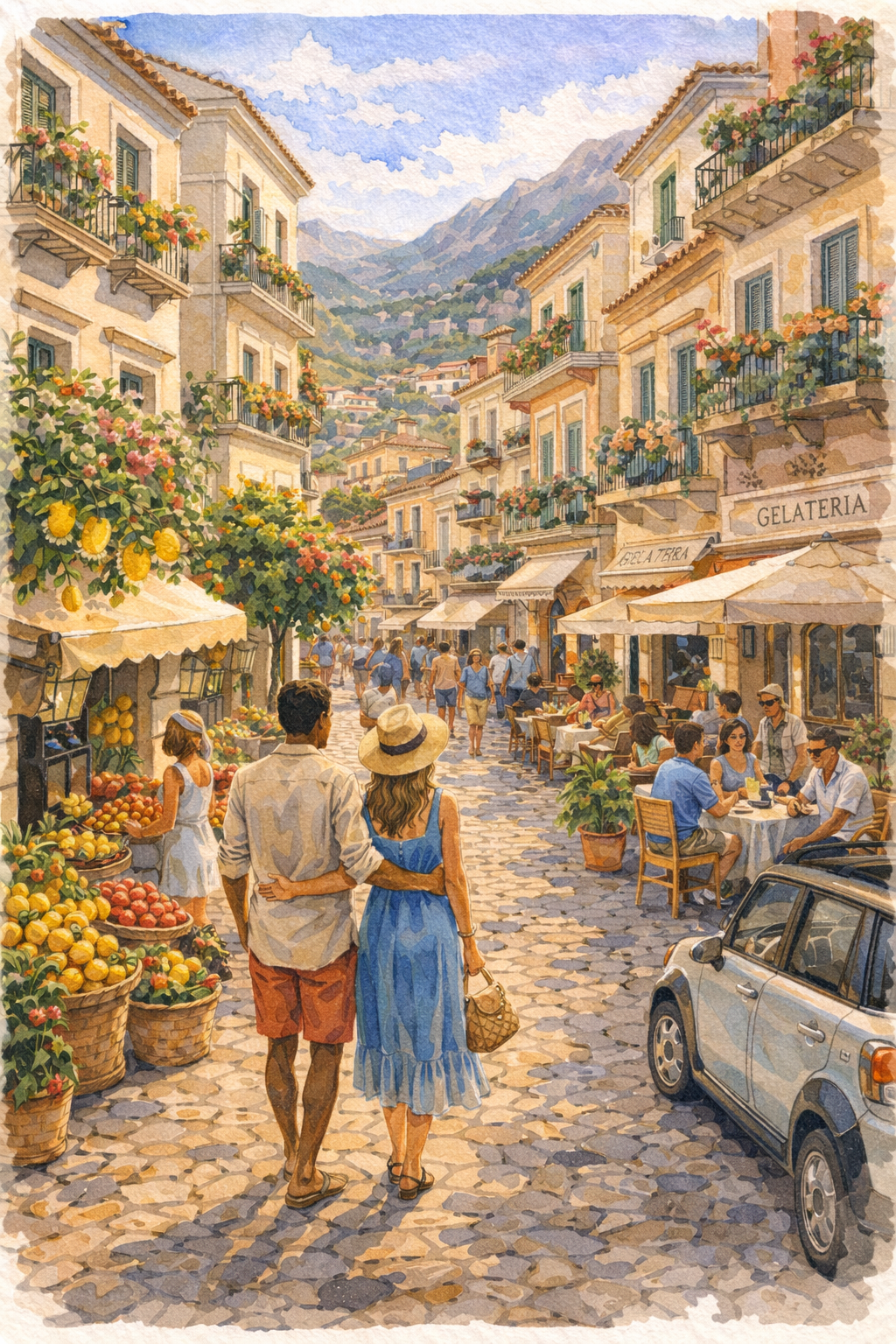
A couple walks through a small town in the Amalfi Coast with cafes and fruit markets

The Best (and Worst) Times to Visit the Amalfi Coast

Timing can make or break an Amalfi Coast road trip.

July and August bring cinematic sunshine — and crowds to match. The road clogs, restaurants book out days in advance and parking starts to feel like a competitive sport. The heat bounces off the cliffs, tempers shorten and the whole experience can tip from charming to chaotic faster than you’d expect.

Shoulder season is the sweet spot. May, early June, September and early October offer warm days, swimmable water and a noticeably calmer pace. The towns feel more breathable. You can linger over dinner without being rushed. Locals seem happier to chat when they’re not bracing for peak-season overload.

September, especially, has that end-of-summer glow that makes everything feel softer and a little magical, as if the coast is finally exhaling after a busy few months.

Winter is quiet and moody, but many hotels and restaurants close entirely. Unless you’re specifically seeking solitude, it’s not the easiest introduction.

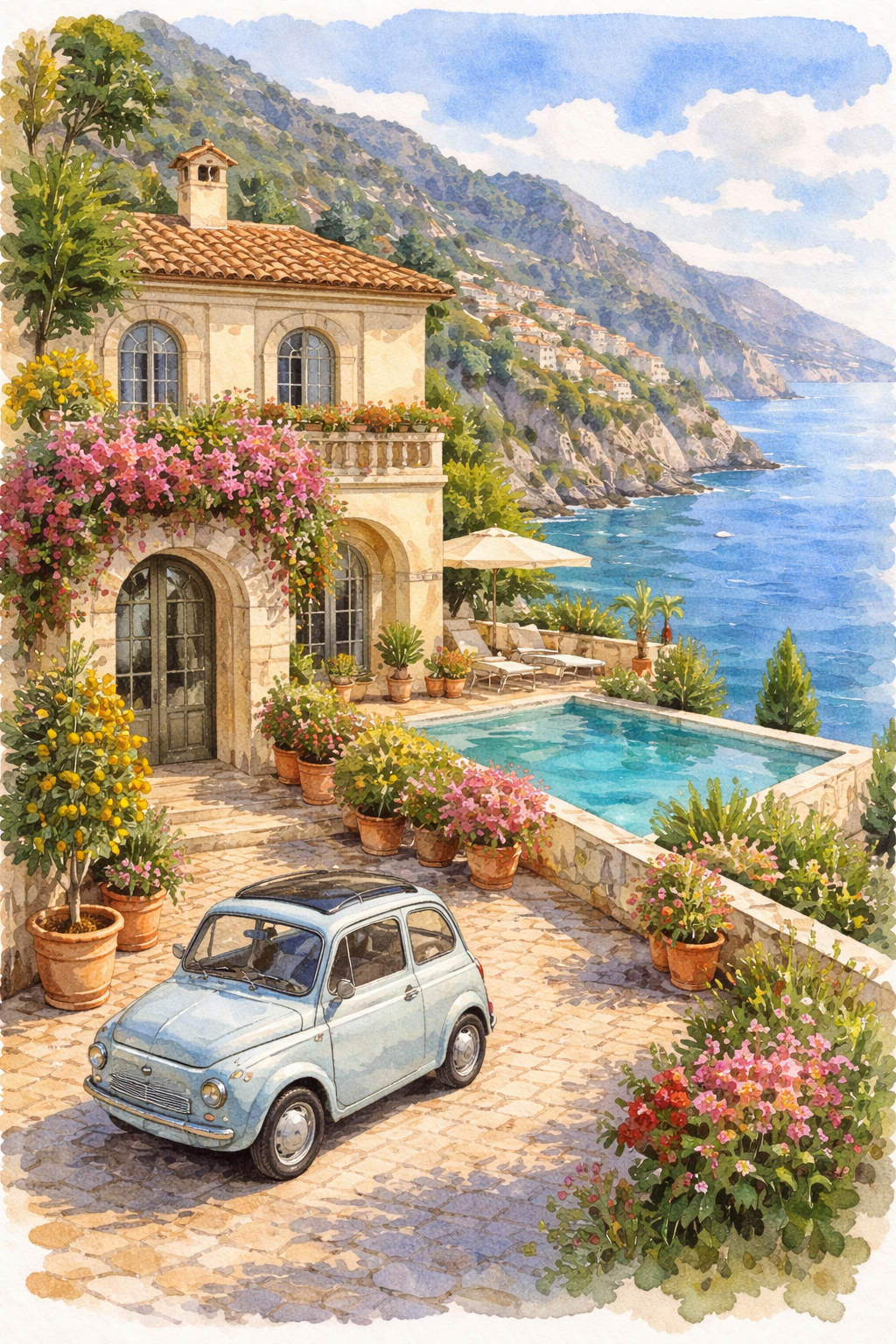
A small blue car is parked by a swimming pool at a villa on the Amalfi Coast with flowers and other greenery

Where to Stay on the Amalfi Coast: Villas vs. Hotels 

Accommodations along the Amalfi Coast often come at a premium, and hotel rooms can be surprisingly small for the price. After a long day of navigating curves and crowds, having a bit more breathing room makes a real difference.

That’s where a villa shines.

A kitchen means you’re not dining out for every meal. A terrace gives you sunset views that rival any luxury hotel. And perhaps most importantly, many villas include parking — which feels like a minor miracle on this coast. Instead of fighting for a spot in town each night, you simply drive home.

Look beyond the big names for better value and quieter evenings. Towns like Praiano and Furore keep you central while offering slightly gentler prices and fewer crowds. For travelers browsing Amalfi Coast villa rentals, sites like NCGVilla offer everything from modest hillside homes to sprawling estates with pools and sea views.

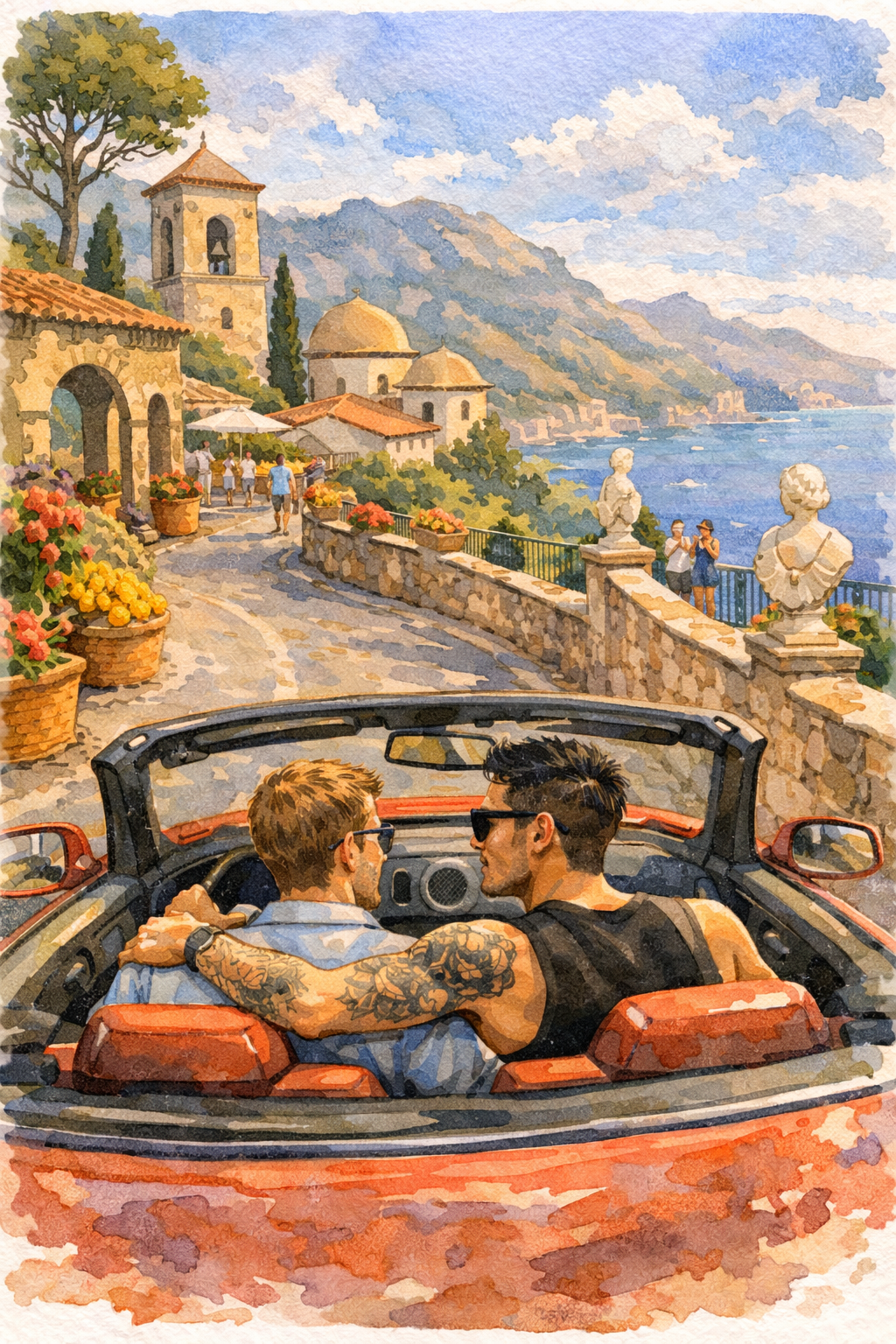
A gay man with tattoos puts his arm around his boyfriend as they drive along the Amalfi Coast in their red convertible, entering a town

What Actually Matters on an Amalfi Coast Road Trip

By the end of the drive, something shifts. The stress fades and what you remember instead is the light on the water, the smell of lemons in the air and the way each town reveals itself slowly, like a secret.

Yes, the road demands your attention. Yes, parking will occasionally test your patience. But if you build in extra time, choose the right season and give yourself a comfortable base to return to each night, the Amalfi Coast becomes less of a challenge and more of a story you’ll be telling for years.

It’s not the easiest drive in Italy.

It might just be the most beautiful. –Gabriele Asaro

Mediterranean Mélange: Unveiling Spain and Italy’s Shared Splendor

From Barcelona’s vibrant streets to Rome’s ancient echoes, experience the warmth, flavor and rhythm that make the Mediterranean so unforgettable.

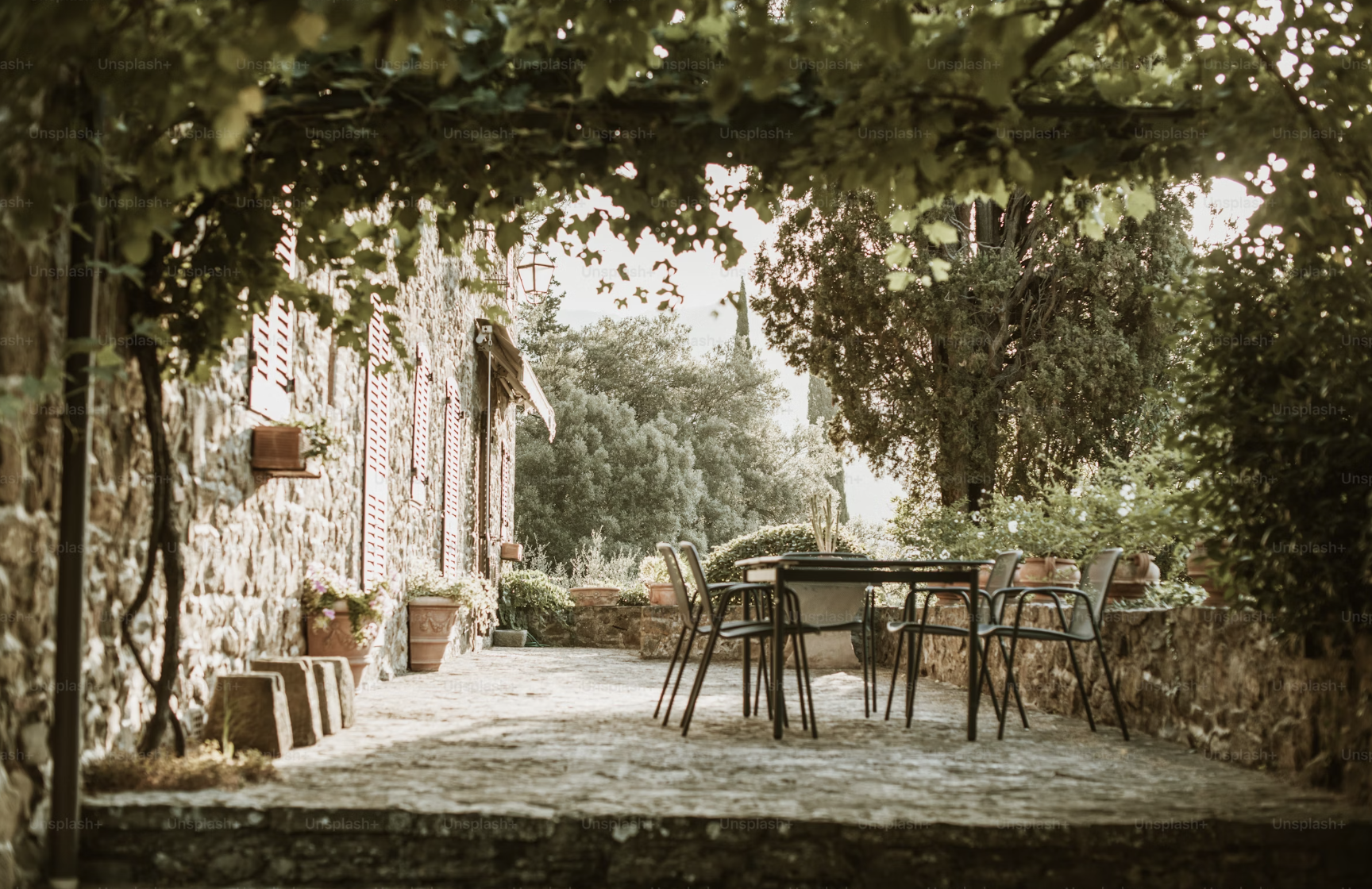
Tuscan patio with cobblestones, trellis covered with greenery, table and chairs

The Mediterranean isn’t just a sea; it’s a state of mind. My recent journey through Spain and Italy felt like diving into a living, breathing artwork — each vista bathed in the golden glow of the Mediterranean sun, each scent wafting from open kitchen windows a reminder of their shared yet singular flavors.

These two nations, linked by that glimmering Mediterranean, show their charm in ways that go beyond landmarks or scenic views.

It’s in the warmth of people who live with passion in every part of their day. It’s the unspoken language of hospitality and genuine connection that leaves a mark long after you’ve moved on.
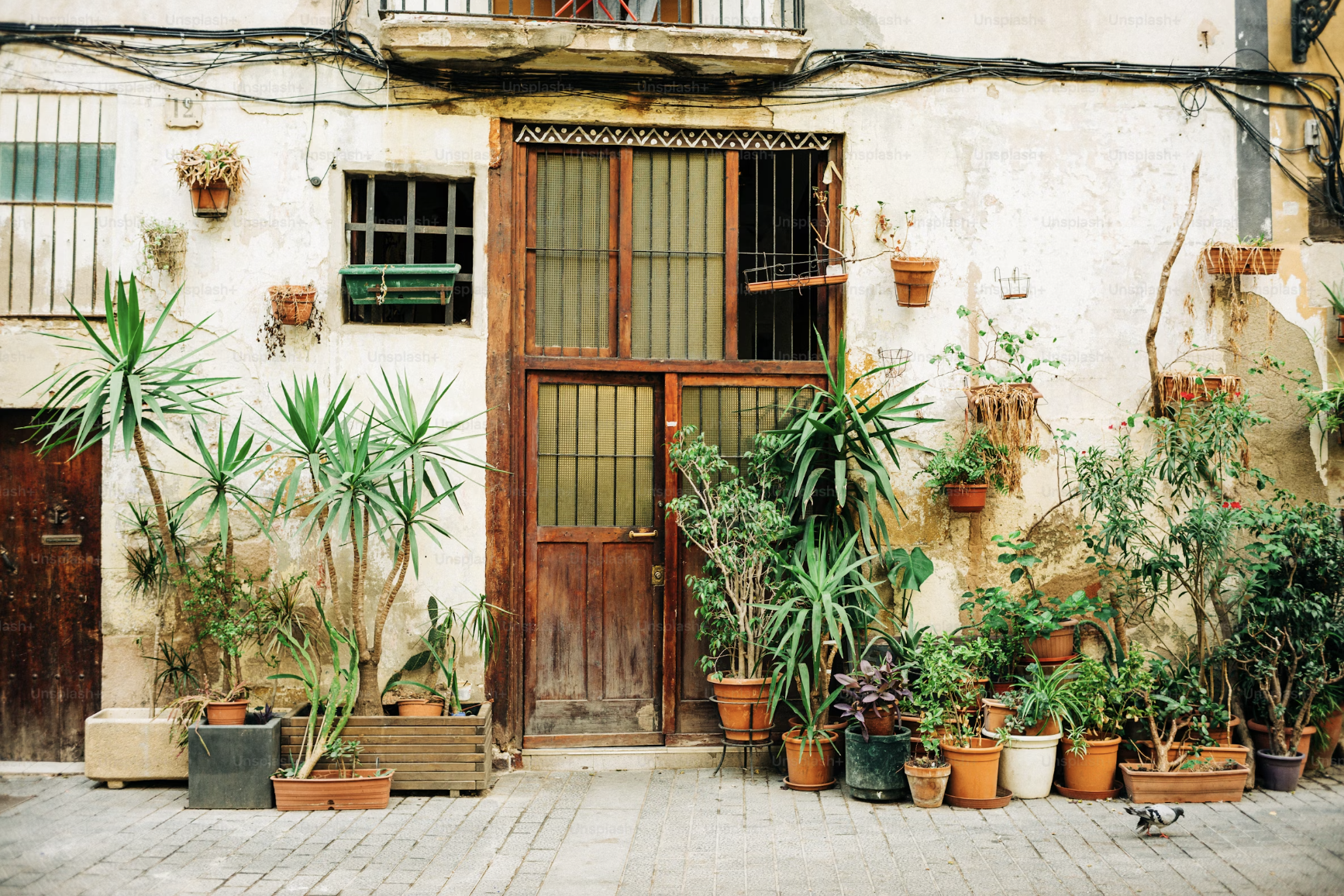
Street in Barcelona with lots of potted plants

Barcelona 

My exploration began in Barcelona, where the Catalan spirit fills the streets with a palpable energy. Wandering the Gothic Quarter’s labyrinthine alleys as part of my Spain tours, I encountered more than ancient stone and soaring arches — this was a place alive with whispered histories and Gaudí’s fantastical fingerprints. The Sagrada Familia loomed like an unfinished masterpiece against the sky, a testament to the vision and determination that defines this city. But it was sipping sangria at a quiet café that I felt the real essence of Barcelona — a blend of warmth, tradition and a fierce love of life.

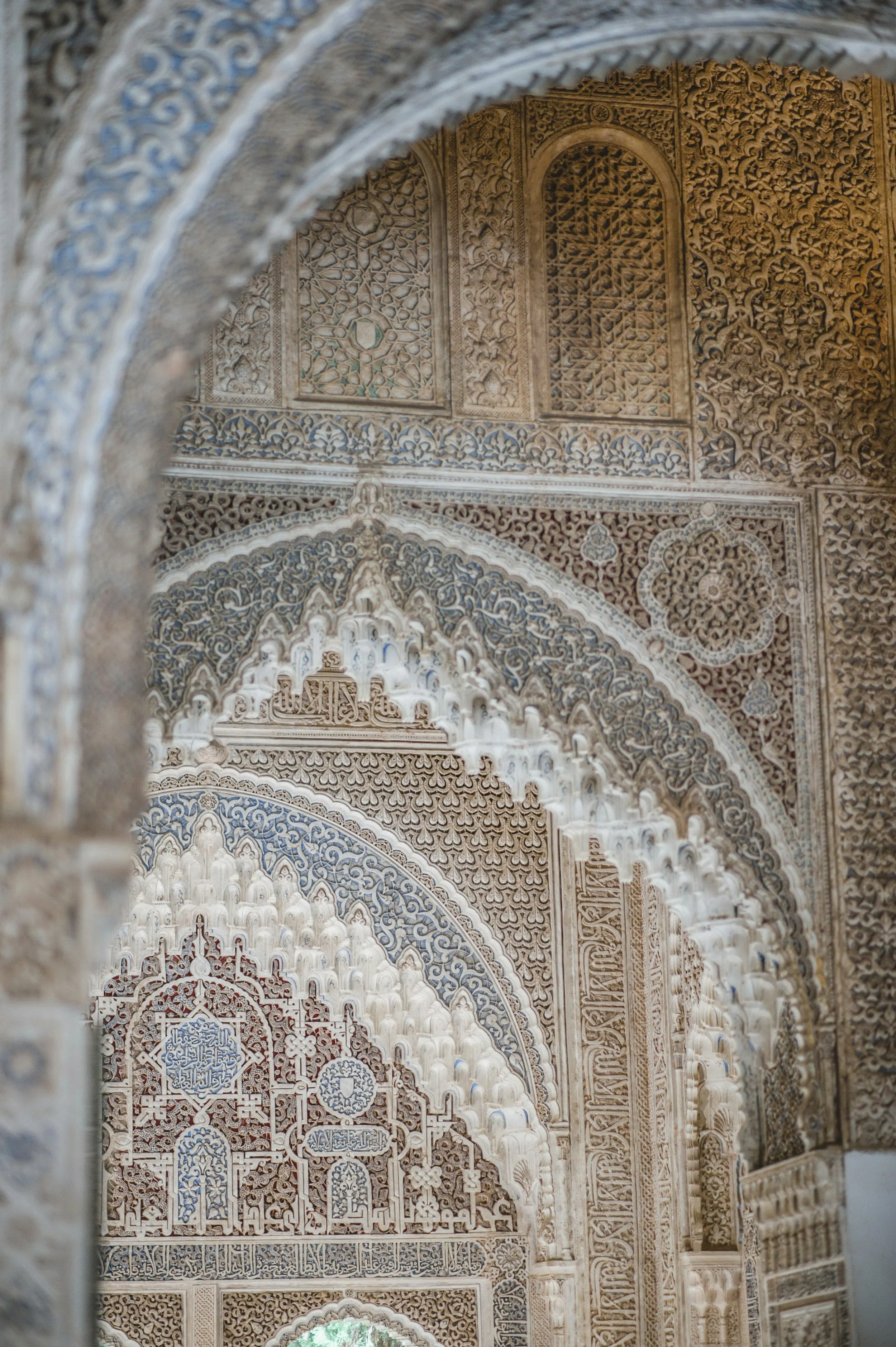
Elaborately carved arches at the Alhambra in Granada, Spain

Granada 

Leaving Barcelona’s cosmopolitan allure behind, I ventured south into the rustic embrace of Andalusia, where the landscape seems to ripple in the sun. In Granada’s Alhambra, the spirit of al-Andalus echoes through the quiet arches and intricate tiles of the Nasrid Palaces, each curve and hue a reminder of the cultural symbiosis that flourished here. The Mediterranean’s influence shaped architecture, art and daily life, with its ever-present warmth and rhythm.

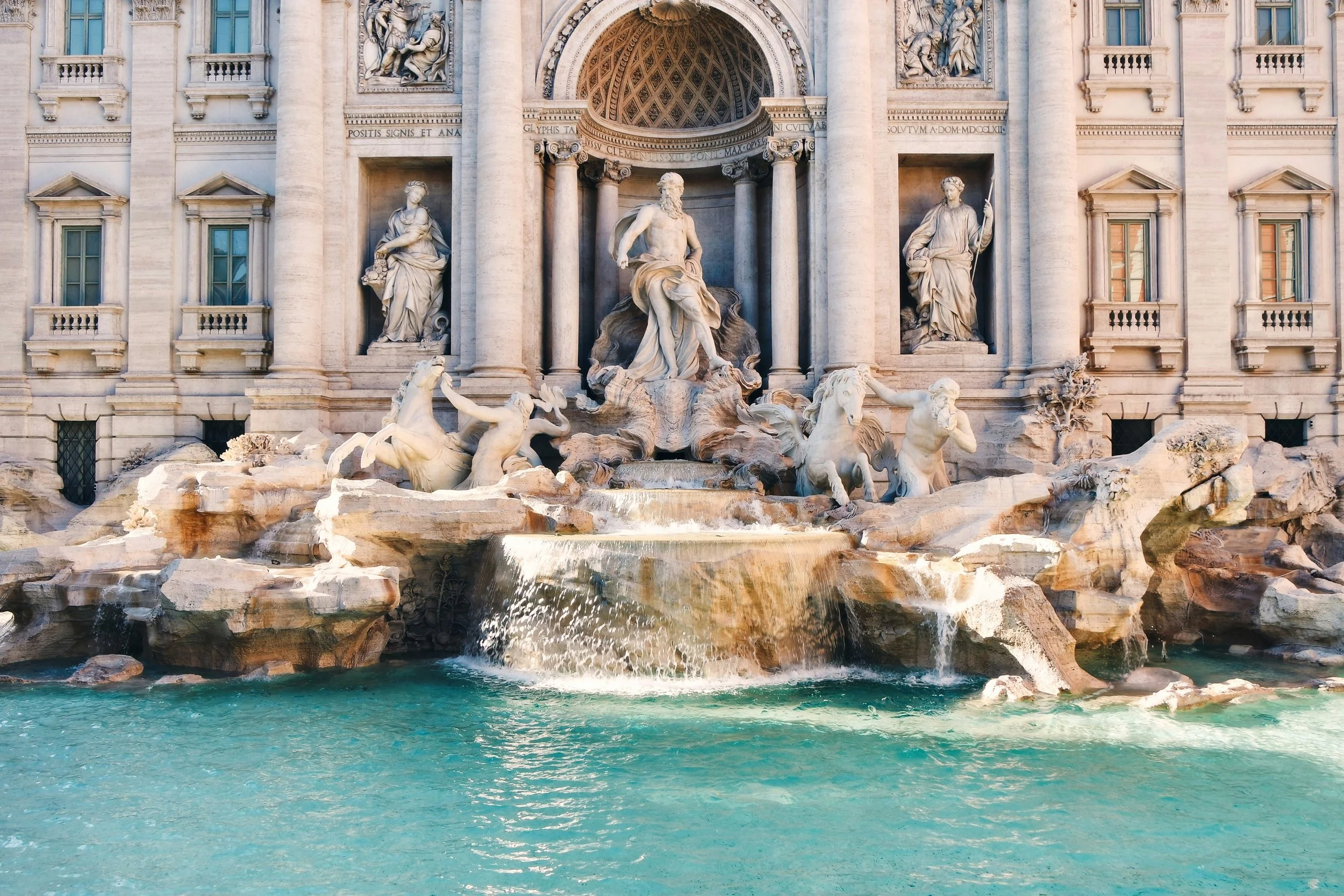
The Trevi Fountain, Rome

Rome

Crossing the sea to Italy, I found myself swept into a whole new cadence in Rome on one of the top-rated tours of Italy. There’s an undeniable gravitas here, where history presses upon the present. Amid the ruins of the Colosseum and the Roman Forum, I could almost hear the shouts of ancient citizens and feel the pounding of history beneath my feet. But Rome isn’t all grandiosity; it’s also the aroma of pizza baking in Campo de’ Fiori, the laughter echoing through Trastevere’s cobbled streets, and the dizzying sweetness of gelato on a hot day.

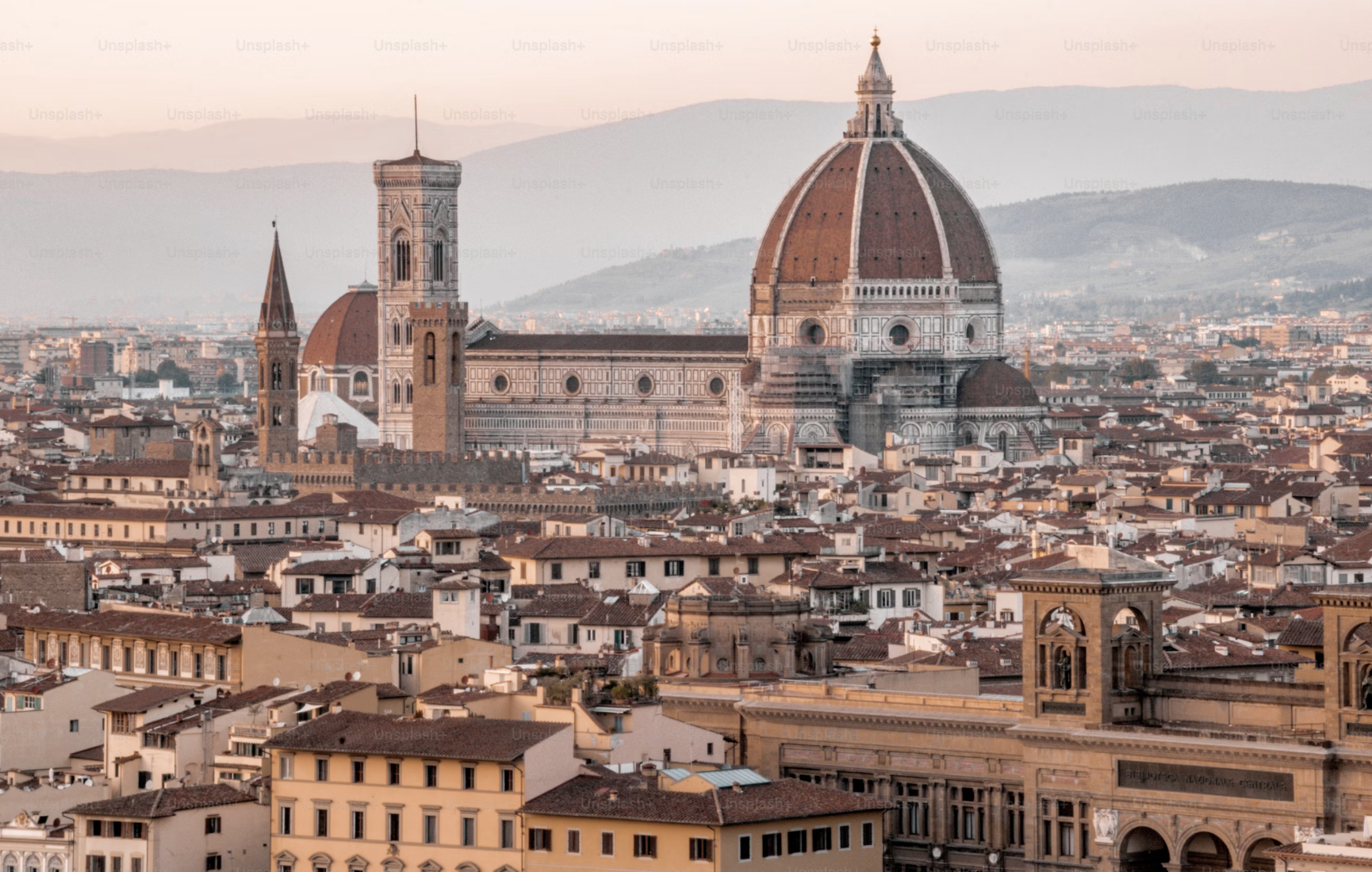
Aerial view of Florence, Italy, with the big church, the Duomo

Florence 

And then, Florence — the heart of Renaissance Italy, where every corner seems touched by genius. At the Uffizi Gallery, each masterpiece tells the story of a nation that birthed Michelangelo and Botticelli, of a people with a timeless love for beauty in all forms. Climbing the Duomo, I gazed over red-tiled rooftops stretching endlessly to the horizon — a view that seemed to capture the soul of Italy itself.

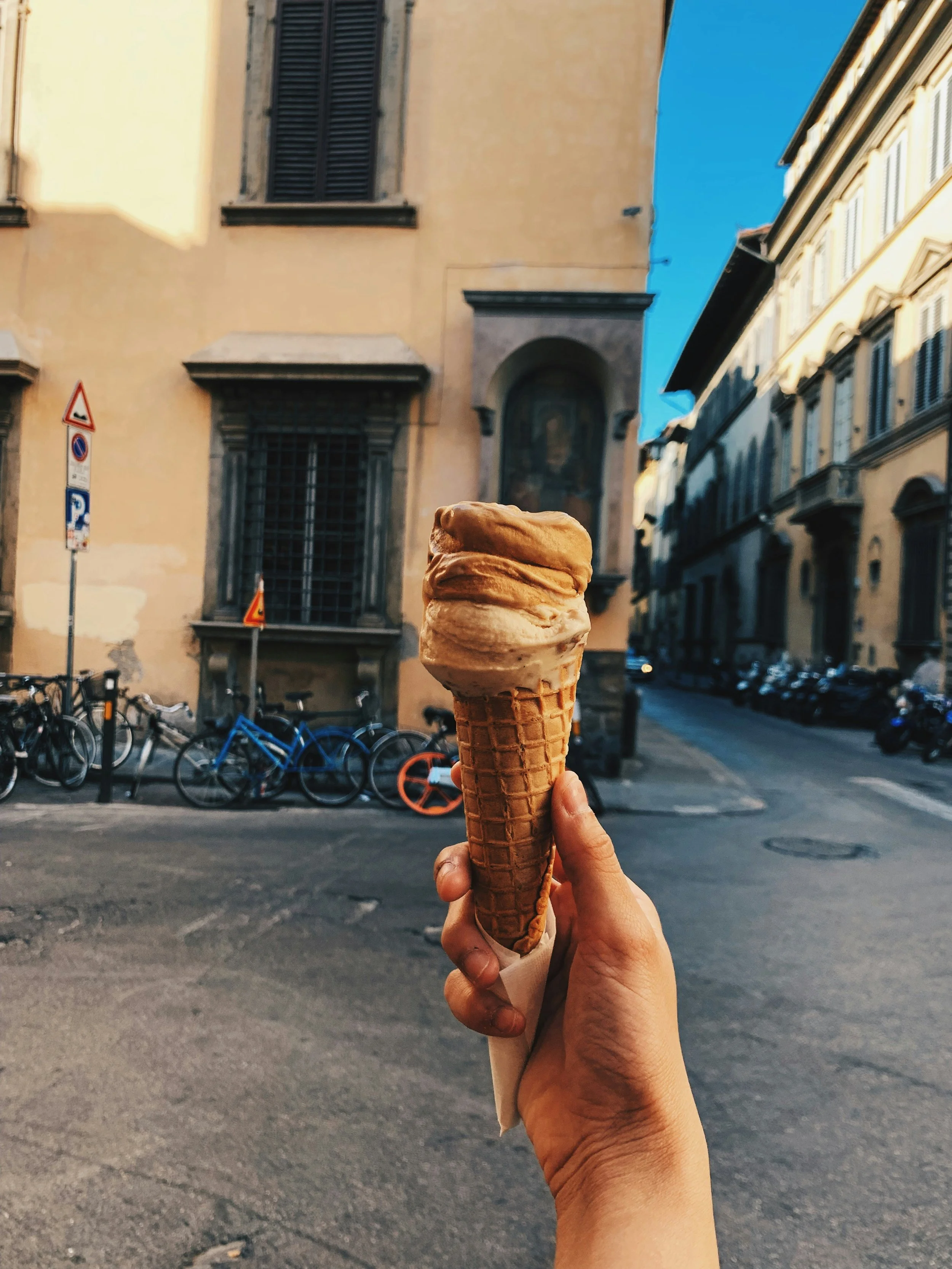
a hand holds up a cone of gelato on an Italian street

Spain + Italy = Mediterranean Magic

As my time in Spain and Italy came to an end, I knew I’d been irrevocably changed by the magic that spilled from every cobblestone street, every vineyard row, every heart-stopping vista. From the electric hum of Barcelona’s streets to the rolling, sun-soaked hills of Tuscany, each place felt like an old friend with a new story to share.

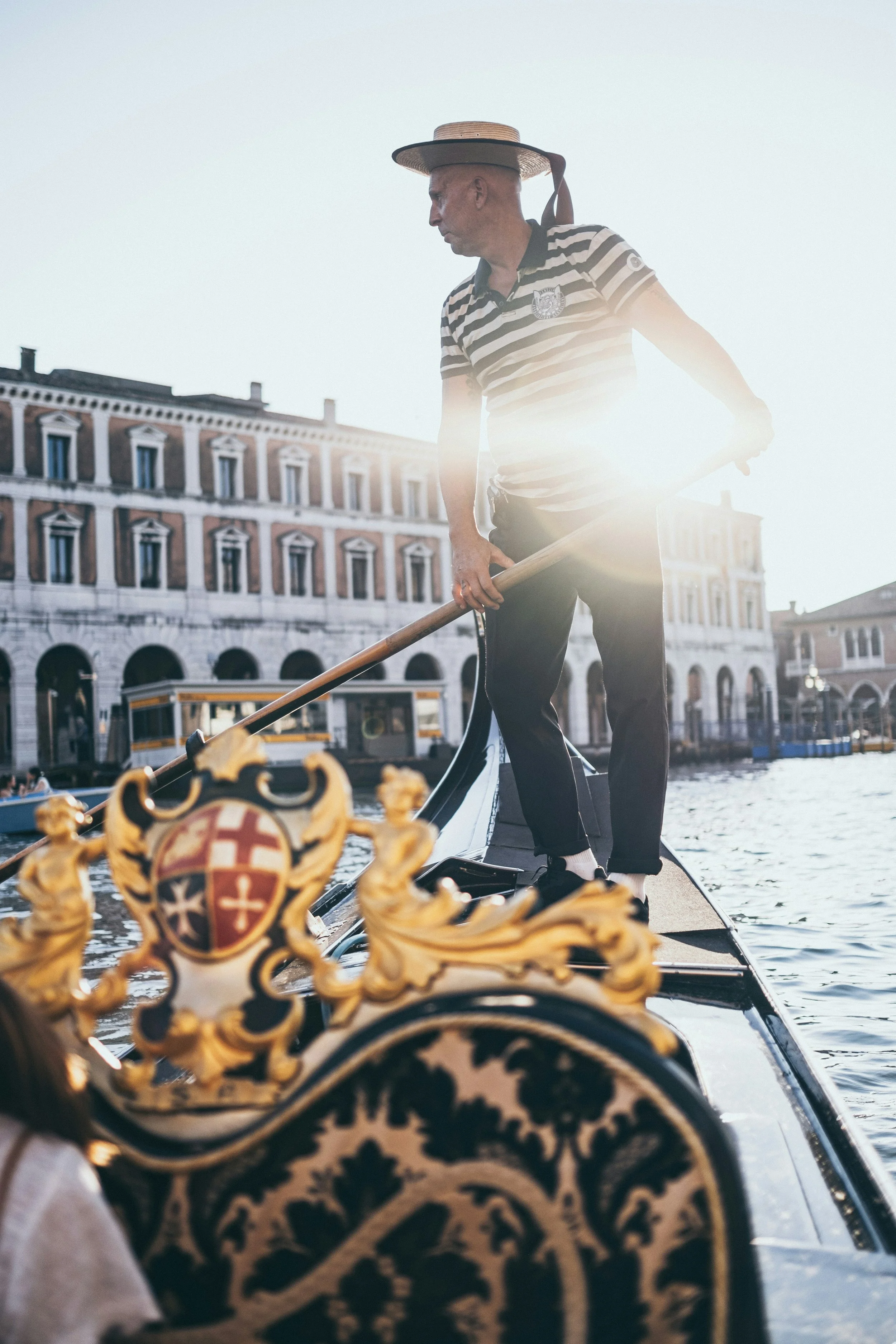
These two nations, linked by that glimmering Mediterranean, show their charm in ways that go beyond landmarks or scenic views. It’s in the warmth of people who live with passion in every part of their day. Think of flamenco dancers in Seville, pouring their souls into every step, or the Venetian gondoliers, who navigate their waters like a dance. It’s the unspoken language of hospitality and genuine connection that leaves a mark long after you’ve moved on.

Leaving the Mediterranean shores behind feels like stepping out of a dream. But I carry with me memories of sunlit piazzas, starlit nights, the laughter of strangers who became friends and the quiet moments in the shadows of cathedrals. And even though my journey is technically over, Spain and Italy now live in my bones, a forever reminder of the adventures that await around every corner.

To explore Spain and Italy is to dive headfirst into a world of color, flavor and stories. Picture yourself sipping sangria in a Barcelona café or twirling pasta in a tucked-away Tuscan trattoria. Each moment here is a toast to life itself. The crumbling ruins, lively piazzas and cobblestone alleyways all testify to the enduring spirit of these lands — and the people who make them unforgettable. In travel, we’re reminded that while each place is one-of-a-kind, there’s a universal rhythm that binds us all.
Spain and Italy lure us with their sun-drenched coastlines, timeless ruins, and fiery, joyful souls. And while you might come for the food or the art, you’ll leave with a spirit that’s been altered, a heart forever stamped by their beauty. –Kirill Balaganin 

Symbolism in Italian Floristry: Flowers as Cultural and Religious Icons

Talk about flower power! From passionate roses to sacred lilies, Italian flowers speak a language all their own. Learn the meanings behind these blooms and how they’ve shaped Italian culture and faith for centuries.

Flowers fill a cart in front of the Duomo in Florence, Italy

Floristry in Italy is nothing short of an art form. Each bloom embodies deep cultural significance and religious symbolism. As a country rich in history and tradition, Italy uses flowers to communicate emotions, celebrate life events and honor spiritual customs. 
If you’re thinking, “I want to find an Italy florist near me,” wait till you learn more about the symbolism of different blooms and their role as cultural and religious icons.

Flowers in Italy convey emotions beyond what words can express, preserving the depth of human feeling through their beauty and meaning.
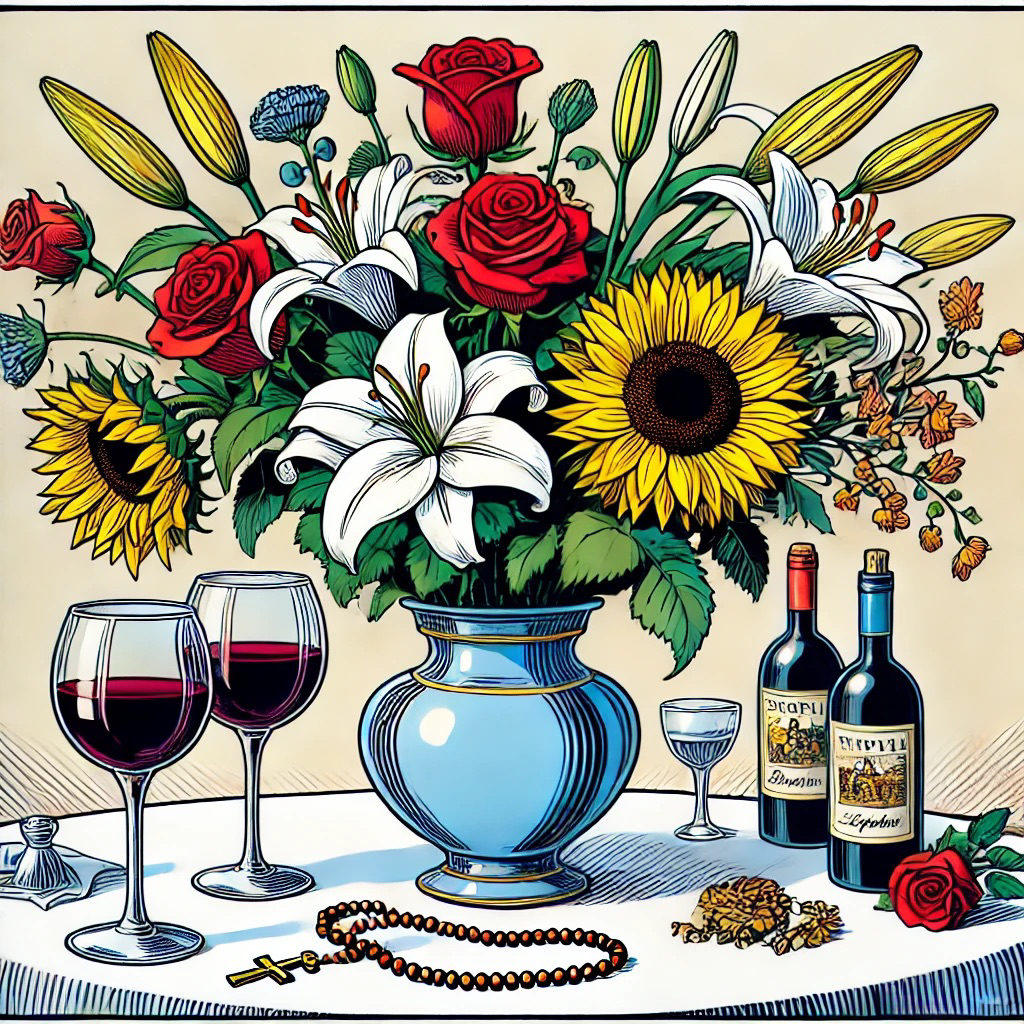
A vase of roses, lilies and sunflowers on a table with red wine and a rosary

The Meanings of Flowers in Italian Culture

In Italy, the use of flowers is pervasive, from weddings and other festive occasions to mourning rituals. The country has a rich history of floriculture, with each flower holding distinct meanings. Italian flora is often associated with various legends, poems and folklore, where the narratives shape public perception of these flowers.

A man in a blue suit on a pale yellow moped hands a red rose to a woman in a striped top and green skirt on a street in Italy

The rose: Love and passion

The rose, one of the world’s most celebrated flowers, holds a special place in Italian culture. Red roses are the ultimate symbol of passion and desire, often chosen to express heartfelt love. White roses, on the other hand, represent purity and new beginnings, making them a favorite at weddings, while yellow roses can symbolize friendship and joy (though they’re sometimes associated with jealousy). The rose’s rich symbolism reflects the complexities of relationships, capturing love in all its forms.

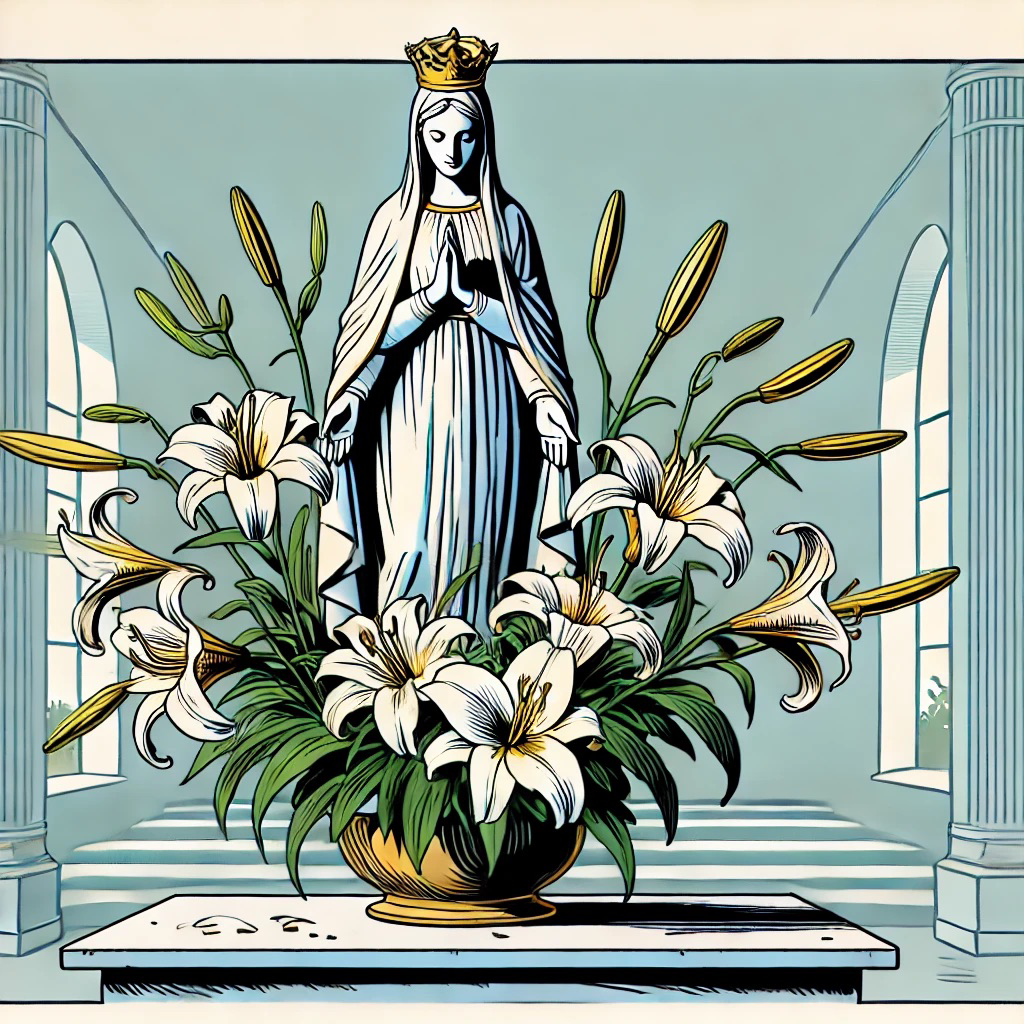
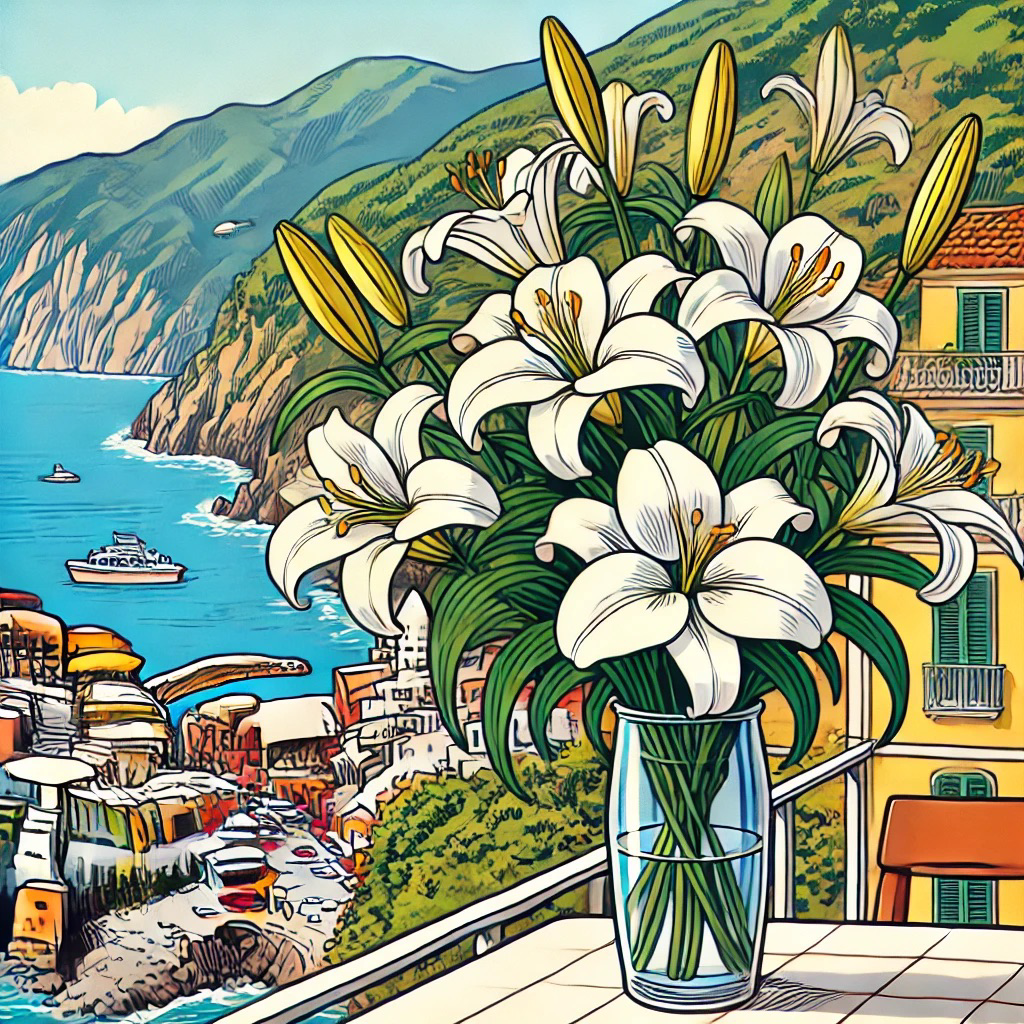
A statue of the Virgin Mary placed in a pot of white lilies

The lily: Purity and devotion

In religious contexts, the lily is a powerful symbol of purity and devotion. Often linked to the Virgin Mary in Christian iconography, this delicate flower represents innocence, virtue and renewal. In mythology, the lily is also associated with chastity, said to have originated from a drop of milk that fell from the breast of Juno, the Roman goddess of love and marriage. Lilies are frequently used to decorate churches and religious festivals, elevating their sacred significance. 

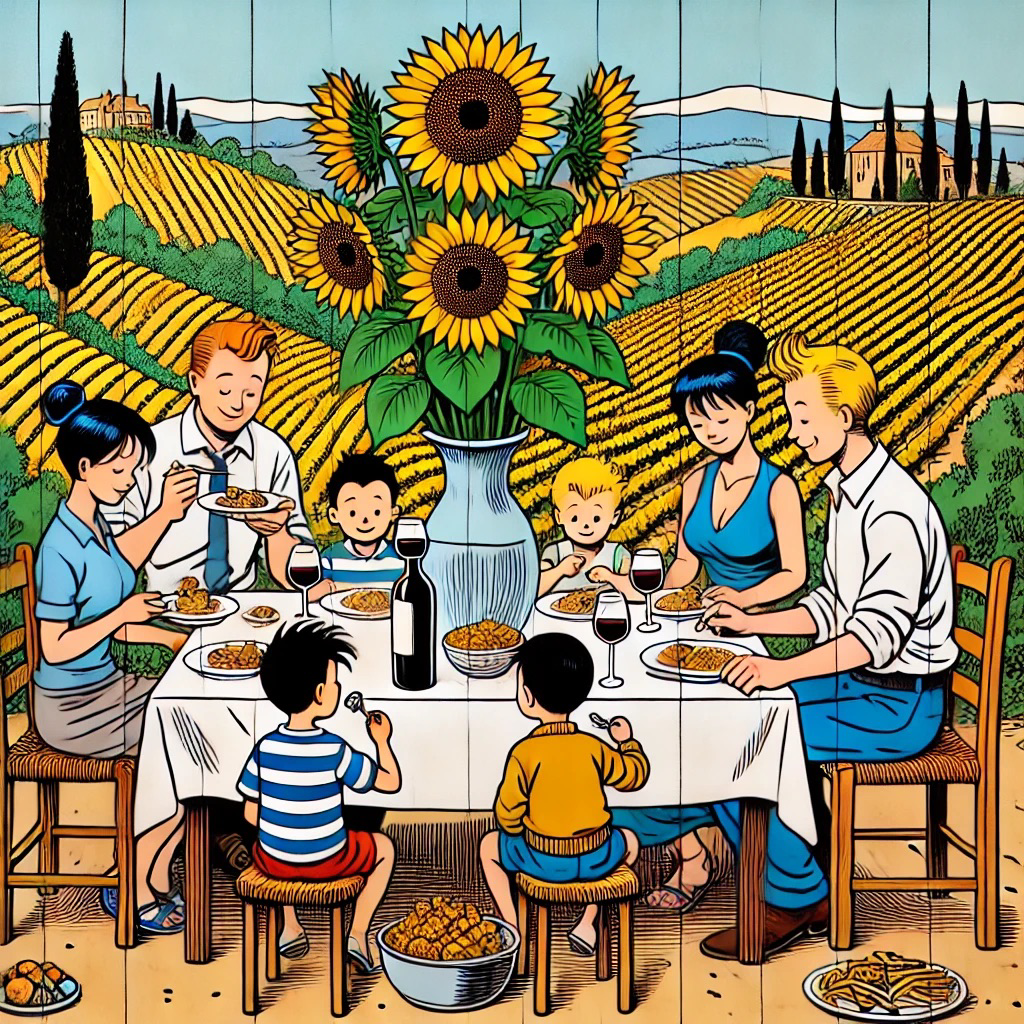
A family eats dinner outside in Tuscany, with a massive vase of sunflowers on the table

The sunflower: Loyalty and adoration

The sunflower, with its bright yellow petals and seed-filled center, symbolizes loyalty and adoration. Italian florists often use sunflowers for celebratory occasions, expressing joy and warmth. Additionally, the flower is associated with the concept of followership, as its Italian name, girasole, literally “turning to the sun.” In Italy, sunflowers bloom from mid-June to early August in the regions of Tuscany, Umbria and the Marche, covering the Italian countryside.

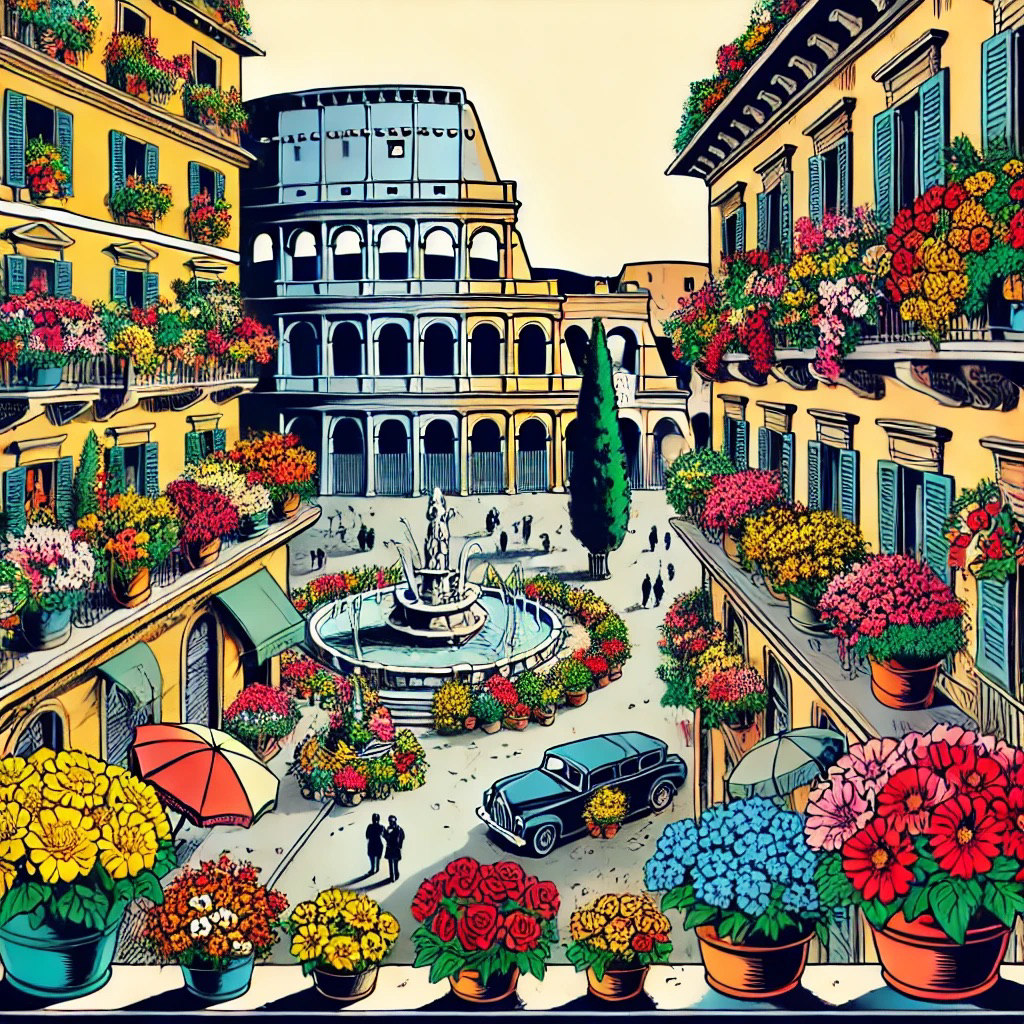
Flowers fill a piazza in Rome by a fountain and the Colosseum

Flower Festivals in Italy

Italy, a country renowned for its stunning landscapes, rich history and vibrant culture, also celebrates its natural beauty through a variety of flower festivals that occur throughout the year. These festivals highlight the country’s love of nature and artistry while showcasing the colors and scents of Italian flora.

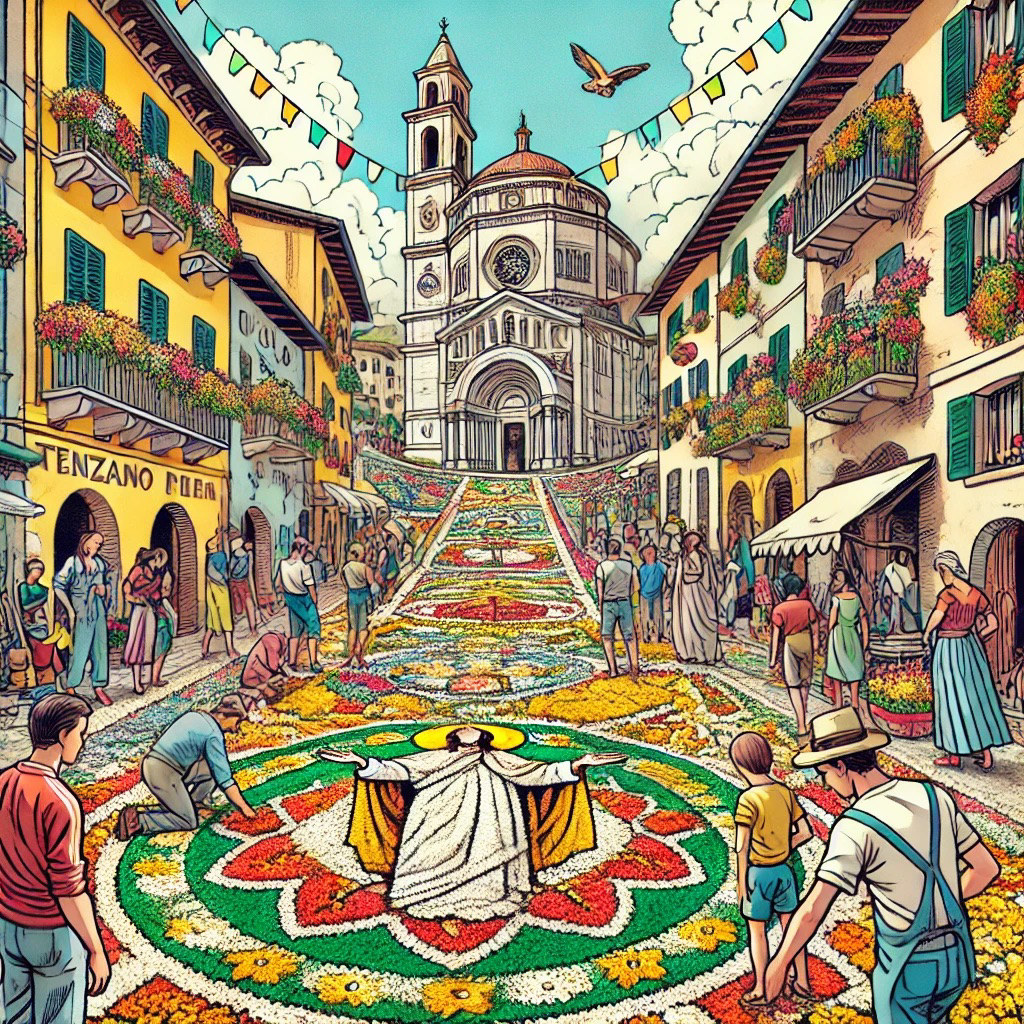
The Infiorata di Genzano di Roma, where mosaics made of flowers line the street leading to a church

Infiorata di Genzano di Roma

One of the most enchanting floral festivals is the Infiorata, with Genzano, a picturesque medieval hill town near Rome hosting one of the oldest. Typically held in June, this tradition dates back to 1788 and transforms the Via Italo Belardi into an elaborate carpet of flowers. Approximately 350,000 to 400,000 petals are arranged like mosaics into intricate designs, often depicting religious or cultural themes. As dawn breaks, locals unveil their masterpieces, inviting visitors to wander through a floral wonderland, where the artistry of each design and the fragrance of fresh petals create a magical atmosphere. 

Infiorata di Spello

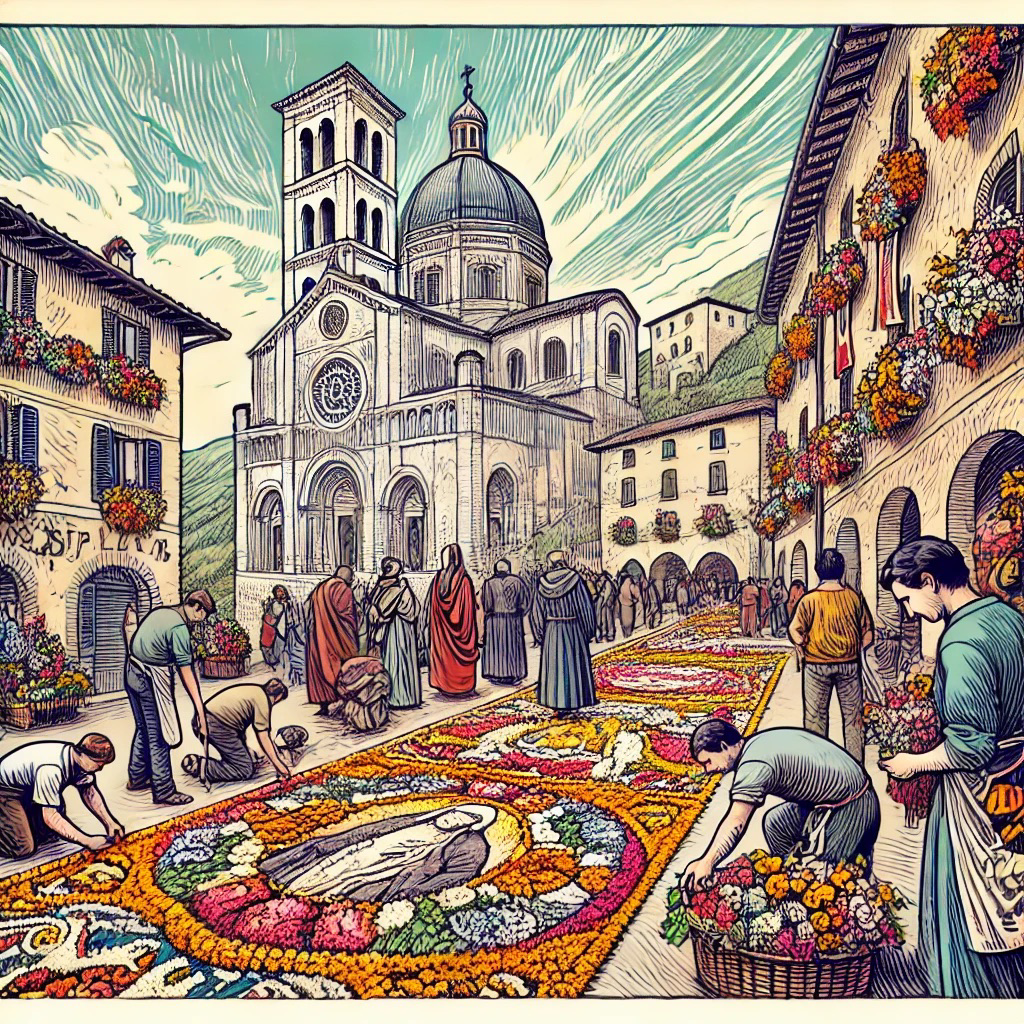
Another highlight is the Flower Festival of Spello, a charming hilltop town in Umbria. Every year, during the Feast of Corpus Christi, the ninth Sunday after Easter, the town bursts into color as townspeople meticulously select and gather flowers: roses, carnations, daisies and marigolds, to name a few. The floral creations cover streets throughout the historical center in preparation for the passage of the Blessed Sacrament carried in procession by the bishop on Sunday morning. 

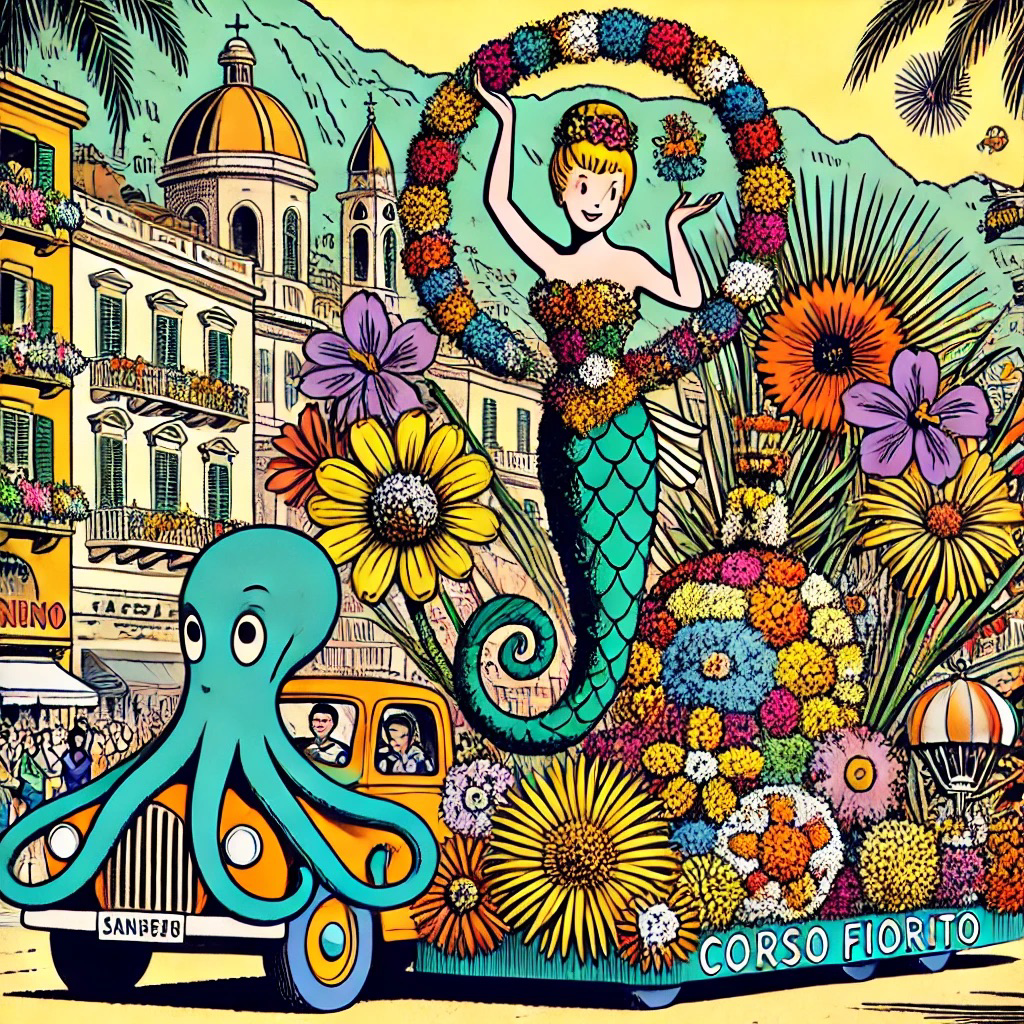
Corso Fiorito

Each spring, the coastal town of Sanremo celebrates its floral heritage with a parade of flower-covered floats. Set against the breathtaking backdrop of the Italian Riviera, the festival offers visitors a chance to immerse themselves in the beauty and charm of the Liguria region. The festival’s origins trace back to 1904, when Count Alfredo di Villamarina organized a parade featuring flower-adorned carts and carriages, naming it Festa della Dea Flora (Feast of the Goddess Flora) in honor of the patron deity of flowers. By the 1930s, grand allegorical floats covered in intricate floral designs made their debut, along with the battaglia dei fiori — a playful “battle” where people in the streets and on the floats tossed flowers at one another. While this lively tradition has since died out in Sanremo, it still occurs in the nearby town of Ventimiglia.

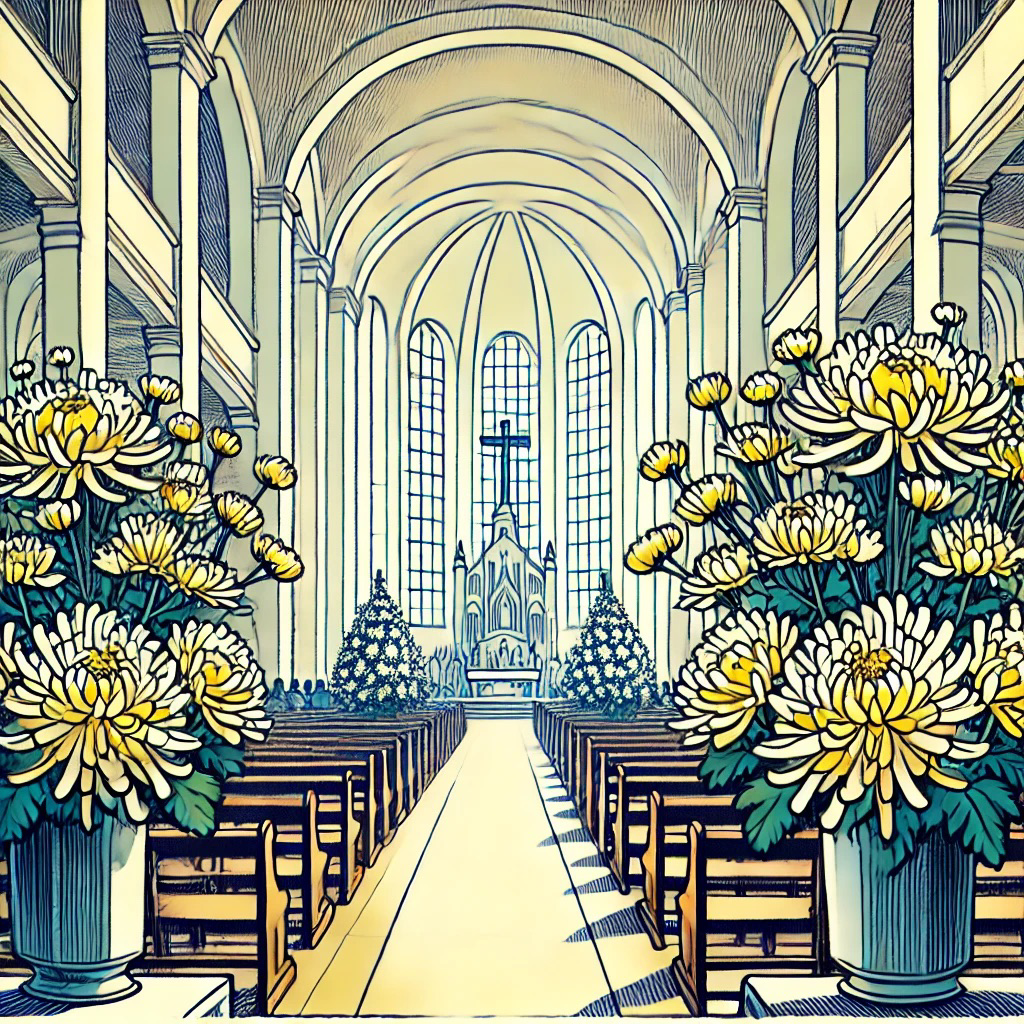
Chrysanthemums placed in a church for a funeral

Flowers for Mourning and Commemoration

But flowers aren’t all about celebration. In Italy, particular blooms carry meanings associated with grief, remembrance and consolation. The chrysanthemum, for example, is commonly used in funerals and memorial services, symbolizing grief, remembrance and the fleeting nature of life. 

The Language of Flowers 

The symbolism of flowers in Italy is woven with threads of history, culture and faith. Each bloom, from the passionate red rose to the pure white lily, tells its own story, reflecting the values and beliefs of a nation where flowers are more than just decoration — they’re expressions of life itself.

Flowers in Italy remain a timeless and powerful form of communication. They convey emotions beyond what words can express, preserving the depth of human feeling through their beauty and meaning. Whether celebrating love, mourning a loss or marking a spiritual occasion, the language of flowers speaks to the heart of Italian cultural identity. –Mia Roberts

7 Fun Facts About the Milan Cathedral

What to do in Milan, Italy? Visit the gorgeous Duomo di Milano, covered with statues of saints and gargoyles — and don’t miss the amazing view from the rooftop.

Somehow the Milan Duomo was even more beautiful in the rain.

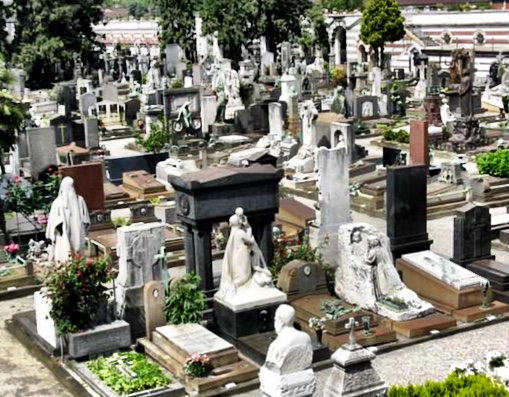
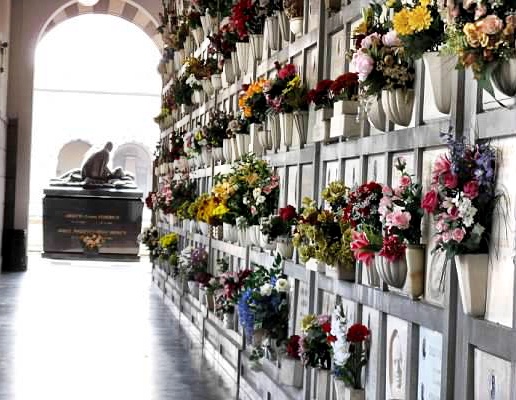
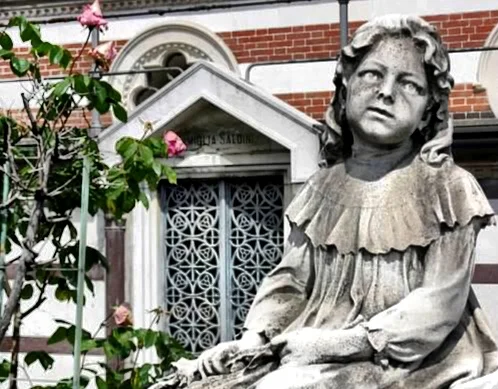
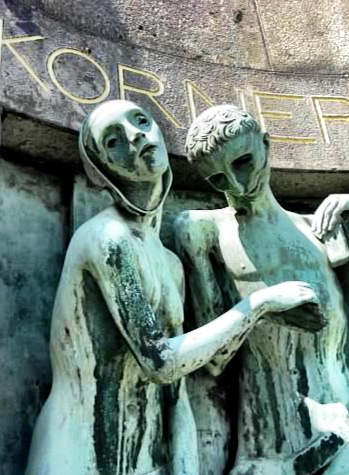
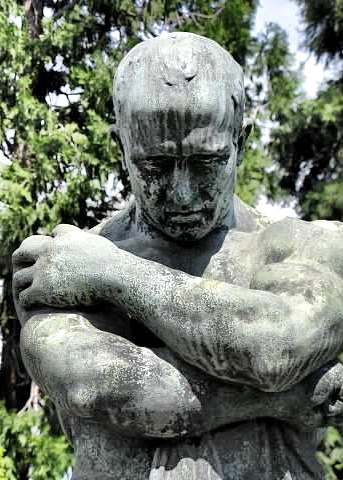
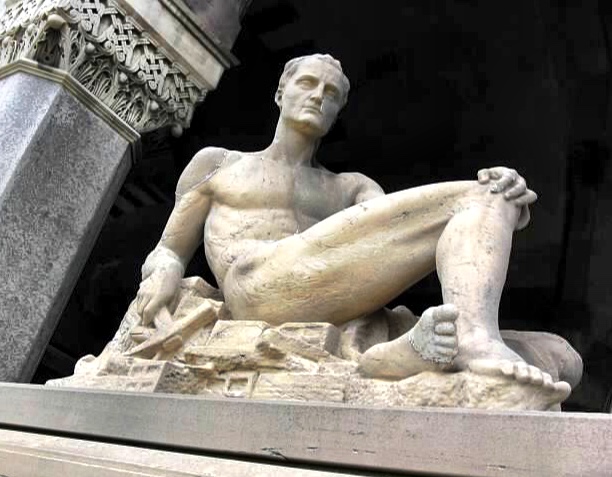
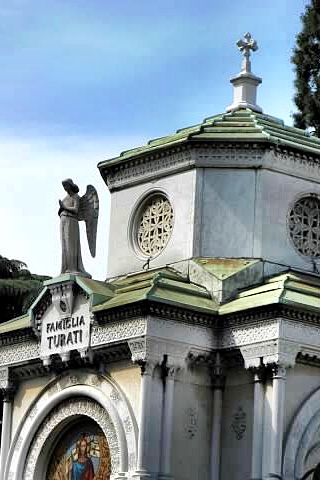
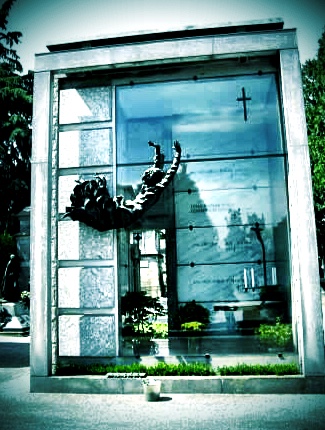
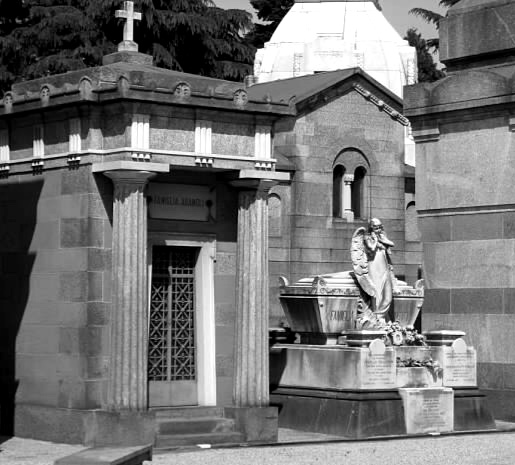
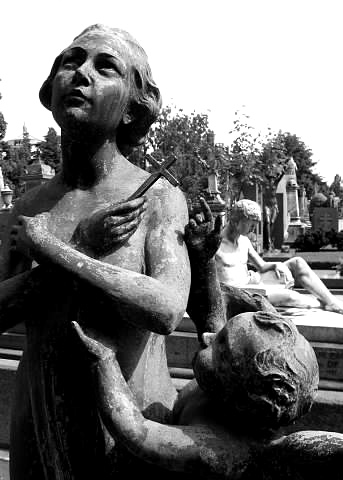
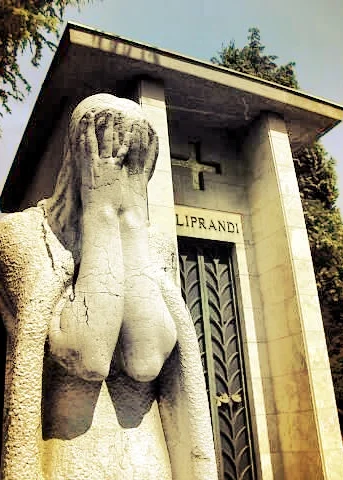
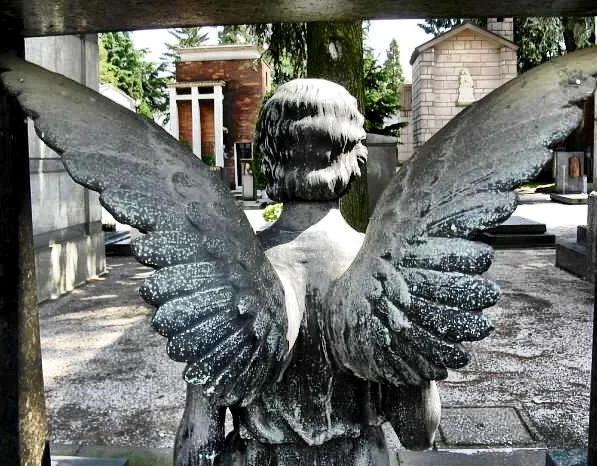
If there’s one thing you absolutely have to include on a trip to Milan, Italy, it’s the massive Milan Cathedral. (Unless, of course, your tastes lean a bit more to the macabre, in which case, I recommend spending an afternoon wandering the impressive artistic grounds of the Cimitero Monumentale — see the photos here.)

Locally, the cathedral is known as the Duomo, which confused me since there’s no visible dome like the one in Florence. Its white exterior features delicate carvings so fine you could almost imagine they were made of lace. Despite its size, it feels a bit dainty — odd for a church in the Gothic style.

My favorite part of the Duomo is the part closest to Heaven: the rooftop, where you can look out at the bustling city beyond.

Holy moley! Here are 7 stunning facts about this breathtaking cathedral:

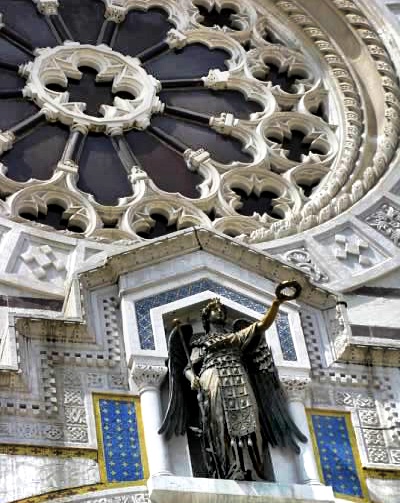
Delicate spires topped with religious figures are part of the elaborately decorated Duomo.

1. The Duomo is big. Like really, really big.

In fact, it’s the second-largest Catholic church in the world, behind only Saint Peter’s Basilica in Rome — which was built after the Duomo. Milan’s cathedral takes up an entire city block.

A carving of David slaying the giant Goliath. Somebody send that boy to juvie!

2. It boasts more statues than any other building in the world.

That’s what the tourist literature tells you, at least. And it’s hard to argue: The entirety of the façade is covered with carved architectural elements portraying flowers, fruits and fantastical beasts, including delightfully grotesque gargoyles. There are plenty of saints sprinkled throughout as well. Sources disagree on the exact number, but it seems to be over 3,300 statues total, including about 100 gargoyles and 135 spires.

Milan’s most popular attraction, the cathedral, took over 600 years to be built.

How can this Christian take a nap with all those wolves baying?

The best part of the Milan Cathedral is its expansive rooftop.

3. It has the best views in the city.

My favorite part of the Duomo is the part closest to Heaven. You can go up to the rooftop (accessible by stairs and an elevator) and look out at the bustling city beyond, as well as get closer views of the needle-like spires, each topped with a religious figure.

The terraza atop the Milan Duomo is a popular (and absolutely stunning) hangout spot.

There’s one main area of the roof, the terraza, and, indeed, I wasn’t the only one with the bright idea to go up there. Businessmen in suits, young kids playing games and canoodling couples filled the space. Imagine having a rooftop like this as one of your regular lunch spots.

Wally wandered around to the back of the roof and found a quiet spot to read in the sun.

I noticed a side walkway and set off on an exploration. The path wound its way around the roof, underneath the arches of flying buttresses. The crowd thinned out, until it was just me and the odd visitor. I found a secluded nook, got out my book and read for an hour or so in the sun, atop one of the largest churches in the world, utterly delighted.

4. One of the statues has gained fame and is part of a local legend.

The symbol of the city and patroness of the Milanese people, the gilded Madonnina (the Little Madonna), stands atop the main spire of the cathedral. The tallest of all of the many statues on the cathedral, the open-armed Madonna rises 354 feet high. Built in 1774, tradition holds that it must be the tallest man-made object in Milan. So, when a modern building surpassed this height, a replica of la Madonnina was placed atop it.

During World War II, the Madonnina was covered with a cloth for five years to avoid providing an easy target for fighter-bombers.

The Duomo is gorgeous at night as well.

5. The construction of the Duomo took over six centuries.

Archbishop Antonio da Saluzzo, supported in the endeavor by the Lord of Milan, Gian Galeazzo Visconti, began building the cathedral in 1386. At least 78 different architects from around Europe were invited to work on the structure, and construction dragged on. By 1418, they had decided it was time to consecrate the cathedral, even though only the nave was actually finished at the time.

For the next two centuries, construction continued, but politics, lack of funding and local frustration with a massive, seemingly endless project smack-dab in the middle of the city kept causing delays.

Napoleon helped finally wrap up construction of the Duomo’s façade — so he could be crowned King of Italy in the cathedral.

6. Napoleon played an important role in the Duomo’s construction.

How did the façade finally get finished? This was accomplished by none other than Napoleon Bonaparte, in the early 1800s, after he had conquered the city. He wanted to be crowned King of Italy in the Duomo and wanted the exterior completed beforehand. A generous (if vain) guy, he offered to pay all expenses — after a talk with the French treasurer. Seven years later, the façade was completed, and the ceremony took place as the diminutive leader wanted. This explains why there’s a statue of Napoleon atop one of the many spires.

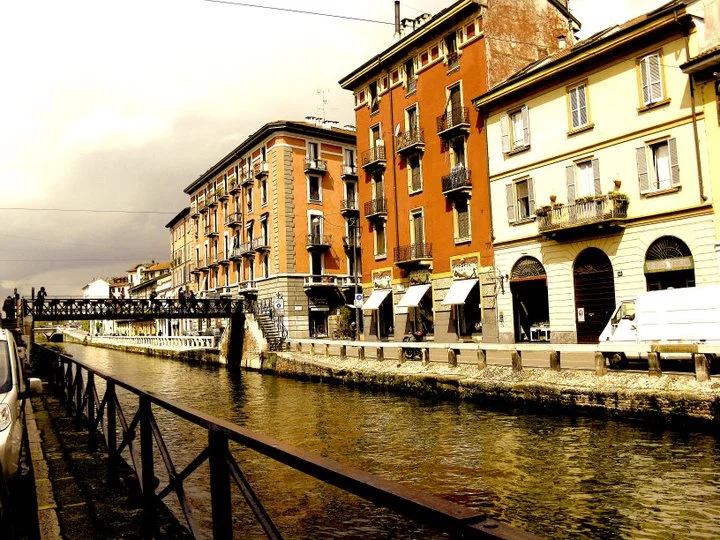
Milan’s Navigli District is a restaurant and art hotspot.

Milan’s Navigli District is a restaurant and art hotspot.

7. The Duomo’s construction is responsible for the navigli, the city’s canal system.

The cathedral’s edifice is made of Candoglia marble from Lake Maggiore to the north of Milan. To transport it from the quarries, canals were constructed, some of which remain to this day. In fact, the Navigli District is quite a hotspot, known for its restaurants and art galleries. –Wally
 

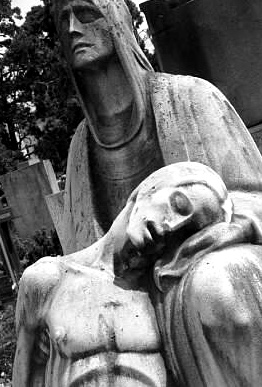
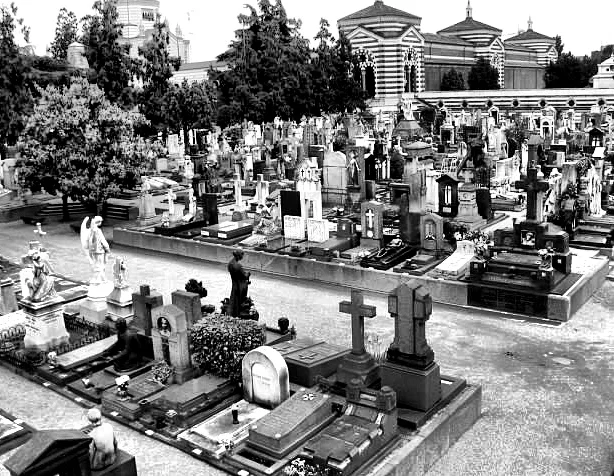
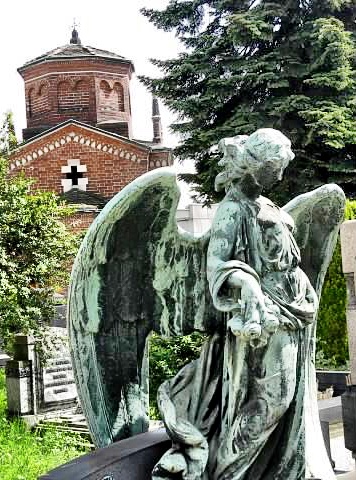
Monumental Cemetery, Milan: A Sculpture Slideshow

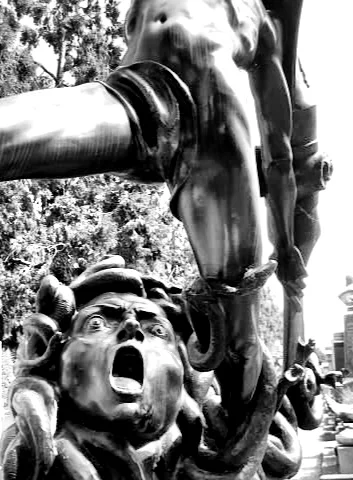
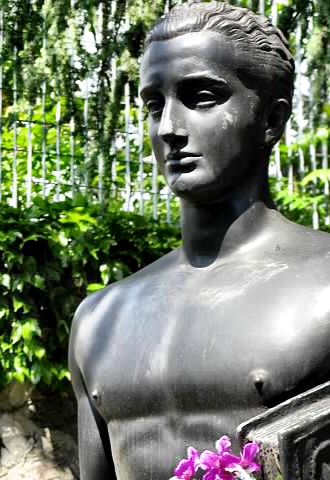
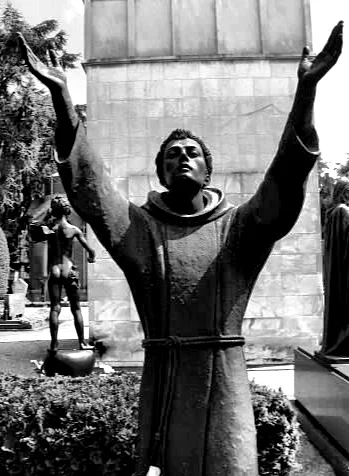
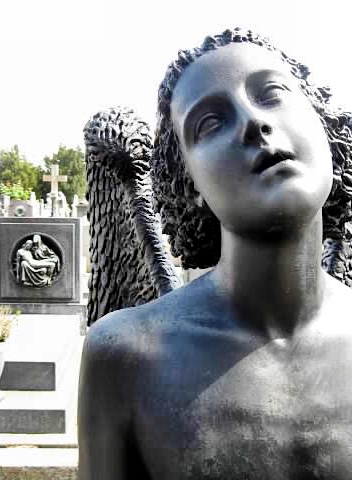
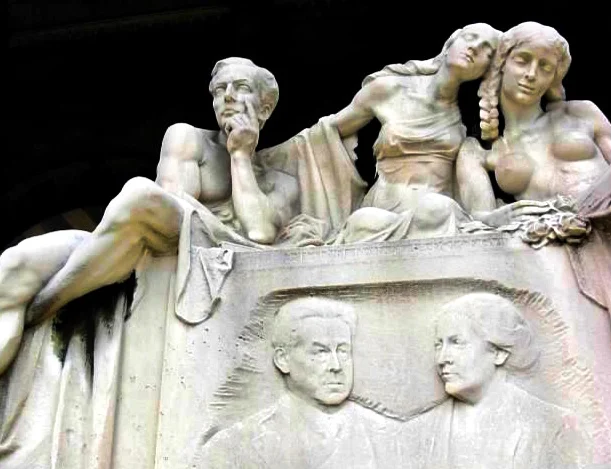
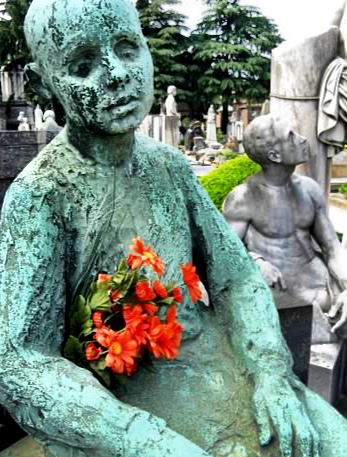
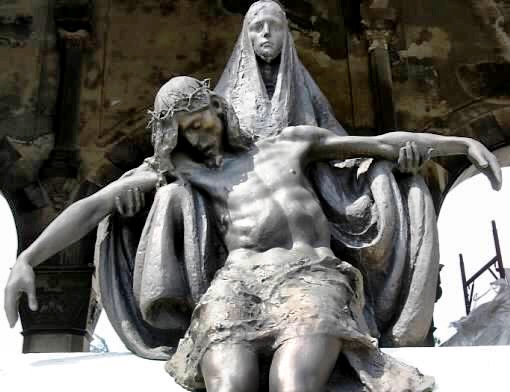
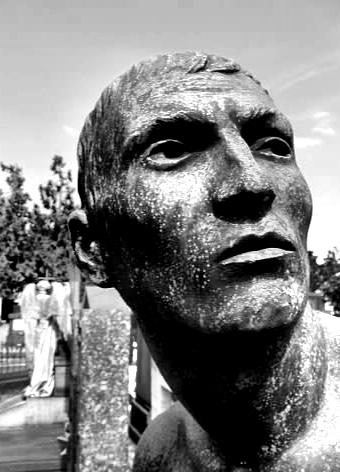
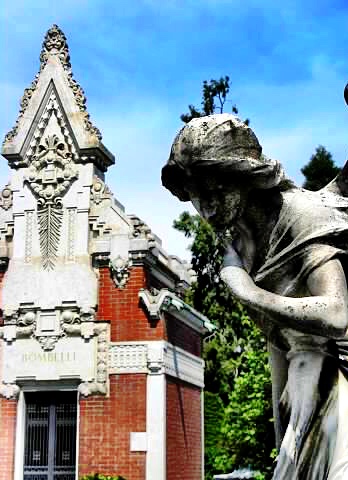
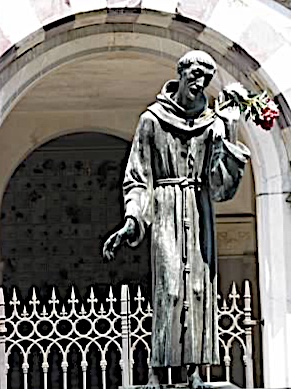
One of my favorite things to do in Milan, Italy was wander through this graveyard and its statues that rival Père Lachaise in Paris.

I love cemeteries. They're some of my favorite places to spend a quiet afternoon. And this particular cemetery was like being in a sculpture park. 

It was my last day in Milan, Italy, and I came upon the Monumental Cemetery by accident.

If you’re someone who thinks cemeteries are depressing, think again.

As I was crossing a street, I saw the collonaded archway entrance at the end of the block. I didn't know what it was. But I was irresistably drawn to it. 

Imagine my delight when I discovered it was one of the most impressive cemeteries I had ever seen. 

I wandered the lanes for a couple of hours, marveling at the sculptures, snapping away at with my camera. 

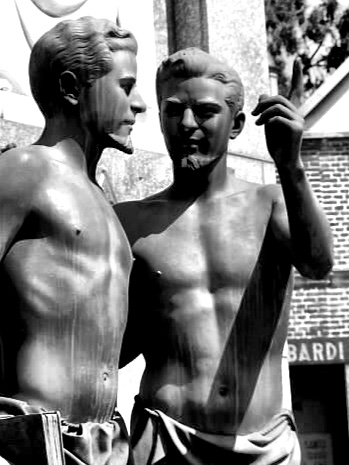
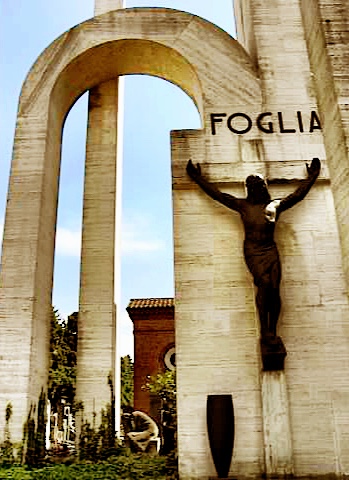
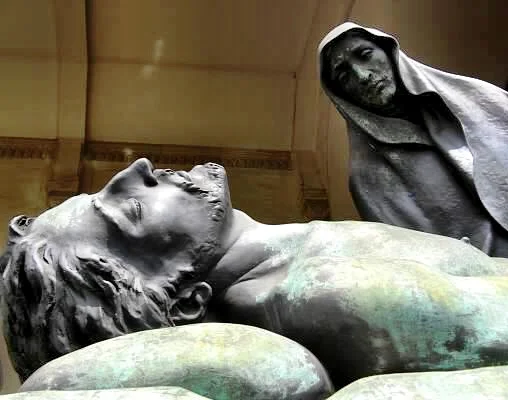
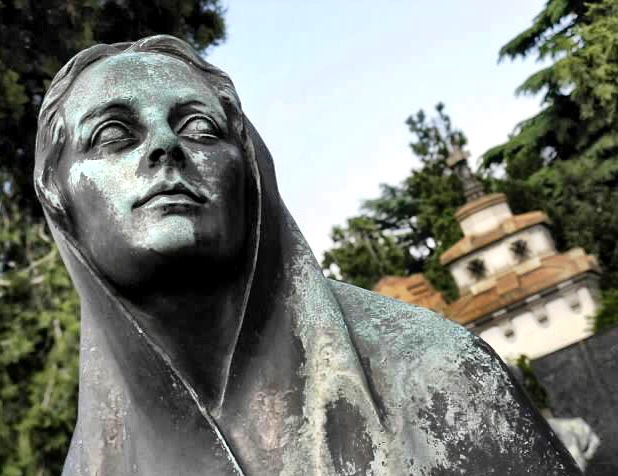
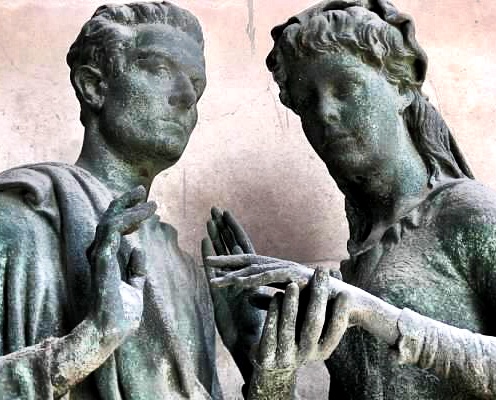
Here are 30-some of my favorite pictures. (As you can tell, I had a hard time narrowing these down. They're all just so amazing.)


Drop Dead Gorgeous

The cemetery, known locally as the Cimitero Monumentale, was constructed from 1863 to 1866.

Someone decided to consolidate all the small graveyards that were spread throughout the city of Milan into two large cemeteries. The "common" people got the Cimitero Maggiore, while the rich got the Monumental Cemetery, which, when it comes down to it, it actually a beautiful outdoor museum. 

Spread over 62 acres, the cemetery has three distinct sections: one for Catholics, one for non-Catholic Christians and one for Jews.

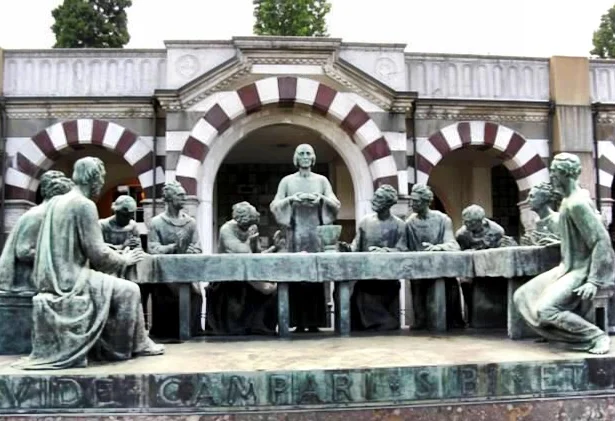
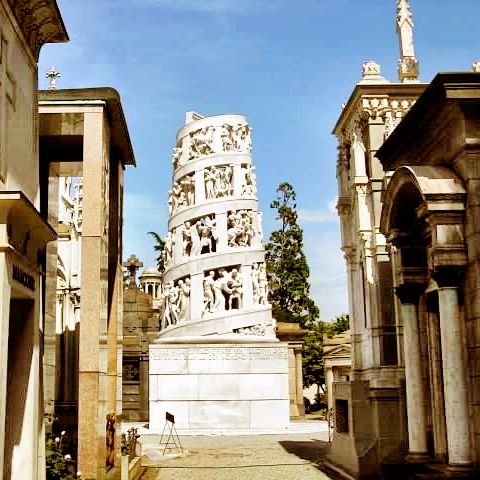
Fun fact: One of the mausoleums has an elaborate sculpture depicting the Last Supper. This is the final resting place of the Campari family, who brought us those potent red bitters of the same name.

If you're someone who thinks cemeteries are depressing, think again. The Monumental Cemetery in Milan is just the place to have a change of heart. It's, well, heavenly. –Wally