Skip the skyline. From Bryce Canyon’s alien rock spires and Yellowstone’s bubbling geysers to the Grand Canyon, Niagara Falls and Hawaii’s volcanic hot springs, these unusual natural wonders reveal the wild, weird beauty of the USA.
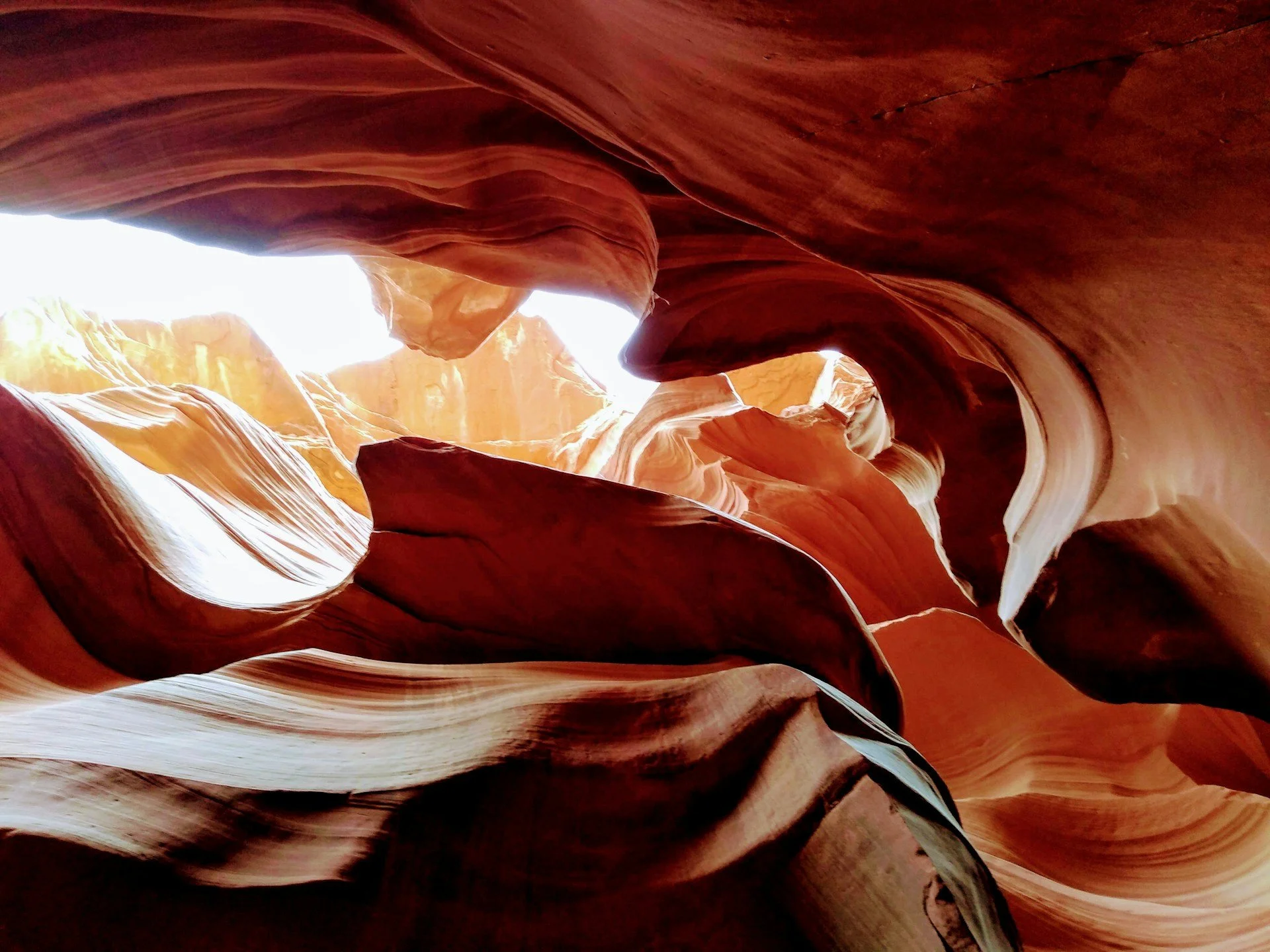
The United States may be known for cities like New York and Los Angeles, but its landscapes are where things get properly weird — in the best way. From eroded stone spires to volcanic hotbeds and mirror-clear lakes, the country offers natural wonders that feel closer to science fiction than sightseeing. Below are some of the most unusual natural sights in the USA that are genuinely worth the trip.
The Most Amazing U.S. National Parks
America’s national parks are protected spaces that preserve rare ecosystems and showcase landscapes that don’t exist anywhere else on Earth.
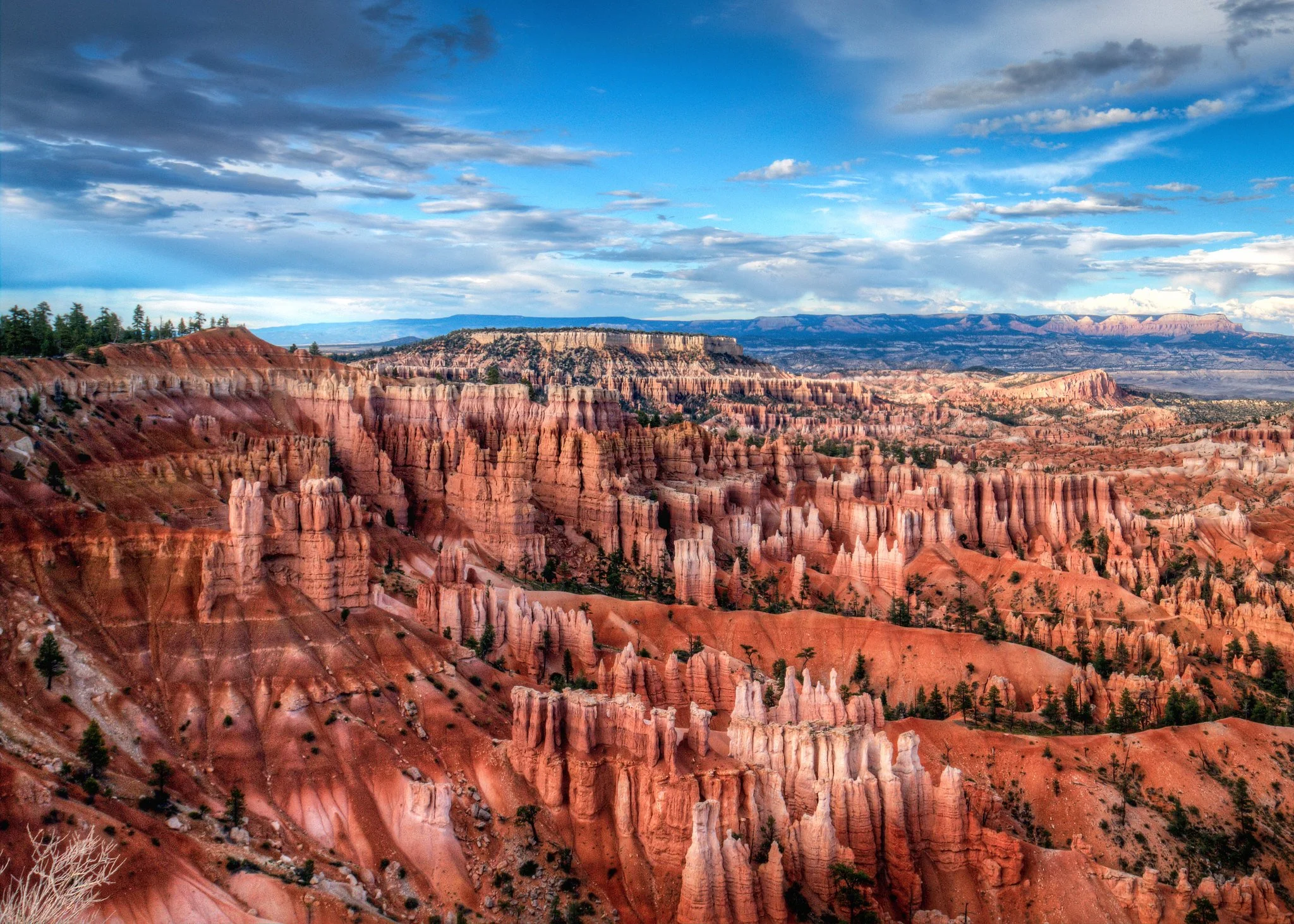
Bryce Canyon in Utah is famous for its hoodoos: tall, thin rock spires shaped by centuries of erosion. At sunrise and sunset, the whole canyon glows like it’s lit from within, which explains why people travel halfway around the world just to stare at rocks.
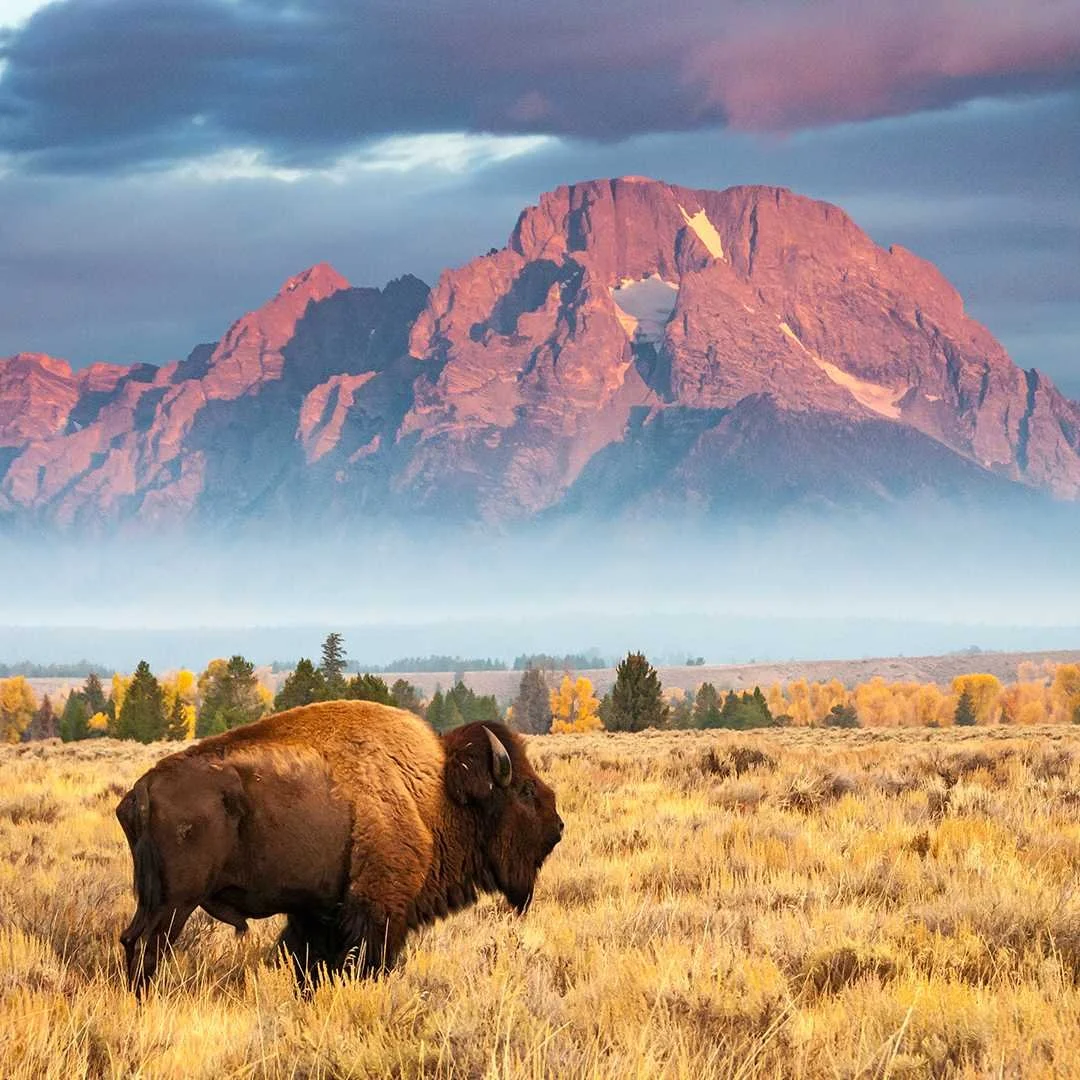
Then there’s Grand Teton National Park in Wyoming, where jagged peaks rise dramatically above glacial lakes. It’s the kind of place that makes even casual hikers feel outdoorsy and wildly competent.
Tip: If international travel is already on your radar, some travelers explore long-term mobility options like a Dominica passport, which can simplify border crossings and expand where — and how easily — you roam beyond the USA.
Unique Geological and Natural Formations in the U.S.
The United States doesn’t do subtle geology.
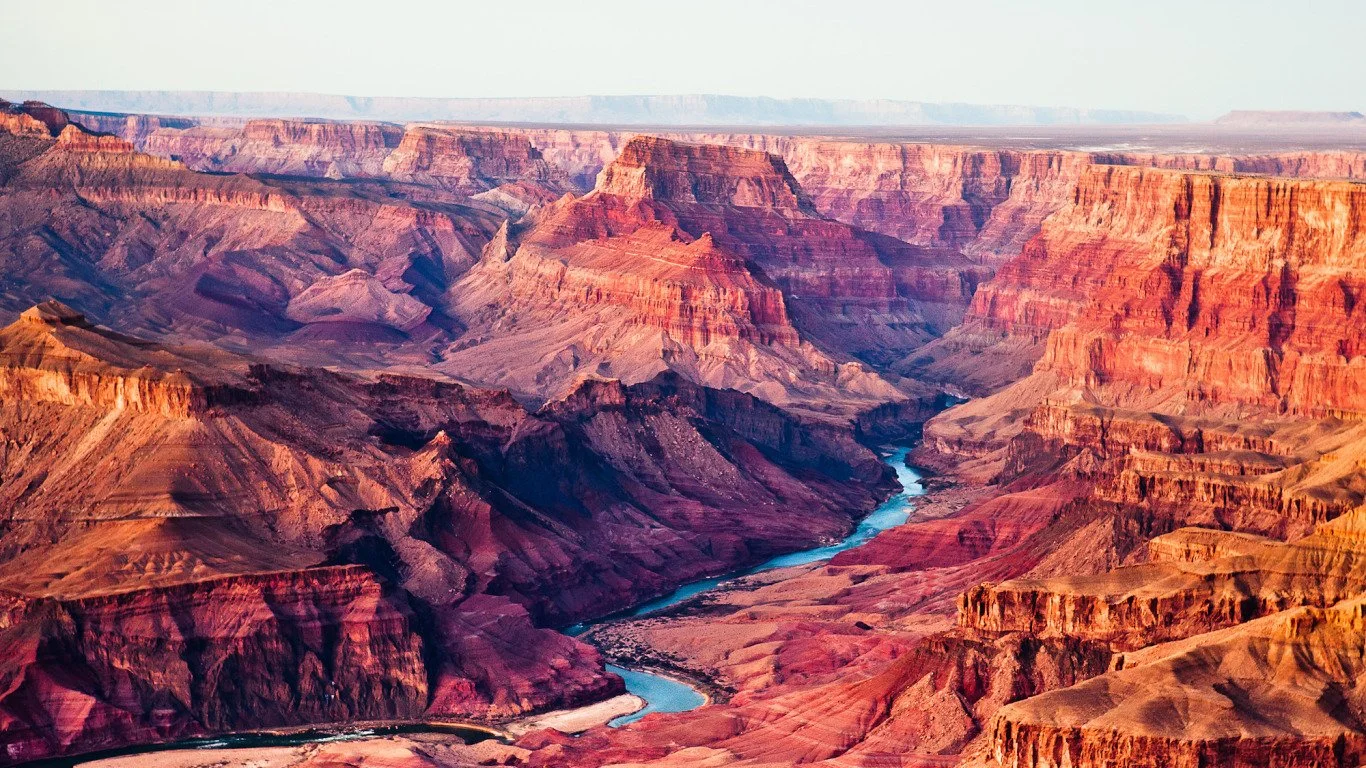
The Grand Canyon in Arizona is a mile-deep reminder that nature has both patience and drama. Carved by the Colorado River over millions of years, it’s vast enough to make photos feel useless and silence feel necessary.
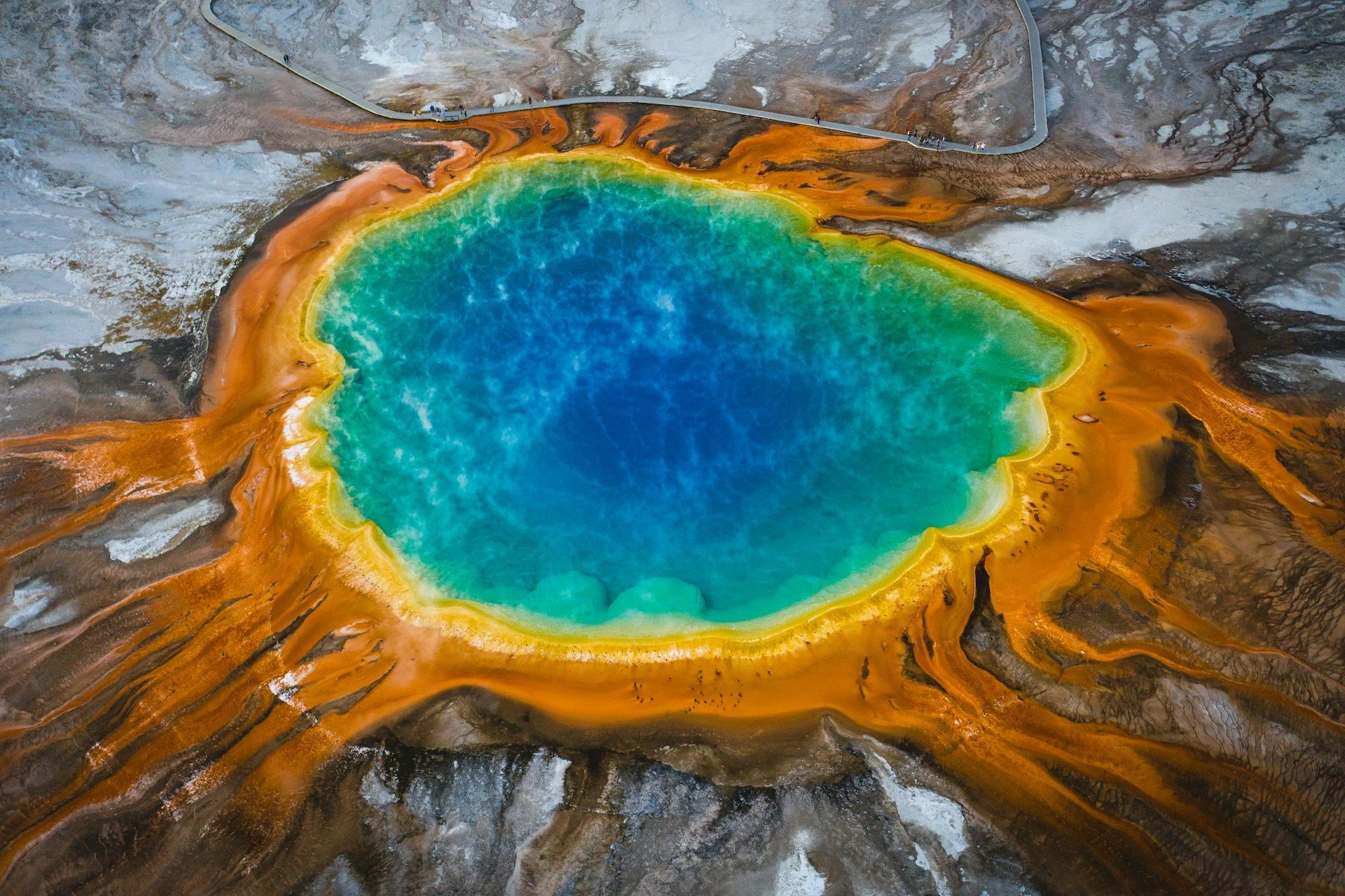
Yellowstone National Park is another level entirely. Sitting atop one of the largest active volcanic systems on the planet, it’s home to geysers, bubbling hot springs, and surreal mineral colors that look Photoshopped but very much are not.
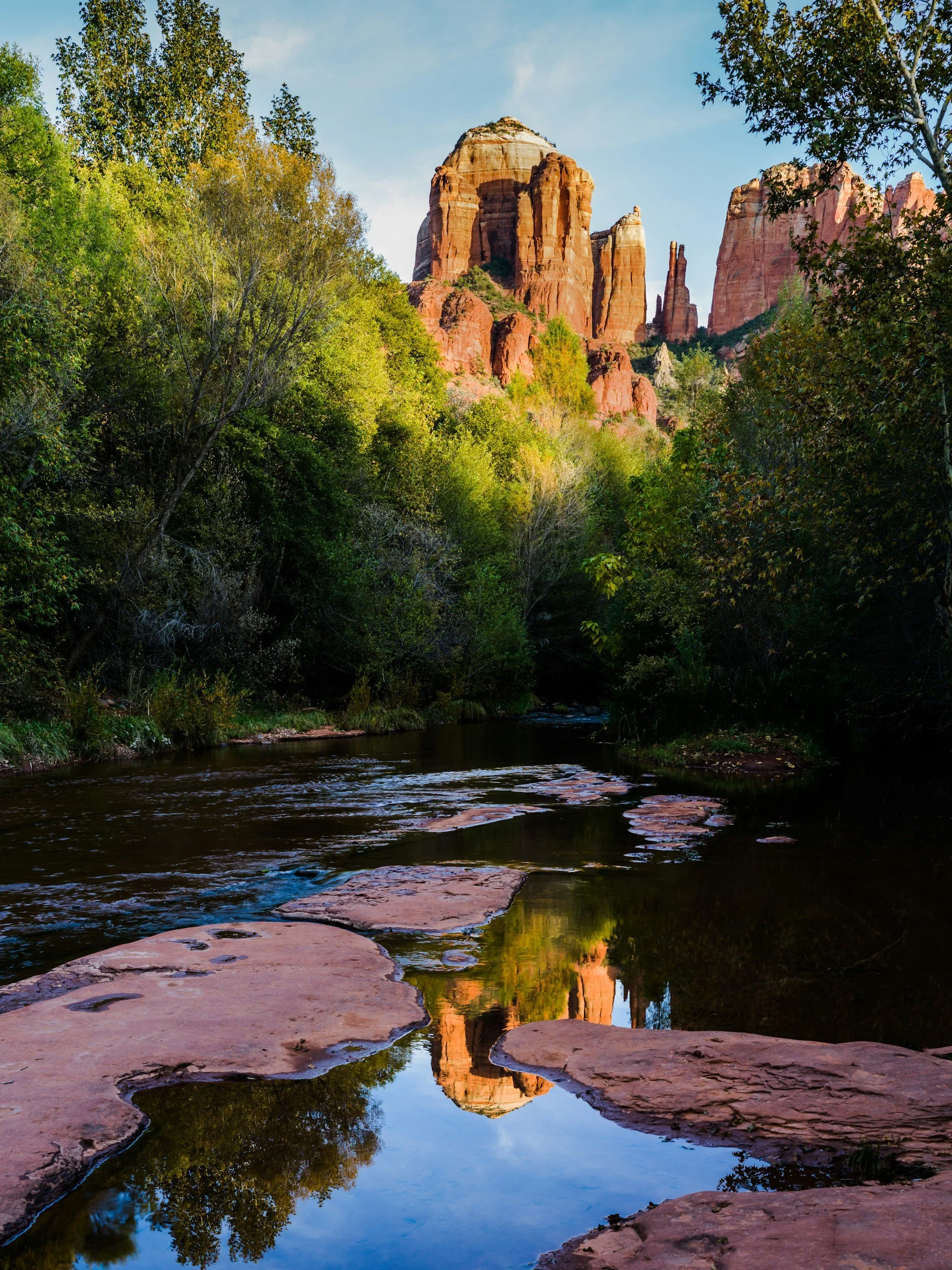
Sedona, Arizona rounds out the trio with towering red rock formations that shift color throughout the day. It’s a magnet for photographers, hikers and people who swear the rocks have “energy.”
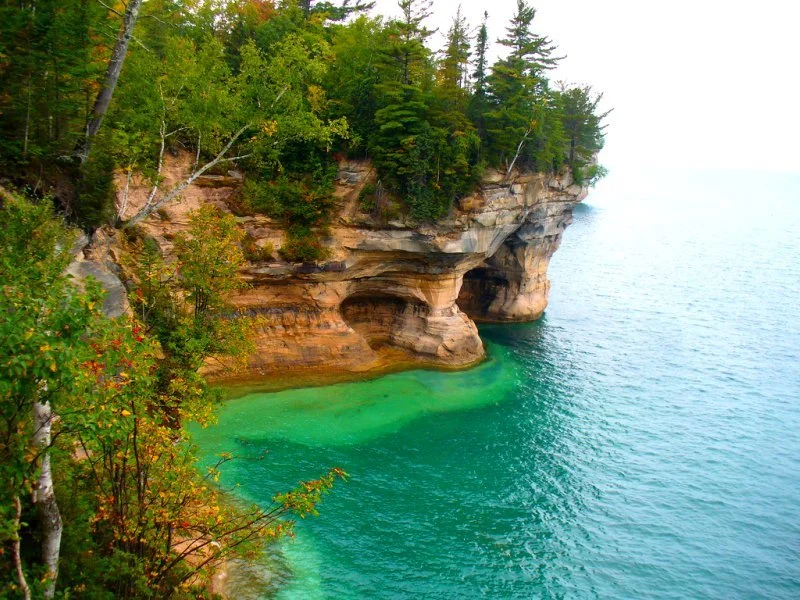
Water Wonders of the USA
America’s water features can be just as dramatic as its deserts and canyons.
Lake Superior in Minnesota is so large it behaves like an inland sea, complete with rocky shorelines, shipwrecks and weather that changes its mood fast. It’s beautiful, intimidating and absolutely worth seeing.
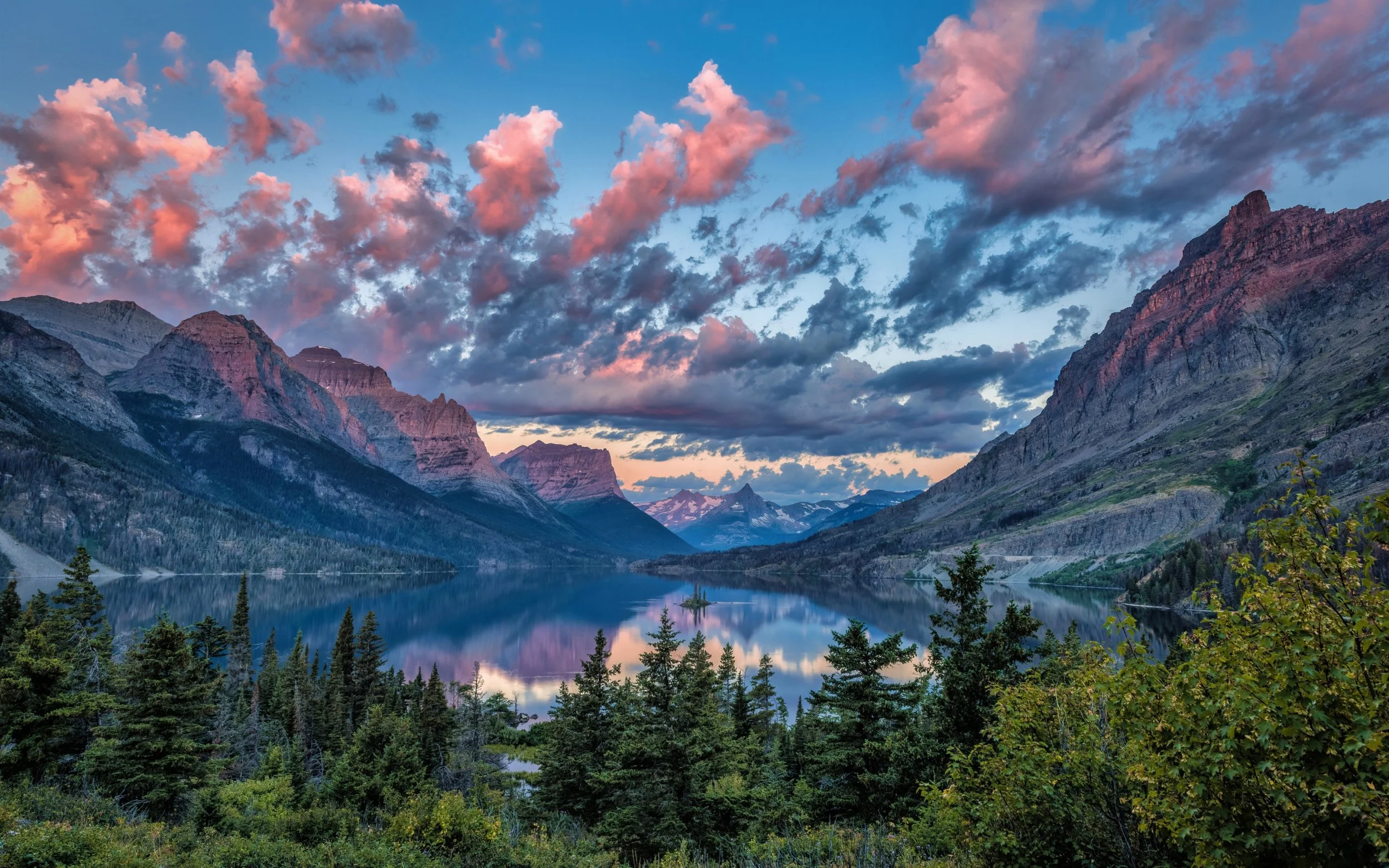
Saint Mary Lake in Montana is famous for its clarity and glacier-fed blues, especially when framed by surrounding mountains. Calm, cold and postcard-perfect.
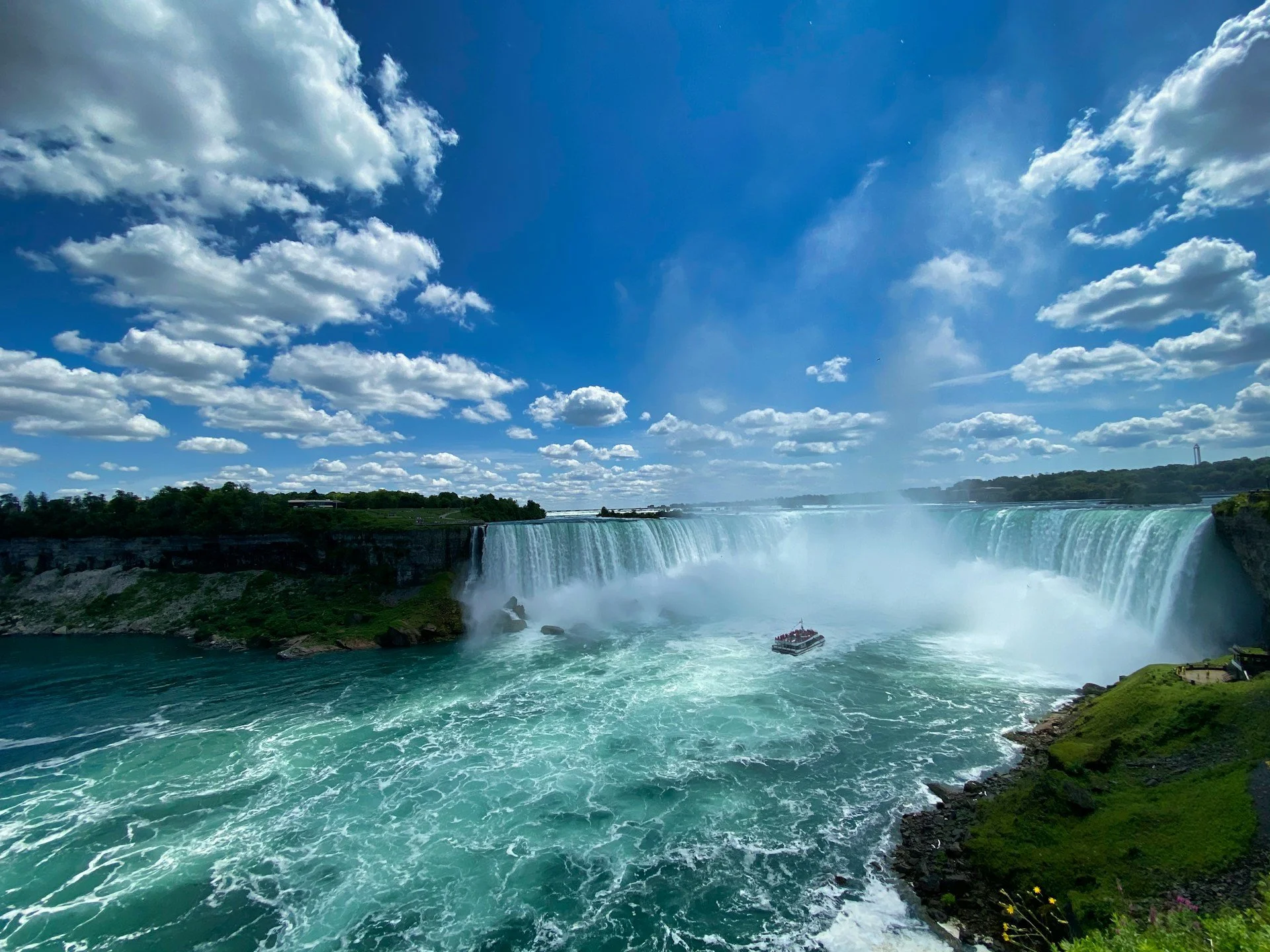
And then there’s Niagara Falls. Loud, powerful and unapologetically excessive, it remains one of the most impressive waterfalls in the world. Walking near the falls feels less like sightseeing and more like standing next to a force of nature that doesn’t care about you.
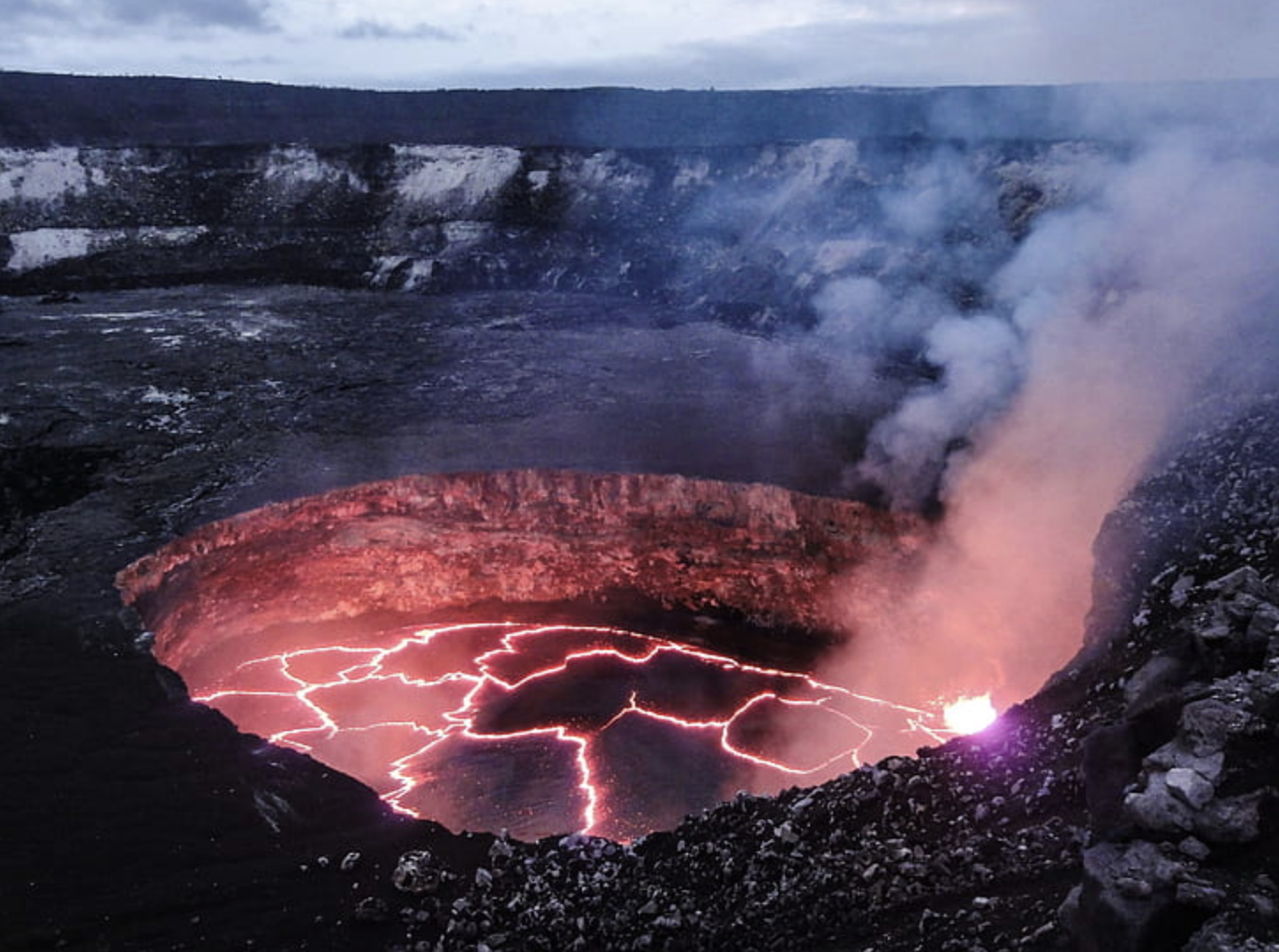
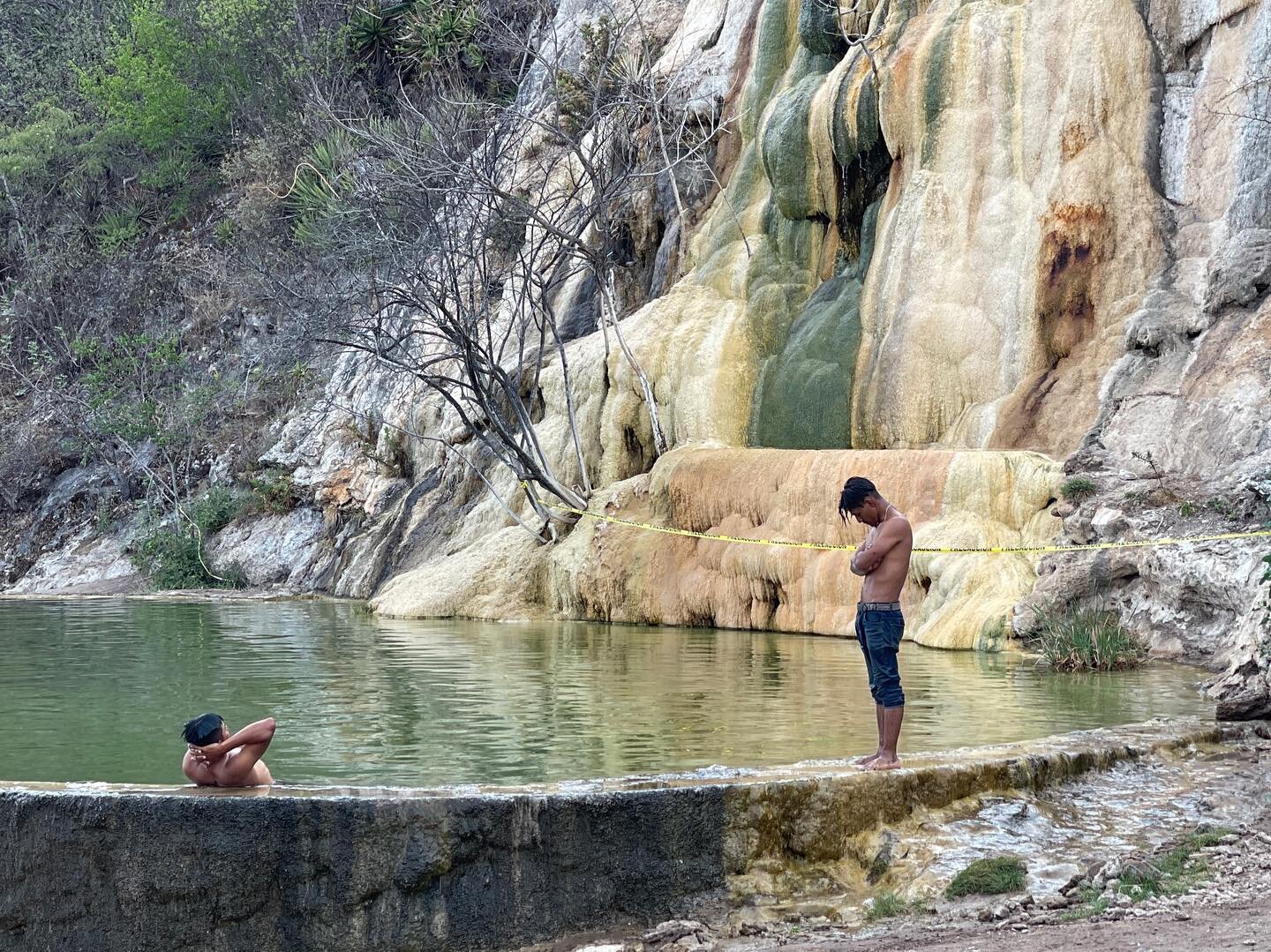
For geothermal water lovers, Hawaii delivers with hot springs and volcanic landscapes that feel almost prehistoric — a rare blend of relaxation and raw earth energy.
Practical Tips for Travelers to U.S. National Parks
Seeing these natural wonders takes more than just showing up. A little planning goes a long way — especially when the landscapes are remote and the distances are large.
Plan your route in advance. Many parks require timed entry, permits or advance reservations during peak seasons. Check before you go so you’re not turned away at the gate.
Think about timing. Summer is prime hiking season, but shoulder seasons like fall and spring often mean fewer crowds and better light. Some parks are magical in winter — if you’re prepared.
Rent a car. Public transportation rarely reaches the most interesting natural sites. A car gives you freedom, flexibility and access to the weird stuff.
Be honest about physical demands. Hiking, kayaking and uneven terrain are common. Bring proper footwear, layers and a realistic sense of your limits.
Don’t ignore legal logistics. If your travel plans extend beyond the U.S. — or you’re thinking more international — consulting global citizen lawyers can help you navigate visas, passports and cross-border travel considerations without surprises.
The cities may get the headlines, but it’s the hoodoos, geysers, canyons, and waterfalls that remind you just how strange — and spectacular — the USA really is. –Anatoly Yarovyi