Planning a trip to Osaka? Discover top attractions, must-try street food, cultural landmarks and smart travel tips.
The retro Shinsekai district
Osaka is a dynamic, high-voltage city in Japan where sleek skyscrapers stand in contrast to centuries-old castles, neon-lit entertainment districts pulse long after dark, and the street food scene rivals Tokyo and Kyoto bite for bite. It’s a place that rewards wandering — exploring neighborhoods, ducking into markets, hopping back on the subway, repeating.
And what makes that wandering infinitely better? Not hauling your suitcase behind you. That’s where services like Luggage Storage Osaka come in handy, giving you the freedom to explore without the burden of bags.
In this guide, you’ll find essential travel tips, must-see attractions, local food recommendations and practical advice to help you plan a smooth, unforgettable visit to Osaka.
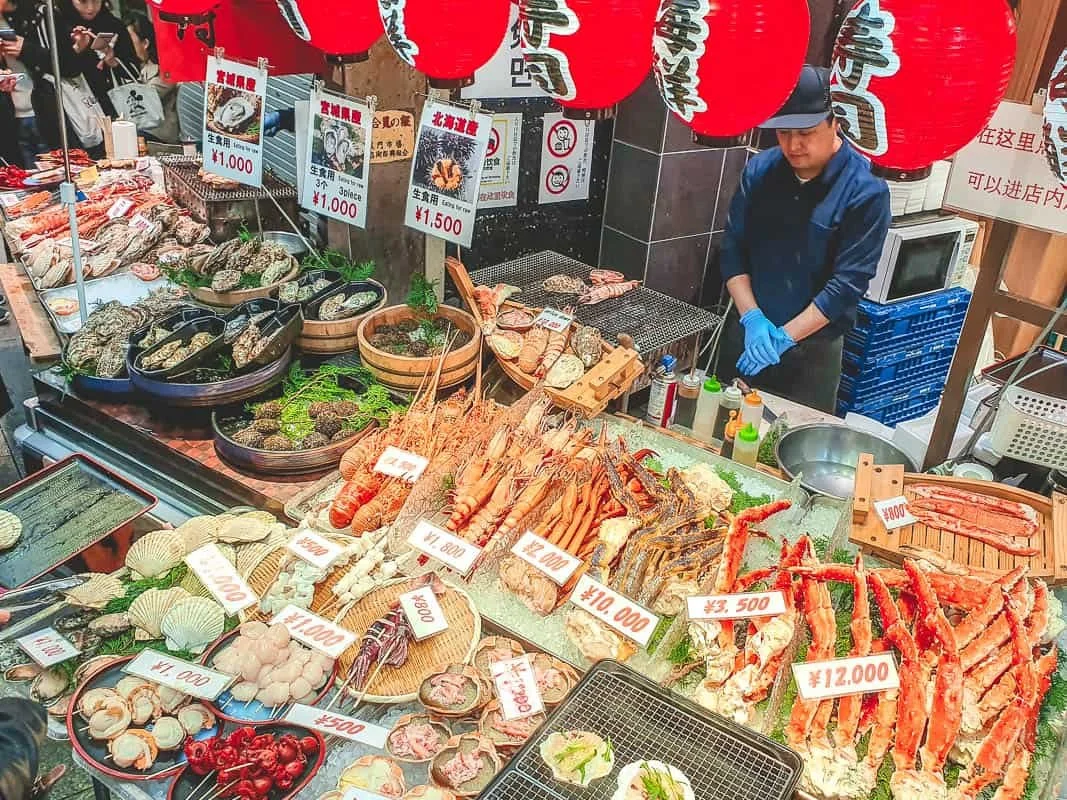
Kuromon Market
Why Osaka Is a Must-Visit Destination in Japan
Located in the Kansai region on Japan’s main island of Honshu, Osaka is often called “the Nation’s Kitchen.” Historically a commercial powerhouse, the city blends tradition and innovation with effortless cool.
You’ll find world-class museums alongside ancient temples, retro neighborhoods beside glossy shopping districts, and nightlife that runs from izakayas to rooftop bars. Whether you’re backpacking on a budget or splurging on a luxury stay, Osaka adapts to your travel style.
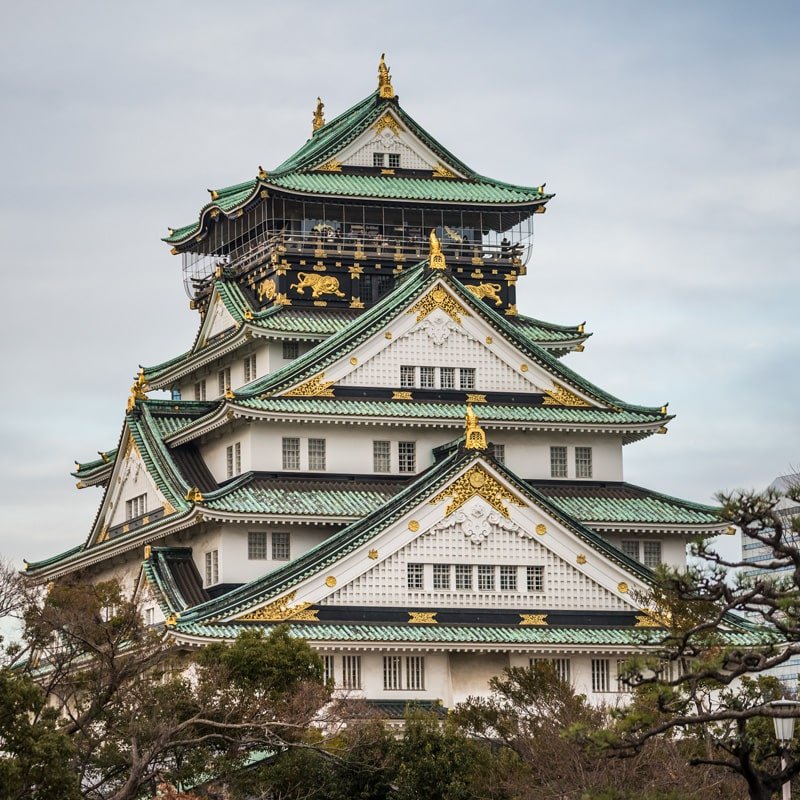
Osaka Castle
Top Osaka Attractions You Shouldn’t Miss
Osaka is packed with landmarks, food hubs and architectural standouts. These are the essentials:
Osaka Castle: The city’s iconic symbol, offering sweeping views from the top and stunning cherry blossoms in spring.
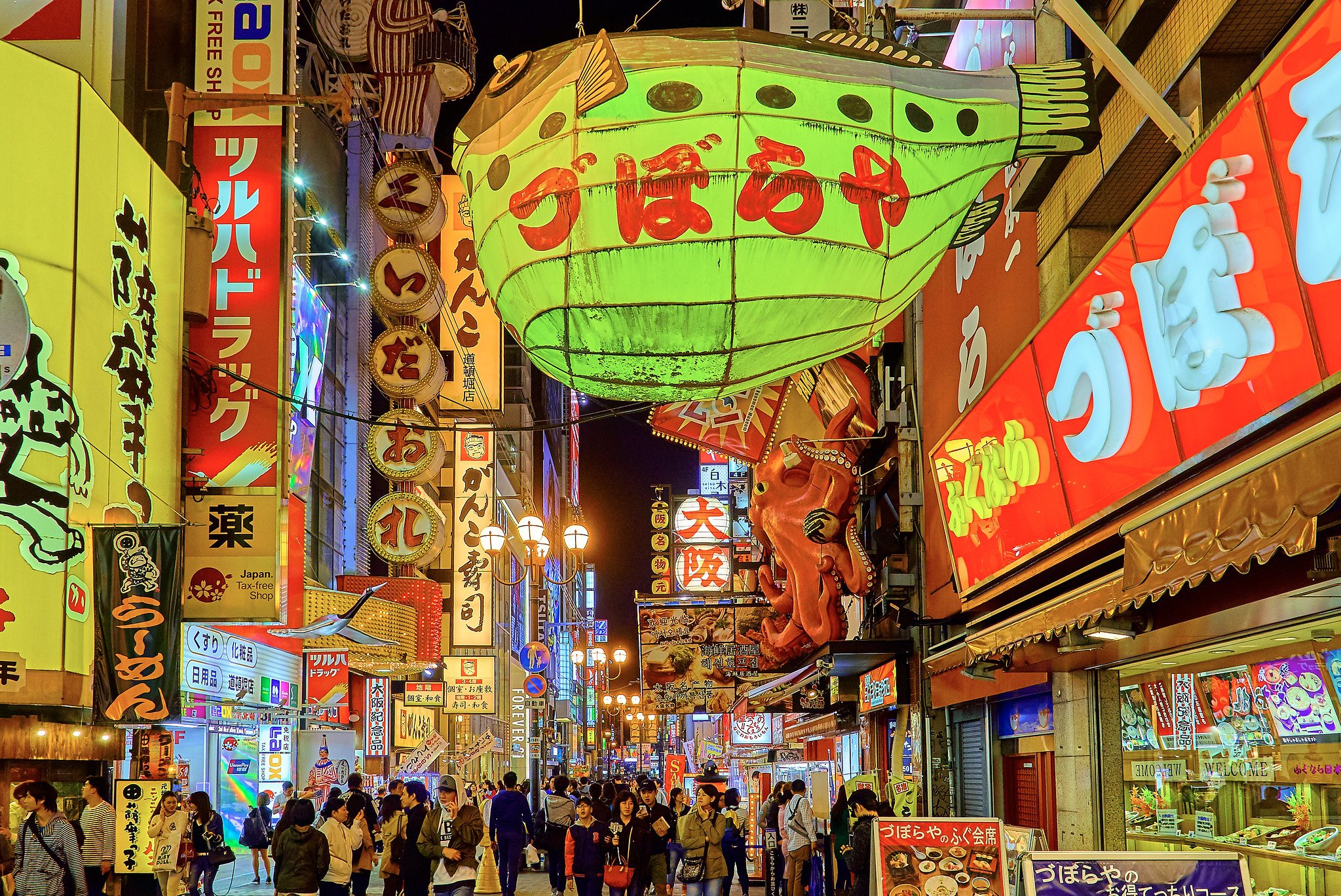
Dotonbori: A sensory overload of neon signs, canal views and wildly fun restaurants.
Shinsekai: A retro district famous for kushikatsu (panko-breaded skewers) and the Tsutenkaku Tower observation deck.
Umeda Sky Building: A modern architectural marvel with one of the best panoramic views in Osaka.
Kuromon Market: A paradise for food lovers, with takoyaki (breaded balls filled with octopus), fresh seafood and seasonal specialties.
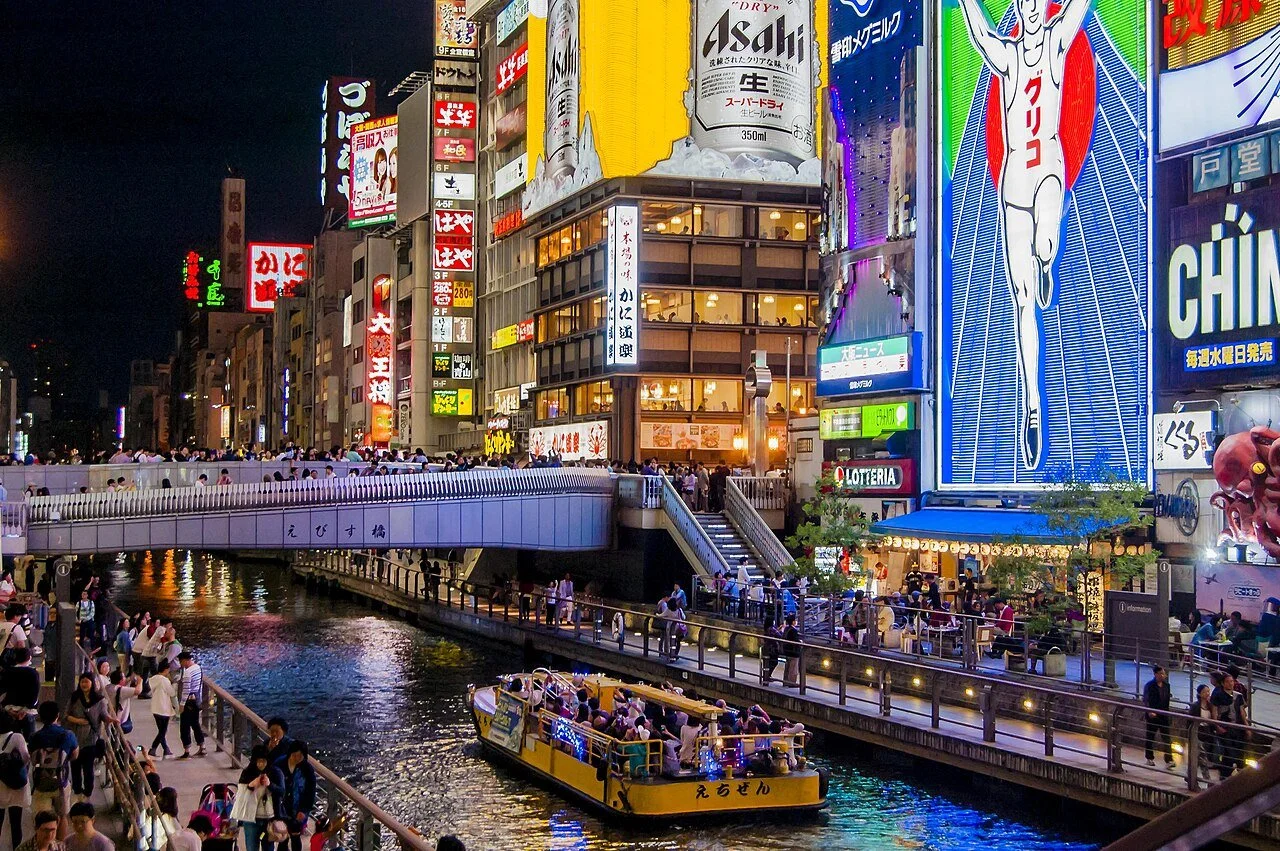
Ebisu Bridge in the neon-lit Dotonbori district
Moving between these neighborhoods is part of the adventure — but dragging luggage through crowded trains is not. Securing reliable luggage storage early in your trip reduces stress and lets you focus on the good stuff: exploring.
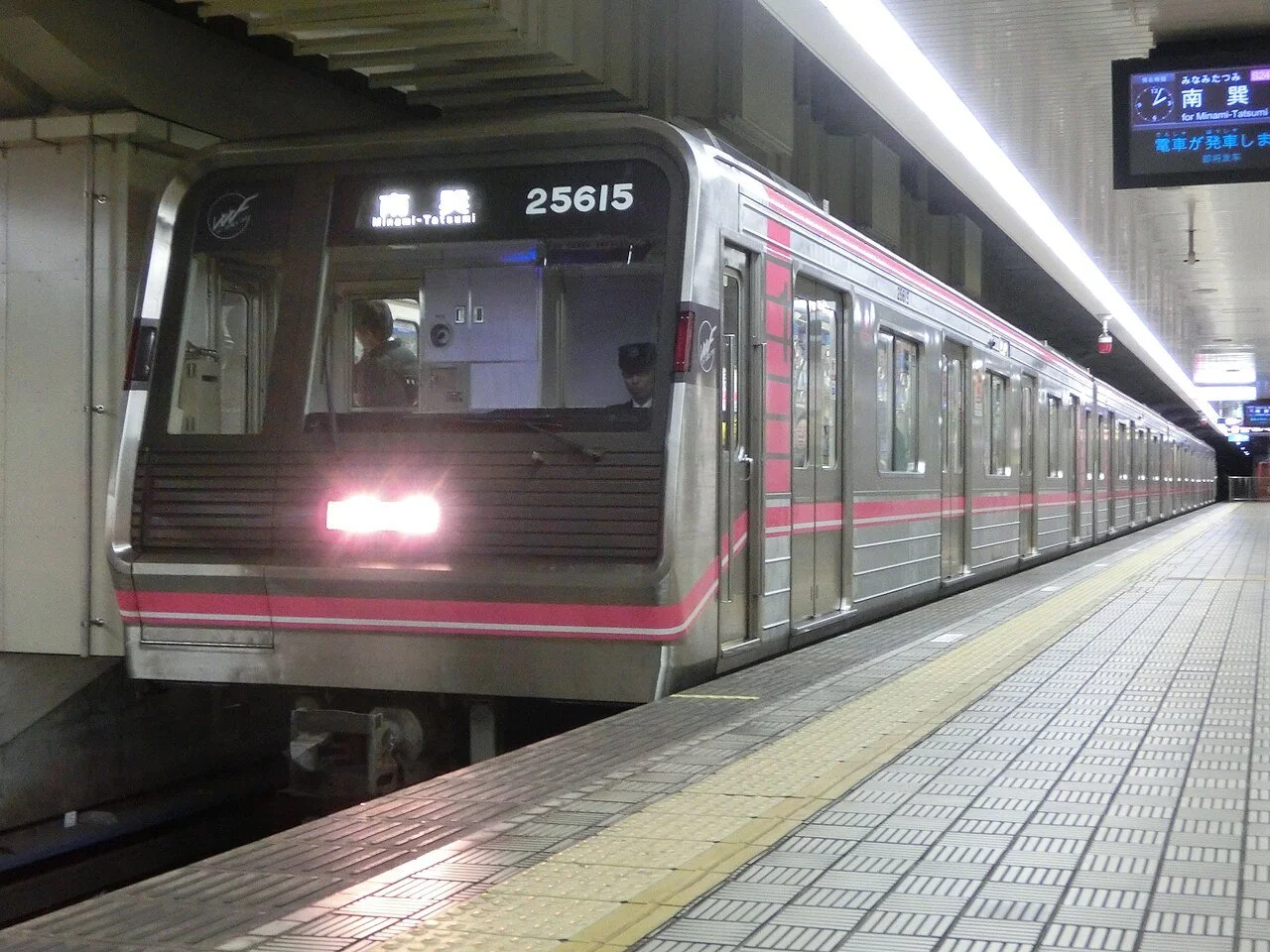
The subway in Osaka
Smart Tips for Getting Around Osaka
Osaka’s public transport system is famously efficient. Subways, JR lines and private railways connect nearly every major attraction.
ICOCA card: A prepaid transit card that works across Kansai’s rail systems and saves time at ticket machines.
Airport access: From Kansai International Airport, the JR Haruka Express and Nankai Electric Railway are fast, popular options.
If your hotel check-in is later in the day — or you have hours to fill before a flight — consider Radical Storage for convenient short-term luggage storage near stations and popular districts. Having your hands free transforms the experience, especially during rush hour.
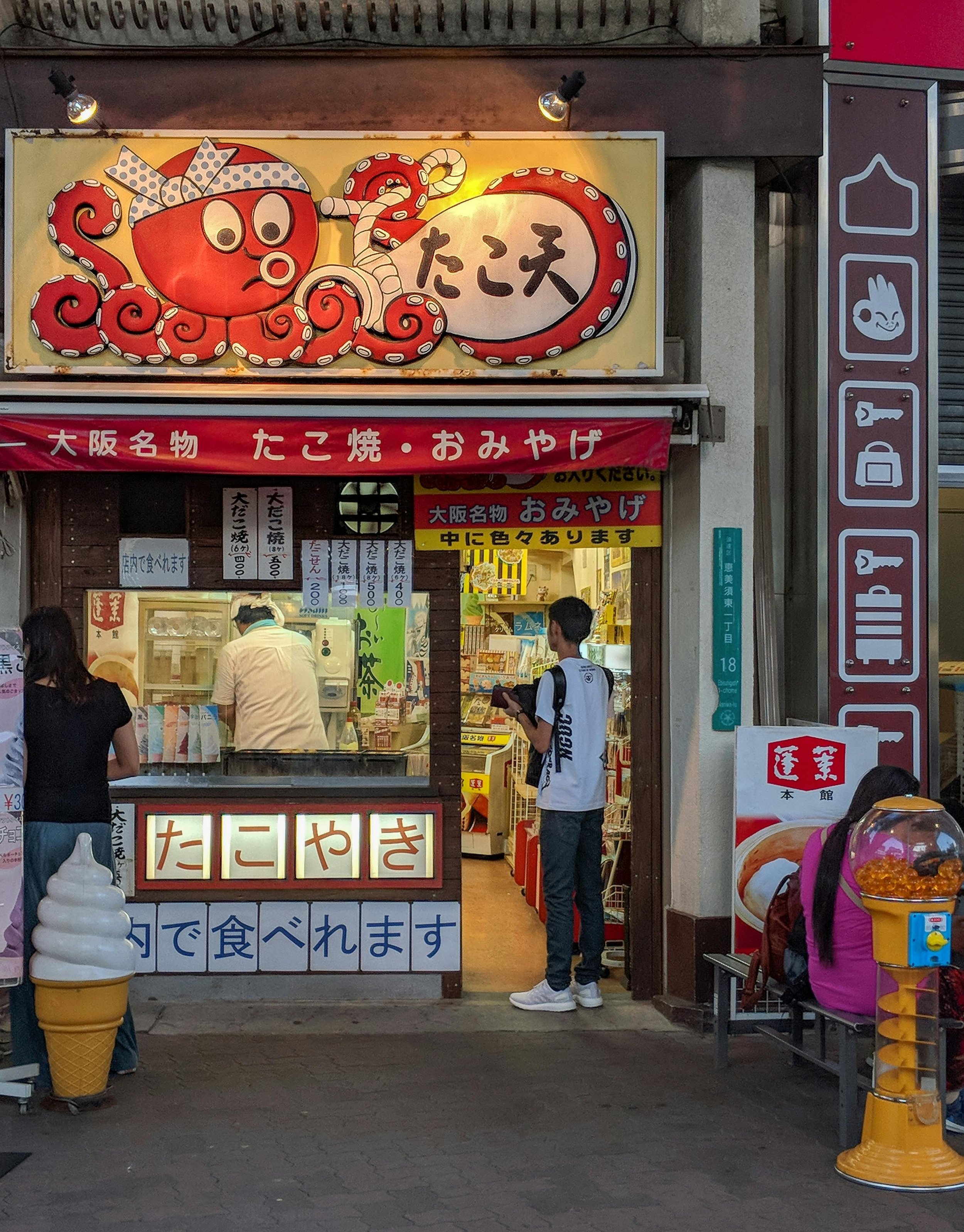
A takoyaki restaurant in Osaka
What to Eat in Osaka: Must-Try Local Dishes
Osaka’s food culture is the heartbeat of the city. The local phrase “kuidaore” means “eat until you drop,” and honestly, that feels like a challenge.
Takoyaki: Crisp on the outside, molten and savory inside, these octopus-filled balls are Osaka street food royalty.
Okonomiyaki: A hearty, customizable pancake packed with cabbage and your choice of toppings.
Kushikatsu: Deep-fried skewers of meat and vegetables, especially popular in Shinsekai.
The best way to experience Osaka’s food scene? Wander. Follow the smells. Duck into narrow alleys. And ideally, do it without a suitcase trailing behind you like a reluctant pet.
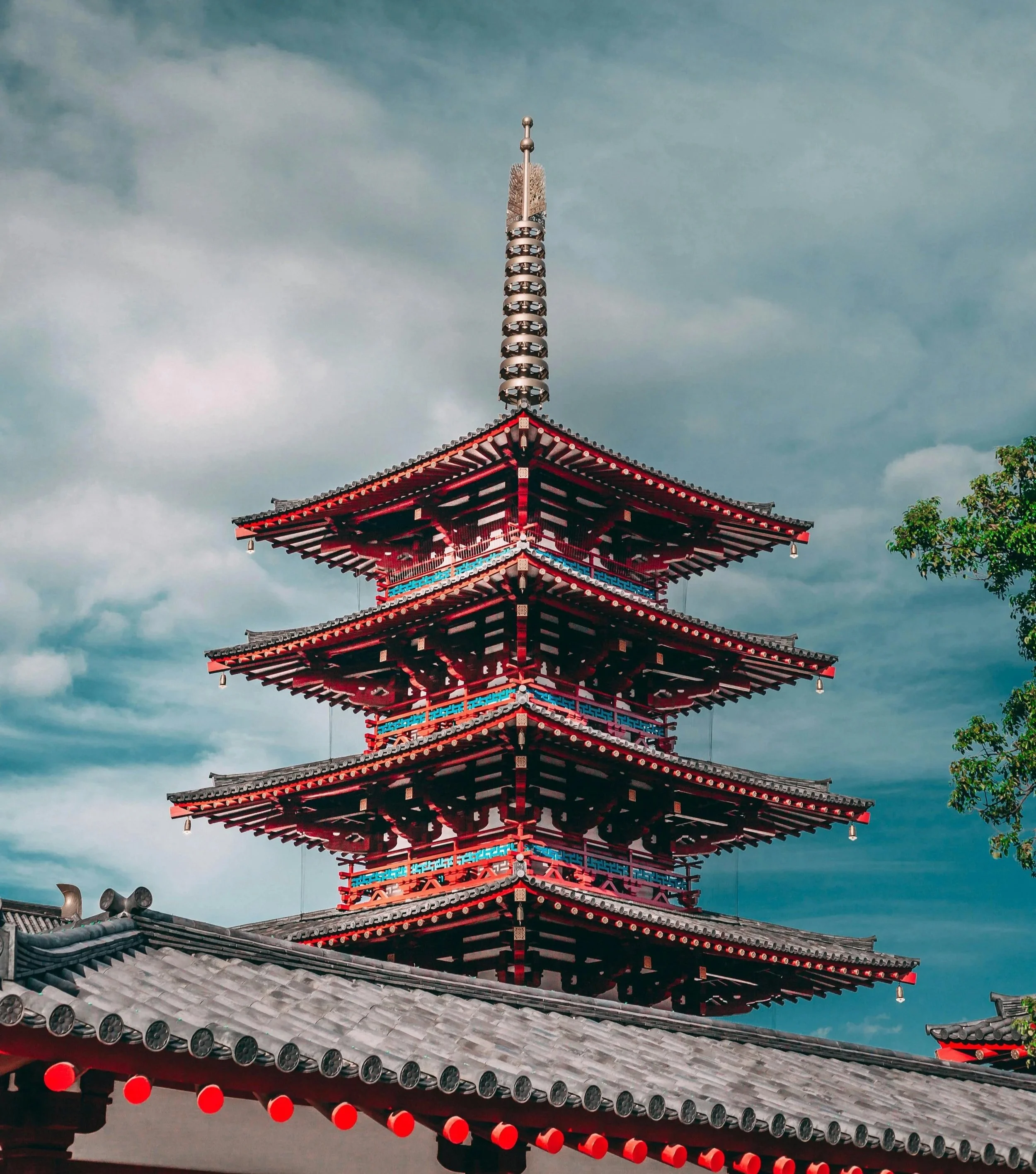
Shitennoji Temple
Cultural Experiences in Osaka Beyond the Neon
While Osaka is known for its energy, it also offers deeply rooted cultural experiences.
Shitennoji Temple: One of Japan’s oldest Buddhist temples, dating back to the 6th century.
Sumiyoshi Taisha: A historic shrine known for its striking arched bridge and tranquil grounds.
National Museum of Art, Osaka: Showcasing contemporary Japanese and international artists.
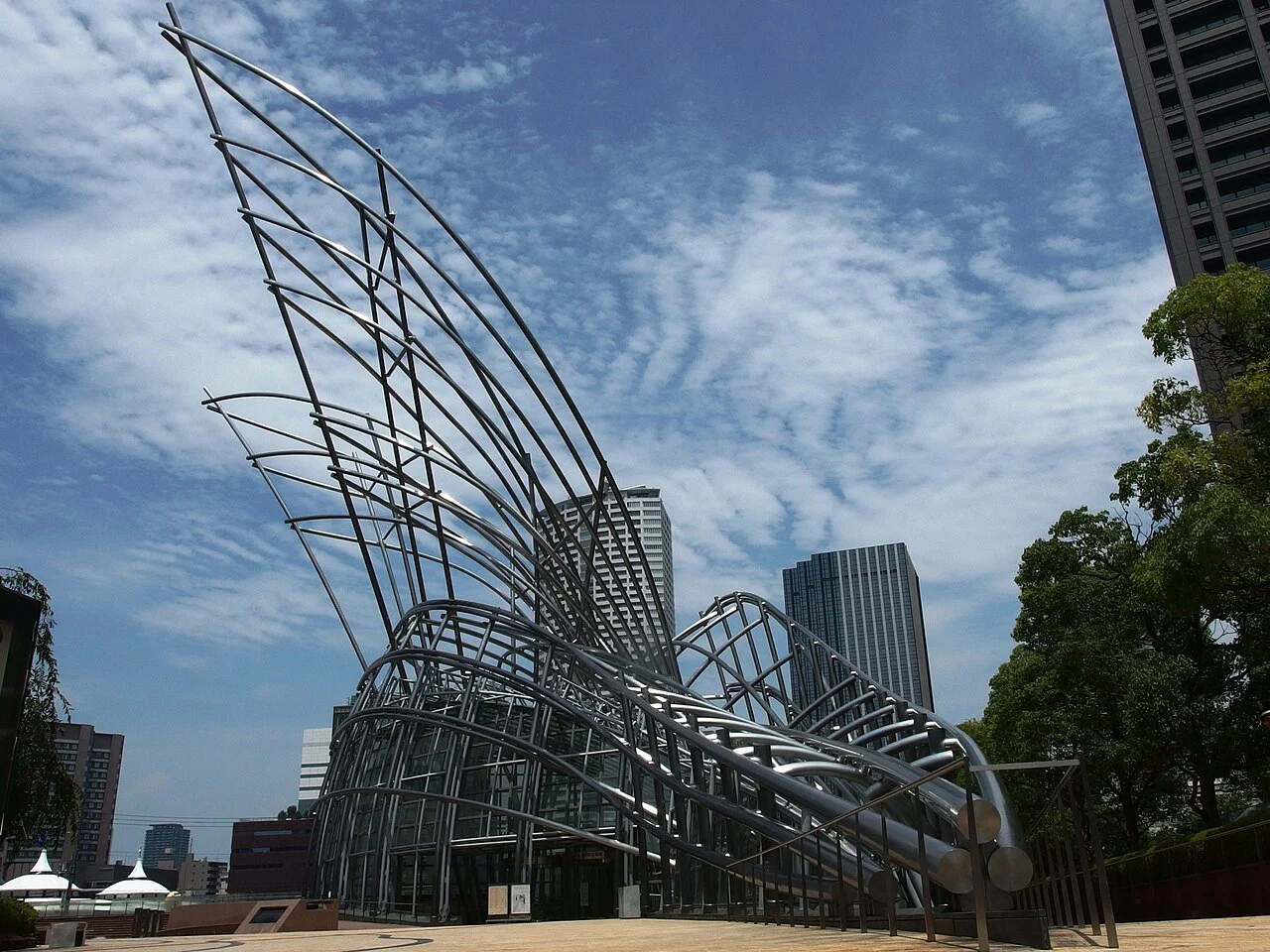
The Osaka National Museum of Art
Luggage Storage in Osaka: What Are Your Options?
Carrying luggage around all day can derail even the best itinerary — especially between hotel checkout and late-night departures.
Osaka offers several storage options:
Coin lockers in major train stations
Private luggage storage services across the city
Local businesses that partner with storage networks
One reliable option is Radical Storage, with dropoff points near transit hubs, shopping areas and tourist districts. This makes it easy to explore hands-free while your belongings remain secure. Alternatives like Bounce, Stasher or LuggageHero also operate in parts of the city, though availability and convenience can vary.
Whichever option you choose, traveling bag-free makes navigating busy markets, hopping on trains and squeezing in last-minute shopping far more enjoyable.
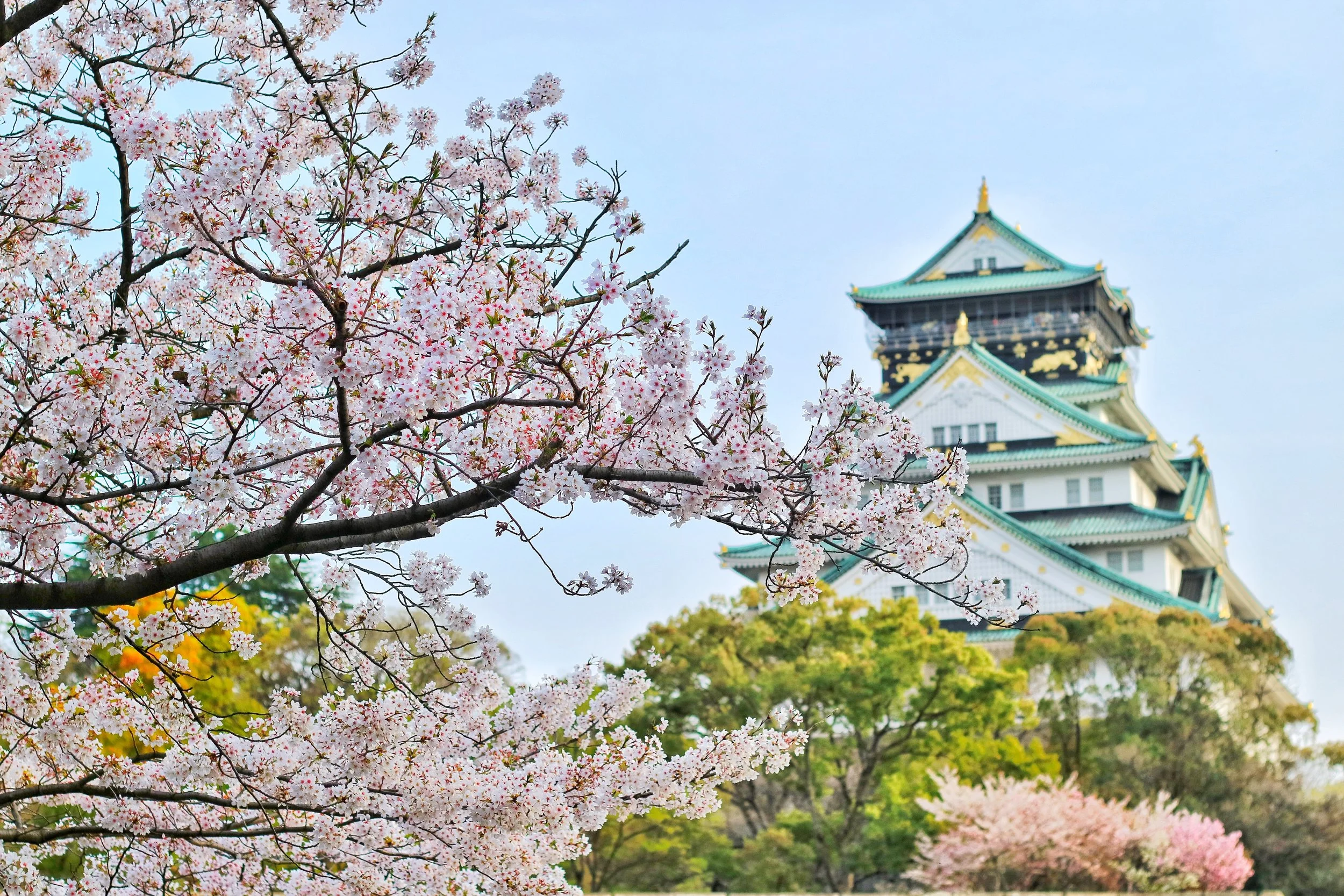
Spring blossoms at Osaka Castle
Best Time to Visit Osaka: Seasonal Travel Tips
Osaka changes with the seasons, each offering a different experience.
Spring (March–May): Cherry blossoms bloom across Osaka Castle Park and riverside areas.
Summer (June–August): Hot and humid, but filled with festivals and street food events. Stay hydrated and plan indoor breaks.
Autumn (September–November): Crisp air and vibrant fall foliage in Japan transform parks and temple grounds.
Winter (December–February): Cooler temperatures and occasional snow make it ideal for shopping and café-hopping.
Check festival schedules and museum hours before you go, and adjust your wardrobe accordingly.
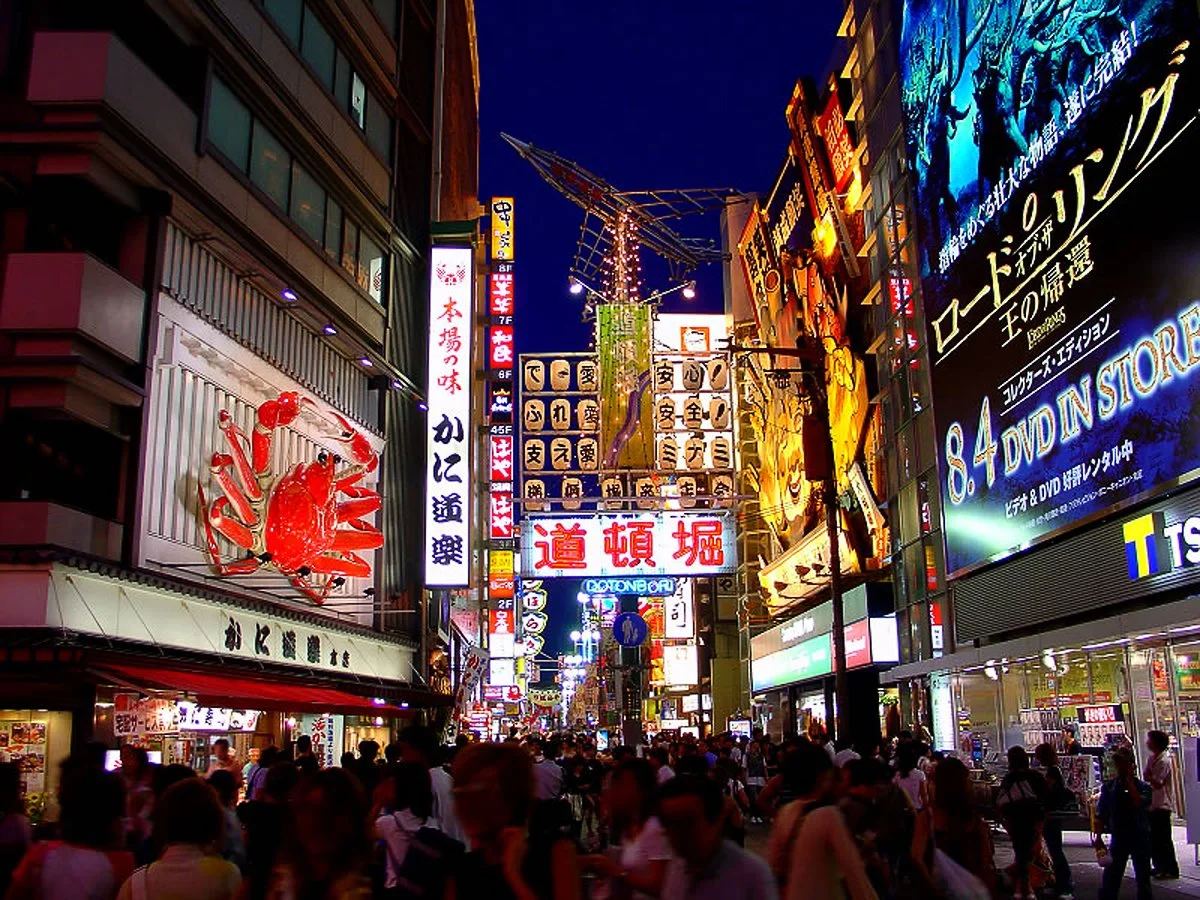
The Dotonbori district in Osaka
Final Travel Tips for Visiting Osaka
Leave space in your itinerary for the unexpected — a hidden shrine, a spontaneous street performance or a tucked-away ramen shop.
Keep physical and digital copies of important documents.
Respect local customs, especially at temples and historical sites — keep voices low, dress modestly, don’t eat while walking through sacred grounds, and follow the lead of locals at purification fountains and prayer areas.
Osaka rewards curiosity. With smart packing and practical services — including luggage storage when you need it most — you’ll be free to experience both its modern edge and its centuries-old traditions without unnecessary friction.
And in a city built for wandering, that freedom makes all the difference. –Jameson Robert