Vegas runs on spectacle — and a whole lot of rumors. From oxygen myths to “hot” slots, here’s what’s real, what’s not, and what actually matters when you hit the floor.
No, the Bellagio doesn’t pump extra oxygen onto the casino floor, despite the hearsay. The rumor sounds far-fetched, which is probably why it sticks. And that’s the problem — Vegas is full of claims like that, repeated often enough that they start to feel true.
A recent myth-busting visit by our correspondent at Gambling.com put those stories to the test at Caesars Palace, Flamingo, Bellagio and the Cosmopolitan. They brought along an oxygen reader, asked some sharp questions, and spoke with Grant Rogers, vice president of casino operations at Rio Hotel & Casino. The approach was simple: Test what can be tested, then ask about the rest.
Strip those myths away, and the city gets easier to understand. What actually helps visitors is more straightforward — understanding game rules, reading pay tables, setting a budget and knowing how the floor works.
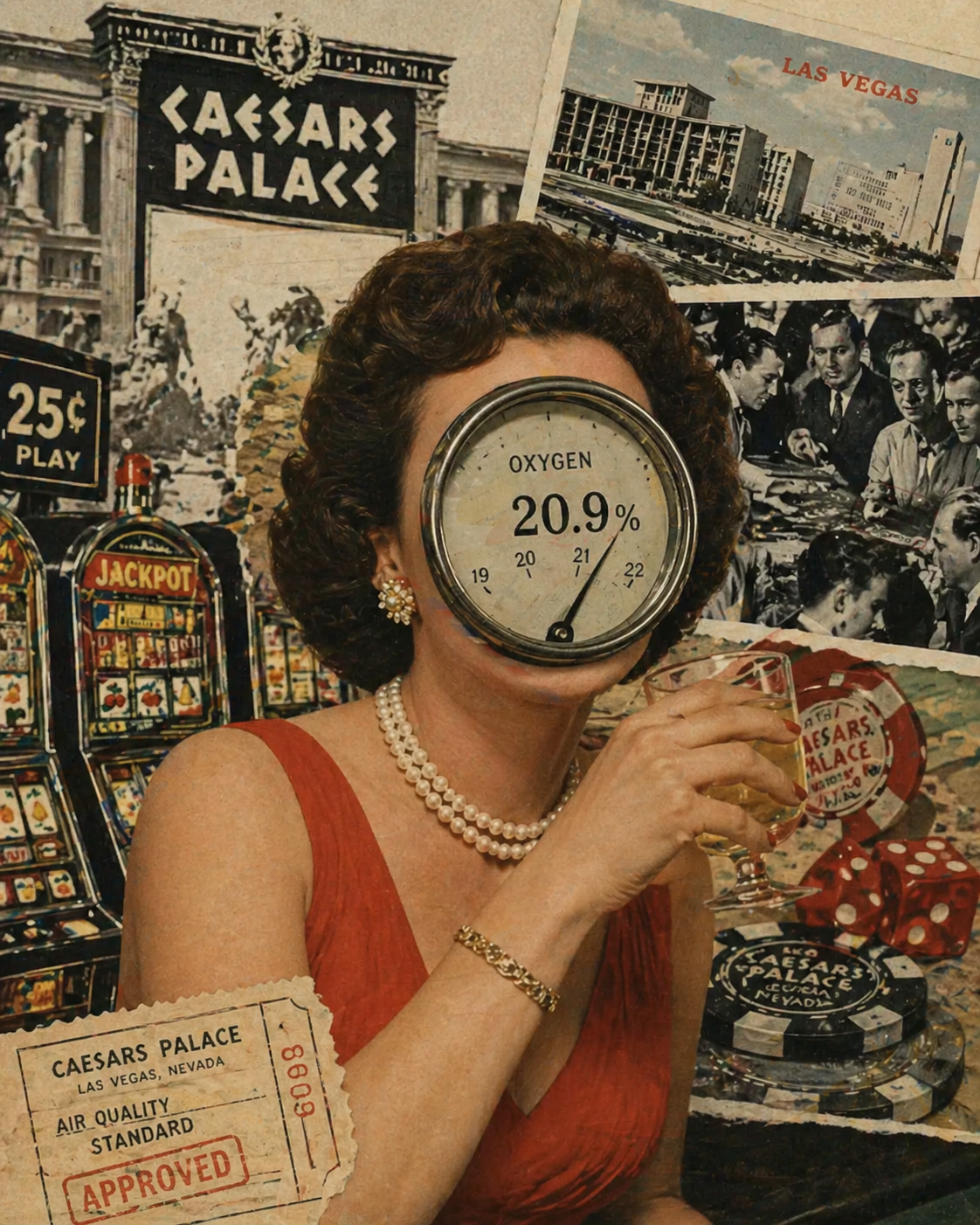
Myth: Casinos pump oxygen onto the floor.
In the test, an oxygen reader was used inside casinos. The readings stayed at 20.9% throughout — the standard oxygen level in normal air.
So why does this myth feel believable? Casino floors often smell distinctive, stay cool and remove obvious cues from the outside world. Add in signature scents and controlled lighting, and it’s easy to assume something more is happening.
It isn’t. It’s just design.
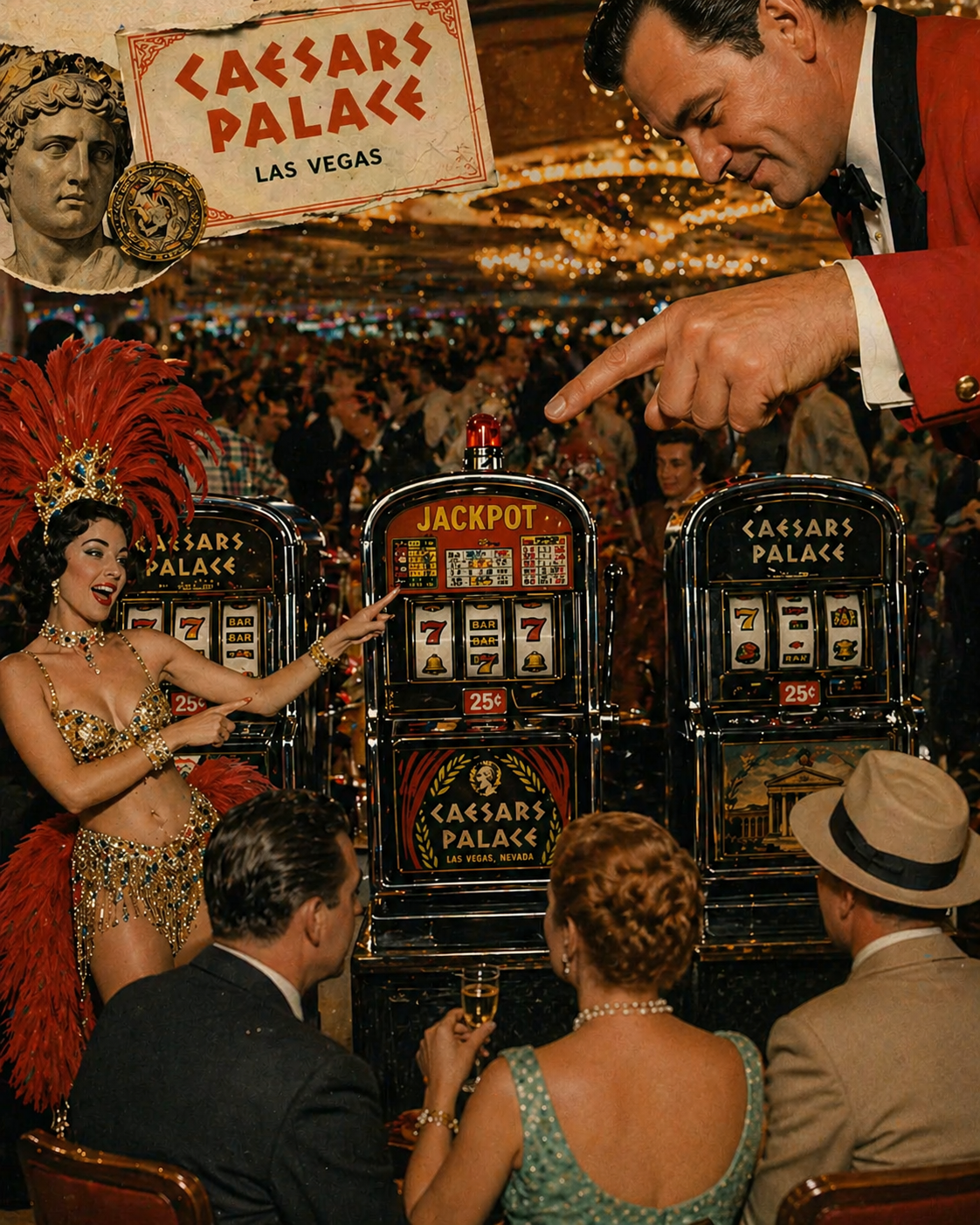
Myth: Attendants know which machines are “hot.”
At Caesars Palace, an attendant pointed to a Dragon Link penny slot with a max bet of $5. A $20 session turned into a $6.50 profit after four spins. That’s all it takes — a small result that feels like proof.
Staff do know which games get traffic, which machines people gather around, and where beginners might feel comfortable. But that’s not the same as knowing outcomes.
Slot machines are governed by random number generators. No one on the floor knows what a machine will do next.
For travelers who want something more useful than chasing “hot” machines, browsing Gambling.com’s complete list of top sweepstakes casinos is a better place to start.

Myth: Casinos remove clocks and windows to trap you.
This one is half true.
“You don’t see clocks on the casino floor,” Rogers said plainly. There’s a bit of psychological manipulation going on: When you remove time cues, people tend to stay longer.
Windows are less consistent. Some newer casinos have opened things up, using natural light and clear sightlines. Others still lean into a more enclosed environment.
There’s no single rule — just different ways of shaping how a space feels.
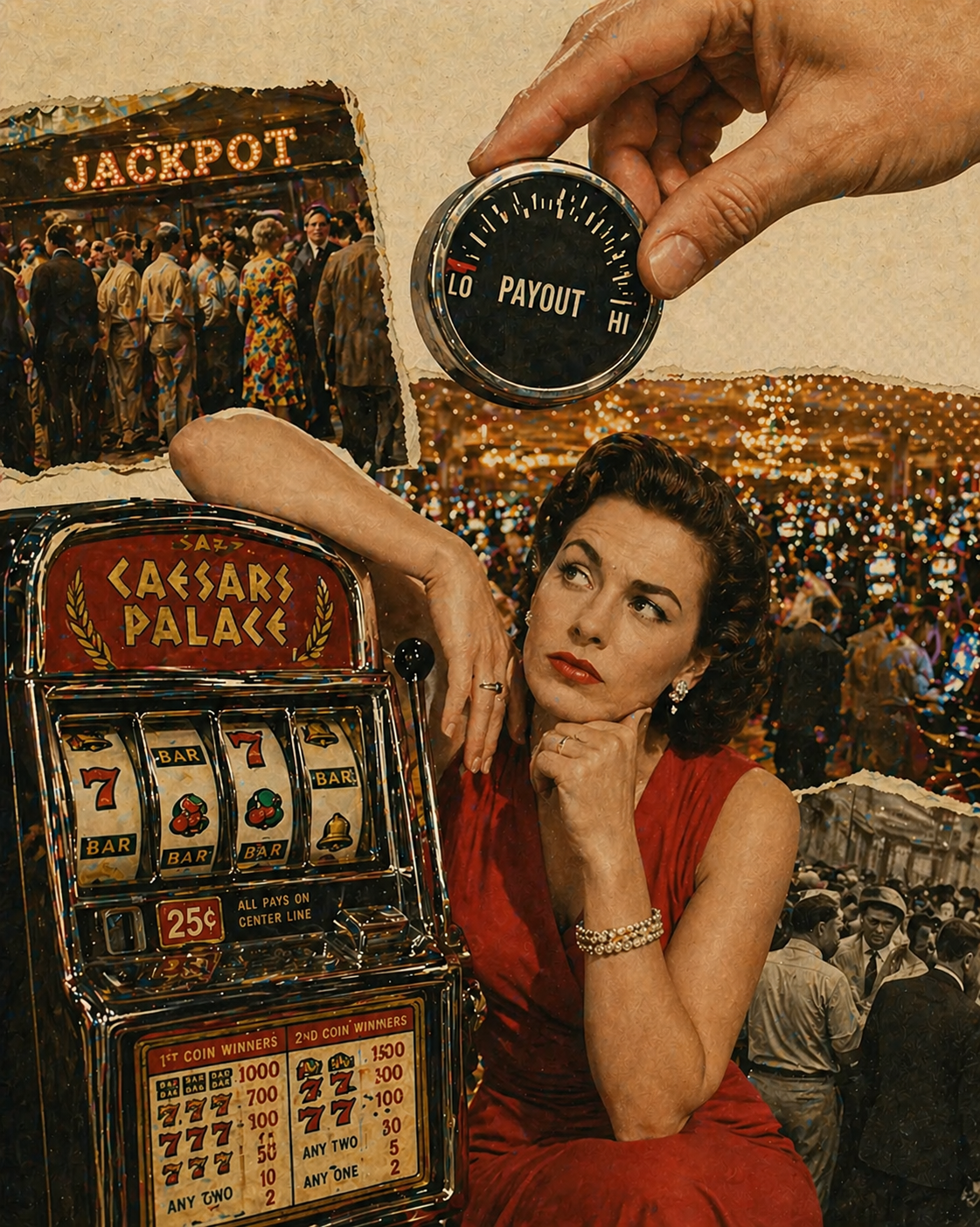
Myth: Casinos “tighten” or make machines pay out less when it gets busy.
Few ideas feel more convincing than this one — especially after a losing streak.
But Rogers dismissed it outright, pointing instead to strict regulation. Machines aren’t being adjusted behind the scenes depending on the crowd.
So why does it feel true? Because losing rarely feels random. After a few bad spins, it’s easy to believe something changed — that the machine feels stingy, or the timing shifted.
It didn’t. That’s just how variance works.
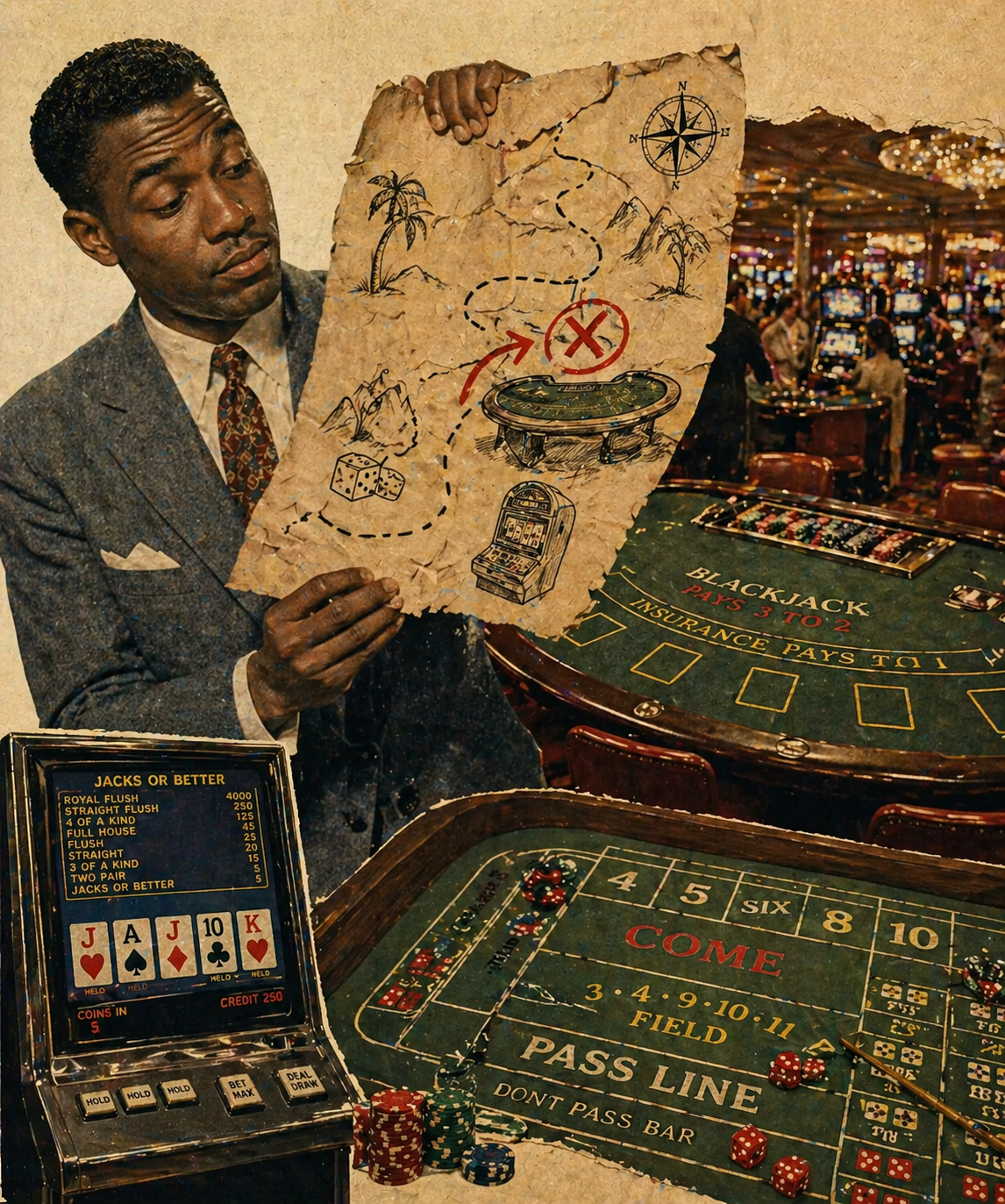
Myth: The best value is hidden somewhere tourists don’t look.
There’s no secret corner of the casino where the odds suddenly improve. The better plays are well known, just not as exciting.
Rogers pointed to three bets that quietly offer some of the best odds in any casino:
1. 3:2 blackjack, where the house pays out more on a natural blackjack than the stingier 6:5 tables that have crept onto most floors
2. The pass line in craps, the foundational bet that most players at the table are making
3. Full-pay video poker, machines programmed to return the highest possible percentage to the player.
None of that feels like insider knowledge, but it reflects how the math actually works.
What Actually Matters When You Step Onto the Casino Floor
Vegas is very good at making randomness feel meaningful. The environment is designed to keep you engaged — which makes it easy to see patterns where none exist.
Looking for gambling advice? Focus on the rules instead of the room, and everything shifts. The floor becomes easier to navigate, the myths lose their pull, and the experience starts to feel a lot more predictable — in the best way. –Samuel Clark