Australia has a reputation for draining wallets almost as quickly as it fills camera rolls. But with the right strategy — and a little traveler cunning — you can experience its beaches, wildlife and wide-open landscapes without burning through your entire savings account.

Australia sits firmly on many travelers’ bucket lists. Given the incredible beaches with legendary surfing spots, strange and wonderful wildlife, and landscapes that swing from red desert to tropical reef, it’s easy to see why.
However, one thing people discover quickly when researching a trip here is that Australia can be expensive. It’s also quite far from most countries, particularly those in Europe, often requiring more than 24 hours of travel time.
Those two realities sometimes put travelers off heading Down Under. While there’s not much you can do about the distance, there are plenty of ways to reduce the cost once you arrive.
Every year, plenty of travelers explore “the Lucky Country” without going bankrupt. It simply takes a bit of planning, a few smart choices, and a willingness to travel a little differently.

Is Australia Expensive to Visit?
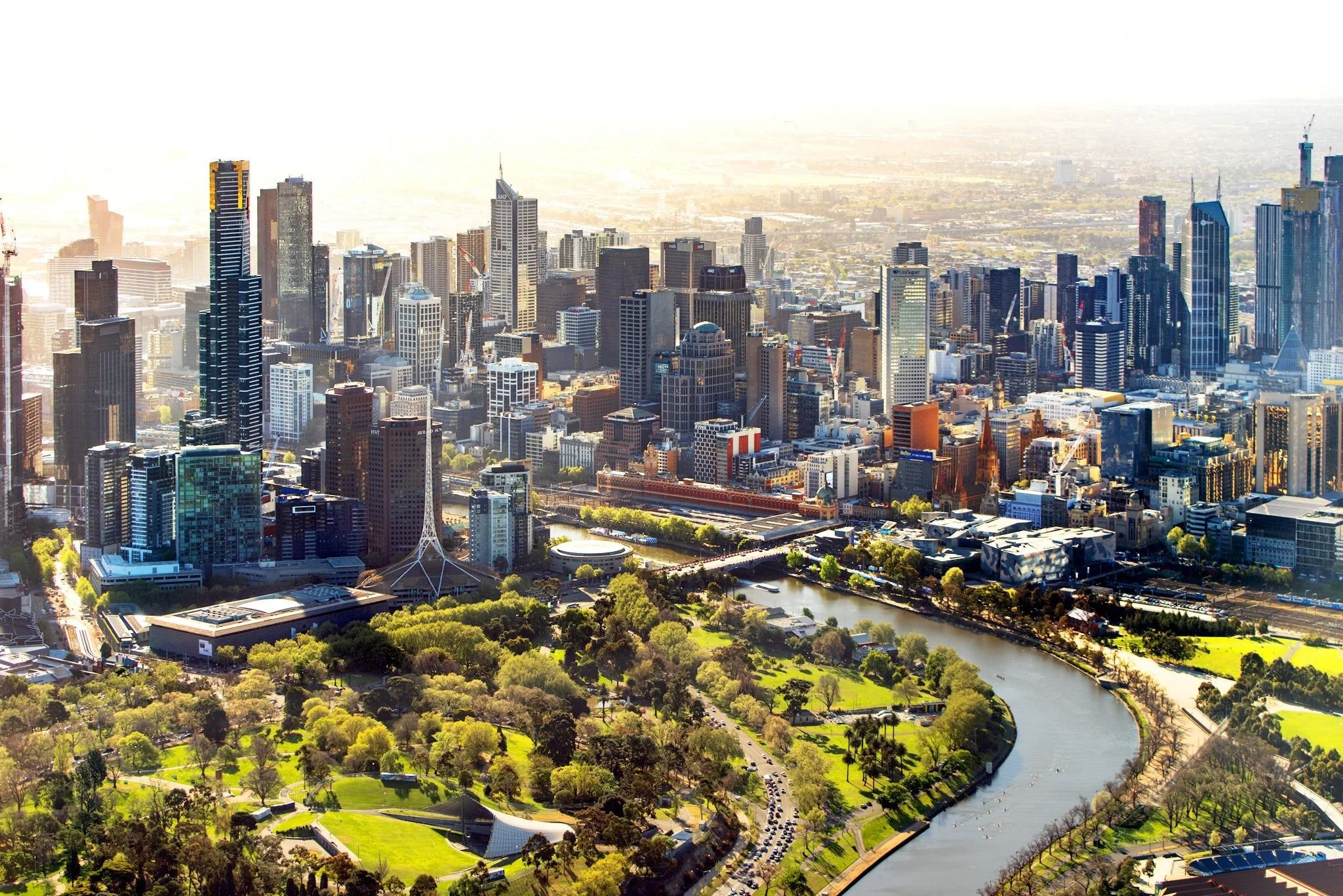
Let’s address the elephant in the room. Australia does have a reputation for being pricey. In major cities like Sydney, Melbourne and Brisbane, accommodation, food and attractions can seem eye-wateringly expensive.
However, the reality is that visiting Australia can be as cheap or expensive as you want it to be. It all depends on how you choose to experience the country.
Naturally, having more money opens more doors. A larger budget means nicer hotels, great restaurants, and bucket-list experiences like snorkeling the Great Barrier Reef or watching the sun set over Uluru.
If your funds are limited, some travelers choose to take out a loan to fund their trip. Plenty of lenders may be willing to advance the money, including providers offering a bad credit small loan for travelers with less-than-perfect credit scores.
But whether you finance your adventure or save for it the old-fashioned way, stretching your dollars further is always a smart move.

10 Budget Travel Tips for Visiting Australia
Regardless of how you fund the trip, saving money means you can stay longer, see more and maybe even splurge on that reef dive. Here are 10 ways to make your travel budget go further.
1. Travel during Australia’s shoulder seasons.
One of the easiest ways to save money is choosing the right time to visit. Australia’s peak travel season runs through the summer and school holidays. Remember that the antipodean summer runs from December to February, and prices rise along with the temperature. Visiting in spring (September to November) or autumn (March to May) often means cheaper flights, lower accommodation rates and fewer crowds — except during Australian school holidays.
2. Explore budget accommodation options.
Hotels are usually the most expensive option, especially in popular coastal destinations where rooms can run between $300 and $500 per night. Fortunately, Australia offers plenty of alternatives. Airbnbs, motels, hostels, bed and breakfasts, guesthouses and even private rooms above pubs can all be far cheaper. The country also has an enormous network of campsites and caravan parks, many located near national parks and beaches.
3. Take advantage of free activities.
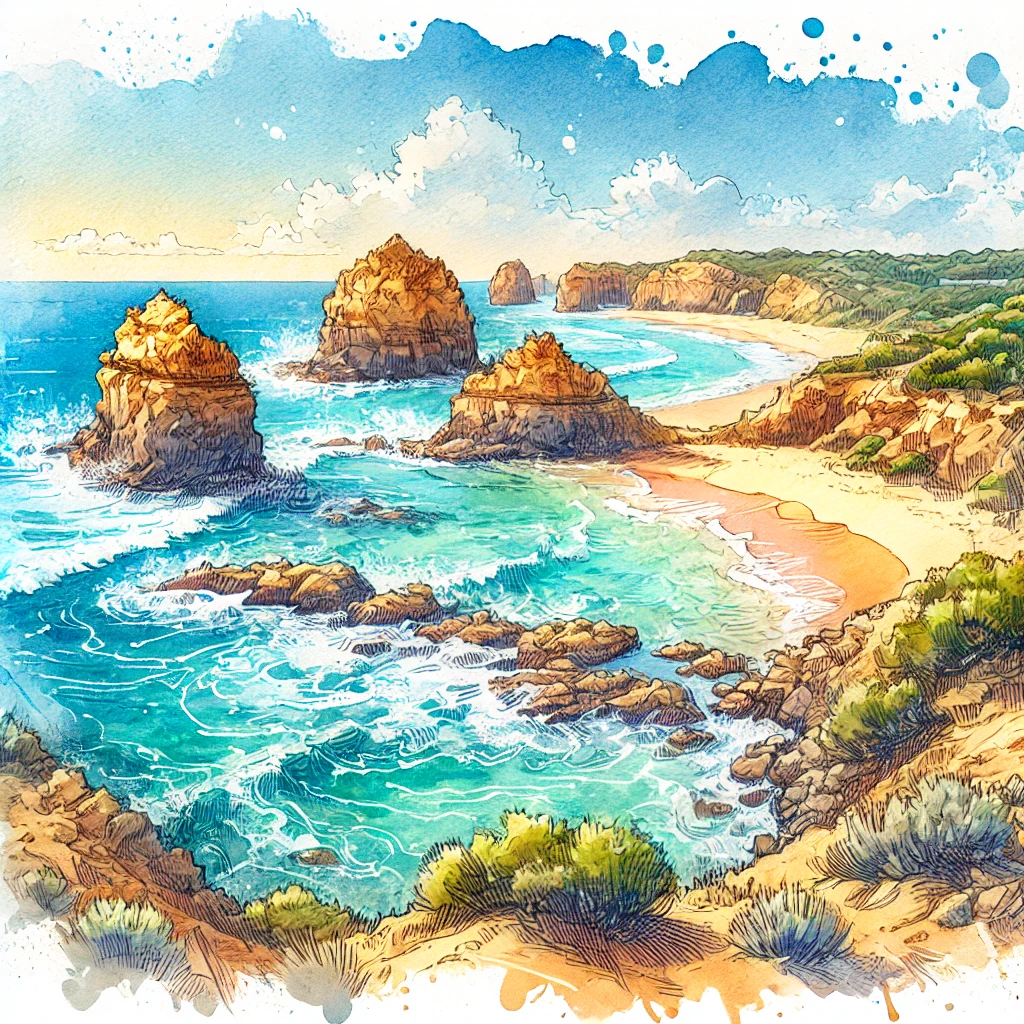
Some of the best things to do in Australia cost absolutely nothing. The country’s outdoor culture means many iconic experiences are free. You can swim at one of its 10,000+ beaches, hike through national parks, stroll coastal trails, explore city markets or hunt for street art in urban neighborhoods. The Bondi to Coogee coastal walk in Sydney and the Cairns swimming lagoon are perfect examples — spectacular views, refreshing water, and not a dollar required.
4. Use public transport and travel passes.
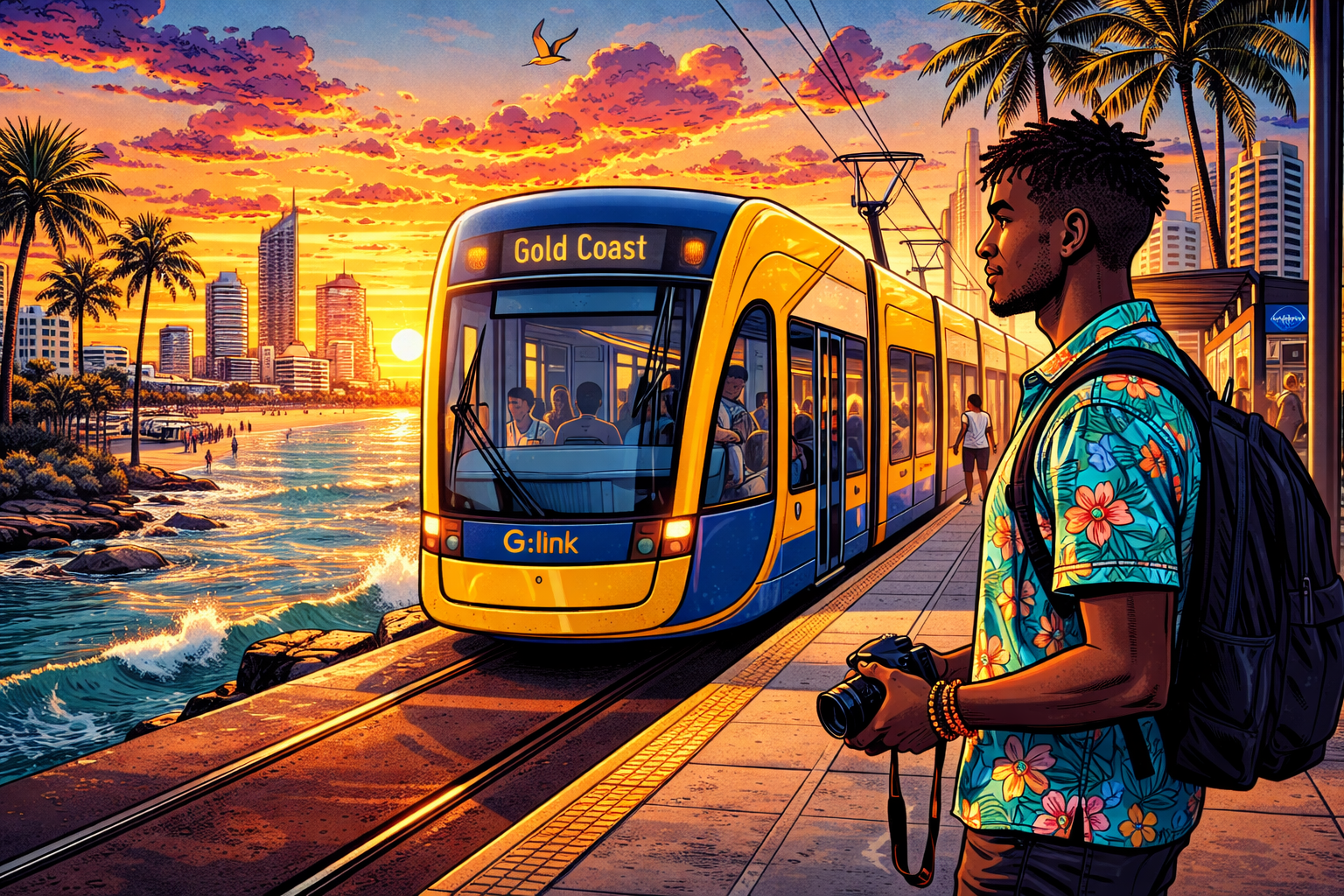
Some people love a good Australian road trip. But the country’s major cities have reliable public transport systems that include trains, buses, trams and ferries. In some places they’re surprisingly cheap. In Queensland, for example, you can travel anywhere on the city network for around 50 cents per ride. Sydney fares typically hover around a few dollars. With a transport card or pass, you can explore a huge portion of the city without needing a rental car in Queensland.
5. Consider budget domestic flights.
Australia is enormous. Driving from Perth to Sydney can take five or six days of serious road-tripping. If you want to see multiple regions, low-cost airlines like Virgin, Jetstar and Rex can save you both time and money. If you book early — or occasionally snag a late-night fare deal — you can sometimes fly between major cities for surprisingly little.
6. Cook your own meals when possible.
Dining out in Australia can add up quickly. A typical restaurant entrée often costs between $25 and $40. To keep your budget in check, self-catering whenever possible can make a huge difference. Supermarkets like Coles, Woolworths and Aldi are found in most towns, and many hostels and Airbnb properties include kitchens where you can prepare simple meals or pack lunches for the day.

7. Look for discount travel deals and passes.
Many attractions and tours offer lower prices if you book online or reserve in advance. Some sightseeing passes bundle several experiences together for a reduced cost. Tourism websites, visitor centers and travel forums can be excellent places to uncover deals that aren’t immediately obvious.
8. Visit affordable destinations.
Australia’s big cities attract most visitors, but they’re far from the only places worth seeing. In fact, many regional destinations are both cheaper and quieter. Areas like the NSW (New South Wales) Riverina, High Country Victoria, or coastal regions north of Mackay toward Cairns can offer stunning scenery and authentic local experiences, without the big-city price tag.
9. Travel with friends to split costs.
Solo travel can be wonderful, but traveling with friends can dramatically reduce expenses. Accommodation, car rentals, fuel and even some attraction fees become far more manageable when shared among a group.
10. Plan ahead and book early.
Leaving travel plans until the last minute almost always means paying more. Flights, tours and accommodations tend to be cheaper when booked well in advance. Planning early gives you time to compare options, monitor deals and build an itinerary that fits your budget.

Australia on a Budget Is Still Australia
Australia may have a reputation for being expensive, but that doesn’t mean it’s out of reach for budget-minded travelers. With thoughtful timing, smart accommodation choices, and a willingness to mix free adventures with the occasional splurge, it’s entirely possible to experience the beaches, cities and landscapes that make the country so famous.
In other words: You don’t need a billionaire’s budget to enjoy the Lucky Country — just a little planning, a bit of flexibility, and a traveler’s instinct for finding the good stuff without paying full price. –Lucy Mitchell